
In an era defined by economic volatility and widening wealth disparities, the concept of a “living salary” has transcended academic debate to become a pressing societal and personal financial concern. Far more than a mere numerical figure on a paycheck, a living salary represents the minimum income necessary for an individual or family to meet their basic needs, maintain a modest but decent standard of living, and participate fully in their community without relying on public assistance or falling into debt. It is a critical benchmark for financial stability, a barometer of economic justice, and a foundational element for a thriving society.

The widespread discussion around minimum wage often obscures the more comprehensive and nuanced understanding embodied by a living salary. While minimum wage is a legal floor mandated by governments, often set without direct consideration for the actual cost of living in specific regions, a living salary is precisely calibrated to reflect these real-world expenses. It moves beyond just survival to encompass the ability to live with dignity and security. Understanding what constitutes a living salary, why it matters, and how to achieve it is fundamental for individuals striving for financial well-being and for societies aiming for equitable prosperity. This article delves into the intricacies of this vital concept, exploring its definition, economic implications, practical calculation, and the strategies for its realization.
Beyond Minimum Wage: Defining a Living Salary
The terms “minimum wage” and “living salary” are often used interchangeably, yet they represent fundamentally different benchmarks for financial sufficiency. Disentangling these concepts is crucial for a clear understanding of what it truly means to earn enough to thrive, not just survive.
The Fundamental Difference: Minimum vs. Living
Minimum wage is a legally mandated lowest hourly rate that employers can pay their workers. Historically, it was introduced to prevent exploitation and ensure that workers received at least a basic level of compensation. However, its determination is often influenced by political considerations, economic growth targets, and business interests, rather than a rigorous assessment of actual living costs. As such, in many regions, the minimum wage falls significantly short of what is required to cover the necessities of life.
A living salary, by contrast, is an evidence-based calculation of the income needed for a worker to afford basic necessities for themselves and their family without financial strain. It is a needs-based benchmark, reflecting the cost of living in a specific geographical area. The core distinction lies in intent: minimum wage aims to establish a floor; a living salary aims to ensure dignity and sustainability. Earning minimum wage often means making impossible choices between rent and food, or foregoing essential healthcare. Earning a living salary, however, provides the financial breathing room to cover essentials and still have some capacity for savings and modest discretionary spending.
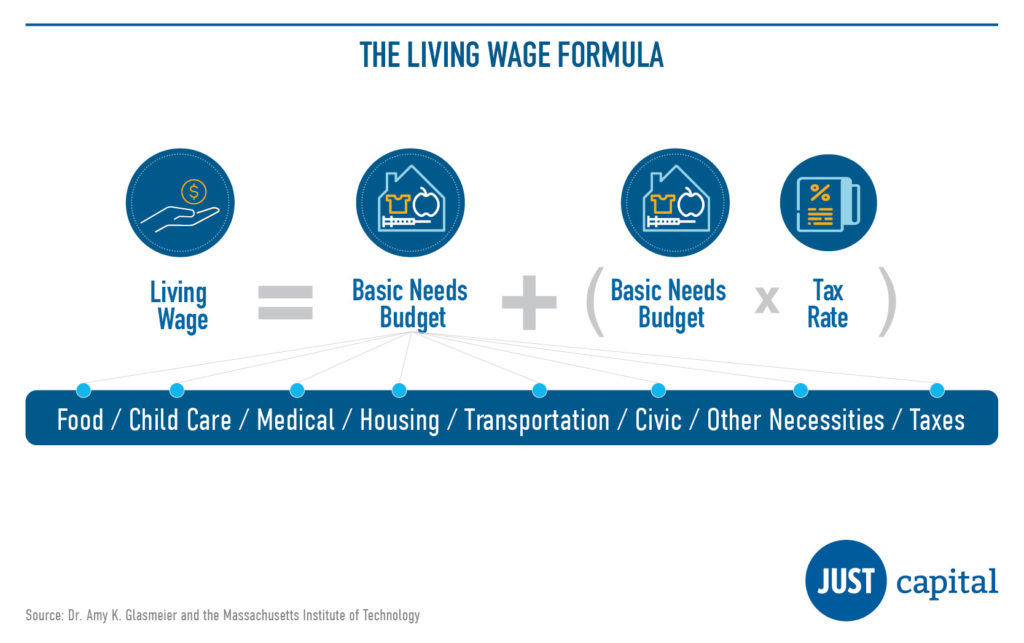
Components of a Living Salary Calculation
Calculating a living salary is a complex endeavor that goes beyond simple averages. It requires a detailed analysis of typical household expenses for a given locale. Key components typically include:
- Housing: This is often the largest single expense. It includes rent or mortgage payments, property taxes, utilities (electricity, heating, water, internet), and basic maintenance. Calculations typically assume a modest, safe dwelling suitable for the household size.
- Food: Adequate, nutritious food for all household members, reflecting average grocery costs rather than relying on food banks or cheaper, less healthy options.
- Healthcare: Health insurance premiums, co-pays, deductibles, prescription costs, and access to necessary medical care, often a substantial and unpredictable expense.
- Transportation: Costs associated with getting to work, school, and other essential appointments. This could include public transit fares, car payments, fuel, insurance, maintenance, and parking.
- Childcare: For families with children, this is frequently the most prohibitive expense, often rivaling or exceeding housing costs. It includes daycare, after-school programs, and other supervisory arrangements.
- Other Essentials: Clothing, personal care items, household supplies, telephone/internet service, and a small buffer for unexpected expenses or emergencies.
- Taxes: Federal, state, and local income taxes, as well as payroll taxes, which reduce net income and must be accounted for.
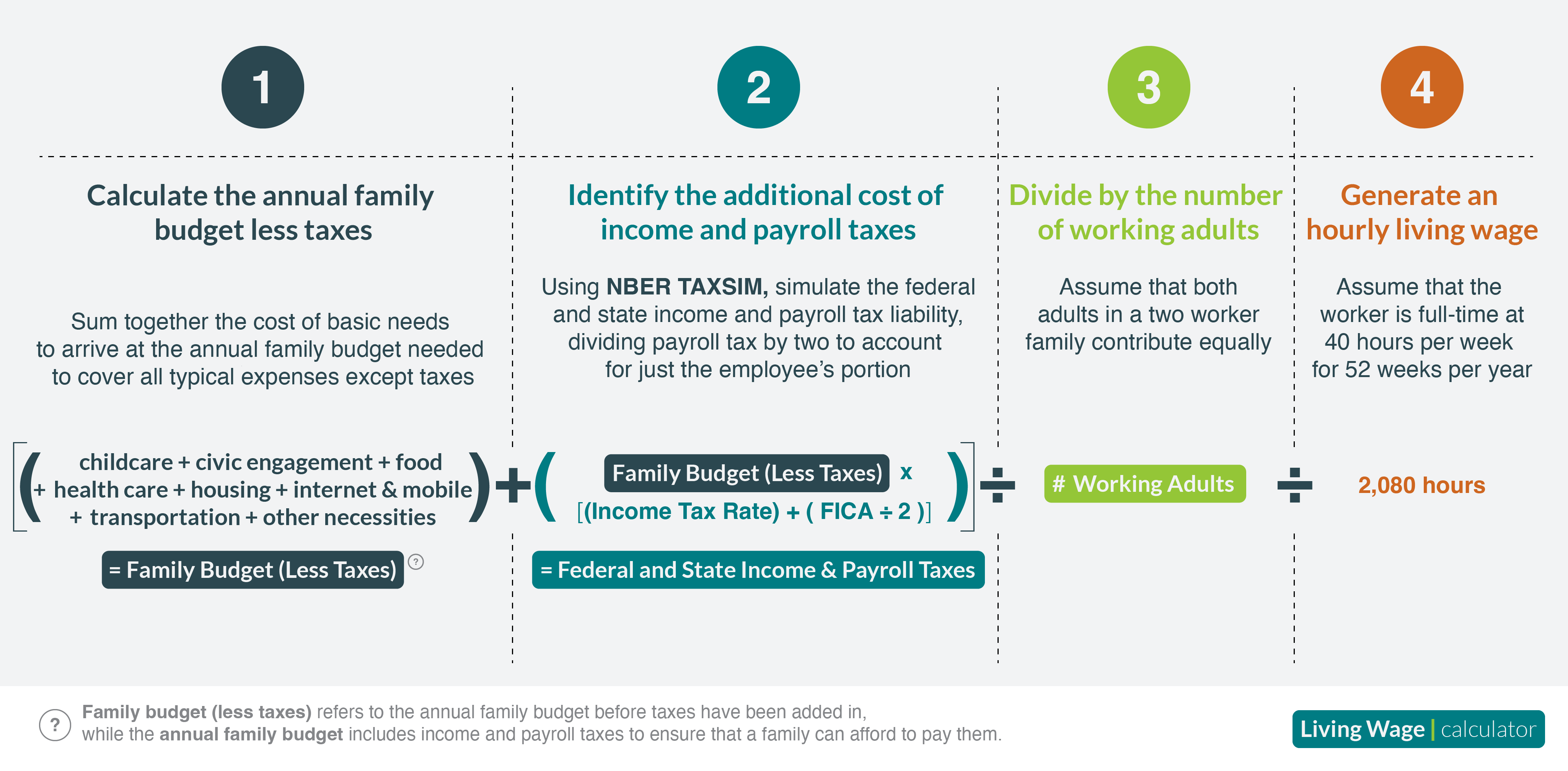
Tools like the MIT Living Wage Calculator meticulously compile these data points for various regions, offering a concrete estimate of what constitutes a living wage for different family compositions across the United States. These calculations often reveal a figure significantly higher than the prevailing minimum wage.
The Cost of Not Earning a Living Salary
The ripple effects of insufficient income extend far beyond the individual’s bank account. Not earning a living salary imposes substantial costs on individuals, families, and society at large:
- Individual Hardship: Chronic financial stress, poor physical and mental health outcomes, food insecurity, housing instability, inability to save for emergencies or retirement, and limited opportunities for personal and professional development.
- Family Strain: Parents working multiple jobs, less time with children, reduced ability to invest in children’s education or well-being, perpetuating cycles of poverty across generations.
- Societal Burden: Increased reliance on public assistance programs (food stamps, Medicaid, housing subsidies), higher healthcare costs due to preventable conditions, reduced tax revenue, and diminished consumer spending that can dampen local economies. A workforce living paycheck to paycheck is less productive, experiences higher turnover, and is less able to contribute meaningfully to innovation and community development.
Understanding these profound implications underscores why the pursuit of a living salary is not merely a matter of economic justice but a fundamental requirement for a healthy, stable, and prosperous society.
The Economic and Social Imperative of a Living Wage
The concept of a living salary transcends individual financial well-being; it forms a cornerstone of a robust economy and an equitable society. When workers earn enough to meet their basic needs, the benefits extend outwards, creating a positive feedback loop that strengthens communities and enhances overall prosperity.
Boosting Local Economies
One of the most immediate and tangible benefits of widespread living salaries is the revitalization of local economies. When individuals have more disposable income, they spend more locally, fueling demand for goods and services. This increased consumer spending directly supports local businesses, from restaurants and retail shops to service providers, leading to higher revenues, job creation, and overall economic growth within the community. A dollar earned as a living wage is more likely to be spent within the local economy than a dollar accrued by the wealthiest, which often circulates in global financial markets. This economic stimulus reduces reliance on public assistance programs, as fewer people require government aid for basic survival, freeing up public funds for other vital services like infrastructure, education, or healthcare.
Enhancing Employee Well-being and Productivity
Employers often view higher wages as a cost, but a growing body of evidence suggests that paying a living salary is a strategic investment that yields significant returns. Employees who earn a living wage experience dramatically reduced financial stress, which is a major contributor to poor health outcomes, absenteeism, and presenteeism (being physically present but mentally disengaged). With less worry about making ends meet, workers can focus better on their tasks, leading to increased productivity, improved job performance, and higher quality of work.
Furthermore, a living wage fosters greater employee loyalty and morale. Companies that pay fairly often see lower employee turnover rates, which translates into substantial savings on recruitment and training costs. Engaged and satisfied employees are more likely to be innovative, provide better customer service, and contribute positively to company culture, creating a more stable and efficient workforce. This often leads to a virtuous cycle where businesses known for fair pay attract top talent, further enhancing their competitive edge.
Fostering Greater Equity and Social Mobility
The implementation of living salaries is a powerful tool for addressing income inequality and promoting social mobility. In many societies, the gap between the highest and lowest earners has grown alarmingly, creating a two-tiered economy where a significant portion of the population struggles to keep pace. By ensuring that all workers earn enough to cover their basic needs, a living salary directly contributes to narrowing this gap, creating a more just and equitable distribution of wealth.
For individuals and families trapped in cycles of poverty, a living salary can be a pathway to upward mobility. It provides the stability necessary to invest in education, skill development, and career advancement. Children growing up in households earning a living wage are more likely to have better health outcomes, achieve higher academic success, and access greater opportunities, breaking intergenerational poverty traps. This creates a society where success is less dictated by one’s starting point and more by effort and talent, reinforcing the principles of fairness and opportunity for all.
In essence, advocating for and implementing living salaries is not just an act of charity or social welfare; it is a pragmatic economic strategy and a moral imperative that underpins the health, stability, and progress of any modern society.
Calculating Your Own Living Salary: A Practical Guide
While generalized living wage calculators offer valuable insights, understanding your personal living salary is a crucial step toward achieving financial stability and setting meaningful income goals. This involves a personalized assessment that goes beyond broad averages to reflect your specific circumstances, location, and aspirations.
Step 1: Assess Your Core Expenses
The foundation of your personal living salary calculation is a meticulous review of your recurring expenses. Categorize these into fixed and variable costs, focusing initially on non-discretionary spending.
- Fixed Expenses: These are costs that typically remain consistent month-to-month.
- Housing: Rent/mortgage, property taxes, homeowner’s/renter’s insurance.
- Utilities: Electricity, gas/heating, water, internet, cell phone.
- Transportation: Car payment, car insurance, public transit passes.
- Debt Payments: Student loan payments, minimum credit card payments (though aiming to pay more is ideal), personal loan payments.
- Insurance: Health, dental, vision, life, disability insurance premiums.
- Variable/Essential Expenses: These fluctuate but are necessary.
- Groceries: A realistic estimate for nutritious food.
- Personal Care: Toiletries, haircuts, basic hygiene.
- Household Supplies: Cleaning products, paper goods.
- Clothing: Budget for essential attire replacement.
- Childcare/Dependents: Daycare costs, school fees, essential supplies for children or other dependents.
- Medical Co-pays/Prescriptions: Average monthly out-of-pocket health costs.
Track your spending for a few months to get an accurate picture. This step is about identifying the bare minimum you need to cover before any luxuries or savings.
Step 2: Factor in Regional Cost of Living
Your geographic location profoundly impacts your living salary. A salary that provides a comfortable life in a rural area might be entirely inadequate in a major metropolitan hub.
- Research Local Costs: Utilize online resources like the MIT Living Wage Calculator (for the U.S.), Numbeo, or local government statistics to get an average cost of living for your city or region. Pay particular attention to housing costs, which are the most significant differentiator.
- Compare and Adjust: Compare your personal expense assessment from Step 1 with regional averages. If your rent is significantly higher or lower than the regional average used in general calculators, adjust your personal living salary calculation accordingly. This step helps validate your numbers against broader economic realities.
Step 3: Account for Savings and Contingencies
A true living salary goes beyond merely breaking even each month. It includes the capacity to save for the future and navigate unexpected challenges. This is where it distinctly differs from a subsistence wage.
- Emergency Fund: Aim to save 3-6 months’ worth of essential living expenses. Your living salary should allow for regular contributions to build and maintain this fund.
- Retirement Savings: Even modest contributions to a 401(k), IRA, or other retirement vehicle are crucial for long-term financial security.
- Healthcare Contingency: Beyond regular premiums and co-pays, budget for potential unforeseen medical expenses not fully covered by insurance.
- Future Goals: Saving for a down payment on a home, a child’s education, or other significant life goals is part of a secure financial future.
Without the ability to save, individuals remain perpetually vulnerable to financial shocks, undermining the very stability a living salary aims to provide.
Step 4: Include Quality of Life Desires
While the core definition of a living salary focuses on necessities, a truly dignified life includes some capacity for discretionary spending and personal development. This isn’t about luxury, but about mental well-being and social engagement.
- Modest Recreation: A small budget for entertainment, hobbies, or dining out occasionally.
- Personal Development: Funds for continuing education, skill-building courses, or books.
- Social Participation: The ability to participate in community events, civic life, or maintain social connections without financial strain.
- Small Luxuries: Things that improve quality of life, such as a subscription service, a gym membership, or occasional travel.
This component transforms a purely survival-oriented budget into one that supports holistic well-being. By meticulously following these steps, you can arrive at a personalized living salary figure that accurately reflects your unique needs and aspirations, providing a clear financial target for your career and personal finance decisions.
Strategies for Achieving and Advocating for a Living Salary
Achieving a living salary, whether for oneself or for a broader community, requires a multi-faceted approach involving personal initiative, corporate responsibility, and systemic policy changes. It’s a goal that demands action on individual, employer, and governmental fronts.
Personal Financial Empowerment
For individuals, the journey towards a living salary often begins with strategic financial management and career development.
- Budgeting and Financial Literacy: Develop a detailed budget based on your calculated living salary. Understand where your money goes and identify areas for optimization. Improve financial literacy to make informed decisions about saving, spending, and debt management.
- Skill Development and Education: Invest in skills that are in demand and can command higher wages. Continuous learning, certifications, or further education can significantly increase earning potential.
- Negotiation Skills: Learn to effectively negotiate your salary and benefits during job applications and annual reviews. Research industry standards and articulate your value to potential or current employers.
- Side Hustles and Online Income: If your primary income falls short, explore legitimate side hustles, freelancing, or online income opportunities to bridge the gap. Leverage existing skills or develop new ones to create additional revenue streams.
- Strategic Career Planning: Focus on industries or roles that are known for paying living wages and offering opportunities for growth. Don’t be afraid to change careers if your current path offers limited financial upward mobility.
Employer Initiatives and Corporate Responsibility
Progressive employers recognize that paying a living wage is not just a cost, but a sound business strategy and a moral imperative.
- Fair Wage Policies: Companies can voluntarily commit to paying all their employees, including contractors, a living wage calculated for their specific locality. This improves employee morale, reduces turnover, and enhances productivity.
- Comprehensive Benefits: Beyond base salary, employers can contribute to a living standard by offering robust benefits packages that cover healthcare, retirement savings, and paid time off, reducing the financial burden on employees.
- Training and Development: Investing in employee training and career development programs helps employees grow their skills and advance within the company, leading to higher earning potential.
- Certification and Recognition: Employers can seek certifications (e.g., “Certified Living Wage Employer”) or join initiatives that publicly commit to and verify their living wage practices, attracting talent and customers who value ethical business. Companies known as B-Corps often prioritize fair compensation as part of their broader social responsibility.
Policy and Advocacy Efforts
Systemic change is often necessary to ensure that a living salary becomes a widespread reality for all workers.
- Minimum Wage Reform: Advocate for federal, state, and local minimum wage increases that are indexed to inflation and tied to regional cost-of-living data, rather than arbitrary figures.
- Strengthening Labor Unions: Unions have historically played a crucial role in advocating for better wages, benefits, and working conditions. Supporting labor organizing efforts can lead to collective bargaining agreements that include living wage provisions.
- Support for Social Safety Nets: While a living salary aims to reduce reliance on assistance, robust social safety nets (affordable housing, universal healthcare, quality public education, childcare subsidies) remain vital complements, especially for those unable to work or during economic downturns.
- Consumer Choices and Public Pressure: Consumers can play a role by supporting businesses that are known to pay living wages and by boycotting those that engage in exploitative labor practices. Public awareness campaigns and grassroots advocacy can exert pressure on policymakers and corporations.
- Economic Research and Data: Support organizations that conduct research and provide data on living wage requirements, helping to inform policy decisions and public discourse.
Achieving a living salary requires a collective commitment. Individuals must be empowered to pursue better financial outcomes, employers must recognize the long-term benefits of fair compensation, and governments must enact policies that support economic justice for all.
The Future of Work and the Living Salary Debate
As global economies continue to evolve at an unprecedented pace, driven by technological advancements, shifting labor markets, and new economic models, the debate around what constitutes and ensures a living salary remains more pertinent than ever. The future of work presents both opportunities and significant challenges to achieving universal financial dignity.
Automation, Gig Economy, and Wage Stagnation
The rise of automation and artificial intelligence is fundamentally reshaping industries, potentially displacing jobs that once provided stable, middle-class incomes. While new jobs emerge, they often require different skill sets, leading to a potential mismatch in the labor market. Concurrently, the proliferation of the gig economy offers flexibility but often comes at the cost of job security, benefits, and consistent living wages. Gig workers frequently contend with unpredictable income, lack of employer-provided benefits like health insurance or retirement plans, and the burden of self-employment taxes, making it exceedingly difficult to achieve a stable living salary.
Adding to these challenges is the persistent issue of wage stagnation for many workers, particularly those in entry-level or service-sector roles. Despite increases in productivity and corporate profits over recent decades, real wages for a significant portion of the workforce have failed to keep pace with the rising cost of living, particularly in essential areas like housing, healthcare, and education. This creates a growing disconnect between economic output and individual financial well-being, exacerbating the need for a robust discussion on living salaries.
Universal Basic Income (UBI) and Other Potential Solutions
In light of these future challenges, alternative economic models are gaining traction as potential solutions to ensure a baseline living standard for all citizens. Universal Basic Income (UBI) is one such proposal, suggesting that all citizens should receive a regular, unconditional cash payment from the government, sufficient to cover basic living expenses. Proponents argue UBI could provide a safety net against automation-induced job displacement, reduce poverty, improve public health, and offer individuals the freedom to pursue education, caregiving, or entrepreneurial endeavors without financial duress. While pilot programs have shown promising results, the logistical and economic feasibility of a widespread UBI system remains a subject of intense debate.
Other potential solutions include:
- Sectoral Bargaining: Strengthening unions to negotiate wages and benefits across entire industries, not just individual companies, to set higher standards for all workers.
- Portable Benefits: Creating systems where benefits like health insurance, retirement savings, and paid time off are tied to the worker, not the employer, making them transferable across jobs, particularly for gig workers.
- Progressive Tax Reform: Adjusting tax structures to ensure that corporations and the wealthiest individuals contribute their fair share, providing public funds for social safety nets and infrastructure that supports economic opportunity.
- Investment in Education and Retraining: Government and industry partnerships to fund accessible, high-quality education and retraining programs that equip workers with the skills needed for the jobs of the future.
A Call for Collective Responsibility
Ultimately, the future of the living salary debate is a call for collective responsibility. Governments must adapt their policies to regulate new forms of work, protect vulnerable populations, and ensure that economic growth translates into widespread prosperity. Businesses have a critical role in adopting ethical labor practices, investing in their workforces, and recognizing that fair wages are a foundational element of sustainable success. Individuals, too, must be active participants, advocating for their rights, investing in their own development, and making informed choices as consumers and citizens.
The concept of a living salary is not merely a theoretical construct; it is a fundamental human right to live with dignity and security. As we navigate the complexities of the 21st century, ensuring that every worker can earn a living salary will be paramount to building resilient economies, fostering equitable societies, and securing a prosperous future for all.
In conclusion, a living salary is not just an arbitrary income level; it is a meticulously calculated benchmark representing the minimum earnings required for a dignified existence in a specific locale. It encompasses essentials like housing, food, healthcare, transportation, and childcare, along with the capacity for savings and modest discretionary spending. Beyond individual well-being, the widespread attainment of living salaries serves as a powerful catalyst for robust local economies, enhanced employee productivity, and greater social equity. While individuals can pursue financial empowerment through skill development and astute budgeting, the broader realization of living salaries necessitates a concerted effort from employers, through fair wage policies and comprehensive benefits, and from governments, via progressive legislation and robust social safety nets. As we navigate the evolving landscape of work, marked by automation and the gig economy, the imperative to ensure a living wage for all remains a defining challenge—one that calls for collective responsibility and innovative solutions to build a future where every individual can thrive, not just survive.
aViewFromTheCave is a participant in the Amazon Services LLC Associates Program, an affiliate advertising program designed to provide a means for sites to earn advertising fees by advertising and linking to Amazon.com. Amazon, the Amazon logo, AmazonSupply, and the AmazonSupply logo are trademarks of Amazon.com, Inc. or its affiliates. As an Amazon Associate we earn affiliate commissions from qualifying purchases.