
The concept of a “livable wage” is more than just a buzzword; it’s a fundamental cornerstone of economic well-being, personal security, and societal stability. While often discussed in the context of policy debates and ethical considerations, understanding what constitutes a livable wage is crucial for individuals navigating their financial lives, businesses striving for responsible practices, and policymakers aiming to foster equitable economies. At its core, a livable wage represents the minimum income necessary for a worker to meet their basic needs and participate in society with dignity, without having to rely on government assistance or work multiple jobs to survive. It’s about ensuring that hard work translates into a decent quality of life, not just a precarious existence.

The debate around livable wages often arises when minimum wage discussions fall short. The federal minimum wage in many countries, including the United States, has not kept pace with the rising cost of living, leaving many full-time workers struggling to afford essentials. A livable wage, therefore, acknowledges this gap and aims to set a more realistic and humane benchmark for compensation. It moves beyond a purely nominal figure to one that is context-specific, considering the actual expenses individuals and families face in a particular geographic location. This article will delve into the intricacies of defining a livable wage, explore the factors that influence its calculation, discuss its profound implications for individuals and the broader economy, and examine the ongoing debates and efforts to implement it.
Defining the Livable Wage: Beyond the Minimum
The distinction between a minimum wage and a livable wage is critical. The minimum wage is a legally mandated lowest hourly rate that employers can pay their workers. It is often a political compromise, influenced by a variety of economic and social factors, and may not be sufficient to cover the basic costs of living in many areas. A livable wage, on the other hand, is an aspirational figure rooted in the actual cost of essential goods and services required to maintain a basic but decent standard of living. It’s a measure of economic justice that seeks to ensure workers can afford housing, food, healthcare, transportation, childcare, and other necessities without undue financial strain.
The Cost of Living Calculation
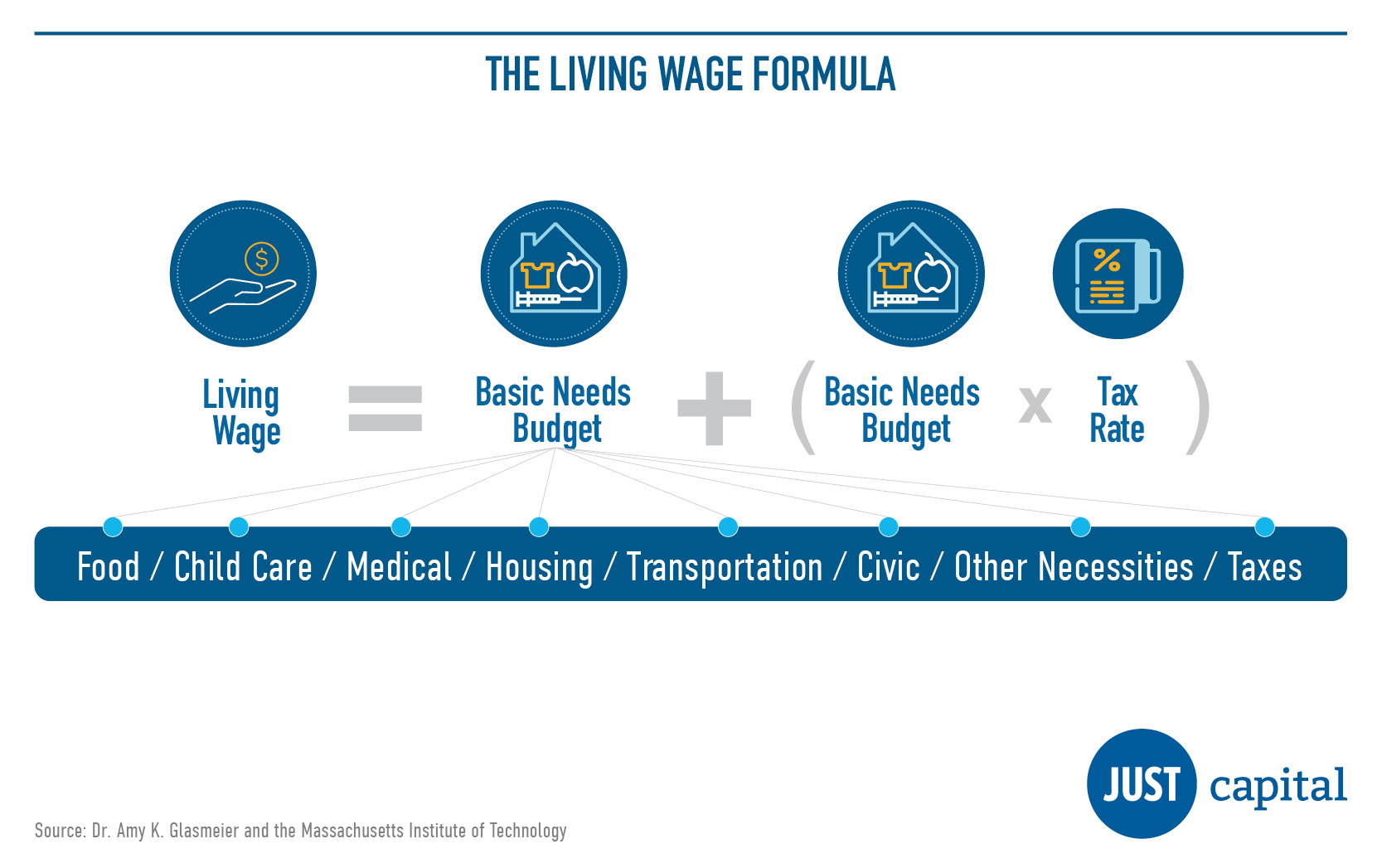
The most fundamental element in determining a livable wage is a thorough and accurate calculation of the cost of living in a specific region. This is not a one-size-fits-all metric. The expenses for a single individual in a low-cost rural area will differ significantly from those of a family of four in an expensive urban center. Key components of this calculation include:
- Housing: This is often the largest single expense. It includes rent or mortgage payments, property taxes, utilities (electricity, gas, water, internet), and basic home maintenance. The cost of housing can vary dramatically based on location, the size and type of dwelling, and local market conditions.
- Food: This encompasses the cost of groceries for a healthy diet. It considers the nutritional needs of individuals and families, taking into account varying household sizes and dietary requirements.
- Healthcare: This includes health insurance premiums, co-pays, deductibles, prescription medications, and other medical expenses. Access to affordable healthcare is a significant factor in overall financial well-being.
- Transportation: This covers the costs associated with getting to work and around town. It includes car payments, insurance, fuel, maintenance, public transportation fares, or bike maintenance.
- Childcare: For families with children, childcare is a substantial expense, particularly for working parents. The cost of daycare, preschool, or after-school programs can be a major budgetary item.
- Taxes: Federal, state, and local income taxes, as well as payroll taxes, must be factored into the net income available to workers.
- Other Necessities: This category includes essential items such as clothing, personal hygiene products, basic household supplies, and communication costs (phone bills).
- Contingency and Savings: A truly livable wage should also allow for a modest buffer for unexpected expenses (e.g., car repairs, medical emergencies) and some level of savings for future goals, such as education or retirement, even if it’s just a small amount.
Beyond Basic Needs: Dignity and Participation
A livable wage isn’t solely about survival; it’s about enabling individuals to participate meaningfully in society. This means having enough discretionary income to:
- Engage in community activities: Participating in local events, cultural activities, or even just having the occasional social outing contributes to mental well-being and social connection.
- Pursue education or training: The ability to invest in oneself through further education or vocational training is crucial for career advancement and long-term earning potential.
- Maintain personal well-being: This includes having access to recreational activities, hobbies, and the time and resources to manage stress and maintain physical and mental health.
- Save for emergencies and future goals: Financial security is built on the ability to weather unexpected storms and plan for the future. A livable wage allows for a degree of financial resilience.
The Economic and Social Implications of a Livable Wage
The implementation and impact of a livable wage extend far beyond individual paychecks. It has profound implications for businesses, communities, and the overall economy, influencing consumer spending, labor markets, and social equity.
Impacts on Businesses
For businesses, the prospect of paying a livable wage can present both challenges and opportunities.
- Increased Labor Costs: The most immediate impact for employers is the potential increase in their payroll expenses. This can be particularly challenging for small businesses operating on thin margins.
- Improved Employee Morale and Productivity: When employees feel valued and are not struggling to make ends meet, their morale, job satisfaction, and loyalty tend to increase. This can lead to higher productivity, reduced absenteeism, and lower employee turnover, which in turn can save businesses money on recruitment and training.
- Enhanced Reputation and Brand Image: Companies that commit to paying a livable wage often gain a positive reputation among consumers and potential employees. This can strengthen their brand identity and attract socially conscious customers and talent.
- Potential for Price Adjustments or Efficiency Gains: To absorb increased labor costs, businesses may need to consider price adjustments for their goods and services, seek out operational efficiencies, or invest in technology to boost productivity.
Effects on Consumers and Communities
A livable wage can significantly uplift individuals and strengthen communities.
- Increased Consumer Spending: When workers earn enough to cover their basic needs and have some discretionary income, they are more likely to spend money on goods and services within their local economies. This increased demand can stimulate business growth and create jobs.
- Reduced Poverty and Inequality: A livable wage is a direct tool for combating poverty. By ensuring that full-time work lifts individuals out of destitution, it can reduce reliance on public assistance programs and narrow the gap between the highest and lowest earners.
- Improved Public Health: Financial stress is a significant contributor to poor health outcomes. When individuals are not constantly worried about making ends meet, they tend to experience less stress, have better access to healthcare, and can afford healthier food options, leading to improved overall public health.
- Stronger Local Economies: As residents have more disposable income, they are more likely to support local businesses, fostering vibrant community economies. This can lead to greater investment in local infrastructure and services.
Broader Economic Considerations
The adoption of livable wage policies can also shape the broader economic landscape.
- Stimulated Economic Growth: An increase in the purchasing power of a significant portion of the population can act as a powerful economic stimulus.
- Reduced Social Welfare Costs: As more individuals earn sufficient income to support themselves and their families, the demand for government assistance programs like food stamps, housing subsidies, and welfare payments may decrease, potentially leading to savings for taxpayers.
- Shifts in Labor Market Dynamics: The push for livable wages can encourage businesses to invest in worker training and development to increase productivity, offsetting higher labor costs. It can also incentivize automation for tasks that become prohibitively expensive to staff.
Debates and Implementation Strategies
The concept of a livable wage, while intuitively appealing, is not without its complexities and controversies. Debates often center on the specifics of calculation, the scope of its application, and the most effective methods for implementation.
Varying Calculation Methodologies
One of the primary challenges in establishing a universally accepted livable wage is the diversity in how it is calculated. Different organizations and researchers use varying methodologies, leading to a range of figures. Some common approaches include:
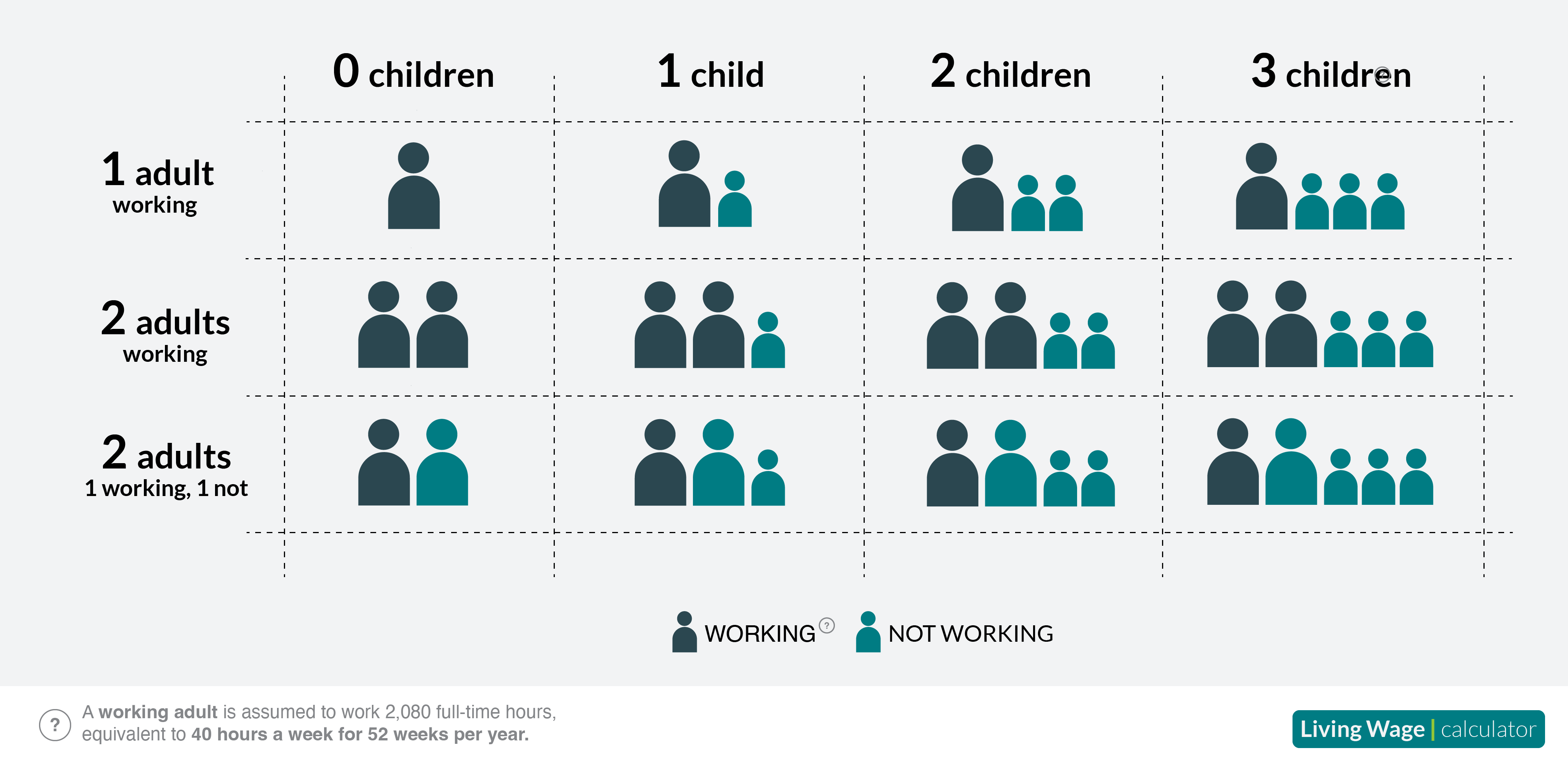
- MIT Living Wage Calculator: This widely cited tool uses data on local costs of living to estimate the hourly wage needed for a family to meet basic needs in a given county. It typically focuses on a single adult, a single parent with one child, and two working parents with two children.
- Basic Needs Budgets: This approach involves constructing a hypothetical budget of essential goods and services for different household types and then calculating the income required to afford that budget.
- Percentage of Median Income: Some proposals suggest that a livable wage should be a certain percentage of the local median income, aiming to ensure that low-wage workers are not falling too far behind the economic well-being of their peers.
Each methodology has its strengths and weaknesses, and the choice of method can significantly impact the calculated livable wage.
Policy and Advocacy Efforts
Numerous organizations and advocacy groups are actively campaigning for livable wages. These efforts often involve:
- Raising Public Awareness: Educating the public about the realities of low wages and the importance of a livable income is a key component.
- Lobbying for Legislation: Advocacy groups push for policies at local, state, and national levels that mandate higher minimum wages, establish living wage ordinances for government contractors, or create incentives for businesses to pay livable wages.
- Corporate Campaigns: These efforts target specific companies, urging them to voluntarily increase their employees’ wages to a livable level.
- Research and Data Collection: Ongoing research into the cost of living and the economic impacts of wage policies provides the data necessary to support these campaigns.
Challenges and Criticisms
Despite the growing support for livable wages, there are also challenges and criticisms to consider:
- Economic Feasibility for Businesses: Critics argue that mandating significantly higher wages could lead to job losses, reduced hiring, and increased prices for consumers, particularly for small businesses.
- Defining “Basic Needs”: There can be subjective differences in what constitutes “basic needs” and a “decent standard of living.”
- Geographic Disparities: Implementing a uniform livable wage across a large region or country can be difficult due to vast differences in the cost of living.
- Potential for Inflation: If wages rise significantly across the board, there’s a concern that businesses might pass these costs onto consumers, leading to inflation that erodes the purchasing power of the increased wages.
However, proponents argue that the long-term benefits of a more equitable distribution of wealth, reduced poverty, and increased consumer spending outweigh these potential drawbacks. They also point to studies suggesting that moderate increases in minimum wages have had minimal negative impacts on employment.
The Path Forward: Towards Economic Security
The pursuit of a livable wage is an ongoing journey, driven by a growing recognition that economic security is not a luxury but a necessity for individual well-being and societal progress. It requires a multifaceted approach that involves informed policy decisions, responsible business practices, and continued public discourse.
The Role of Government and Policy
Government plays a pivotal role in shaping the landscape of wages and ensuring a baseline of economic security for its citizens. Policy interventions can take various forms:
- Raising the Minimum Wage: While not always a direct proxy for a livable wage, regularly increasing the minimum wage to reflect inflation and the cost of living is a crucial step. Indexing the minimum wage to inflation can prevent its erosion over time.
- Living Wage Ordinances: Many cities and local governments have enacted living wage ordinances, particularly for businesses that contract with the government. These ordinances require these employers to pay their workers a wage that meets or exceeds a specified living wage standard.
- Tax Credits and Subsidies: Policies such as the Earned Income Tax Credit (EITC) in the United States provide a wage supplement for low-income workers, effectively boosting their take-home pay. Expanding such programs can offer a pathway to greater financial stability.
- Investment in Affordable Housing and Services: Addressing the high cost of essential services like housing and healthcare can indirectly contribute to making lower wages more livable. Government investment in affordable housing initiatives and policies to control healthcare costs are vital.
- Support for Unionization: Strong labor unions have historically played a significant role in advocating for fair wages and improved working conditions. Policies that support the right to organize can empower workers to negotiate for better compensation.
Corporate Responsibility and Ethical Business Practices
Businesses have a significant role to play in creating an economy where work provides a pathway to a decent life. Embracing livable wage principles is not just an ethical imperative but can also be a strategic advantage.
- Voluntary Wage Increases: Many companies are voluntarily adopting livable wage policies, recognizing the benefits of a more stable, motivated, and productive workforce.
- Investing in Employee Development: Beyond wages, investing in employee training, skill development, and career advancement opportunities helps workers earn more over time, contributing to their long-term economic security.
- Transparency in Compensation: Being transparent about wage structures and compensation policies can build trust and demonstrate a commitment to fair pay.
- Advocating for Supportive Policies: Businesses can also advocate for public policies that support livable wages and create a more equitable economic playing field.
Individual Empowerment and Financial Literacy
While external factors are critical, individuals also play a role in their own financial well-being.
- Financial Literacy and Budgeting: Developing strong financial literacy skills, including effective budgeting and money management, is essential for making the most of any income.
- Skill Development and Education: Continuously investing in one’s education and skills can lead to higher-paying job opportunities and greater career mobility.
- Advocacy and Engagement: Staying informed about wage policies, participating in community discussions, and supporting organizations that advocate for livable wages empower individuals to contribute to broader change.
Ultimately, the concept of a livable wage is a call for a more just and sustainable economy where everyone who works full-time can afford to live with dignity, contribute to their communities, and build a secure future. It’s a recognition that the value of labor extends beyond mere market forces to encompass the fundamental human right to a life free from poverty and deprivation. The ongoing pursuit of a livable wage is an investment in individuals, in families, and in the collective prosperity of society.
aViewFromTheCave is a participant in the Amazon Services LLC Associates Program, an affiliate advertising program designed to provide a means for sites to earn advertising fees by advertising and linking to Amazon.com. Amazon, the Amazon logo, AmazonSupply, and the AmazonSupply logo are trademarks of Amazon.com, Inc. or its affiliates. As an Amazon Associate we earn affiliate commissions from qualifying purchases.