
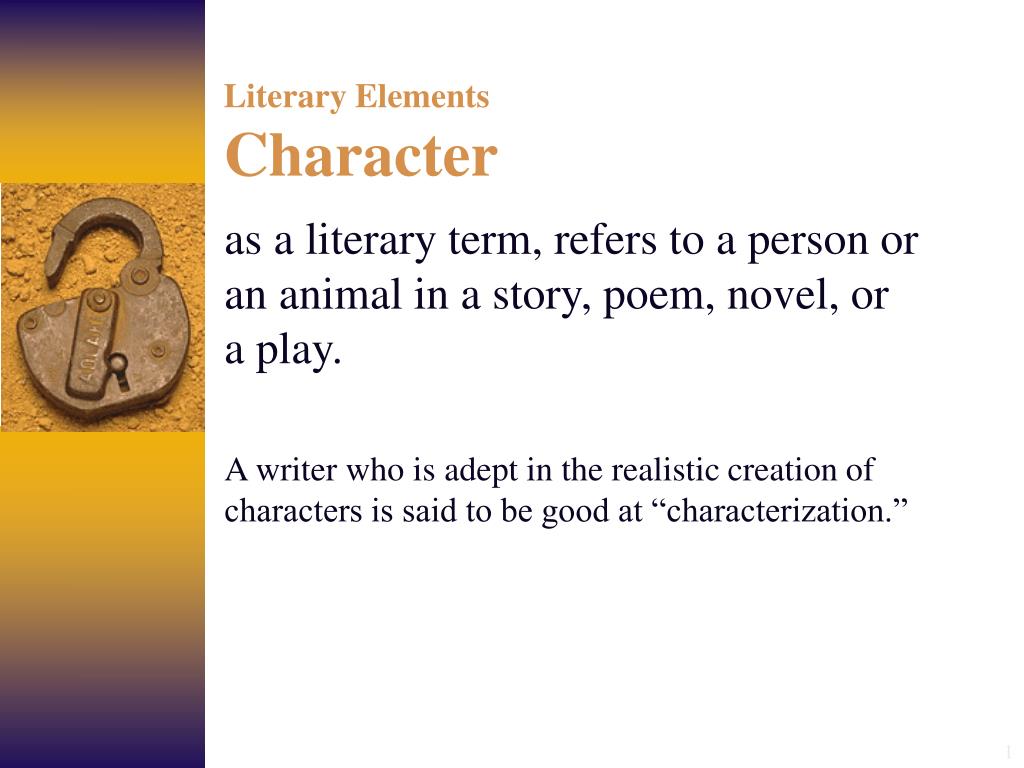
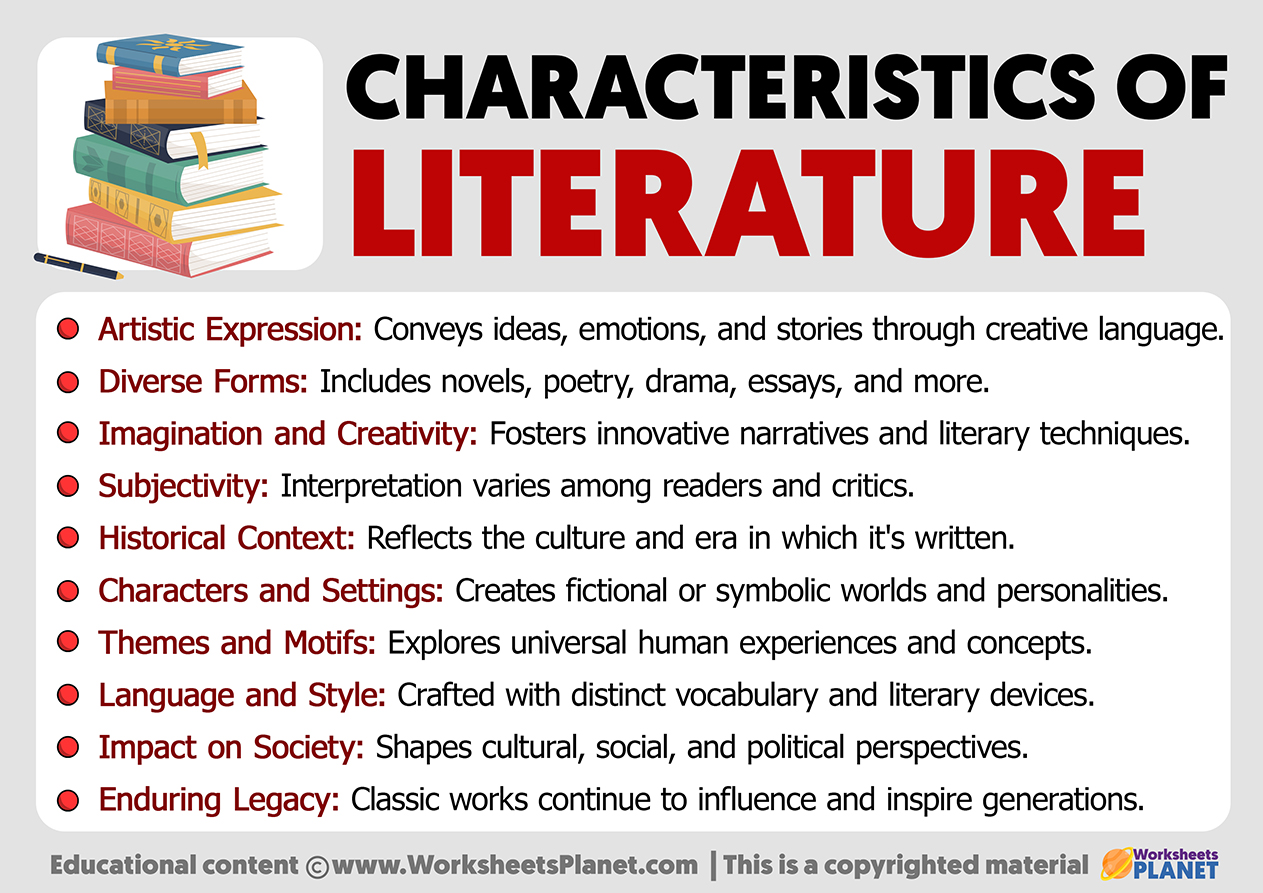
In the realm of brand strategy, the most resonant companies are not merely selling products; they are narrating stories. To craft a compelling corporate identity, marketers must look toward the principles of literary theory. A literary character is defined by a specific set of internal contradictions, motivations, and consistent behaviors that allow an audience to form an emotional connection. When applied to brand management, these characters become the bedrock of customer loyalty, allowing a company to transition from a faceless vendor to a relatable entity. Understanding the anatomy of a character is the first step toward building a brand that survives in a saturated market.

The Psychology of the Persona
At its core, a character is the synthesis of desire and obstacle. In literature, a protagonist is driven by a need—whether it is justice, discovery, or survival—and is constantly pushed against by external or internal forces. In branding, this “character” is your brand identity. It is the manifestation of what your company stands for, how it speaks, and why it exists.
Defining Core Motivation
Before a brand can project its voice, it must understand its primary “objective.” Just as a character like Sherlock Holmes is driven by the intellectual pursuit of truth, a brand like Patagonia is driven by the preservation of the natural world. This objective must be singular and immovable. When a brand loses track of its central motivation, it experiences “character drift,” where marketing messages become diluted and lose their power to attract the target audience. To define this, ask: If your brand were a person, what would be the single thing they are fighting for?
The Necessity of Internal Conflict
A flat character is boring. A compelling character, however, possesses depth through tension. This might be a brand that positions itself as both accessible and luxury, or traditional yet revolutionary. This tension creates a “human” quality that customers can empathize with. By acknowledging the challenges of your industry rather than glossing over them, your brand adopts the persona of an honest, relatable hero—a character that audiences root for rather than one they simply purchase from.
Mapping Archetypes to Corporate Identity
Carl Jung’s theory of archetypes is the bridge between human psychology and brand positioning. By aligning your corporate entity with a recognized literary archetype, you provide consumers with an instant, subconscious framework for understanding who you are and what you can do for them.
The Explorer vs. The Caregiver
Every brand must decide which archetype it inhabits. An Explorer brand, such as The North Face, promises freedom, discovery, and self-actualization. Its character is rugged, curious, and restless. In contrast, a Caregiver brand, like Johnson & Johnson, promises safety, compassion, and support. These are two distinct “literary characters” that require entirely different linguistic styles, visual aesthetics, and customer service protocols.
The Rebel and The Sage
Some brands thrive by disrupting the status quo. The Rebel archetype, popularized by brands like Harley-Davidson or early Apple, thrives on conflict and non-conformity. Conversely, the Sage archetype—think Google or The New York Times—positions itself as the keeper of knowledge and wisdom. Choosing an archetype is not merely a marketing exercise; it is the act of casting your brand in a role that your audience expects you to play consistently. When a brand deviates from its archetype, the audience experiences a dissonance that often leads to a decline in brand trust.
The Arc of the Brand Narrative
A literary character does not remain static; they undergo a development arc. Similarly, a brand must demonstrate growth and adaptation without compromising its core essence. This is where the concept of “brand storytelling” becomes essential.
Consistency Through Voice and Tone
In fiction, if a character suddenly changes their speech patterns without a narrative reason, the reader stops believing in them. Your brand’s voice—its tone, syntax, and vocabulary—must be as consistent as that of a classic protagonist. If your brand is a “Sage,” your copy should be authoritative, clear, and nuanced. If your brand is a “Rebel,” your language should be punchy, provocative, and perhaps irreverent. This consistency is what builds “brand equity,” the intangible value that results from the audience knowing exactly what to expect from you.
Evolution vs. Betrayal
A character can grow, but they cannot betray their nature. As a business expands, it may launch new products or enter new markets. However, to maintain its status as a trusted brand, these expansions must be logical evolutions of the character. When a brand moves into a territory that contradicts its established “character,” it risks alienating its loyal fanbase. A brand story should unfold like a serialized novel, where each new product launch or campaign is a new chapter that deepens the existing relationship with the customer rather than starting an entirely new story.
The Reader’s Perspective: Audience as Character
In literature, the story only exists when it is read. In branding, your customer is not just the recipient of the message; they are the “co-protagonist.” Your brand’s role is that of the mentor or the enabler, helping the customer complete their own personal hero’s journey.
The Brand as the Enabler
Great literary characters often act as catalysts for the development of others. Think of Obi-Wan Kenobi or Gandalf—these characters exist to help the protagonist achieve their goal. Successful brands recognize that the customer is the hero of the story. Your brand is not the protagonist; you are the guide. By positioning your brand as the tool, the wisdom, or the support system that helps the customer achieve their aspirations, you align your corporate identity with the customer’s self-interest.
Emotional Resonance and Loyalty
When a brand successfully defines its character, it fosters an emotional bond that transcends utility. Consumers do not just buy a product; they buy into a character. They become invested in your brand’s “story.” This is the highest form of brand loyalty. It is the reason people wait in lines for new technology or wear logos as badges of identity. They have adopted your brand’s character as part of their own self-expression. By understanding that a brand is essentially a literary character, you move beyond the transaction and into the territory of relationship-building.
The takeaway for any strategist is clear: if you want to leave an indelible mark, you must be intentional about the character you are building. You are writing a narrative every day through your marketing, your design choices, and your business decisions. Treat that narrative with the same rigor as a novelist treats a protagonist, and your brand will possess the depth, consistency, and resonance required to endure.
aViewFromTheCave is a participant in the Amazon Services LLC Associates Program, an affiliate advertising program designed to provide a means for sites to earn advertising fees by advertising and linking to Amazon.com. Amazon, the Amazon logo, AmazonSupply, and the AmazonSupply logo are trademarks of Amazon.com, Inc. or its affiliates. As an Amazon Associate we earn affiliate commissions from qualifying purchases.