
The relentless power of lightning strikes poses a significant threat to critical infrastructure, sensitive electronic equipment, and human safety. While traditional lightning rods have served as foundational protection for centuries, modern architectural complexity, expansive facilities, and the ubiquity of integrated digital systems demand more sophisticated, area-wide solutions. Among these advanced technological approaches, the lightning protection catenary system stands out as an engineered marvel, designed to intercept and safely channel lightning currents away from vulnerable assets. It represents a sophisticated application of electrical engineering principles and material science, offering a robust shield against nature’s most dramatic electrical phenomenon.
The Imperative of Advanced Lightning Protection Technology
Lightning is a discharge of static electricity that builds up in storm clouds, capable of carrying currents exceeding 200,000 amperes and generating temperatures hotter than the surface of the sun. The direct and indirect effects of a lightning strike can be catastrophic, ranging from physical damage and structural fires to devastating electrical surges that destroy sensitive electronics, disrupt operations, and compromise data integrity. For facilities housing critical technology—data centers, power plants, manufacturing hubs, or even expansive outdoor venues—a direct strike can translate into substantial financial losses, operational downtime, and potential safety hazards.
Traditional lightning rods, or air terminals, are effective for protecting discrete points on a structure. However, their zone of protection is typically conical, limiting their efficacy for wide areas, irregularly shaped buildings, or open-air facilities where multiple vulnerable points exist across a broad footprint. This limitation has driven the development of more comprehensive protection technologies, with catenary systems emerging as a highly effective, non-intrusive solution for complex environments. As technology advances and infrastructure becomes more interconnected, the precision and coverage offered by such systems become indispensable components of a robust digital and physical security strategy.
Deconstructing the Catenary System: An Engineering Marvel
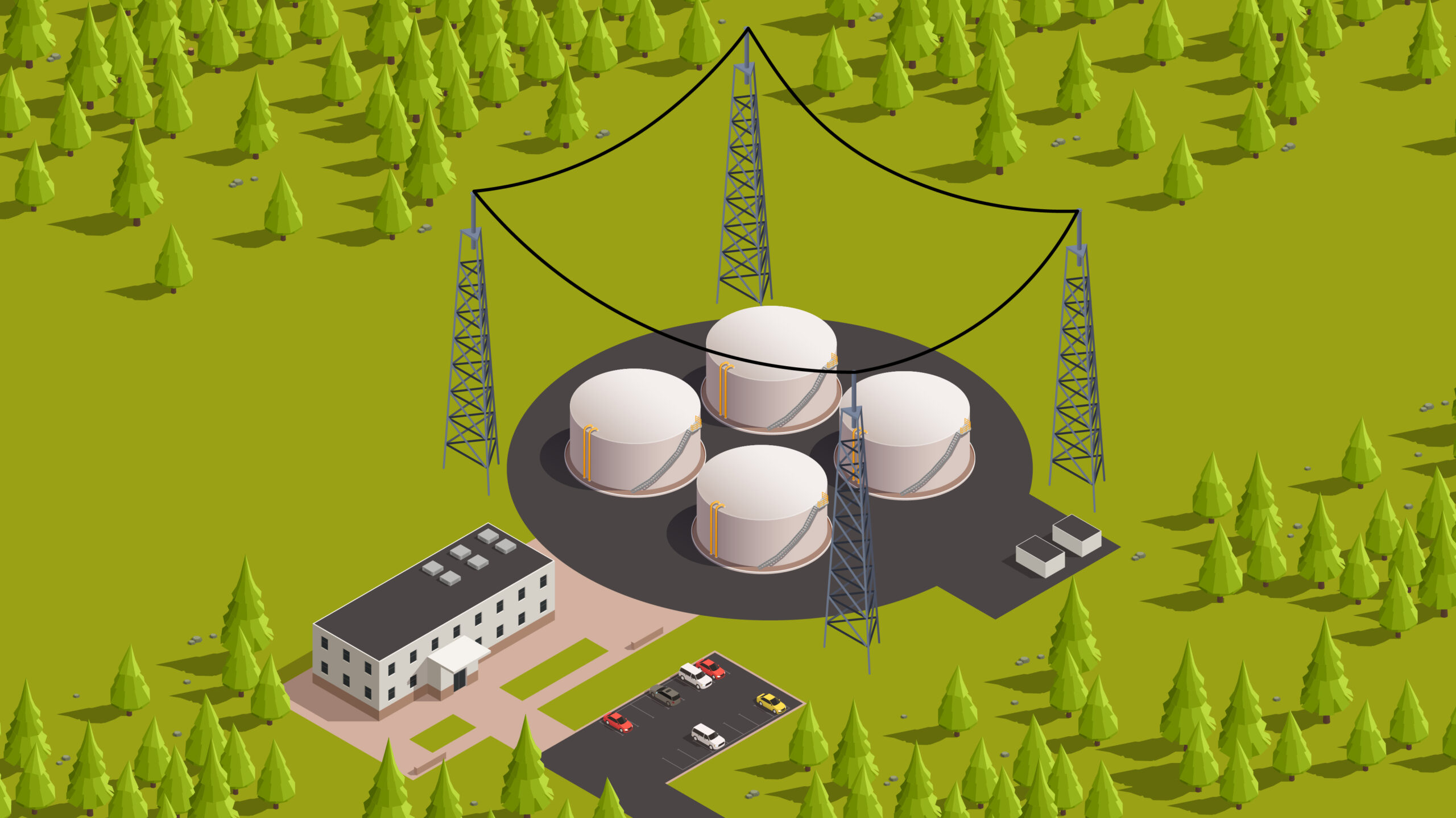
At its core, a lightning protection catenary system functions by creating an overhead protective mesh or array of suspended conductors, designed to intercept lightning strikes before they can reach the protected structure or area below. The term “catenary” refers to the specific curve that a freely hanging chain or cable assumes under its own weight when supported only at its ends. In lightning protection, this principle is adapted to tensioned cables, forming a protective “cage” or shield.
Principles of Operation
The operational effectiveness of a catenary system hinges on several key electrical and physical principles:
- Strike Interception: The system provides multiple elevated points or lines of interception, drawing lightning strikes to the conductor system rather than the assets below. This is based on the principle that lightning tends to strike the highest and best-grounded points in its vicinity.
- Faraday Cage Concept: While not a complete enclosure, a catenary system effectively creates a partial Faraday cage over the protected area. A Faraday cage works by channeling electrical charge around the exterior of a structure, preventing it from penetrating the interior. The network of conductors acts as a preferential path for lightning current, safely diverting it away.
- Path of Least Resistance: Once intercepted, the lightning current follows the low-impedance path provided by the conductors, down through dedicated downconductors, and safely into the earth via grounding electrodes. This rapid and controlled dissipation prevents damage to the protected structure.
Material Science and Design Considerations
The materials and design choices for a catenary system are critical for its long-term performance and reliability. Conductors are typically made from highly conductive and corrosion-resistant materials such as copper, copper-clad steel, or stainless steel. These materials ensure minimal resistance to lightning current and withstand environmental exposure.
Structural supports, such as masts or poles, must be robust enough to withstand significant wind loads, ice accumulation, and the immense mechanical forces generated by a lightning strike. The tensioning mechanisms for the cables are also engineered to maintain the precise sag and spatial arrangement necessary for optimal protection coverage, often using specialized insulators and tensioners to prevent sag-related compromise over time. The entire system is meticulously designed to meet stringent international standards (e.g., NFPA 780, IEC 62305) which dictate minimum conductor sizes, air terminal placement, downconductor routing, and grounding resistance requirements.
Key Technological Components and System Architecture
A complete lightning protection catenary system is an integrated network of specialized technological components working in concert. Understanding these elements is crucial to appreciating the system’s robustness.
Air Terminals and Elevated Conductors
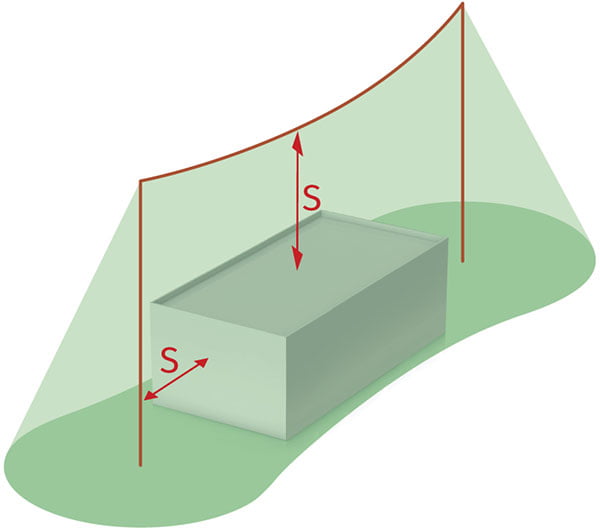
The primary components are the air terminals (often simple rods) and the elevated conductors (cables or wires) themselves. These are strategically positioned to create a protective “envelope” over the area to be safeguarded. The height of these conductors above the protected zone, and the spacing between them, are determined by complex calculations involving the “rolling sphere” method or other electrogeometric models. These models predict the likely strike points of lightning based on its electric field characteristics and the geometry of the protected structures.
Support Structures and Tensioning Systems
Towers, masts, or existing structural elements are employed to elevate and suspend the conductors. These supports are typically non-conductive or properly isolated to ensure the lightning current only travels along the intended path. Robust tensioning systems, utilizing clamps, insulators, and guy wires, maintain the necessary mechanical integrity and specific sag profiles of the catenary cables. Advanced engineering software is often used to model wind loads, cable tensions, and potential deflections to ensure the structural stability of the entire assembly under various environmental conditions.
Downconductors and Grounding Electrodes
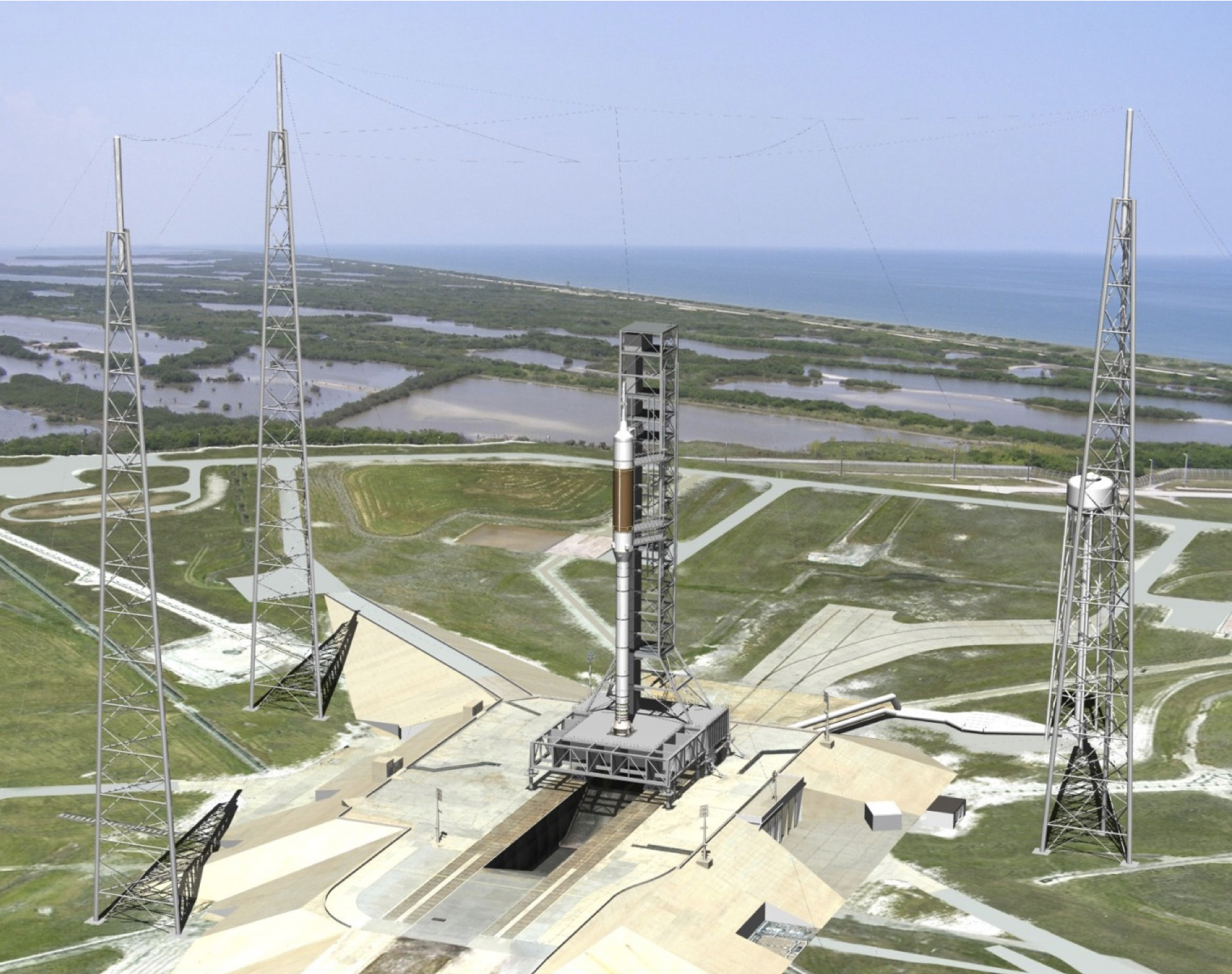
Once lightning is intercepted, downconductors provide the low-impedance path from the elevated cables to the grounding system. These are typically heavy-gauge copper or aluminum conductors routed as directly as possible to the earth, minimizing bends and loops that could introduce inductive impedance and increase voltage surges.
The grounding electrode system is the final, critical link. It consists of rods, plates, or mesh buried in the earth, designed to safely dissipate the enormous energy of the lightning current into the ground. The effectiveness of the grounding system is measured by its earth resistance, which must be very low to ensure rapid and complete dissipation without hazardous voltage rise. Specialized earth enhancement materials and interconnected ground grids are often deployed to achieve the required low resistance in challenging soil conditions.
Surge Protection Devices (SPDs)
While a catenary system protects against direct strikes, indirect effects like electromagnetic pulses (EMP) and ground potential rise can still induce damaging surges in power lines and data cables. Therefore, a comprehensive system often integrates Surge Protection Devices (SPDs) at the service entrance and within critical equipment panels. SPDs divert transient overvoltages away from sensitive electronics, providing an essential layer of protection against secondary lightning effects that even a perfect catenary system cannot fully mitigate. This integration ensures a holistic approach to protecting both physical assets and the digital infrastructure they house.
Strategic Applications and Technological Advantages
The deployment of lightning protection catenary systems is driven by specific requirements that often exceed the capabilities of conventional lightning rods. Their technological advantages make them ideal for a range of critical applications.
Broad-Area and Open-Air Protection
One of the most significant advantages of catenary systems is their ability to protect expansive, open-air facilities or irregularly shaped structures. This includes:
- Petrochemical Plants: Safeguarding vast tank farms, processing units, and flammable materials.
- Sports Stadiums and Outdoor Venues: Protecting large seating areas, broadcast equipment, and lighting towers, ensuring public safety.
- Airports: Protecting runways, aircraft parking areas, air traffic control towers, and navigation equipment.
- Power Substations: Shielding critical transformers, switchgear, and control buildings from direct strikes, preventing widespread power outages.
- Data Centers and Communication Towers: Providing protection for critical infrastructure that relies on continuous operation and robust data integrity.
Reduced Aesthetic Impact and Non-Intrusive Design
Unlike a multitude of individual lightning rods scattered across a rooftop, a properly designed catenary system can offer broad protection from fewer, strategically placed masts. This often results in a less visually intrusive solution, particularly important for architecturally sensitive buildings or areas where rooftop space is at a premium for other equipment. The overhead nature of the system also means it doesn’t interfere with rooftop equipment, pedestrian access, or ongoing maintenance activities on the protected structure itself.
Enhanced Safety and Reliability
By providing a predictable and low-impedance path for lightning current, catenary systems significantly reduce the risk of uncontrolled strikes, flashovers, and secondary effects. The robust engineering and adherence to international standards ensure a highly reliable protective barrier. Furthermore, for facilities dealing with explosive or flammable materials, the interception of a strike away from the structure itself significantly enhances safety by preventing direct ignition sources. This makes them a preferred technological choice in high-risk industrial environments.
Innovations and Future Directions in Lightning Protection
The field of lightning protection, like all areas of technology, is continuously evolving. Future innovations in catenary systems will likely focus on enhanced materials, smart monitoring, and predictive capabilities.
Advanced Materials and Manufacturing
Research into new conductive alloys, graphene-enhanced composites, and improved insulating materials promises even more efficient, lighter, and durable catenary components. The goal is to reduce material costs, simplify installation, and extend the lifespan of these systems while maintaining or improving conductivity and mechanical strength. Autonomous manufacturing techniques and 3D printing may also play a role in fabricating customized components with greater precision.
Smart Monitoring and Predictive Analytics
The integration of IoT (Internet of Things) sensors and smart monitoring systems is a significant trend. Future catenary systems may incorporate sensors that monitor current flow, ground resistance, and even pre-strike atmospheric conditions. This data can be fed into predictive analytics platforms to assess system integrity in real-time, anticipate potential failures, and even provide early warnings of impending lightning activity. Such smart systems could automatically trigger alarms, initiate protective shutdown sequences for sensitive equipment, or even adjust certain parameters to optimize protection during severe weather events.
Integration with Broader Infrastructure Management Systems
As cities and industrial complexes become “smarter,” lightning protection systems will increasingly integrate with broader infrastructure management platforms. This could include seamless communication with building management systems (BMS), power grid control centers, and environmental monitoring networks. Such integration would allow for a holistic approach to facility resilience, where lightning protection is just one component of a comprehensive, digitally managed safety and operational strategy. The ability to correlate lightning strike data with operational parameters and maintenance schedules will lead to more efficient upkeep and improved overall system reliability, ensuring that critical infrastructure remains protected in an increasingly electrified and interconnected world.
aViewFromTheCave is a participant in the Amazon Services LLC Associates Program, an affiliate advertising program designed to provide a means for sites to earn advertising fees by advertising and linking to Amazon.com. Amazon, the Amazon logo, AmazonSupply, and the AmazonSupply logo are trademarks of Amazon.com, Inc. or its affiliates. As an Amazon Associate we earn affiliate commissions from qualifying purchases.