
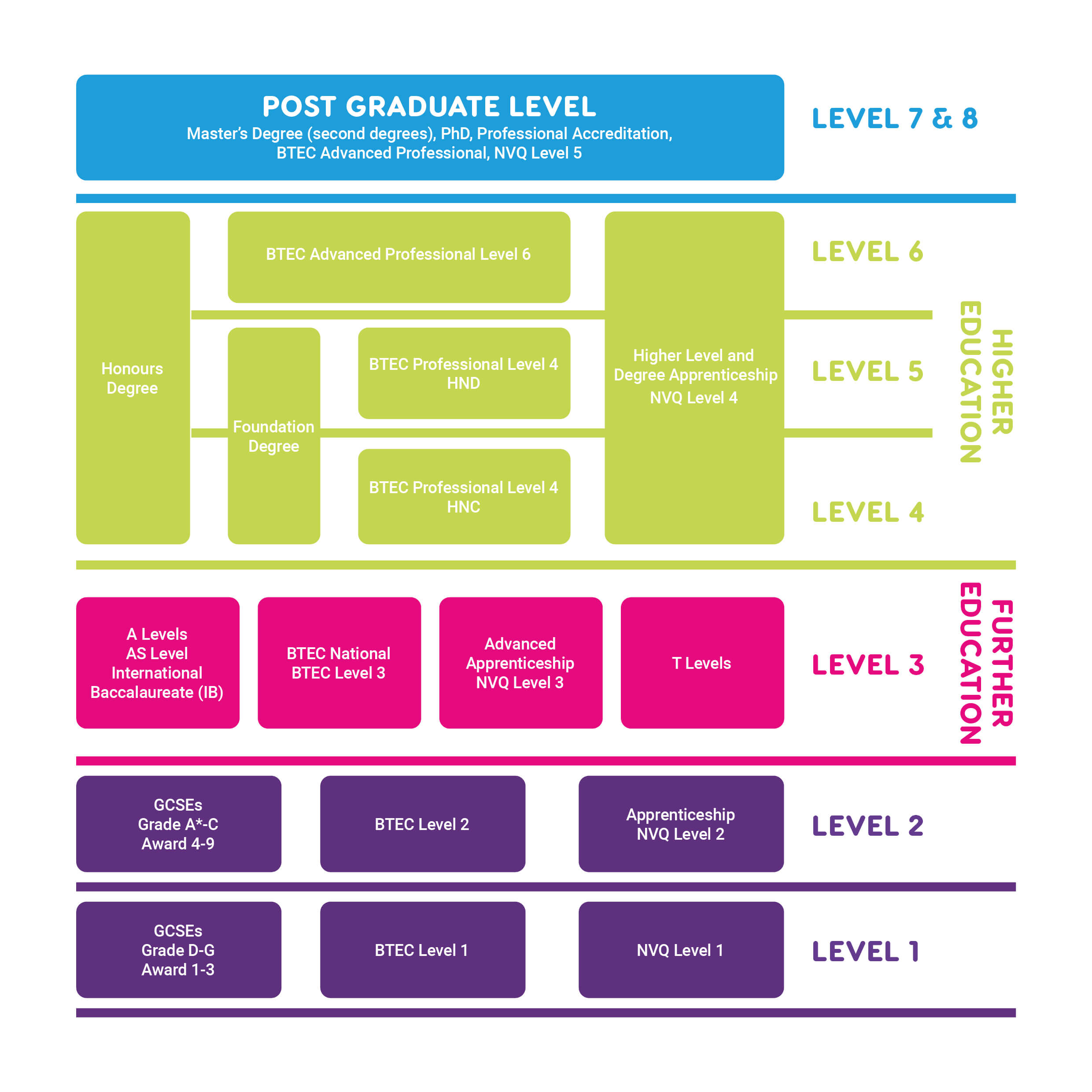
An A Level education, formally known as the General Certificate of Education Advanced Level, represents a significant academic qualification predominantly pursued by students aged 16 to 18 in the United Kingdom and various Commonwealth countries. While its core purpose is to provide advanced subject-specific knowledge and prepare students for higher education, understanding an A Level education purely through an academic lens misses its profound implications for an individual’s financial trajectory, career prospects, and long-term wealth accumulation. In the intricate landscape of personal finance and economic planning, A Levels serve as a critical investment, a strategic stepping stone that directly influences future earning potential and access to lucrative opportunities.

The Financial Bedrock: A Levels as an Investment in Human Capital
At its heart, an A Level education is a direct investment in human capital – the economic value of a worker’s experience and skills. Unlike traditional financial assets, human capital grows with education and training, offering a substantial return on investment (ROI) throughout one’s working life.
Defining A Levels: A Strategic Overview
Typically, students undertake three or four A Level subjects over a two-year period, building upon the foundations laid during GCSEs (General Certificate of Secondary Education). These subjects are chosen to align with university entrance requirements or specific career paths. From a financial perspective, this choice is crucial. Opting for subjects that lead to high-demand, high-paying fields can significantly enhance future earnings. For instance, A Levels in STEM (Science, Technology, Engineering, Mathematics) subjects often open doors to degrees and careers with historically higher average salaries, illustrating the strategic financial foresight embedded within subject selection. Each A Level passed with a good grade effectively increases a student’s market value, signaling to employers and universities a level of intellectual rigor, discipline, and specialized knowledge that translates directly into enhanced earning power.
Quantifying the Return on Educational Investment
The investment in an A Level education involves both direct and indirect costs. Direct costs might include examination fees, textbooks, and potentially tuition fees if studying privately. However, the more significant indirect cost is the opportunity cost of not entering the workforce immediately after compulsory education. Yet, numerous studies consistently demonstrate that the long-term financial benefits of pursuing A Levels and subsequently higher education far outweigh these initial costs. Graduates with A Levels, particularly those who progress to a university degree, tend to earn substantially more over their lifetime than those who enter the workforce with only GCSEs or vocational qualifications at a lower level. This “earning premium” is the tangible financial return on the investment in A Level education, contributing significantly to personal wealth accumulation, improved living standards, and enhanced financial security.
A Levels: A Gateway to Enhanced Earning Potential and Career Mobility
The strategic importance of A Levels in shaping financial futures cannot be overstated. They are not merely academic credentials but powerful tools for navigating the competitive job market and unlocking pathways to financially rewarding careers.
Unlocking Higher Education and High-Paying Professions
For many, A Levels are the primary gateway to university education. Admission to most bachelor’s degree programs in the UK and internationally requires specific A Level grades and subjects. A university degree, in turn, is statistically linked to significantly higher lifetime earnings. Fields such as medicine, law, engineering, computer science, and finance, which require rigorous academic preparation and advanced degrees, are virtually inaccessible without a strong set of A Levels. By providing this foundation, A Levels enable individuals to pursue professions characterized by higher salaries, better benefits, and greater career progression opportunities, directly influencing their long-term financial prosperity. The choice of A Levels, therefore, becomes a critical decision in pre-med, pre-law, or pre-engineering tracks, dictating eligibility for the educational steps that lead to these lucrative careers.
A Gateway to Specialized Skills and Niche Markets
Beyond university, A Levels can also directly qualify individuals for certain specialized apprenticeships and entry-level professional roles that offer accelerated career progression and competitive salaries. Industries requiring strong analytical, problem-solving, or subject-specific knowledge often value A Level qualifications highly. For instance, a student with strong A Levels in mathematics and economics might be a desirable candidate for financial apprenticeships or analytical roles within corporations, bypassing the need for a full degree while still commanding a respectable starting salary and benefits. This offers an alternative, yet equally financially viable, route to professional success, allowing individuals to earn and learn simultaneously, reducing potential student debt and accelerating wealth building. Furthermore, the rigorous analytical and critical thinking skills honed during A Level study are transferable assets, valuable across diverse sectors and increasingly important in an economy that values adaptable, skilled labor.

Strategic Financial Planning Through A Level Subject Choices
The decision-making process surrounding A Level subject selection is one of the earliest and most impactful financial planning exercises an individual undertakes. It’s about optimizing future financial outcomes by aligning academic pursuits with economic realities and market demands.
Choosing Subjects for High-Demand Industries
A deep understanding of current and projected job market trends is crucial when selecting A Level subjects. Industries experiencing rapid growth and a shortage of skilled workers often offer higher salaries and more stable employment prospects. STEM subjects (Math, Further Math, Physics, Chemistry, Biology, Computer Science) consistently lead to careers in technology, engineering, healthcare, and scientific research – sectors renowned for their strong earning potential. Similarly, strong analytical subjects like Economics, Business Studies, and Geography can pave the way for careers in finance, data analysis, and urban planning. By strategically selecting subjects that feed into these high-growth, high-value sectors, students effectively “invest” in a future career path that is likely to yield superior financial returns. This foresight helps to future-proof an individual’s career against market fluctuations and ensure sustained income generation.
Budgeting for Education: Direct and Indirect Costs
While A Levels in the public sector are generally free at the point of access in the UK, there are still financial considerations. For families, these might include supplementary tuition, educational resources, travel costs, and the general living expenses for a student not yet fully independent. For private institutions, tuition fees represent a significant direct cost. Parents and students must engage in careful budgeting and financial planning to ensure these costs are manageable without creating undue financial strain. Furthermore, the opportunity cost of two years spent in full-time education, rather than earning an income, must be factored into a comprehensive financial strategy. Understanding these financial components allows for informed decisions regarding potential student loans for future university education, part-time work during A Levels, and family contributions, all of which impact an individual’s financial footing post-education.
Leveraging A Levels for Entrepreneurship and Online Income
A Levels do not solely lead to traditional employment; they can also be a springboard for entrepreneurship and generating online income. The specialized knowledge and analytical skills acquired in subjects like Business Studies, Computing, or even specific sciences can be directly applied to creating and running a business. For example, a student with A Levels in Computer Science and Business could launch a web development or digital marketing agency, leveraging their technical skills and understanding of business principles. Similarly, strong academic foundations in any subject can enhance one’s ability to offer tutoring services, develop educational content, or pursue freelance work, tapping into the growing gig economy. This entrepreneurial route, often fueled by the foundational knowledge from A Levels, offers the potential for significant financial independence and wealth creation beyond the traditional employment model.
The Global Financial Market and A Level Recognition
The financial value of an A Level education extends beyond national borders, offering international opportunities and enhancing global financial mobility.
International Opportunities and Mobility
A Levels are widely recognized and respected qualifications globally, especially by universities and employers in English-speaking countries. This international recognition provides a significant financial advantage, as it broadens the scope of educational and career opportunities available to individuals. A student with strong A Levels can apply to top universities worldwide, potentially accessing better scholarship opportunities or more prestigious programs that lead to higher-paying international roles. For instance, pursuing an A Level education can be the first step towards a career in international finance, global technology firms, or multinational corporations, where the demand for highly skilled, internationally mobile talent is constant. This global portability of qualifications directly translates into a wider pool of potential employers and, consequently, greater earning power and financial flexibility throughout a career.
Future-Proofing Your Financial Outlook
In an increasingly volatile and competitive global economy, investing in a robust education like A Levels is a key strategy for future-proofing one’s financial outlook. It provides a strong, adaptable skill set that remains relevant across various industries and technological advancements. The critical thinking, research, and independent study skills cultivated during A Level study are invaluable assets in a rapidly evolving job market. This adaptability ensures that individuals can pivot to new industries, retrain effectively, and remain employable, mitigating the risk of long-term unemployment and maintaining consistent income streams. Ultimately, an A Level education is far more than an academic hurdle; it is a profound financial decision, a strategic investment in oneself that yields dividends in career opportunity, earning potential, and long-term financial security.
aViewFromTheCave is a participant in the Amazon Services LLC Associates Program, an affiliate advertising program designed to provide a means for sites to earn advertising fees by advertising and linking to Amazon.com. Amazon, the Amazon logo, AmazonSupply, and the AmazonSupply logo are trademarks of Amazon.com, Inc. or its affiliates. As an Amazon Associate we earn affiliate commissions from qualifying purchases.