
In the complex landscape of real estate and personal finance, the path to homeownership isn’t always a straight line. For many aspiring buyers, traditional mortgage requirements—ranging from high credit scores to substantial down payments—can create significant barriers to entry. Conversely, sellers in stagnant markets may struggle to find qualified buyers ready to close immediately. This is where the lease purchase contract emerges as a sophisticated financial instrument designed to bridge the gap between renting and owning.
A lease purchase contract, often colloquially referred to as a “rent-to-own” agreement, is a dual-structured legal document that combines a traditional rental lease with a binding obligation to purchase the property at a later date. Unlike a lease option, which gives the tenant the choice to buy, a lease purchase generally obligates the tenant to complete the transaction. Understanding the nuances of this contract is essential for anyone looking to leverage alternative financing strategies to build equity or divest from a property asset.
The Structural Mechanics of a Lease Purchase Agreement
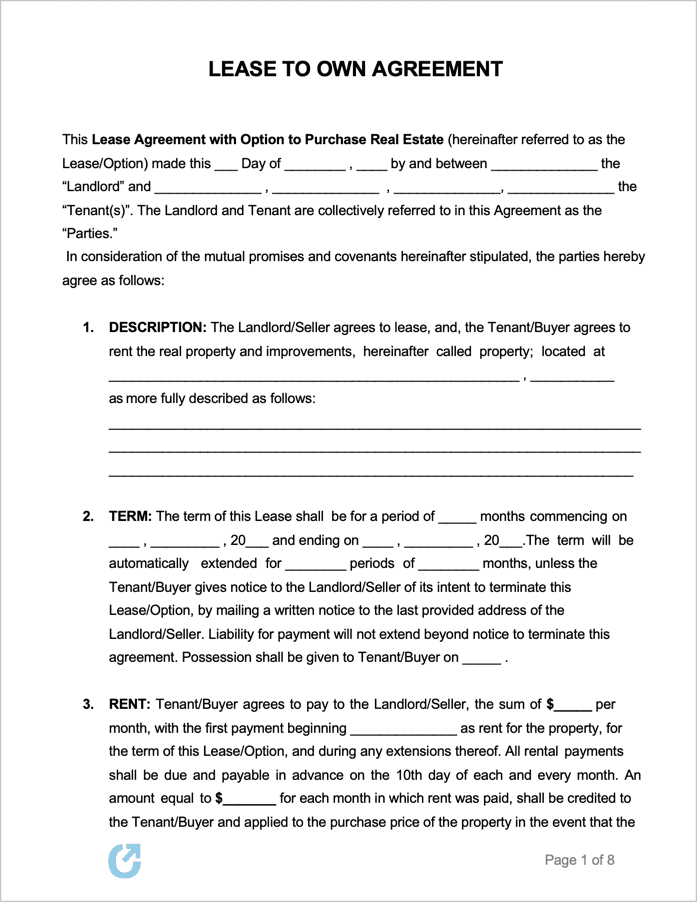
To understand a lease purchase contract, one must view it as two distinct agreements functioning in tandem: a residential lease agreement and a real estate purchase contract. When these two documents are executed together, they create a specific timeline for the transfer of ownership while allowing the buyer to occupy the property immediately.
The Lease Component
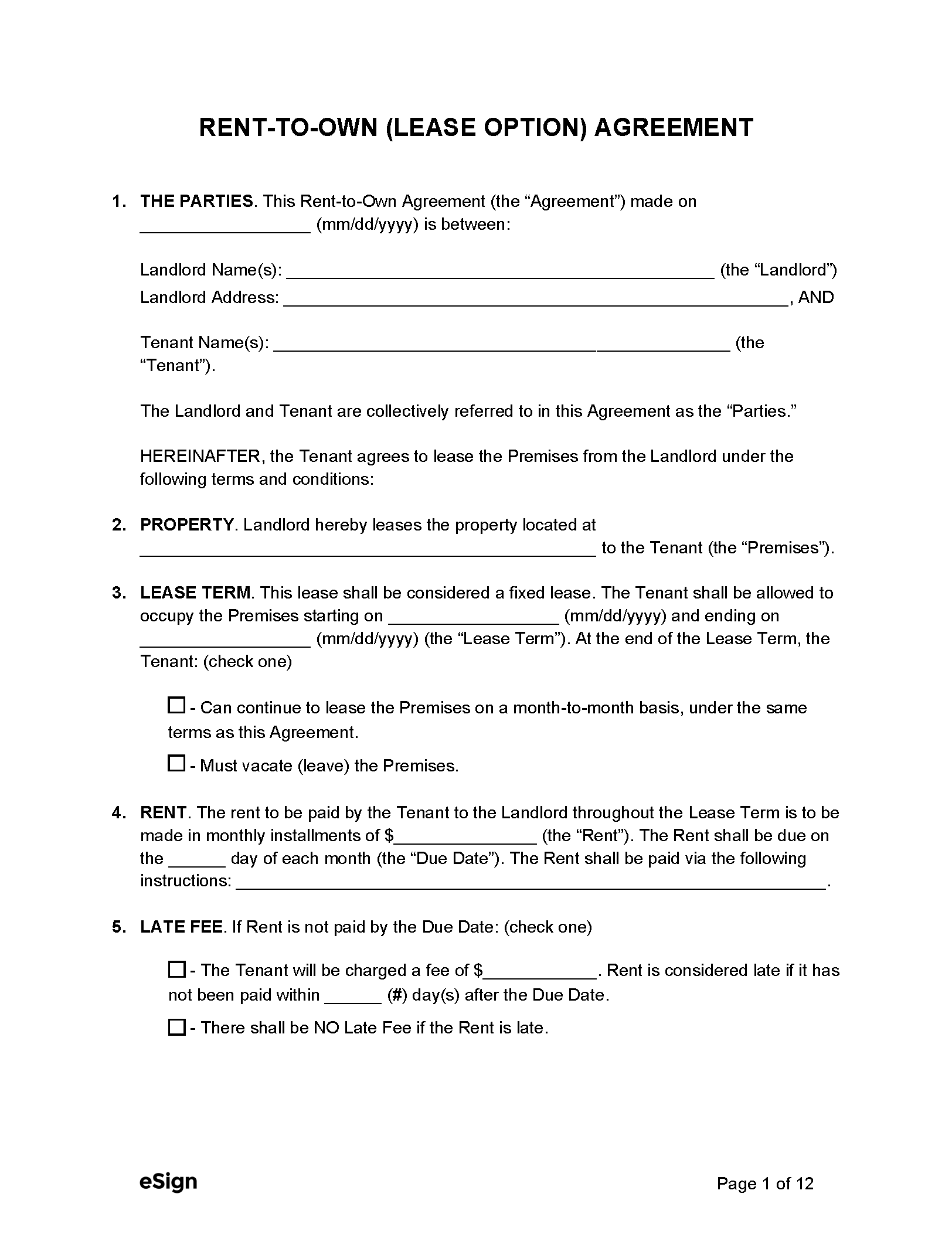
The first layer of the contract is the standard lease. This section outlines the monthly rent, the duration of the residency (typically one to three years), the responsibilities for utilities, and the rules of occupancy. However, in a lease purchase scenario, the rent is often set slightly above the fair market value. This “rent premium” usually serves a specific financial purpose, often contributing toward the eventual down payment or the final purchase price.
The Purchase Component
The second layer is the purchase agreement. This is a legally binding contract that specifies the future purchase price of the home, the closing date, and the terms of the sale. Because this is a lease purchase and not an option, the buyer is legally committed to buying the home at the end of the lease term. If the buyer fails to secure financing or decides to walk away, they may face significant legal and financial penalties, including the loss of all invested funds and potential breach-of-contract litigation.
The Option Fee vs. Earnest Money
In most lease purchase transactions, the buyer pays an upfront fee, often called “option money” or “consideration.” This is typically a non-refundable payment ranging from 1% to 5% of the total purchase price. In a lease purchase, this money is often credited toward the final down payment. It serves as a sign of good faith and ensures the seller that the buyer has “skin in the game.”
Financial Benefits for the Aspiring Homeowner
For a buyer, the lease purchase contract is primarily a tool for financial preparation. It offers a window of opportunity to rectify credit issues or accumulate the necessary capital for a traditional mortgage while “locking in” a home in a competitive market.
Credit Rehabilitation and Income Verification
Many potential buyers have the income necessary to support a mortgage but lack the credit score required by institutional lenders. A lease purchase provides a one-to-three-year runway to pay down debts, dispute errors on credit reports, and establish a consistent payment history. For the self-employed or those with non-traditional income streams, this period allows for the documentation of stable earnings that lenders demand.
Price Freezing in Appreciating Markets
One of the most significant financial advantages of a lease purchase is the ability to lock in a purchase price at the beginning of the lease. In a rising real estate market, a buyer might agree to a price of $400,000 today for a closing that happens two years from now. If the property appreciates to $430,000 during that time, the buyer effectively gains $30,000 in equity before they even officially own the home. This “forced appreciation” can be a powerful wealth-building tactic.
The Forced Savings Mechanism
Through rent credits, a lease purchase contract acts as a structured savings plan. If the fair market rent is $2,000 but the buyer pays $2,400, and that $400 difference is credited toward the purchase, the buyer is essentially building a down payment every month. For individuals who struggle with the discipline of traditional saving, this contractual obligation ensures that capital is being set aside for the ultimate goal of ownership.
The Seller’s Perspective: Mitigating Risk and Maximizing Return
From a seller’s or investor’s standpoint, a lease purchase contract can be an excellent way to generate cash flow while securing an eventual exit strategy. It is particularly effective for properties that have been difficult to sell or for sellers who do not need immediate liquidity.
Attracting “Pride of Ownership” Tenants
Standard renters often have less incentive to maintain a property meticulously. However, a tenant-buyer under a lease purchase contract views the home as their future asset. This shift in mindset typically leads to better property upkeep and lower maintenance costs for the seller. Many lease purchase contracts even stipulate that the tenant is responsible for minor repairs (e.g., under $500), further reducing the landlord’s burden.
Higher Monthly Cash Flow and Premium Pricing
Sellers can often command a higher-than-market sales price and higher monthly rent in exchange for providing the buyer with the opportunity to purchase. Because the seller is essentially acting as a facilitator for the buyer’s future homeownership, the premium is the cost of that flexibility. Furthermore, the non-refundable option fee provides the seller with immediate liquidity that they get to keep even if the buyer defaults.
Tax Advantages and Investment Strategy
For real estate investors, a lease purchase can offer specific tax benefits. Since the title doesn’t transfer until the end of the lease, the seller may continue to claim depreciation and other tax deductions associated with owning a rental property. Additionally, it allows the seller to defer capital gains taxes until the final sale is executed, providing more control over their financial timing.
Navigating the Risks and Potential Pitfalls
While the financial rewards of a lease purchase contract are significant, the risks are equally substantial. Because these contracts involve high stakes and long timelines, both parties must conduct rigorous due diligence to avoid financial catastrophe.
The Financing Risk for Buyers
The most common pitfall for buyers is the inability to secure a mortgage at the end of the lease term. If interest rates rise sharply or if the buyer’s financial situation worsens, they may find themselves unable to fulfill the “purchase” part of the contract. Since a lease purchase is an obligation, the buyer could be sued for specific performance or lose thousands of dollars in non-refundable fees and rent credits.
Market Volatility and Appraisal Gaps
If the real estate market declines during the lease term, the buyer is still obligated to pay the pre-agreed price. If a home was contracted at $400,000 but is only worth $370,000 at the time of closing, the buyer faces a “valuation gap.” Most lenders will only provide a mortgage based on the current appraised value, meaning the buyer would have to come up with the $30,000 difference in cash or risk defaulting on the contract.
Title and Maintenance Issues
For buyers, there is a risk that the seller might default on their own mortgage or incur liens against the property during the lease term. It is crucial for buyers to perform a title search before signing and, in some cases, use a third-party escrow service to ensure the monthly rent is actually being applied to the seller’s mortgage payments. Conversely, sellers must ensure the contract clearly defines what happens if the tenant-buyer causes significant damage to the property or fails to keep up with the rent.
Essential Clauses for a Secure Contract
Given the complexity of these agreements, a “handshake deal” or a generic template is insufficient. A professional lease purchase contract must include several specific clauses to protect the financial interests of both parties.
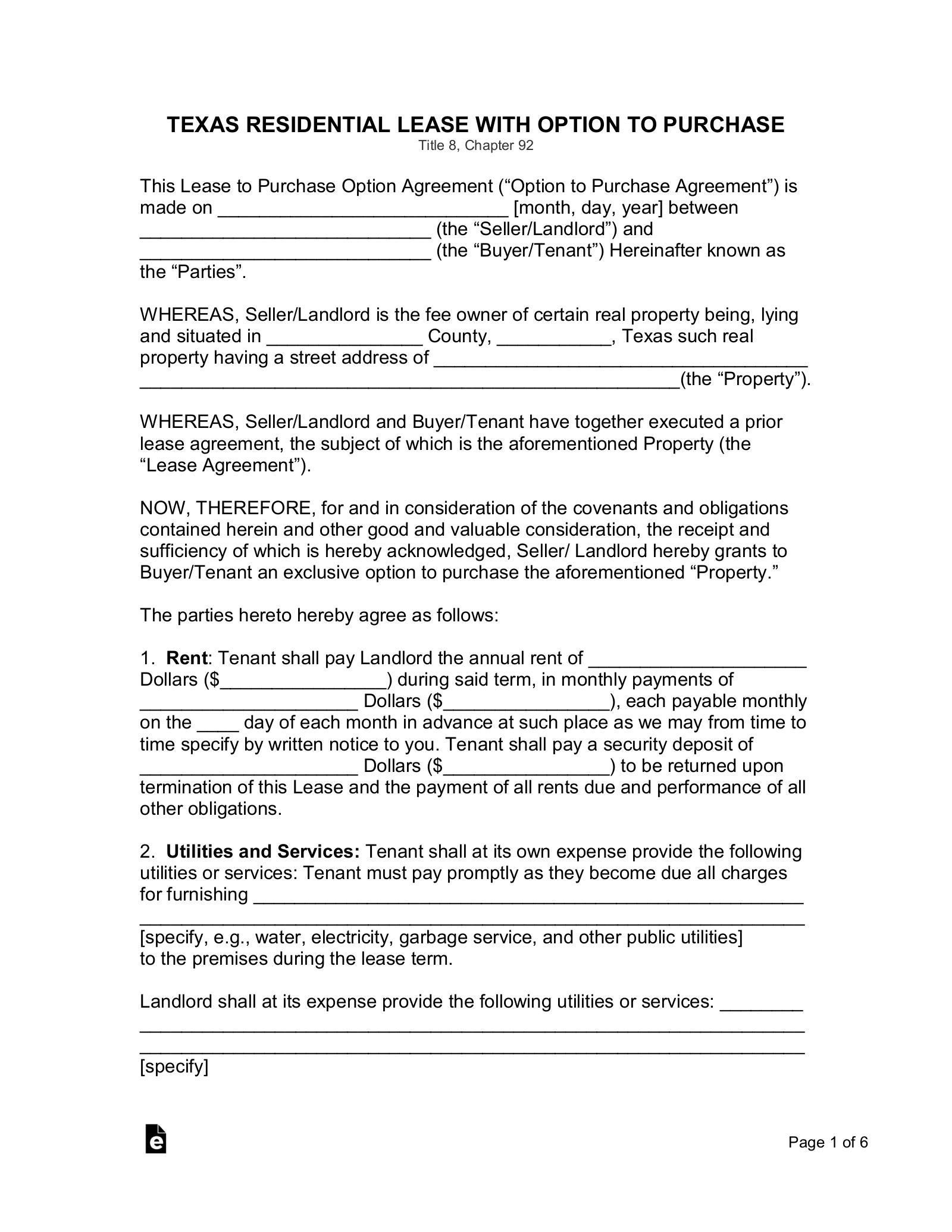
- Specific Performance Clause: This defines what happens if one party backs out. It clarifies whether the seller can force the sale or if the buyer simply forfeits their deposit.
- Maintenance Thresholds: Clearly delineate who pays for what. A common structure is for the tenant to cover repairs under a certain dollar amount, while the seller covers major structural issues or “capital” expenses like a roof or HVAC replacement.
- Appraisal Contingencies: Smart buyers will attempt to include a clause that allows for a price renegotiation if the home appraises significantly lower than the agreed-upon price at the time of the final sale.
- Rent Credit Recording: The contract should explicitly state how much of the monthly payment is credited toward the purchase and whether that credit is contingent upon the rent being paid on time.
Conclusion: A Strategic Financial Tool
The lease purchase contract is a powerful alternative to traditional real estate transactions, offering a unique blend of flexibility and commitment. For the buyer, it is a structured path to homeownership that provides the time necessary to build financial strength. For the seller, it is a way to secure a future sale while generating superior cash flow in the interim.
However, because it involves the intersection of rental law and real estate sales law, it requires a high level of financial literacy and legal oversight. Before entering into such an agreement, both parties should consult with financial advisors and real estate attorneys to ensure the contract is equitable, transparent, and aligned with their long-term financial goals. When executed correctly, a lease purchase contract can turn the dream of homeownership into a reality for those who thought they were priced out of the market.
aViewFromTheCave is a participant in the Amazon Services LLC Associates Program, an affiliate advertising program designed to provide a means for sites to earn advertising fees by advertising and linking to Amazon.com. Amazon, the Amazon logo, AmazonSupply, and the AmazonSupply logo are trademarks of Amazon.com, Inc. or its affiliates. As an Amazon Associate we earn affiliate commissions from qualifying purchases.