
The lava lamp, a seemingly simple decorative item, is more than just a mesmerizing visual spectacle. It represents a fascinating intersection of physics, fluid dynamics, and ingenious design, making it a compelling gadget within the realm of Tech. While often relegated to novelty status, understanding its inner workings reveals a surprisingly sophisticated piece of analog technology that has endured through decades of digital evolution. This article will delve into the technological principles behind the lava lamp, its historical context as a gadget, and its enduring appeal in a tech-saturated world.

The Alchemical Dance: Principles of Convection and Density
At its core, the magic of a lava lamp lies in the interplay of two immiscible liquids and the fundamental principles of convection and density. The seemingly hypnotic blobs that rise, fall, and morph are not the result of complex electronics or programming, but rather a elegant demonstration of basic physics.
The Invisible Forces: Heat, Density, and Immiscibility
The primary components responsible for the lava lamp’s unique behavior are the two distinct liquids housed within its glass vessel. Typically, one liquid is water-based, often dyed for aesthetic appeal, and the other is a waxy, oily substance. The key to their interaction lies in their respective densities and their inability to mix – a property known as immiscibility.
- The Heat Source: Beneath the glass vessel, a low-wattage incandescent light bulb serves a dual purpose. Primarily, it acts as the heat source. When the lamp is switched on, the bulb gently warms the lower portion of the liquid.
- Density Fluctuations: The waxy substance used in lava lamps has a density very close to that of the water-based liquid at room temperature. However, unlike water, this wax has a peculiar characteristic: its density decreases significantly as its temperature increases. This is the crucial factor.
- The Ascent: As the light bulb heats the wax at the bottom of the lamp, it expands slightly, becoming less dense than the surrounding water. This difference in density creates buoyancy. Like a hot air balloon rising, the heated, less dense wax begins to ascend through the cooler, denser liquid.
- The Descent and Cycle: As the blob of warm wax reaches the upper portion of the lamp, it begins to cool. As it cools, it contracts, and its density increases. Once it becomes denser than the surrounding liquid, gravity takes over, and the blob slowly descends back towards the heat source. This continuous cycle of heating, rising, cooling, and descending is what creates the iconic flowing motion of a lava lamp.
The Science of Shape and Flow: Viscosity and Surface Tension
While density is the primary driver, other physical properties play a role in shaping the visual appeal of the lava lamp.
- Viscosity’s Embrace: The viscosity of the waxy substance is carefully calibrated. A higher viscosity prevents the blobs from breaking up too quickly into small droplets, allowing them to maintain their distinct forms as they ascend and descend. A lower viscosity would result in a more chaotic and less defined flow. The interplay of viscosity and the forces of buoyancy and gravity dictates the speed and the characteristic bulbous shapes of the lava formations.
- Surface Tension’s Subtle Hand: Surface tension, the force that causes liquids to resist an external force, also contributes to the formation and integrity of the lava blobs. It helps to hold the wax together as it moves through the water, preventing premature disintegration.
A Gadget’s Genesis: The Lava Lamp’s Technological Lineage
The lava lamp is not a product of the digital age but a testament to innovative analog design that predates widespread microprocessors and sophisticated software. Its invention and popularization place it firmly within the history of captivating and innovative gadgets.
The Birth of a Bubble: The Creative Spark and Patent
The concept of the lava lamp is attributed to British accountant Edward Craven Walker, who was inspired by a cocktail shaker he saw in a German bar in the early 1960s. He envisioned a lamp that would continuously produce flowing shapes.
- The Original Patent: Walker, along with business partner George Punyer, developed and patented the “Cloud of Light” lamp. This patent, filed in 1963, laid the groundwork for what would become a global phenomenon. The initial design involved two immiscible liquids and a heating element, the fundamental principles of which remain largely unchanged today.
- Evolving Formulations: Over time, the exact formulations of the wax and liquid have been refined by various manufacturers. While the core concept of density changes due to heat remains, the specific chemical compositions have been optimized for safety, performance, and aesthetic longevity. These refinements, though not involving complex programming, represent an ongoing process of technological improvement in materials science and engineering.
From Psychedelic Icon to Retro Revival: The Lava Lamp’s Cultural Integration
The lava lamp’s rise to prominence was meteoric, largely fueled by its association with the counterculture movement of the 1960s and 1970s. Its hypnotic, ever-changing visual display was seen as a perfect complement to the psychedelic art and music of the era.
- A Symbol of the Sixties: The lava lamp became a ubiquitous presence in dorm rooms, music venues, and homes, symbolizing a departure from rigid societal norms and an embrace of the abstract and the fluid. It was a visual representation of a more relaxed, introspective, and visually stimulating lifestyle.
- The Rise of Other “Kinetic Art”: While the lava lamp was the most famous, its success also inspired a wave of other “kinetic art” pieces and decorative lighting that played with fluid dynamics and light. This period saw a surge in innovative, visually engaging home décor gadgets.
- Enduring Appeal in a Digital World: Despite the advent of high-definition digital displays, virtual reality, and sophisticated smart home technology, the lava lamp has maintained a surprising level of popularity. Its appeal lies in its tangibility, its analog simplicity, and its ability to provide a calming, ambient glow. In an age where screens dominate our lives, the physical, almost organic, movement of a lava lamp offers a unique form of visual engagement that is both nostalgic and timeless. It stands as a testament to the enduring power of well-executed analog technology.
The Technology Within: Understanding the Components of a Lava Lamp
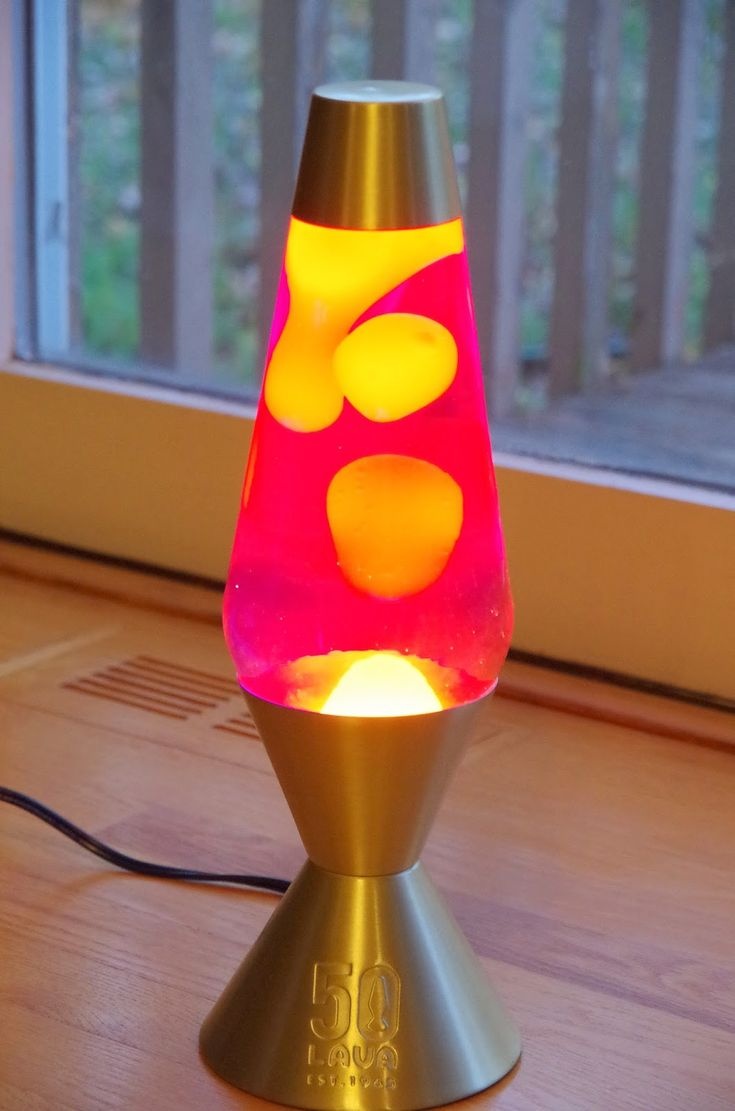
Beyond the captivating fluid dynamics, the lava lamp is a precisely engineered gadget comprised of several key components, each contributing to its overall function and aesthetic.
The Vessel: A Transparent Stage
The outer shell of a lava lamp is almost always made of glass, chosen for its transparency and its ability to withstand heat.
- Material Properties: The glass must be durable enough to contain the liquids and resist thermal shock from the heat source. It also needs to be clear to allow for unobstructed viewing of the internal spectacle. Modern lava lamps may utilize toughened glass for increased safety and longevity.
- Design Variations: While the classic shape is often a cylindrical or conical vessel, manufacturers have experimented with various forms, from novelty shapes to more abstract designs. However, the fundamental requirement of a transparent, heat-resistant container remains constant.
The Illumination: More Than Just Light
The light bulb at the base of a lava lamp is a critical component, serving as both the heat source and an integral part of the visual presentation.
- Incandescent Bulbs: Traditionally, lava lamps use low-wattage incandescent bulbs (typically 25-60 watts). These bulbs generate sufficient heat to warm the wax without overheating the entire lamp. The warm glow they emit also contributes to the lamp’s ambient atmosphere.
- Heat Output and Control: The wattage of the bulb is carefully chosen to be just right – enough to initiate and sustain the convective currents but not so much that it causes the wax to boil or the lamp to become dangerously hot. This precise thermal control is a key aspect of the lamp’s technological design. Modern iterations might explore alternative heating elements, but the principle of controlled thermal input remains paramount.
The “Lava”: A Carefully Crafted Concoction
The proprietary blend of wax and liquid is the heart of the lava lamp’s operation, a sophisticated chemical formulation that has been refined over decades.
- Immiscible Fluids: The two primary fluids are immiscible, meaning they do not mix. This is essential for the distinct blobs of wax to form and flow independently.
- Density Modulation: The wax is formulated to have a melting point and a coefficient of thermal expansion that creates a significant density difference between its heated and cooled states. This precise calibration is the “secret sauce” that allows the lamp to function as intended.
- Safety and Stability: Manufacturers also consider the safety and stability of the concoction. The fluids are typically non-toxic and designed to remain stable over long periods of use, resisting degradation or separation. The exact composition is often a closely guarded trade secret.
The Enduring Gadget: Lava Lamps in the Modern Tech Landscape
In an era dominated by digital interfaces, artificial intelligence, and instantaneous connectivity, the lava lamp stands out as a uniquely analog and enduring gadget. Its continued presence and appeal speak to a desire for tangible, interactive, and visually engaging experiences that complement, rather than compete with, our digital lives.
The Appeal of Analog Interaction
The lava lamp offers a stark contrast to the often ephemeral and intangible nature of digital technology.
- Tangible and Tactile: Unlike a digital display, the lava lamp is a physical object. Its movement is real, its heat is palpable, and its presence is a solid anchor in a room. This tangibility provides a grounding and sensory experience that many find appealing.
- Unpredictability and Serendipity: While its motion follows physical laws, the precise patterns that emerge are inherently unpredictable and serendipitous. Each viewing session offers a unique visual composition, fostering a sense of wonder and engagement that is distinct from the curated experiences of digital media.
- A Counterpoint to Screen Time: In a world where many hours are spent staring at screens, the slow, deliberate, and organic movement of a lava lamp provides a welcome visual respite. It encourages mindfulness and a different kind of attention, one that is less demanding and more contemplative.
Technological Evolution, Not Revolution
While the core technology of the lava lamp has remained remarkably consistent, there have been incremental advancements and adaptations to keep it relevant.
- LED Integration: Some modern lava lamps incorporate LED lighting. While LEDs are more energy-efficient and offer a wider spectrum of colors, manufacturers must carefully balance their heat output to still facilitate the convective action of the wax. This represents a technological integration rather than a fundamental shift in the lamp’s operating principle.
- Safety Standards: Newer models are designed to meet stricter safety regulations, often featuring improved insulation, more robust casings, and cool-touch exteriors to prevent burns. These are practical technological enhancements that ensure the gadget’s continued viability.
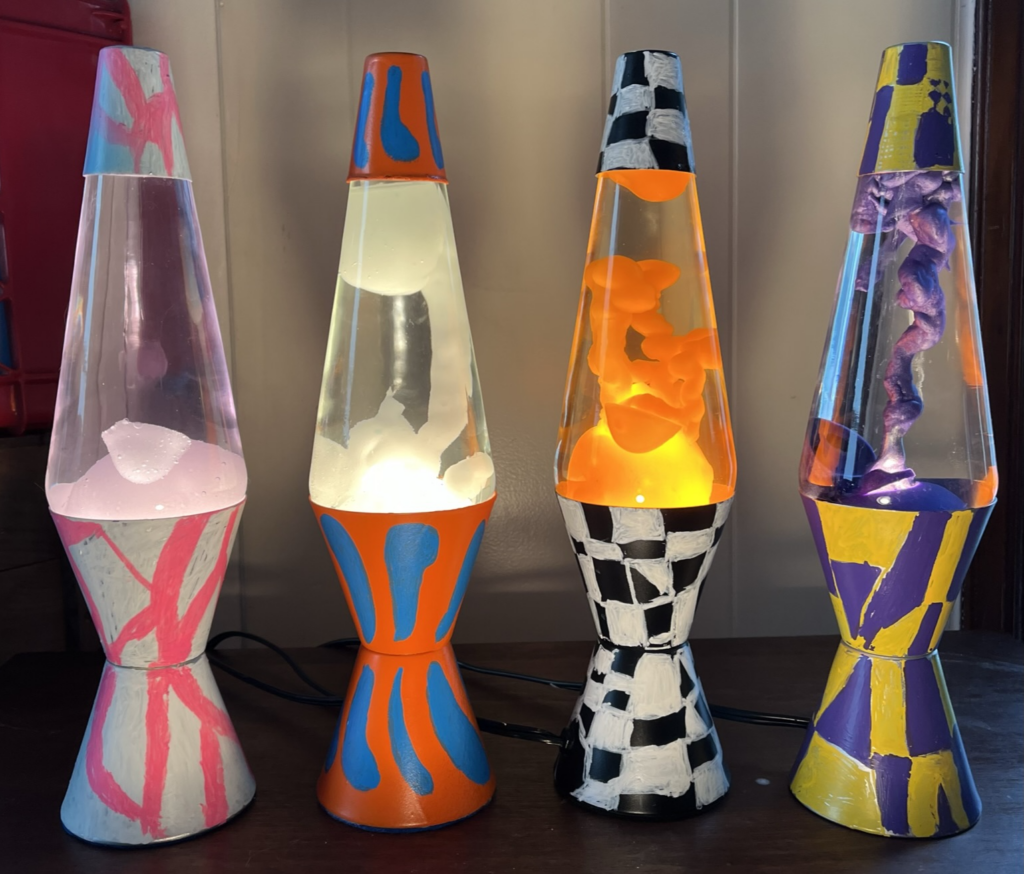
- Design Innovation: Beyond functionality, manufacturers continue to innovate in terms of aesthetics. From unique vessel shapes to more vibrant and unusual color combinations for the wax and liquid, the lava lamp remains a canvas for design expression.
A Legacy of Curiosity and Wonder
The lava lamp’s enduring legacy lies in its ability to spark curiosity and wonder. It’s a piece of technology that, despite its simplicity, engages the observer on a visceral and intellectual level. It reminds us that even seemingly basic scientific principles, when applied with creative ingenuity, can result in objects of enduring fascination. As technology continues its relentless march forward, the lava lamp remains a charming and captivating reminder of the power of analog design and the timeless allure of fluid motion. It is more than just a lamp; it is a piece of functional art, a historical artifact, and a perpetually mesmerizing gadget.
aViewFromTheCave is a participant in the Amazon Services LLC Associates Program, an affiliate advertising program designed to provide a means for sites to earn advertising fees by advertising and linking to Amazon.com. Amazon, the Amazon logo, AmazonSupply, and the AmazonSupply logo are trademarks of Amazon.com, Inc. or its affiliates. As an Amazon Associate we earn affiliate commissions from qualifying purchases.