
A lanai, often a defining feature in homes situated in warmer climates, particularly Florida and Hawaii, is much more than just an outdoor patio. From a financial perspective, understanding a lanai involves appreciating its intricate role in property valuation, investment returns, and the overall financial health of a homeowner. This distinctive architectural element, typically a covered and often screened outdoor living space directly attached to a house, carries significant implications for personal finance, real estate investment, and long-term asset management. Evaluating a lanai requires a detailed look at its costs, benefits, and how it strategically positions a property in the competitive real estate market.
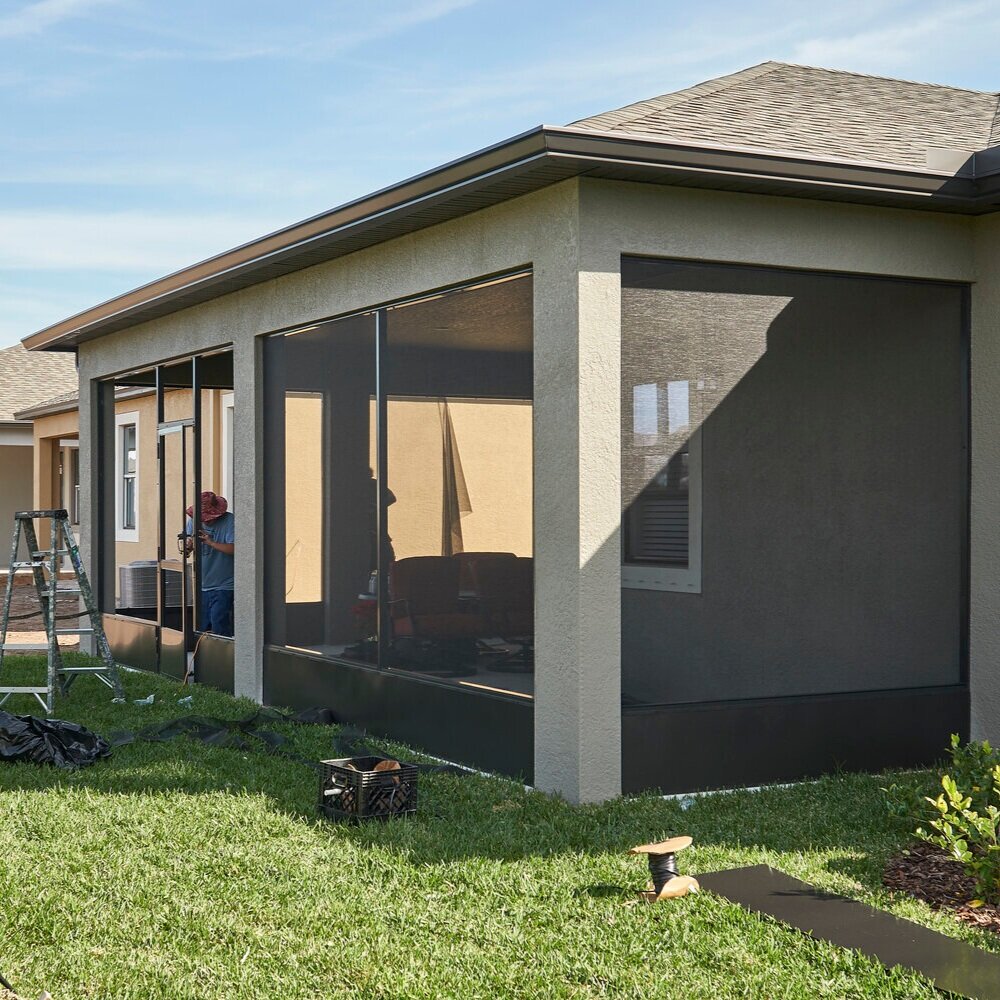
The Financial Impact of a Lanai on Property Value
The presence of a lanai can substantially influence a property’s market value, often elevating its appeal and commanding a higher price point. This isn’t merely about aesthetics; it’s about adding functional, conditioned, and desirable square footage that directly contributes to a home’s perceived and actual worth.
Contribution to Property Appreciation and Resale Value
A well-maintained lanai can be a powerful driver of property appreciation. Unlike an open patio, a lanai offers shelter from the elements, protection from insects, and an enhanced sense of privacy, effectively extending the usable living space of a home. In regions where outdoor living is highly prized, a lanai directly addresses buyer demand for seamless indoor-outdoor transitions. This increased utility translates into a competitive advantage during resale. Buyers are often willing to pay a premium for a home that includes such a feature, as it represents a built-in amenity that they might otherwise have to invest in themselves. The return on investment (ROI) for a lanai addition can be considerable, often recouping a substantial portion, if not exceeding, its initial construction cost, especially when it aligns with local market expectations and preferences. It’s an investment that enhances lifestyle, which in turn enhances marketability.
Cost-Benefit Analysis of Installation and Upgrades
For homeowners considering adding a lanai or upgrading an existing one, a thorough cost-benefit analysis is crucial. Initial installation costs can vary widely, influenced by factors such as size, materials (e.g., aluminum, wood, concrete), screening quality, roofing type, and any additional features like outdoor kitchens, lighting, or specialized flooring. These costs can range from tens of thousands to well over a hundred thousand dollars for elaborate designs. However, the benefits extend beyond just resale value. A lanai can reduce cooling costs by providing shade, protect interior furnishings from sun exposure, and create a versatile space that obviates the need for expensive off-site entertainment venues. Upgrades, such as reinforced screening, impact-resistant windows, or smart home integration, further add value and appeal. A meticulous financial assessment should weigh these upfront expenditures against the projected increase in property value, potential energy savings, and the intangible lifestyle benefits that reduce other household expenses.
Insurance and Property Tax Implications
Homeowners must also consider the ongoing financial implications related to insurance and property taxes. A lanai, as a permanent structure attached to the home, will typically increase the assessed value of the property, leading to higher annual property taxes. While this might seem like a drawback, it’s generally indicative of increased asset value. Furthermore, a lanai must be adequately covered by homeowners insurance. Depending on its construction and whether it’s classified as living space (e.g., if it has permanent climate control and glass windows), it could impact premium costs. Homeowners should consult with their insurance providers to understand how a lanai affects their coverage, particularly concerning potential damages from severe weather common in lanai-heavy regions, such as hurricanes or tropical storms. Investing in durable construction and robust screening can mitigate future repair costs and potential insurance claims.
Strategic Real Estate Investment: Lanai as an Asset
Viewing a lanai as a strategic real estate investment means understanding its role in market dynamics, income generation, and enhancing overall property liquidity. It’s an asset that, when managed correctly, can yield tangible financial benefits.
Attracting Buyers and Enhancing Marketability
In competitive real estate markets, features that differentiate a property are paramount. A well-designed and maintained lanai serves as a significant differentiator, often becoming a focal point in property listings and open houses. It speaks to a lifestyle that many buyers in warmer climates aspire to: outdoor entertaining, relaxation, and seamless integration with nature. Real estate agents frequently highlight lanais as key selling points, emphasizing the expanded living area and the quality of life it affords. For potential buyers, a pre-existing lanai eliminates the significant time, effort, and financial outlay of adding one themselves, making the property a more attractive, move-in-ready option. This enhanced marketability can lead to quicker sales, reduced holding costs, and a stronger negotiating position for sellers.
Rental Income Potential and Return on Investment (ROI)
For investors considering rental properties, a lanai can significantly boost rental income potential. Vacation rentals, in particular, often command higher rates when they offer attractive outdoor living spaces. A lanai provides a secure, comfortable area for guests to relax, dine, or enjoy the climate without the nuisance of insects or direct sun. This amenity can differentiate a property in a crowded short-term rental market, leading to higher occupancy rates and increased nightly fees. For long-term rentals, a lanai adds substantial appeal, making the property more desirable to families and individuals seeking expanded living space. Calculating the ROI for a lanai in a rental context involves comparing the initial investment and ongoing maintenance costs against the increased rental revenue and potential property value appreciation, often demonstrating a favorable financial outcome over time.
Geographic and Climate-Specific Value Proposition

The financial value of a lanai is heavily influenced by geographic location and climate. In regions like Florida, where year-round warm weather is typical and outdoor living is central to the lifestyle, a lanai is often considered a standard, highly desirable feature. Its absence can even detract from a property’s value or make it harder to sell. In contrast, a lanai might hold less financial weight in colder climates where its utility is limited to only a few months of the year. Investors and homeowners must conduct local market research to understand the specific demand and valuation dynamics for lanais in their particular area. This localized understanding ensures that any investment in a lanai is strategically sound and maximizes potential financial returns based on regional preferences and climate realities.
Budgeting for a Lanai: Installation, Maintenance, and Upgrades
Responsible financial planning for a lanai encompasses not only the initial outlay but also the recurring costs associated with its upkeep and potential enhancements. A comprehensive budget ensures the lanai remains a financial asset rather than a liability.
Initial Investment: Factors Influencing Cost
The initial cost of installing a lanai is a primary financial consideration. This investment is shaped by several key factors:
- Size and Footprint: Larger lanais naturally require more materials and labor, escalating costs.
- Materials: Choices range from budget-friendly aluminum frames with fiberglass screens to more robust, custom-built structures with impact glass and solid roofs, significantly impacting the price.
- Foundation: The type of foundation (e.g., concrete slab, pavers) and necessary site preparation contribute to the overall expense.
- Roofing: Options include screen-only roofs, insulated panels, or tying into the home’s existing roofline, each with different cost implications.
- Additional Features: Built-in outdoor kitchens, specialized lighting, ceiling fans, plumbing, electrical outlets, and high-end flooring material like tile or stone can add substantially to the budget.
- Permitting and Labor: Local building codes and the cost of skilled labor (carpenters, electricians, screen installers) vary by region and directly affect the final price. Homeowners should always obtain multiple quotes and ensure contractors are licensed and insured to protect their investment.
Ongoing Expenses: Maintenance and Utilities
A lanai, like any other part of a home, requires ongoing financial commitment for maintenance. Screens may need repair or replacement due to wear and tear, pet damage, or storm damage. The structural components, such as frames and roofs, may require cleaning, painting, or occasional repairs. If the lanai includes electrical fixtures or plumbing for an outdoor kitchen, these systems will also necessitate periodic maintenance. Furthermore, if the lanai is enclosed with glass and air-conditioned, utility costs will increase due to expanded cooled space. Budgeting for these recurring expenses is crucial to preserve the lanai’s condition, functionality, and ultimately, its financial value. Neglecting maintenance can lead to costly structural issues and diminish the property’s appeal.
Financing Options and Smart Spending
For homeowners considering a significant investment in a lanai, various financing options are available. These may include home equity loans, home equity lines of credit (HELOCs), personal loans, or even refinancing a mortgage to include the renovation cost. Each option carries different interest rates, terms, and financial implications. A savvy homeowner will explore these options, compare interest rates, and evaluate the long-term impact on their personal finances. Additionally, smart spending during the design and construction phase involves prioritizing durable, low-maintenance materials, negotiating with contractors, and considering the future resale value of specific features. For instance, choosing materials that are resistant to corrosion and UV radiation can reduce future maintenance expenses and enhance the lanai’s longevity and enduring financial benefit.
Maximizing Financial Returns from Your Lanai
To truly maximize the financial returns from a lanai, homeowners should think strategically about how to enhance its value, leverage it for property assessments, and even explore avenues for income generation.
Strategic Upgrades and Customization
Not all lanai upgrades are created equal from a financial perspective. Strategic enhancements focus on improving functionality, durability, and broad market appeal. For instance, installing hurricane-resistant screens or impact glass windows in storm-prone areas is a prudent investment that protects the asset and can appeal to buyers concerned about resilience. Adding features like LED lighting, durable outdoor ceiling fans, or a compact outdoor bar can elevate the space’s utility and desirability without excessive cost. Customization should strike a balance between personal preference and universal appeal. Overly niche or expensive custom features might not yield a strong return during resale, whereas upgrades that enhance the lanai’s versatility for dining, relaxation, or entertainment generally offer better ROI.
Home Equity and Appraisal Benefits
A professionally built and well-maintained lanai can significantly contribute to a home’s overall appraised value. Appraisers consider functional improvements that add usable living space and enhance a property’s marketability. By increasing the appraised value, a lanai can boost a homeowner’s available home equity, which can be leveraged for future financial endeavors like renovations, debt consolidation, or other investments. The increased equity is a tangible financial benefit, representing a direct increase in the homeowner’s net worth tied to their primary asset. Regular maintenance and strategic upgrades ensure that the lanai consistently presents as a valuable asset during appraisals, reinforcing its financial contribution to the property.
Utilizing the Lanai for Income Generation
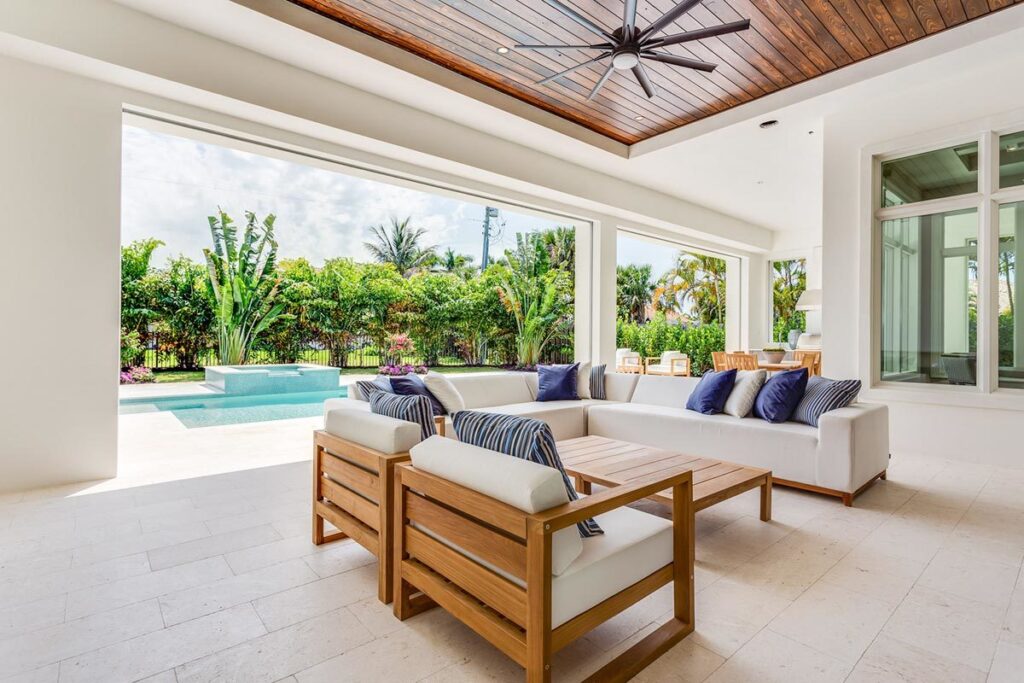
Beyond increasing property value and enhancing marketability, a lanai can directly contribute to a homeowner’s income. For properties located in desirable tourist destinations, a lanai is a highly attractive feature for short-term rental guests, allowing homeowners to charge higher nightly rates and secure more bookings through platforms like Airbnb or VRBO. The ability to offer a private, comfortable outdoor living space can be a significant competitive advantage. In some cases, depending on local zoning laws and HOA regulations, a lanai could even be adapted for small home-based businesses, such as a private yoga studio, an art workshop, or a serene consultation space, generating additional revenue streams. This dual utility – enhancing personal enjoyment and offering financial upside – solidifies the lanai’s position as a multifaceted financial asset within the home.
aViewFromTheCave is a participant in the Amazon Services LLC Associates Program, an affiliate advertising program designed to provide a means for sites to earn advertising fees by advertising and linking to Amazon.com. Amazon, the Amazon logo, AmazonSupply, and the AmazonSupply logo are trademarks of Amazon.com, Inc. or its affiliates. As an Amazon Associate we earn affiliate commissions from qualifying purchases.