
Understanding the Investment Potential of Florida’s Outdoor Living Spaces
For many, the allure of Florida real estate extends beyond the interior living spaces. It encompasses a distinct lifestyle, one that heavily features the seamless integration of indoor and outdoor living. Central to this lifestyle is the “lanai,” a term that, while perhaps familiar to some, deserves a deeper exploration, particularly when considering its implications within the context of Florida’s thriving property market. While seemingly a simple architectural feature, the lanai represents a significant element in how Florida homes are designed, valued, and experienced, ultimately impacting personal finance and investment strategies.
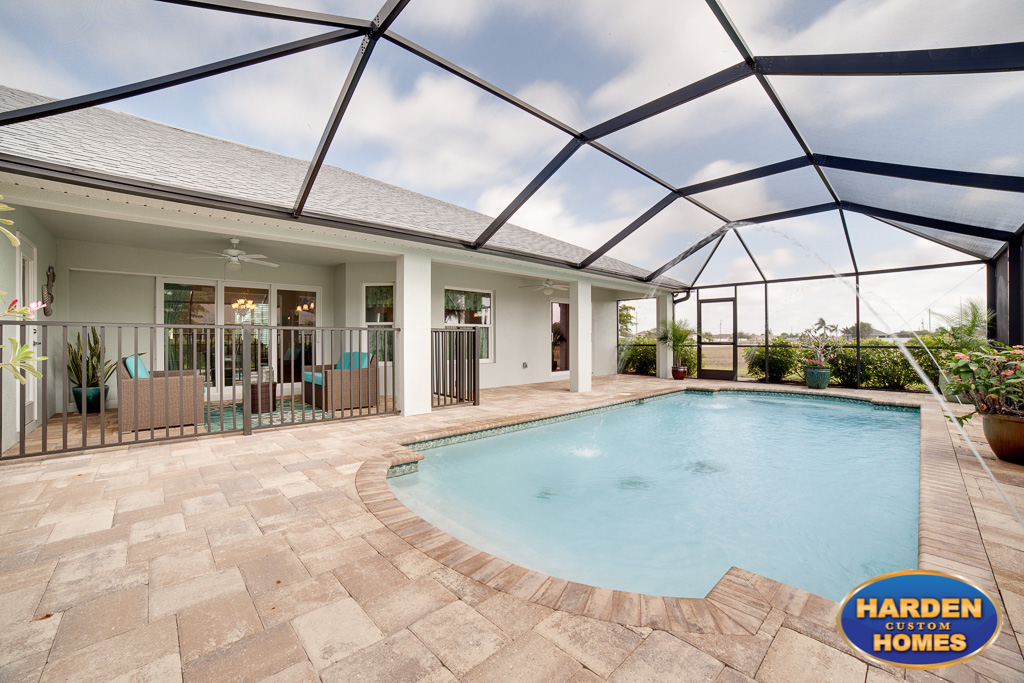
The Architectural Definition and Evolution of the Lanai
At its core, a lanai is a covered porch, veranda, or patio, often enclosed by screens or sliding glass doors, designed to provide a sheltered outdoor living area. Its origins can be traced back to Hawaiian architecture, where it served as a transitional space between the interior of a home and the tropical environment. This design philosophy has found fertile ground in Florida’s subtropical climate, where residents and visitors alike seek to maximize their enjoyment of the outdoors while being protected from sun, rain, and insects.
The modern Florida lanai, however, has evolved considerably from its predecessors. While early iterations might have been basic screened-in porches, contemporary lanais are often sophisticated extensions of the home’s living area. They can feature:
Key Design Elements of a Modern Florida Lanai
- Screened Enclosures: The ubiquitous screen is crucial, offering protection from biting insects like mosquitoes and no-see-ums, which are prevalent in Florida’s humid climate. These screens allow for natural ventilation while maintaining a comfortable and pest-free environment. High-quality screens, such as those made from fiberglass or aluminum, can enhance durability and visibility.
- Covered Roof Structure: A solid roof is essential, providing shade from the intense Florida sun and shelter from sudden tropical downpours. The design of the roof can vary, from simple flat structures to more elaborate vaulted ceilings that create a sense of spaciousness.
- Flooring Materials: Lanai flooring needs to be durable, water-resistant, and aesthetically pleasing. Common choices include concrete (often stamped or stained), pavers, tile, or even treated wood. The selection of flooring significantly impacts the overall cost and maintenance requirements of the lanai.
- Access Points: Direct access from the home is typically achieved through sliding glass doors, French doors, or large bi-fold doors. This integration is key to the indoor-outdoor flow that lanais facilitate.
- Optional Amenities: Modern lanais can be equipped with a range of amenities that elevate them from mere outdoor spaces to functional extensions of living areas. These can include:
- Outdoor Kitchens: Built-in grills, refrigerators, sinks, and countertops transform the lanai into a prime entertainment hub.
- Comfortable Seating Areas: Furnishings designed for outdoor use, such as deep-seated sofas, lounge chairs, and dining sets, encourage relaxation and social gatherings.
- Ceiling Fans and Lighting: Fans provide essential air circulation, while strategically placed lighting extends the usability of the lanai into the evening.
- Heaters and Fireplaces: In cooler months or for evening ambiance, some lanais incorporate heating elements or decorative fireplaces.
- Televisions and Sound Systems: For entertainment enthusiasts, integrated audio-visual systems can be a desirable addition.
The distinction between a lanai and other outdoor features like a patio or a porch lies in its enclosure and its intended use as a fully furnished and livable extension of the home. While a patio is typically an unroofed paved area, and a porch is a covered structure, a lanai offers a climate-controlled, insect-free environment for year-round enjoyment, a critical factor for Florida homeowners.
The Financial Implications of Lanai Features in Florida Real Estate
When considering the purchase or sale of a property in Florida, understanding the financial impact of a lanai is paramount. It’s not merely an aesthetic feature; it’s an investment that can significantly influence property value, marketability, and even potential rental income. From a financial perspective, lanais are often viewed as an asset that enhances a home’s appeal and functional square footage.
Enhancing Property Value and Marketability
The presence of a well-designed and functional lanai can be a significant selling point in the competitive Florida real estate market. For potential buyers, it represents an additional living area, a space to entertain guests, relax, and enjoy the desirable Florida climate without the usual drawbacks of humidity, heat, and insects. This added value translates directly into a higher perceived worth and, consequently, a higher market price.
- Increased Perceived Square Footage: While not always counted as traditional “livable square footage” in all appraisals, a well-appointed lanai effectively expands the usable space of a home, offering an attractive proposition for buyers seeking more room.
- Lifestyle Appeal: Florida’s identity is deeply intertwined with outdoor living. A lanai directly caters to this lifestyle, making properties with these features more desirable and often commanding a premium over comparable homes without them.
- Attracting a Broader Buyer Pool: Whether targeting retirees seeking comfortable outdoor living, families wanting space for recreation, or investors looking for rental appeal, a lanai appeals to a wide demographic of potential buyers.
Impact on Investment and Rental Income
For investors, lanais can be a key factor in maximizing returns. Properties with attractive outdoor living spaces are often in higher demand for short-term and long-term rentals, leading to increased occupancy rates and higher rental yields.

- Premium Rental Rates: Homes with well-equipped lanais, especially those featuring amenities like outdoor kitchens or entertainment systems, can command higher rental rates. This is particularly true in tourist-heavy areas and for vacation rental properties.
- Competitive Advantage: In a saturated rental market, a property’s unique selling points, such as a luxurious lanai, can give it a competitive edge, attracting tenants more quickly and reducing vacancy periods.
- Potential for Additional Income Streams: Some property owners may even explore opportunities for charging extra for access to specific lanai amenities, further enhancing their investment’s profitability.
Cost Considerations and ROI
It’s important for homeowners and investors to consider the cost of building or enhancing a lanai. While it represents an investment, the return on investment (ROI) can be substantial, but it’s crucial to understand the market value and the cost-effectiveness of any upgrades.
- Construction Costs: The expense of building a lanai varies widely based on size, materials, complexity, and the inclusion of amenities. A simple screened enclosure will be significantly less expensive than a fully equipped outdoor kitchen with a custom roof design.
- Renovation and Upgrade Costs: Existing lanais can be enhanced with new flooring, updated screens, improved lighting, or the addition of outdoor appliances. These upgrades can also contribute to increased property value.
- Appraisal Value: While not always a direct dollar-for-dollar addition to heated and cooled square footage, appraisers do factor in the desirability and functionality of lanais when determining a home’s overall value, especially in Florida markets where outdoor living is a priority.
Maximizing the Financial Benefits of Your Florida Lanai
To truly leverage the financial potential of a lanai, homeowners and investors should approach its design, maintenance, and marketing strategically. Treating the lanai not as an afterthought but as an integral part of the property’s value proposition can yield significant rewards.
Strategic Design and Enhancement for ROI
When building or renovating a lanai, consider what features will offer the best financial return. This often involves understanding the preferences of the local market and the types of buyers or renters you aim to attract.
- Focus on Functionality and Comfort: Invest in comfortable, durable outdoor furniture. Ensure adequate lighting for evening use and consider ceiling fans for air circulation. These elements make the space more inviting and usable, increasing its perceived value.
- Incorporate Desirable Amenities: For properties in higher-end markets or those targeted at vacation rentals, consider investing in features like outdoor kitchens, fire pits, or even small plunge pools integrated into the lanai design. These can significantly differentiate your property.
- Prioritize Durability and Low Maintenance: Florida’s climate can be harsh. Opt for materials and finishes that are resistant to sun, salt, and moisture to minimize ongoing maintenance costs and ensure the lanai remains attractive over time. This also appeals to buyers and renters looking for ease of living.
- Consider the View and Privacy: The lanai’s orientation and any landscaping around it play a crucial role. Maximizing desirable views while ensuring adequate privacy can significantly enhance its appeal and, therefore, its financial value.
Marketing Your Lanai Effectively
When selling or renting a property, effectively showcasing the lanai is essential. It’s not just another room; it’s a lifestyle amenity.
- High-Quality Photography and Videography: Professional photos and videos that highlight the lanai’s features, especially during golden hour, can make a powerful impression on potential buyers or renters.
- Descriptive Language: Use evocative language in property listings to describe the lanai. Words like “spacious,” “inviting,” “entertainer’s dream,” or “tropical oasis” can help buyers visualize themselves enjoying the space.
- Emphasize the Lifestyle: Frame the lanai as an extension of the Florida lifestyle. Highlight how it can be used for morning coffee, alfresco dining, entertaining guests, or simply relaxing by the pool.
- Showcase Amenities: If the lanai includes a grill, dining set, or comfortable seating, make sure these are visible and presented attractively in marketing materials.

Maintenance and Longevity for Sustained Value
The financial benefits of a lanai are directly tied to its condition. Neglecting maintenance can lead to costly repairs and a diminished appeal, negatively impacting property value.
- Regular Cleaning and Inspections: Routine cleaning of screens, floors, and furniture is essential. Regular inspections can catch small issues, like tears in screens or loose pavers, before they become major problems.
- Pest Control: Implementing a consistent pest control strategy is vital to maintaining the primary benefit of a screened lanai – freedom from insects.
- Weather Protection: Ensure the roof and any structural elements are well-maintained to prevent water damage. Consider covering or storing outdoor furniture during hurricane season.
- Rescreening and Repairs: Over time, screens can degrade. Budgeting for occasional rescreening or repairs will keep the lanai looking its best and functioning as intended.
By understanding the financial nuances of lanais – from their initial construction costs and impact on property valuation to their role in generating rental income and enhancing marketability – Florida homeowners and investors can make informed decisions. A well-designed, well-maintained, and strategically marketed lanai is not just an outdoor space; it’s a powerful financial asset that contributes significantly to the overall value and desirability of a Florida property.
aViewFromTheCave is a participant in the Amazon Services LLC Associates Program, an affiliate advertising program designed to provide a means for sites to earn advertising fees by advertising and linking to Amazon.com. Amazon, the Amazon logo, AmazonSupply, and the AmazonSupply logo are trademarks of Amazon.com, Inc. or its affiliates. As an Amazon Associate we earn affiliate commissions from qualifying purchases.