
In the intricate world of electrical engineering and power systems, acronyms and units abound, each carrying significant meaning for the design, operation, and maintenance of technology. Among these, kVA stands out as a fundamental yet often misunderstood metric. Far more than just a technical abbreviation, kVA (kilovolt-ampere) is a critical indicator of apparent power, playing an indispensable role in sizing equipment, ensuring system stability, and optimizing electrical infrastructure across a vast array of technological applications, from data centers to industrial complexes and modern smart homes.
This article delves deep into what kVA truly represents, differentiating it from other power measurements, exploring its practical applications, and highlighting why a comprehensive understanding of this unit is paramount for anyone navigating the complexities of electrical technology.
The Fundamentals of Electrical Power: kVA in Context
To truly grasp the significance of kVA, it’s essential to first establish a foundational understanding of electrical power and its various forms. Electrical power isn’t a monolithic concept; rather, it’s broken down into components that describe how electricity is utilized and supplied.
Defining kVA: Kilovolt-Ampere Explained
At its core, kVA, or kilovolt-ampere, represents the apparent power in an electrical circuit. It is the product of the total voltage and the total current supplied to an electrical system or piece of equipment, measured in thousands of volt-amperes. Think of it as the total power that is drawn from the source, irrespective of how efficiently that power is being converted into useful work. This total power includes not only the power that performs work but also the power that is stored and returned to the source by reactive components within the circuit.
The “k” in kVA simply denotes “kilo,” meaning one thousand. So, 1 kVA equals 1,000 volt-amperes. This unit is especially crucial in AC (alternating current) circuits because AC systems involve phase differences between voltage and current, leading to different types of power at play.
Differentiating Apparent Power (kVA) from Real Power (kW) and Reactive Power (kVAR)
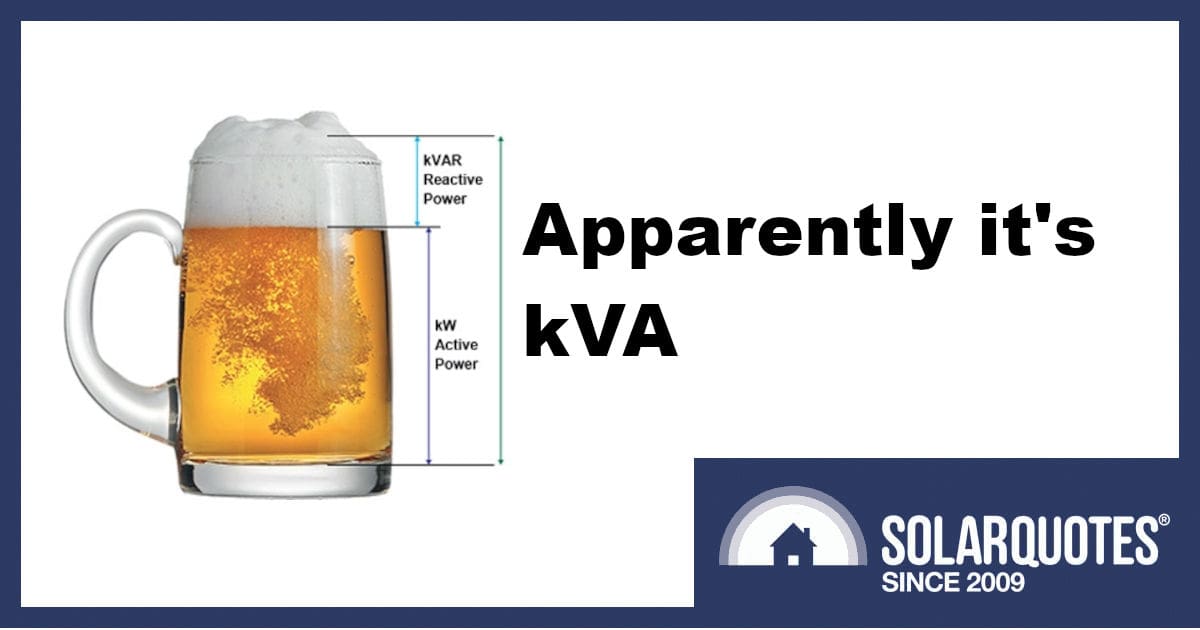
Understanding kVA necessitates differentiating it from its cousins: kW (kilowatt) and kVAR (kilovar). These three units form the essential “power triangle” that engineers use to characterize electrical loads.
- Real Power (kW – Kilowatt): This is the actual power that performs useful work, such as lighting a bulb, running a motor, or powering a computer. It is the power that is dissipated by resistive components in a circuit. kW is what you typically pay for on your electricity bill as it represents the energy effectively consumed.
- Reactive Power (kVAR – Kilovar): This is the power that establishes and maintains the magnetic and electric fields in inductive (e.g., motors, transformers) and capacitive (e.g., capacitors) components of an AC circuit. Reactive power does not perform any useful work itself, but it is necessary for the operation of many types of AC equipment. It oscillates between the source and the load, effectively “borrowed” by the load and then “returned” to the source.
- Apparent Power (kVA – Kilovolt-Ampere): As discussed, this is the total power delivered to the load. It is the vector sum of real power (kW) and reactive power (kVAR). While kW indicates how much power is doing useful work, kVA tells you the total capacity that your electrical infrastructure needs to handle, encompassing both the useful power and the power needed to support reactive components.
The Power Triangle: Visualizing Electrical Relationships
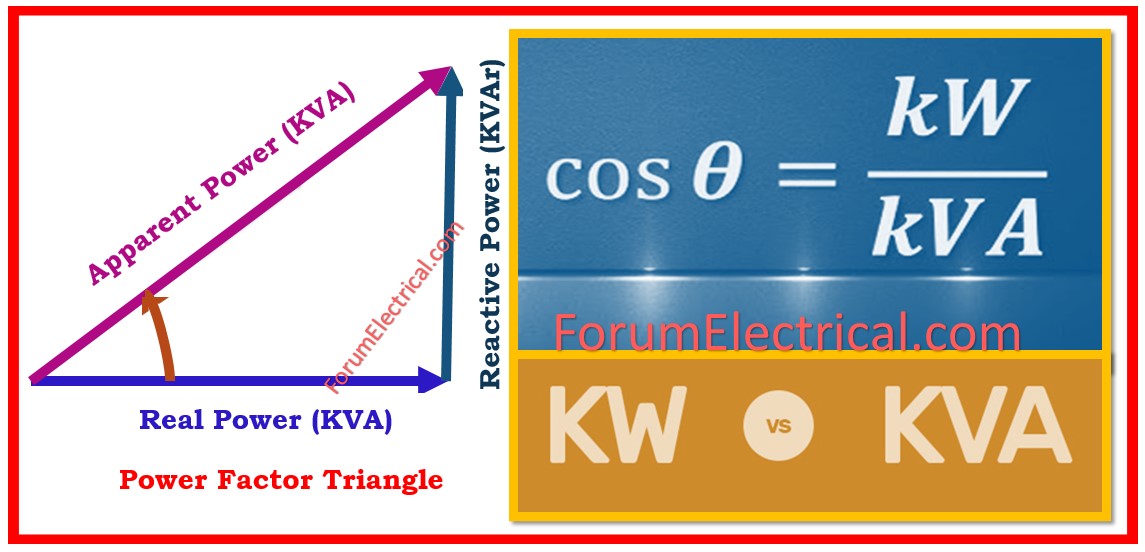
The relationship between kVA, kW, and kVAR is best visualized through the “power triangle,” a fundamental concept in AC circuit analysis. In this right-angled triangle:
- The hypotenuse represents apparent power (kVA).
- The adjacent side represents real power (kW).
- The opposite side represents reactive power (kVAR).
According to the Pythagorean theorem, the square of the apparent power (kVA²) is equal to the sum of the squares of the real power (kW²) and the reactive power (kVAR²). This mathematical relationship (kVA² = kW² + kVAR²) is crucial for engineers to calculate any one of these values if the other two are known, allowing for precise system design and analysis.
Why kVA Matters: Practical Applications and Significance
The importance of kVA extends far beyond theoretical electrical principles; it has profound practical implications for every aspect of electrical system design, equipment selection, and operational efficiency in technology.
Sizing Electrical Equipment: Transformers, Generators, and UPS Systems
One of the most critical applications of kVA is in properly sizing electrical equipment. Manufacturers typically rate transformers, generators, uninterruptible power supplies (UPS), and even certain types of power converters in kVA, not kW. This is because these devices must be able to handle the total current and voltage flowing through them, which is represented by apparent power.
- Transformers: A transformer’s kVA rating determines its capacity to handle a given voltage and current without overheating. Oversizing ensures longevity and reliability, while undersizing can lead to overheating, reduced lifespan, and catastrophic failure.
- Generators: When selecting a backup generator for a data center or an industrial facility, the kVA rating dictates the total load it can supply. If the total apparent power demand of all connected equipment exceeds the generator’s kVA rating, it will be overloaded, potentially leading to shutdowns or damage.
- UPS Systems: UPS systems, vital for protecting sensitive electronics from power fluctuations and outages, are also rated in kVA. The kVA rating indicates the maximum power the UPS can deliver to connected devices, crucial for ensuring uninterrupted operation of critical servers, networking gear, and other tech infrastructure.
Ensuring System Stability and Preventing Overload
Understanding kVA helps engineers prevent electrical system overloads, which can lead to downtime, equipment damage, and even safety hazards. By accurately calculating the total kVA demand of a facility or specific circuit, engineers can design power distribution networks, circuit breakers, and wiring that can safely handle the load. Exceeding the kVA limits of any component in the electrical path risks tripping breakers, melting wires, and ultimately system failure. This is particularly vital in environments like data centers where consistent, reliable power is non-negotiable for digital operations.
Electrical Infrastructure Planning and Design
For new construction or expansion projects, kVA is a cornerstone of electrical infrastructure planning. Architects and electrical engineers use kVA calculations to:
- Determine Service Entrance Size: The main electrical service entering a building is sized based on its total anticipated kVA demand.
- Specify Cable and Conductor Sizes: The current associated with kVA dictates the appropriate gauge of electrical cables to prevent overheating and voltage drop.
- Design Distribution Panels: Branch circuits and sub-panels are designed to distribute the total kVA load safely and efficiently to various sections of a facility.
Ignoring kVA during the planning phase can result in an underpowered infrastructure incapable of supporting future technological growth or even current operational needs, leading to costly retrofits or limitations on IT deployment.
Calculating and Understanding Power Factor
The relationship between kVA and kW is quantified by the power factor (PF), a crucial metric that describes the efficiency with which electrical power is converted into useful work.

The Role of Power Factor in Efficiency
Power factor is the ratio of real power (kW) to apparent power (kVA):
Power Factor (PF) = kW / kVA
A power factor of 1 (or 100%) indicates perfect efficiency, meaning all apparent power is converted to real power (kW = kVA). This occurs with purely resistive loads like incandescent light bulbs. However, most modern technological loads, especially those with motors (e.g., servers with cooling fans, pumps, HVAC systems), are inductive and thus have a power factor less than 1. This means they require reactive power (kVAR) in addition to real power, making their kVA demand higher than their kW demand.
Consequences of a Low Power Factor
A low power factor (e.g., 0.7 or 70%) signifies poor electrical efficiency. It implies that a significant portion of the apparent power supplied is reactive power that does no useful work. The implications of a low power factor are substantial:
- Increased Current: For the same amount of real power (kW), a lower power factor requires a higher apparent power (kVA) and consequently, a higher current flow.
- Higher Energy Losses: Increased current leads to greater resistive losses (I²R losses) in transformers, transmission lines, and wiring, wasting energy as heat.
- Reduced Equipment Capacity: Electrical infrastructure (transformers, generators, wiring) must be sized to handle the higher current associated with kVA, meaning that for a given kVA rating, less real power (kW) can be delivered. This effectively reduces the usable capacity of your electrical system.
- Utility Penalties: Many utility companies impose penalties or surcharges on industrial and commercial customers with consistently low power factors because their reactive power demand burdens the grid infrastructure.
Improving Power Factor and Its Benefits
Fortunately, a low power factor can often be corrected, typically by installing power factor correction capacitors. These capacitors supply reactive power locally, reducing the need for the utility to supply it, thereby improving the overall power factor.
The benefits of power factor correction are significant:
- Reduced Electricity Bills: By minimizing reactive power demand and associated penalties, electricity costs can decrease.
- Increased System Capacity: Improving the power factor frees up kVA capacity in existing transformers and distribution lines, allowing for the addition of more real power (kW) loads without upgrading infrastructure.
- Improved Voltage Regulation: A better power factor can lead to more stable voltage levels, which is crucial for the optimal performance and longevity of sensitive electronic equipment.
- Reduced Transmission Losses: Less current flowing through the system means less energy lost as heat during transmission.
kVA vs. kW: A Crucial Distinction for Technical Professionals
While the terms kVA and kW are often used interchangeably in casual conversation, especially when referring to small, purely resistive loads, their distinction is paramount for technical professionals dealing with complex electrical systems and sophisticated technology.
When to Use kVA and When to Use kW
The choice between using kVA and kW depends entirely on the context and the specific aspect of power being addressed:
- Use kVA when: Sizing electrical sources (generators, transformers, UPS), determining cable current capacity, evaluating overall circuit loading, and planning for total power infrastructure. kVA provides the complete picture of the electrical burden on the system.
- Use kW when: Measuring actual useful power consumption, calculating energy costs, specifying the power output for resistive loads, or understanding the actual work being performed by electrical equipment. kW represents the efficiency and actual energy usage.
Real-world Scenarios: From Data Centers to Manufacturing Plants
Consider a modern data center. While the total processing power of its servers and networking gear might be expressed in kW (the useful work they perform), the UPS systems, cooling units, and transformers supplying power to these servers will be rated in kVA. The data center manager must ensure the kVA capacity of the infrastructure can support the aggregated kVA demand of all equipment, including their associated reactive power requirements, to prevent overloads and ensure continuous operation.
Similarly, in a manufacturing plant, individual machinery may have a kW rating for its operational power, but the overall electrical distribution system, including main switchgear and feeder cables, must be specified in kVA to handle the cumulative apparent power of all motors, welders, and other inductive loads.
Impact on Energy Consumption and Billing
For consumers and businesses, the distinction between kVA and kW has a direct impact on energy consumption and billing. While you generally pay for kW (real power) in terms of kilowatt-hours (kWh) consumed, a low power factor (meaning a higher kVA for a given kW) can lead to higher total system losses and, for large commercial and industrial users, direct penalties from the utility for poor power factor. This makes understanding and managing kVA a financial as well as a technical imperative for organizations striving for energy efficiency and cost reduction in their technological operations.
Advanced Considerations and Future Trends
As technology evolves and our reliance on complex electrical systems grows, the importance of kVA continues to be a focal point, especially in emerging fields like renewable energy and smart grids.
kVA in Renewable Energy Systems
In renewable energy systems, such as solar photovoltaic (PV) installations and wind farms, inverters are crucial components that convert DC power from panels/turbines into AC power for the grid or local consumption. These inverters are typically rated in kVA. The kVA rating dictates the maximum apparent power the inverter can handle and deliver. When integrating renewable energy sources into the existing grid, understanding the kVA capacity of the inverter and the overall system is vital for grid stability, fault protection, and efficient power distribution, especially when dealing with variable power outputs and sophisticated grid-tie functionalities.
Smart Grids and Power Management
The development of smart grids aims to optimize power generation, distribution, and consumption through advanced communication and control technologies. In a smart grid environment, precise monitoring and management of kVA, kW, and kVAR become even more critical. Smart meters and grid management systems can continuously analyze power factor, identify sources of reactive power, and dynamically deploy reactive power compensation strategies to maintain grid stability and maximize efficiency. This real-time understanding of apparent power ensures that the grid can intelligently adapt to fluctuating demands from interconnected technologies, from electric vehicle charging stations to distributed energy resources.
The Evolution of Power Electronics
The ongoing evolution of power electronics, including advanced inverters, converters, and active power filters, is significantly impacting how kVA is managed. Modern power electronic devices can not only convert power but also actively shape waveforms and compensate for reactive power or harmonics, effectively allowing for better control over the power factor. This technological advancement means that future electrical systems will be even more efficient at converting apparent power into useful work, reducing losses and maximizing the utility of every kilovolt-ampere delivered.
In conclusion, kVA is far more than a simple electrical unit; it’s a cornerstone concept in electrical engineering and a critical metric for anyone working with power systems, technology infrastructure, and energy management. From the initial design of a data center to the continuous operation of a smart grid, a thorough understanding of kVA, its relationship with kW and kVAR, and its implications for power factor and system capacity, is indispensable for building robust, efficient, and reliable technological environments. As our world becomes ever more electrified and reliant on sophisticated electronic systems, the prominence of kVA as a measure of electrical capacity and health will only continue to grow.
aViewFromTheCave is a participant in the Amazon Services LLC Associates Program, an affiliate advertising program designed to provide a means for sites to earn advertising fees by advertising and linking to Amazon.com. Amazon, the Amazon logo, AmazonSupply, and the AmazonSupply logo are trademarks of Amazon.com, Inc. or its affiliates. As an Amazon Associate we earn affiliate commissions from qualifying purchases.