
The kola nut, a ubiquitous symbol of hospitality and social connection across West Africa, is far more than just a simple food item. Its significance extends into cultural rituals, traditional medicine, and even the nascent stages of the global beverage industry. While its name might evoke images of sweet, carbonated drinks, the true essence of the kola nut lies in its complex chemical composition, its rich history, and its enduring cultural impact. Understanding what a kola nut is requires delving into its botanical origins, its psychoactive properties, its traditional uses, and its surprising connection to the very origins of some of the world’s most popular sodas.

The Botanical Identity and Origin of the Kola Nut
To truly grasp the essence of the kola nut, we must first understand its botanical roots. The kola nut is not a single entity but rather the seed of several species of Cola trees, primarily Cola acuminata and Cola nitida, which are native to the tropical rainforests of West Africa. These trees, belonging to the Malvaceae family (which also includes cotton and okra), are evergreen and can grow to impressive heights, often reaching 50 to 60 feet.
The Cola Tree: A West African Native
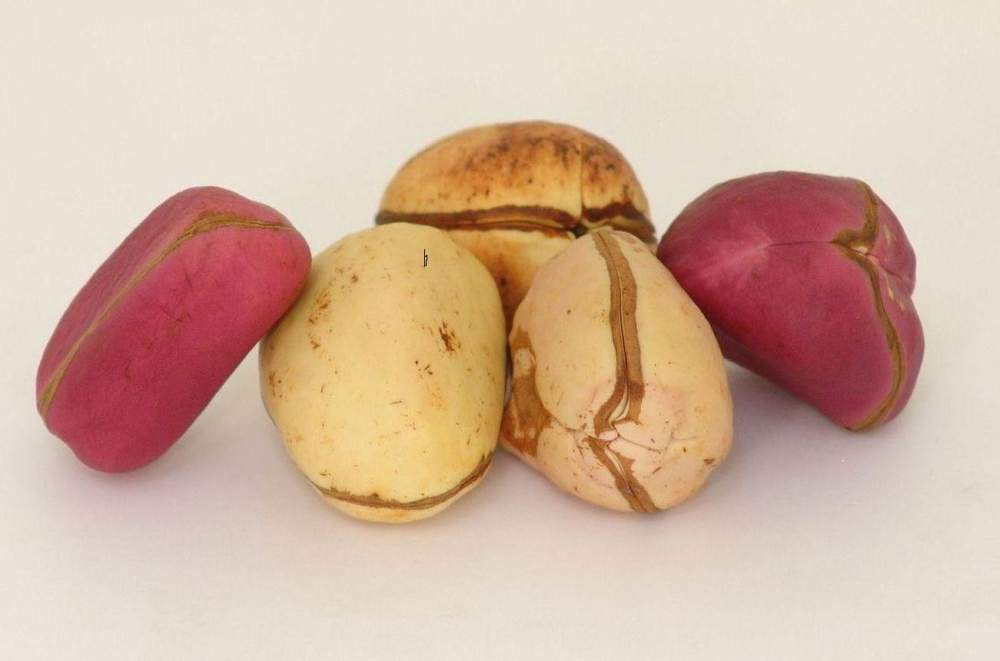
The Cola tree is a relatively slow-growing species, and its fruit is a star-shaped pod containing several seeds. These seeds are what we recognize as kola nuts. The pods typically ripen and split open, revealing the nuts within. The appearance of the kola nut can vary depending on the species. Cola acuminata nuts are generally smaller and can have two to five cotyledons (seed leaves), often in a single carpel. Cola nitida nuts, on the other hand, are larger and typically have two cotyledons. Their color can range from white to yellow, with variations of red and purple also observed.
Geographical Distribution and Cultivation
While native to the rainforests of West Africa, including countries like Nigeria, Ivory Coast, Ghana, and Sierra Leone, the cultivation of kola nuts has spread to other tropical regions. However, its most significant cultural and economic impact remains firmly rooted in its ancestral homeland. The trees thrive in humid, tropical climates with good rainfall, making the West African rainforests an ideal environment for their growth. Over centuries, indigenous communities have cultivated and harvested kola nuts, developing deep knowledge of their properties and uses. Today, while still largely a traditional crop, there is growing interest in its commercial cultivation for various global markets.
The Chemical Composition and Psychoactive Properties
The allure of the kola nut is intrinsically linked to its unique chemical makeup, which imparts its characteristic flavor and its stimulant properties. The most significant compounds are xanthines, particularly caffeine and theobromine. These alkaloids are responsible for the physiological effects associated with consuming kola nuts.
Caffeine and Theobromine: The Stimulant Duo
Caffeine, the well-known stimulant found in coffee and tea, is present in kola nuts, though often in slightly lower concentrations than in coffee beans. Theobromine, another methylxanthine, is also a key component. While it shares some similarities with caffeine, theobromine is a weaker stimulant and is also found in chocolate. Together, these compounds contribute to the kola nut’s ability to combat fatigue, enhance alertness, and provide a mild euphoric effect. The precise ratios of these alkaloids can vary between species and even individual nuts, leading to subtle differences in their impact.
Other Bioactive Compounds and Flavor Profile
Beyond the xanthines, kola nuts contain a variety of other bioactive compounds, including tannins, glycosides, and volatile oils. These contribute to the kola nut’s distinct bitter, astringent taste. The initial flavor is often described as pungent and slightly sweet, followed by a lingering bitterness. This complex flavor profile is a crucial element in its traditional uses and its incorporation into various beverages. The presence of tannins, in particular, gives the nut its characteristic dry sensation in the mouth.
Traditional Uses and Cultural Significance
The kola nut is deeply woven into the social and cultural fabric of many West African societies. Its uses extend far beyond simple sustenance, playing a vital role in communication, negotiation, and spiritual practices.
A Symbol of Hospitality and Welcome
Offering kola nuts is a profound gesture of welcome, hospitality, and respect in many West African cultures. When guests arrive, especially in traditional settings, they are often presented with kola nuts to share. This act signifies a desire for peaceful interaction, good fortune, and the breaking down of barriers. The sharing of kola nuts can precede important discussions, negotiations, and ceremonies, serving as a symbolic act of goodwill. The refusal of a kola nut can be interpreted as an insult or a sign of distrust.
Rituals, Ceremonies, and Social Gatherings
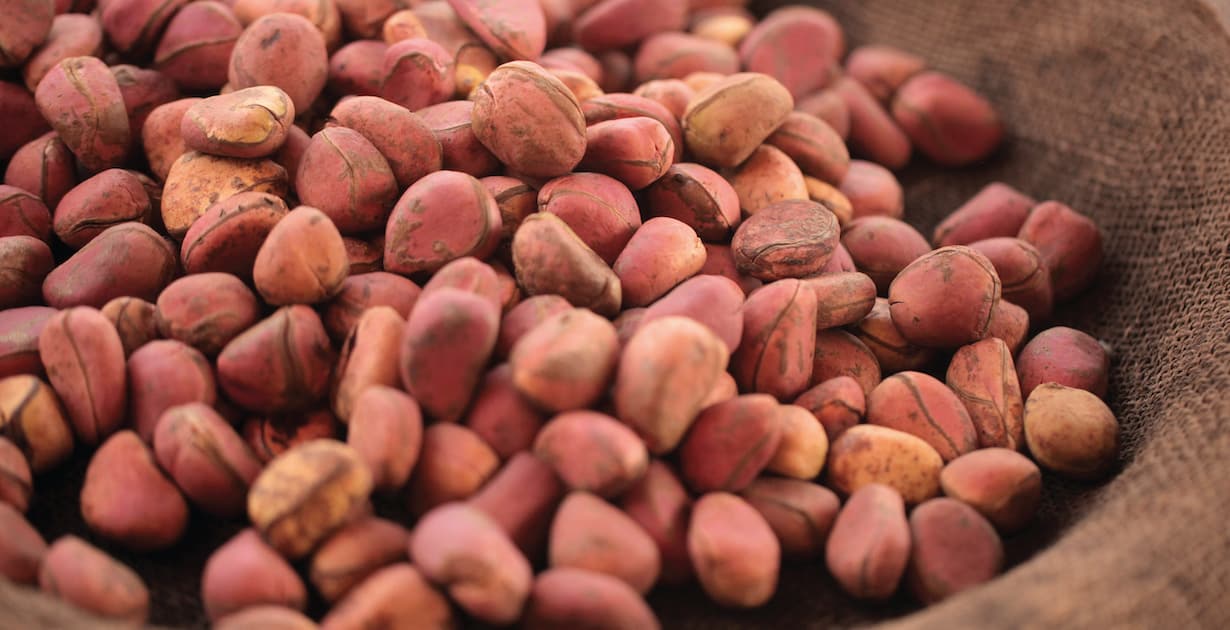
Kola nuts are integral to a wide array of traditional rituals and ceremonies. They are used in naming ceremonies, weddings, funerals, and various religious observances. In some communities, kola nuts are believed to have spiritual properties and are offered to deities or ancestors. The breaking of the kola nut is often a ceremonial act, with different pieces being distributed among elders or key figures, each signifying a different aspect of the gathering or discussion. The manner in which the nut breaks can also be interpreted for divinatory purposes.
Medicinal Applications and Traditional Remedies
For centuries, kola nuts have been utilized in traditional West African medicine. Their stimulant properties have been harnessed to combat fatigue, improve stamina, and treat ailments such as asthma and whooping cough. The astringent qualities of the nut have been used to treat diarrhea and other digestive issues. While modern scientific research is still exploring many of these traditional uses, the historical reliance on kola nuts for medicinal purposes highlights their perceived therapeutic benefits within indigenous communities.
The Kola Nut’s Global Journey: From Africa to Soda
The story of the kola nut takes a fascinating turn when we consider its unintended but significant impact on the global beverage industry, particularly in the creation of some of the world’s most recognizable sodas.
The Birth of Carbonated Beverages
The stimulant properties and distinctive flavor of the kola nut made it a prime candidate for inclusion in early medicinal tonics and beverages. In the late 19th century, as the popularity of carbonated drinks surged, entrepreneurs began experimenting with various ingredients to create novel and appealing concoctions. It was during this period that the kola nut found its way into the recipes that would eventually define entire categories of soft drinks.
Coca-Cola and the Iconic Flavor
Perhaps the most famous association of the kola nut is with Coca-Cola. While the exact formula remains a closely guarded secret, it is widely believed that the kola nut was a key ingredient in the original formulation of Coca-Cola, contributing to its unique taste and its perceived invigorating qualities. The name “Coca-Cola” itself is derived from two of its original ingredients: coca leaves (from which cocaine was later removed) and kola nuts. The caffeine from the kola nut provided the stimulant effect that was highly sought after in early tonic waters. While the reliance on kola nut extract has evolved over time, its historical connection to the iconic beverage remains a significant chapter in its global journey.
Other Cola-Flavored Drinks
Beyond Coca-Cola, other early carbonated beverages also incorporated kola nut extract. These included brands like Pepsi-Cola, which also derived its name from cola nuts and coca leaves. The characteristic flavor profile imparted by the kola nut became a signature element of this new class of refreshing beverages, contributing to their widespread appeal across different cultures and demographics. The global spread of these sodas inadvertently introduced the subtle flavor nuances of the kola nut to millions worldwide, even if many were unaware of its origin.
The Modern Relevance and Future Prospects
Today, the kola nut continues to hold its cultural significance in West Africa, while its global recognition has broadened due to its historical ties to the beverage industry. There is also growing interest in its potential applications in other sectors, from pharmaceuticals to cosmetics.
Continued Cultural Importance
In its native regions, the kola nut remains a vital component of social interactions and traditional practices. Its role in hospitality, ceremonies, and community gatherings is undiminished. Efforts are underway to preserve and promote the traditional cultivation and use of kola nuts, ensuring that this important cultural heritage is not lost.
Evolving Commercial Applications
While the direct use of kola nut extract in mainstream sodas may have diminished due to the availability of synthetic flavorings and caffeine sources, the historical legacy remains. Furthermore, there is renewed interest in the potential health benefits of kola nuts, with ongoing research into their antioxidant and anti-inflammatory properties. This could lead to new applications in the natural health and supplement industries.
Challenges and Opportunities
The kola nut industry faces challenges, including issues related to sustainable harvesting, market access, and competition from other stimulant sources. However, there are also significant opportunities. The growing global demand for natural ingredients and ethically sourced products could boost the market for sustainably cultivated kola nuts. Furthermore, exploring its potential in the functional food and beverage sector, beyond traditional sodas, presents an exciting avenue for future growth. The unique flavor profile and the presence of beneficial compounds offer a compelling proposition for product developers seeking innovative ingredients.
aViewFromTheCave is a participant in the Amazon Services LLC Associates Program, an affiliate advertising program designed to provide a means for sites to earn advertising fees by advertising and linking to Amazon.com. Amazon, the Amazon logo, AmazonSupply, and the AmazonSupply logo are trademarks of Amazon.com, Inc. or its affiliates. As an Amazon Associate we earn affiliate commissions from qualifying purchases.