
In the landscape of personal and business finance, debt is a common instrument used to leverage growth, purchase assets, or manage cash flow. However, when the repayment process breaks down and communication between a borrower and a lender ceases, the legal system often intercedes. At this intersection of law and finance emerges the term “judgment debtor.” Understanding what a judgment debtor is, how one reaches this status, and the profound implications it has on one’s financial future is essential for anyone navigating the complexities of modern credit.
A judgment debtor is an individual or legal entity—such as a corporation—against whom a court has entered a formal judgment for a specific sum of money. This status signifies that a legal authority has verified a debt and granted the creditor the right to use powerful legal tools to collect it. Being a judgment debtor is not merely about owing money; it represents a significant shift in the power dynamic between the debtor and the creditor, moving the dispute from a private contractual matter to a matter of public record and judicial enforcement.

The Journey from Borrower to Judgment Debtor
The transition to becoming a judgment debtor does not happen overnight. It is the culmination of a multi-stage process that typically begins with a breach of contract. Whether it is a credit card agreement, a medical bill, a personal loan, or a business invoice, the process follows a standardized legal trajectory.
The Breach of Agreement and Initial Collection Efforts
Before any court involvement, a creditor will typically attempt to collect the debt through internal channels. This includes phone calls, emails, and formal demand letters. If these efforts fail, the account is often moved to a third-party collection agency. During this phase, the consumer is a “debtor,” but the creditor’s power is limited by consumer protection laws, such as the Fair Debt Collection Practices Act (FDCPA).
The Commencement of a Lawsuit
When informal collection efforts fail, the creditor (now the plaintiff) files a lawsuit against the borrower (the defendant). The legal process begins with the service of a summons and complaint. This document outlines the creditor’s claim, the amount owed, and the basis for the legal action. This is a critical juncture for the debtor; failing to respond to this summons often leads to the most common way people become judgment debtors: the default judgment.
The Entry of Judgment
A judgment is entered in one of three primary ways:
- Default Judgment: This occurs when the defendant fails to respond to the lawsuit within the legally required timeframe. The court assumes the claims are true and grants the creditor the judgment by default.
- Summary Judgment: If the debtor responds but cannot provide a valid legal defense or prove a dispute over the facts, the court may rule in favor of the creditor without a full trial.
- Trial Verdict: After a full presentation of evidence and testimony, a judge or jury decides that the debtor owes the money.
Once the court signs the order, the borrower officially becomes a judgment debtor. The judgment typically includes the original debt amount plus interest, court costs, and, in many cases, the creditor’s attorney fees.
Enforcement Mechanisms: How Creditors Collect Judgments
Becoming a judgment debtor is a pivotal financial event because it unlocks enforcement tools that are not available to ordinary creditors. In a standard debt scenario, a creditor must ask for payment; once a judgment is secured, the creditor can take it.
Wage Garnishment
One of the most common and effective tools used against a judgment debtor is wage garnishment. This is a legal order requiring the debtor’s employer to withhold a specific portion of the debtor’s paycheck and send it directly to the creditor. While federal and state laws limit the percentage of “disposable income” that can be garnished to ensure the debtor has enough to live on, the impact on monthly cash flow can be devastating, often complicating the debtor’s ability to meet other basic financial obligations.
Bank Account Levies
A bank levy allows a creditor to freeze and seize funds directly from the judgment debtor’s bank account. Unlike garnishment, which takes a portion of future earnings, a levy can take everything currently in the account up to the total amount of the judgment. This can happen without prior warning, leaving the debtor with a frozen account and bounced checks for essential expenses like rent or utilities.
Property Liens
If a judgment debtor owns real estate, the creditor can often record the judgment in the county where the property is located. This creates a “judgment lien.” While the creditor might not immediately force a sale of the home, the lien acts as a cloud on the title. The debtor cannot sell or refinance the property without paying off the judgment. In some jurisdictions and depending on the type of property, creditors may even be able to initiate a foreclosure to satisfy the debt.
Information Subpoenas and Debtor’s Examinations
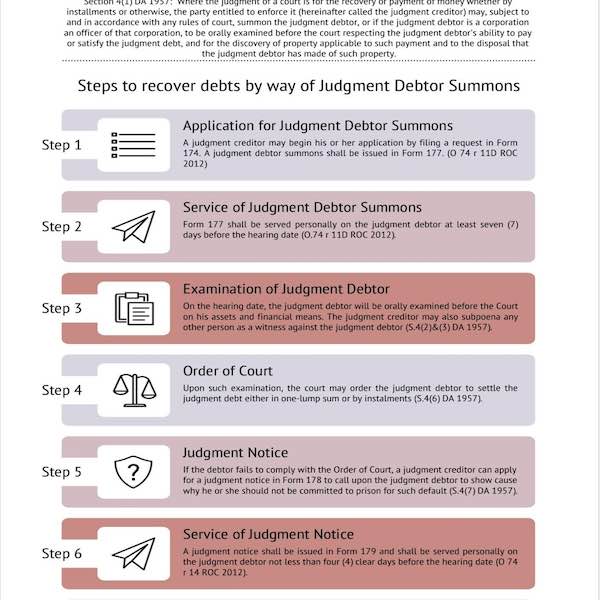
Judgment debtors are often legally required to disclose their financial lives to the creditor. Through a process known as a “debtor’s examination” or an “information subpoena,” the debtor must answer questions under oath regarding their assets, employment, bank accounts, and investments. Failure to comply with these requests can lead to a finding of contempt of court, which can result in fines or even arrest.

The Long-Term Impact on Financial Health and Credit
The status of a judgment debtor carries consequences that extend far beyond the immediate loss of funds. It fundamentally alters an individual’s financial profile and their ability to participate in the economy.
Credit Score Degradation
For many years, civil judgments were a staple of credit reports. While changes in credit reporting standards (such as the National Consumer Assistance Plan) have removed many civil judgments from standard credit reports because of data accuracy concerns, the underlying debt still exists. Furthermore, the original delinquent account that led to the judgment remains on the report as a “charge-off” or a collection account, severely lowering the credit score. Lenders who perform deep background checks or manual underwriting for mortgages and business loans will still find the public record of the judgment.
Access to Future Capital
A judgment on one’s record is a major red flag for any financial institution. It signals that a previous obligation went so far off track that the legal system had to intervene. This makes obtaining a mortgage, an auto loan, or a business line of credit extremely difficult. If credit is granted, it will almost certainly come with “subprime” interest rates, costing the debtor thousands of dollars in additional interest over the life of the loan.
Employment and Housing Hurdles
Many employers, particularly in the financial services, government, or security sectors, conduct background and credit checks. A significant outstanding judgment can suggest financial instability or a lack of accountability, potentially costing a candidate a job opportunity. Similarly, landlords frequently check for judgments during the rental application process. A judgment for a previous landlord (an “eviction judgment”) is often an automatic disqualification for new housing.
Strategic Financial Management for Judgment Debtors
While the position of a judgment debtor is challenging, it is not a financial dead end. There are specific strategies and legal protections designed to help individuals manage this status and eventually find a path to recovery.
Understanding Exemptions
Every state has “exemption” laws that protect certain types of property and income from being seized by judgment creditors. Common exemptions include a portion of equity in a primary residence (homestead exemption), a basic vehicle, necessary household goods, and specific retirement accounts like 401(k)s and IRAs. Furthermore, certain types of income, such as Social Security benefits, disability payments, and unemployment compensation, are generally “judgment proof,” meaning creditors cannot garnish them.
Negotiation and Post-Judgment Settlements
Even after a judgment is entered, the door to negotiation is not completely closed. Creditors often prefer a guaranteed lump-sum payment over the long, expensive process of garnishing wages or chasing bank accounts. A judgment debtor may be able to settle the debt for a percentage of the total judgment, especially if they can demonstrate that they have limited assets and that the creditor’s collection prospects are dim.
The Role of Bankruptcy
For many judgment debtors, the weight of multiple judgments or a single massive judgment becomes insurmountable. In such cases, filing for bankruptcy—specifically Chapter 7 or Chapter 13—can offer a “fresh start.” The filing of a bankruptcy petition triggers an “automatic stay,” which immediately halts all collection actions, including wage garnishments and bank levies. In a Chapter 7 bankruptcy, the judgment debt is often discharged (eliminated) entirely, provided it was not based on fraud or certain other non-dischargeable categories.
Vacating a Judgment
In some specific circumstances, a judgment debtor may be able to ask the court to “vacate” or set aside the judgment. This is usually only possible if the debtor can prove they were never properly served with the initial lawsuit or if they have a compelling legal reason why they missed the court date (excusable neglect). If the judgment is vacated, the legal clock resets, and the debtor has a second chance to defend themselves in court.
Moving Toward Financial Recovery
The journey back from being a judgment debtor requires discipline and a proactive approach to financial rebuilding. Once a judgment is satisfied—whether through full payment, settlement, or bankruptcy—it is crucial to obtain a “Satisfaction of Judgment” from the creditor and ensure it is filed with the court. This document is the formal proof that the debt is resolved.
Recovery involves rebuilding one’s credit profile from the ground up. This typically starts with secured credit cards, where a deposit acts as the credit limit, and consistent, on-time payments are reported to credit bureaus. It also requires a meticulous approach to budgeting to ensure that no future obligations fall into delinquency.
Ultimately, the status of a judgment debtor is a serious financial condition, but it is one defined by law, not by permanent failure. By understanding the mechanisms of the court, the tools available to creditors, and the protections afforded by the law, individuals can navigate the pressures of a judgment and work toward restoring their financial reputation and stability. Understanding the risks is the first step; taking strategic action is the second. In the world of finance, knowledge is the most effective tool for turning a period of legal and financial distress into a foundation for future fiscal health.
aViewFromTheCave is a participant in the Amazon Services LLC Associates Program, an affiliate advertising program designed to provide a means for sites to earn advertising fees by advertising and linking to Amazon.com. Amazon, the Amazon logo, AmazonSupply, and the AmazonSupply logo are trademarks of Amazon.com, Inc. or its affiliates. As an Amazon Associate we earn affiliate commissions from qualifying purchases.