
In the intricate landscape of modern business operations, the pursuit of profit often dominates strategic discussions. Yet, lurking beneath the surface of production targets and market share aspirations are potential pitfalls that can severely erode financial health: workplace hazards. A single accident, injury, or operational mishap can trigger a cascade of direct and indirect costs, threatening solvency and long-term sustainability. This is where the Job Hazard Analysis (JHA) emerges not merely as a safety protocol but as a critical financial tool, an indispensable component of sound business finance and risk management.

A Job Hazard Analysis, often interchangeably referred to as a Job Safety Analysis (JSA), is a systematic process designed to identify potential hazards associated with each step of a specific job or task, and then to determine the safest and most efficient way to perform it. While its primary goal is to prevent workplace injuries, illnesses, and property damage, its secondary—yet equally vital—function is to safeguard a company’s financial stability. By proactively addressing dangers before they manifest as incidents, JHA acts as a robust line of defense against unforeseen expenses, regulatory penalties, and reputational damage, all of which bear significant financial weight. Understanding and implementing JHA is thus not just about adhering to compliance, but about making a smart investment in a company’s bottom line.
The Core Concept: Understanding Job Hazard Analysis
At its heart, a Job Hazard Analysis is a detailed examination of a job to identify existing or potential hazards and recommend actions or procedures to eliminate or reduce them to an acceptable level. It’s a structured approach to foresight, transforming reactive accident response into proactive prevention—a shift that carries substantial financial advantages.
Defining JHA: Purpose and Scope
A JHA breaks down a job into its fundamental steps, analyzing each step for potential hazards, and then prescribing control measures. The purpose is multifold: to protect employees, prevent property damage, enhance operational efficiency, and crucially, mitigate financial risk. It applies to tasks that are new, have undergone changes, are complex, or have a history of accidents. The scope can range from simple tasks like operating a forklift to complex processes in manufacturing or construction, all with the underlying objective of preventing costly incidents.
The Systematic JHA Process
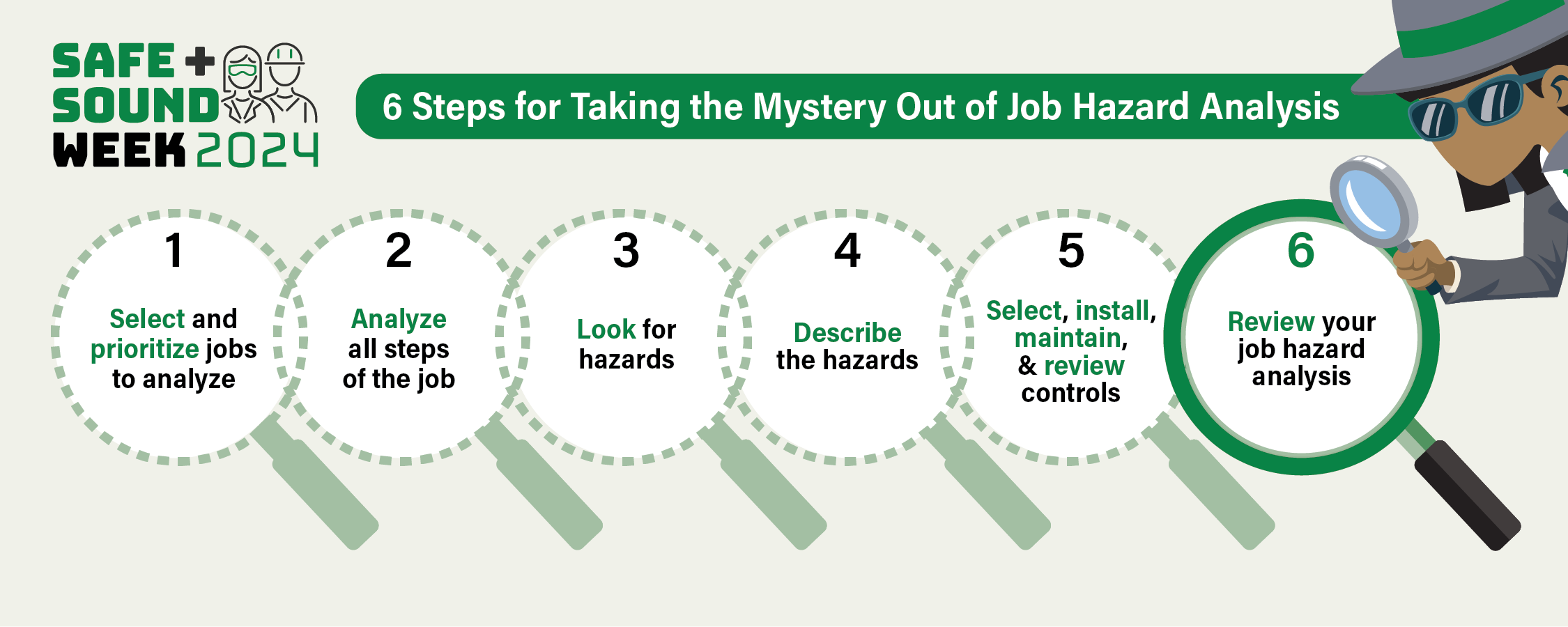
An effective JHA follows a logical, step-by-step methodology to ensure thoroughness and accuracy:
-
Select the Job: Prioritize jobs based on accident history, potential for severe injury, newness, or complexity. Jobs that involve non-routine tasks or those performed infrequently are also prime candidates, as they often lack established safety protocols.
-
Break Down the Job into Steps: List each individual step of the job in chronological order. Each step should be a distinct action, typically involving movement or a specific task, and concise enough to be analyzed individually but broad enough not to become overly granular.
-
Identify Potential Hazards for Each Step: For every step, ask: “What could go wrong here?” Consider all types of hazards: mechanical, electrical, chemical, ergonomic, environmental, and human factors. This requires careful observation, experience, and often, input from those who regularly perform the job.
-
Recommend Control Measures: Once hazards are identified, determine how to eliminate or control them. This follows the hierarchy of controls: elimination (physically remove the hazard), substitution (replace the hazard), engineering controls (isolate people from the hazard), administrative controls (change the way people work), and Personal Protective Equipment (PPE) (protect the worker with PPE). These recommendations must be practical, effective, and sustainable.
Beyond Compliance: Proactive Financial Risk Management
Many businesses view JHA solely through the lens of regulatory compliance—a necessary evil to avoid fines. However, this perspective misses the profound financial benefits. JHA is a proactive risk management strategy that, when implemented diligently, significantly reduces the likelihood of costly incidents. It shifts focus from merely meeting minimum standards to actively cultivating a safer, more efficient, and ultimately more profitable operational environment. This proactive stance translates directly into fewer financial drains caused by accidents, making JHA an investment rather than an expense.
The Hidden Costs of Workplace Hazards
The financial fallout from workplace hazards extends far beyond the immediately visible expenses. Businesses often underestimate the true economic impact of an incident, overlooking a vast array of indirect costs that can cripple even robust organizations. Understanding these hidden costs underscores the financial imperative of a robust JHA program.
Direct Financial Costs
These are the readily quantifiable expenses immediately following an accident or incident:
-
Medical Expenses and Worker’s Compensation: Costs for treating injured employees, including hospital stays, doctor visits, medication, rehabilitation, and long-term care. Worker’s compensation claims directly increase insurance premiums and payouts.
-
Legal Fees and Settlements: In cases of severe injury or negligence, businesses can face hefty legal battles, defense costs, and substantial settlement or judgment payments.
-
Regulatory Fines and Penalties: Government agencies (e.g., OSHA in the US) impose significant fines for safety violations, especially if an accident occurs due to non-compliance.
-
Property Damage and Repair: Costs associated with repairing or replacing damaged equipment, machinery, facilities, or raw materials.
-
Increased Insurance Premiums: A history of workplace accidents inevitably leads to higher premiums for general liability, worker’s compensation, and other relevant business insurance policies.
Indirect Financial Costs
Often dwarfing direct costs, these expenses are harder to quantify but can have a devastating long-term impact on a company’s finances:
-
Lost Productivity and Business Disruption:
-
Injured worker’s lost time: Absence from work, even short-term, disrupts workflows.
-
Coworker disruption: Time spent assisting the injured, investigating the incident, or discussing it.
-
Management time: Executives and supervisors divert valuable time to incident investigation, reporting, insurance paperwork, and legal consultations.
-
Production delays: Stoppage of work, equipment downtime, missed deadlines, and inability to fulfill orders.
-
-
Decreased Employee Morale and Engagement: Accidents create a climate of fear and distrust, leading to lower morale, increased stress, reduced job satisfaction, and potentially higher employee turnover. The financial cost of replacing and training new employees is substantial.
-
Reputational Damage: Accidents can severely tarnish a company’s public image, impacting customer trust, investor confidence, and ability to attract top talent. This can translate into lost sales, decreased market share, and difficulty securing future contracts or investments.
-
Administrative Burden: The sheer volume of paperwork, reporting, and follow-up required after an incident consumes significant administrative resources, diverting staff from core profit-generating activities.
The Multiplier Effect: Indirect Outweighing Direct
Studies by organizations like OSHA often suggest that indirect costs can be 4 to 20 times greater than direct costs. For instance, a direct cost of $10,000 for a minor injury might balloon into $50,000 to $200,000 or more when indirect factors like lost productivity, morale dip, and administrative overhead are factored in. This “iceberg effect,” where only a small fraction of the true cost is visible, highlights why JHA is not just a moral imperative but an acute financial necessity. Ignoring workplace hazards is akin to knowingly accepting a gaping hole in a company’s financial defense strategy.
JHA as a Strategic Financial Tool
Far from being a mere regulatory burden, a well-executed Job Hazard Analysis program is a powerful strategic financial tool. It offers tangible returns on investment by driving down costs, enhancing operational efficiency, and protecting the company’s most valuable assets.
Cost Reduction and Avoidance
The most direct financial benefit of JHA is the prevention of accidents, which immediately translates into cost avoidance. By identifying and mitigating hazards, businesses avoid medical expenses, worker’s compensation claims, property damage repairs, and the myriad of indirect costs associated with incidents. Every avoided accident represents savings that directly contribute to the bottom line, turning potential liabilities into preserved capital.
Optimized Insurance Premiums
Insurance companies assess risk when determining premiums. Businesses with robust safety programs, demonstrated by proactive measures like JHA, present a lower risk profile. This can lead to favorable negotiation positions, resulting in lower premiums for worker’s compensation, general liability, and property insurance. Over time, these savings can be substantial, making JHA a measurable investment with clear financial returns.
Enhanced Productivity and Morale
A safe working environment, fostered by effective JHA, reduces disruptions caused by accidents or near-misses. Employees who feel safe are more focused, productive, and less likely to experience stress or anxiety related to their work environment. High morale reduces absenteeism, improves retention rates, and fosters a more engaged workforce, all of which positively impact overall productivity and operational efficiency—factors directly tied to profitability.
Protecting Brand and Reputation (Financial Impact)
While “Brand” is a separate category, its financial impact is undeniable. A company’s reputation for safety is a valuable asset. Incidents, particularly those resulting in serious injury or fatality, can lead to severe reputational damage, customer boycotts, investor divestment, and difficulty attracting skilled labor. Such damage can translate into significant financial losses through decreased sales, reduced market share, and a weakened ability to compete. JHA, by preventing these incidents, acts as a guardian of the company’s brand image, safeguarding its financial value in the marketplace.
Regulatory Compliance and Fines Avoidance
Staying compliant with occupational safety regulations (e.g., OSHA standards) is a baseline requirement, but non-compliance carries severe financial penalties. Fines for safety violations can range from thousands to hundreds of thousands of dollars, depending on the severity and repeat nature of the offense. JHA systematically addresses these requirements, ensuring that jobs are performed safely and legally, thereby eliminating or drastically reducing the risk of costly government sanctions.
Implementing an Effective JHA Program for Financial Gain
To truly harness the financial power of a Job Hazard Analysis, businesses must move beyond superficial implementation. It requires a dedicated, integrated approach that weaves safety into the very fabric of operational and financial planning.
Management Commitment: An Investment in Safety
The success of any JHA program hinges on unwavering commitment from top management. This isn’t just about issuing mandates; it’s about allocating resources—time, personnel, and budget—for training, equipment, and implementation. When management views safety as a strategic investment rather than a cost center, the financial returns follow. This commitment sends a clear message throughout the organization: safety is a priority, and its financial benefits are understood and valued.
Employee Involvement: Harnessing Frontline Expertise
No one understands a job’s nuances and potential hazards better than the employees who perform it daily. Involving frontline workers in the JHA process is crucial. Their insights are invaluable for identifying overlooked risks and developing practical, effective control measures. This participation also fosters a sense of ownership and responsibility, leading to greater adherence to safety protocols and a more proactive safety culture, further enhancing the financial gains from accident reduction.
Regular Review and Updates: Dynamic Financial Protection
Business operations are not static. New equipment is introduced, processes change, and new chemicals or materials might be used. An effective JHA program is therefore dynamic, not a one-time exercise. Regular reviews and updates are essential to ensure that JHAs remain relevant and effective. This continuous improvement cycle ensures ongoing financial protection against evolving workplace hazards and maintains the integrity of the safety investment.
Training and Communication: Cultivating a Safety-Conscious Workforce
Even the most meticulously crafted JHA is ineffective without proper communication and training. Employees must be trained on the identified hazards and the prescribed control measures for their specific tasks. This training should be ongoing, clear, and reinforced regularly. A well-informed workforce is a safety-conscious workforce, less prone to accidents, and better equipped to identify and report new hazards, thereby continuously safeguarding the company’s financial well-being.
Conclusion
In an economic climate where every dollar counts, a Job Hazard Analysis transcends its traditional role as a safety document to become an indispensable financial strategy. It is the foresight that prevents catastrophic losses, the investment that yields substantial returns in reduced costs, optimized operations, and enhanced productivity. By systematically identifying, assessing, and controlling workplace hazards, businesses are not just protecting their employees; they are fortifying their financial foundations, securing their brand reputation, and investing in a sustainable, profitable future. Embracing JHA is not merely a choice for safety; it is a shrewd financial decision that every forward-thinking business must make to thrive in a complex and competitive world.
aViewFromTheCave is a participant in the Amazon Services LLC Associates Program, an affiliate advertising program designed to provide a means for sites to earn advertising fees by advertising and linking to Amazon.com. Amazon, the Amazon logo, AmazonSupply, and the AmazonSupply logo are trademarks of Amazon.com, Inc. or its affiliates. As an Amazon Associate we earn affiliate commissions from qualifying purchases.