
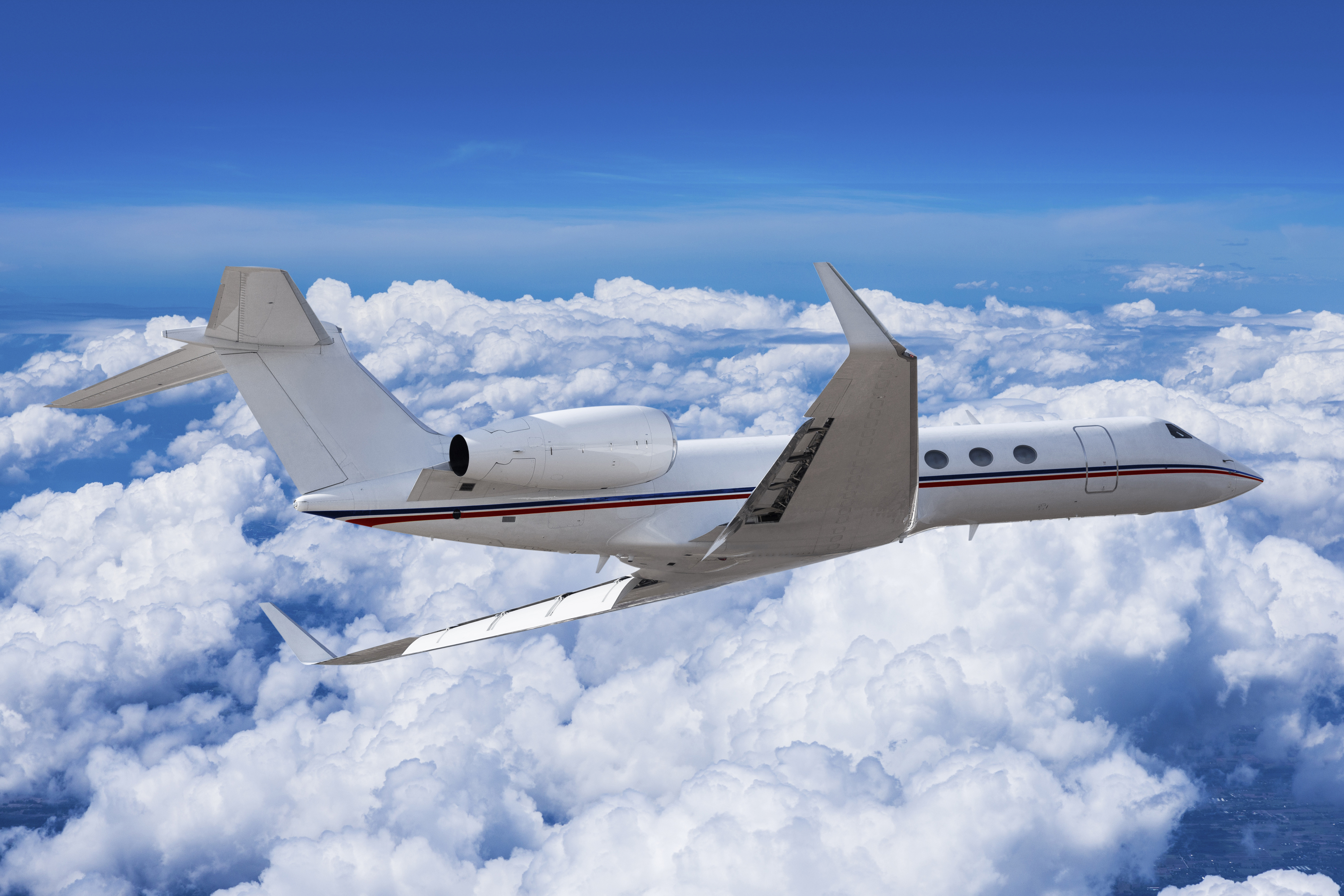
A jet airplane represents one of humanity’s most significant technological triumphs, fundamentally altering travel, commerce, and defense. At its core, a jet airplane is an aircraft propelled by jet engines, which generate thrust by expelling a high-velocity jet of fluid. This seemingly simple principle belies a complex interplay of physics, advanced engineering, and cutting-edge materials science, enabling these machines to achieve speeds and altitudes far beyond the capabilities of propeller-driven aircraft. Understanding a jet airplane requires delving into the intricate mechanics of its propulsion system, the aerodynamic principles governing its flight, and the sophisticated technologies that ensure its safe and efficient operation.
The Fundamental Principle of Jet Propulsion
The operation of a jet airplane hinges on a foundational principle of physics: Newton’s Third Law of Motion. This law states that for every action, there is an equal and opposite reaction. In the context of a jet engine, the “action” is the expulsion of a high-velocity stream of gas rearward, and the “reaction” is the forward thrust generated, propelling the aircraft.
Newton’s Third Law in Action
A jet engine works by drawing air into its front, compressing it, mixing it with fuel, igniting the mixture to produce hot, high-pressure gas, and then expelling this gas through a nozzle at the rear. The rapid expansion and ejection of these gases create the powerful forward push known as thrust. This process is continuous and highly efficient, especially at high altitudes where the air density is lower, reducing drag and increasing engine efficiency. Unlike propellers, which accelerate a large mass of air to a moderate speed, jet engines accelerate a smaller mass of air to a very high speed, making them exceptionally well-suited for high-speed flight.
From Piston to Jet: A Paradigm Shift in Power
Before the advent of the jet engine, aircraft were primarily powered by piston engines driving propellers. Propeller aircraft are effective at lower speeds and altitudes, as their propellers are designed to push against denser air. However, as aircraft speed increases, the tips of propeller blades approach the speed of sound, creating shockwaves and significant inefficiencies. Jet engines, developed in the late 1930s and early 1940s, bypassed this limitation entirely. By generating thrust internally and directly expelling gases, they could overcome the “propeller barrier” and unlock speeds previously thought impossible for sustained flight. This innovation marked a transformative shift, paving the way for commercial air travel as we know it and revolutionizing military aviation with faster, higher-flying aircraft.
Anatomy of a Jet Engine
The heart of any jet airplane is its engine, a masterpiece of thermomechanical engineering. While there are several types of jet engines, they all share core components that facilitate the combustion and expulsion of gases to generate thrust.
The Core Components: Intake, Compressor, Combustor, Turbine, Nozzle
- Intake (or Inlet): This is the front-most part of the engine, designed to efficiently channel air into the compressor. Its shape is critical for minimizing drag and ensuring a smooth, high-volume airflow under various flight conditions.
- Compressor: Immediately behind the intake, the compressor consists of multiple stages of rotating blades (rotors) and stationary blades (stators). These blades progressively squeeze and accelerate the incoming air, significantly increasing its pressure and temperature. This compressed air is essential for efficient combustion.
- Combustor (or Combustion Chamber): Here, fuel is injected into the highly compressed air and ignited, creating a continuous flame. The combustion process generates extremely hot, high-pressure gases. This is where the chemical energy of the fuel is converted into thermal and kinetic energy.
- Turbine: Downstream from the combustor, the hot, expanding gases pass through the turbine section. The turbine is comprised of multiple stages of blades connected to a central shaft. As the gases rush past, they spin the turbine blades, which in turn drive the compressor (and often a fan in turbofan engines) via the connecting shaft. This critical component extracts energy from the hot gas stream to power the front sections of the engine.
- Nozzle: The final component, the nozzle, is where the high-velocity gases are accelerated and expelled from the engine. The shape of the nozzle dictates the efficiency of thrust generation, converting the high-pressure, high-temperature gas into a high-speed jet stream.
Types of Jet Engines: Turbojet, Turbofan, Turboprop, Ramjet, Scramjet
While the basic principle remains, jet engines come in several specialized configurations:
- Turbojet: The simplest form, where all the air passing through the engine goes through the compressor, combustor, and turbine. Effective at high speeds and altitudes but less fuel-efficient at lower speeds.
- Turbofan: The most common type for commercial aircraft. It incorporates a large fan at the front which bypasses a significant portion of the air around the engine core. This “bypass air” generates additional thrust and significantly improves fuel efficiency and reduces noise compared to pure turbojets, especially at subsonic speeds.
- Turboprop: In this design, the turbine powers a conventional propeller instead of just the compressor. While technically a jet engine as it uses a gas turbine, the majority of its thrust comes from the propeller. Ideal for lower speeds and shorter flights, offering excellent fuel efficiency.
- Ramjet: A simplified jet engine with no moving parts. It relies on the forward motion of the aircraft to ram and compress air into the combustion chamber. Only effective at supersonic speeds, as it cannot produce thrust at rest or low speeds.
- Scramjet (Supersonic Combustion Ramjet): An advanced variant of the ramjet capable of operating at hypersonic speeds (Mach 5+). Unlike a ramjet, it combusts fuel in supersonic airflow, presenting extreme engineering challenges due to the brief contact time for combustion.
The Engineering Marvels that Define Modern Jet Aircraft
Beyond the engine itself, a jet airplane is a testament to multidisciplinary engineering excellence. Every component, from the wingtip to the tail, is optimized for performance, safety, and efficiency.
Aerodynamics and Airframe Design
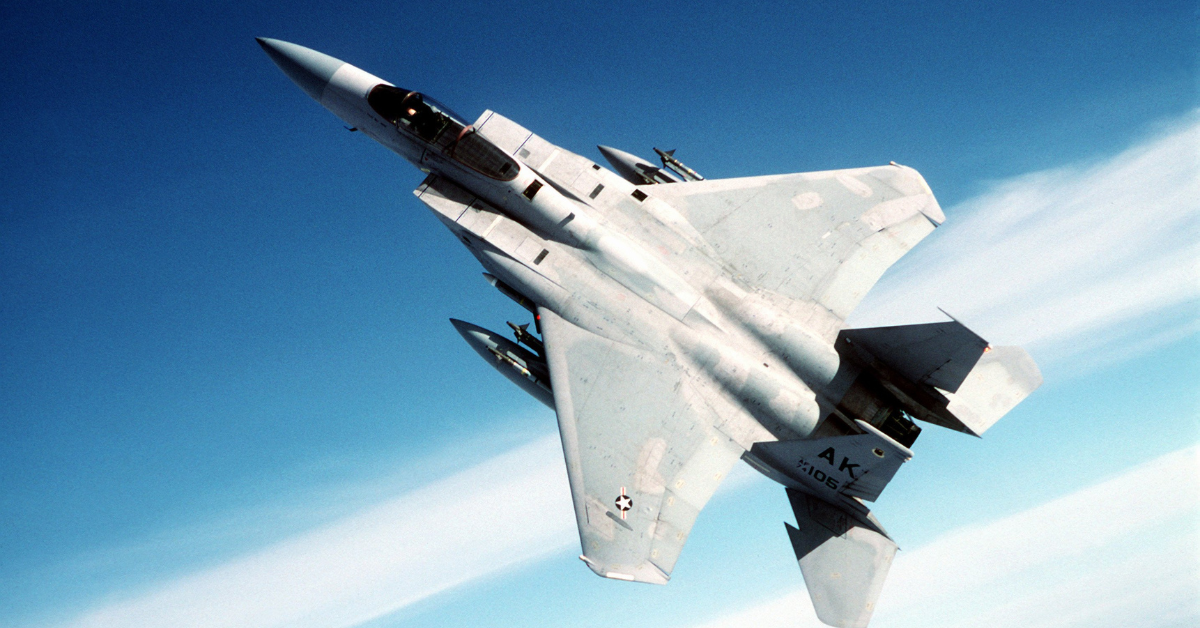
The shape of a jet airplane’s airframe is meticulously designed to maximize lift and minimize drag. Swept wings are a hallmark of most high-speed jet aircraft, delaying the onset of shockwaves at transonic speeds and improving performance. Winglets, often seen at wingtips, further reduce drag by mitigating wingtip vortices. The fuselage is designed for optimal streamlining, and control surfaces (ailerons, elevators, rudder) are engineered for precise manipulation of the aircraft’s attitude and direction. Computational Fluid Dynamics (CFD) plays a crucial role in simulating airflow and optimizing designs before physical prototypes are even built, allowing engineers to refine shapes for peak aerodynamic efficiency.
Advanced Materials and Manufacturing
Modern jet airplanes are built with an array of advanced materials. While aluminum alloys remain prevalent, composites like carbon fiber reinforced polymers (CFRPs) are increasingly used for their exceptional strength-to-weight ratio and fatigue resistance. These materials significantly reduce the aircraft’s overall weight, leading to improved fuel efficiency and payload capacity. Manufacturing techniques have also evolved, incorporating automated assembly, robotic riveting, and additive manufacturing (3D printing) for complex, lightweight components, enhancing precision and reducing production costs.
Avionics and Control Systems: The Brains of the Aircraft
Avionics, the electronic systems used in aircraft, are the “brains” of a jet airplane. Modern cockpits feature integrated digital systems, including Flight Management Systems (FMS), Glass Cockpits (displaying flight data on screens rather than analog gauges), and sophisticated navigation systems (GPS, INS). Fly-by-wire (FBW) control systems replace traditional mechanical linkages with electronic signals, offering lighter, more reliable, and more precise control, often incorporating flight envelope protection to prevent pilots from exceeding safe operating limits. These systems enhance safety, reduce pilot workload, and improve operational efficiency.
Fuel Efficiency and Environmental Technology
With increasing environmental concerns, fuel efficiency has become a paramount design consideration. Turbofan engines with very high bypass ratios are continuously being refined to reduce fuel burn. Aerodynamic improvements, weight reduction through advanced materials, and optimized flight paths dictated by FMS all contribute. Furthermore, research into sustainable aviation fuels (SAFs) derived from biomass or synthetic processes, as well as the development of hybrid-electric and fully-electric propulsion systems for smaller aircraft, signifies a concerted effort to minimize the environmental footprint of jet aviation.
Evolution and Future of Jet Technology
The history of jet airplanes is one of continuous innovation, and the future promises even more radical advancements driven by demands for greater efficiency, sustainability, and connectivity.
Historical Milestones and Technological Leaps
From the pioneering flights of the German Heinkel He 178 in 1939 and the British Gloster E.28/39 in 1941, jet technology rapidly advanced through military applications during WWII. The 1950s saw the introduction of the De Havilland Comet, the world’s first commercial jetliner, followed by iconic aircraft like the Boeing 707 and Douglas DC-8, which truly ushered in the age of mass air travel. Subsequent generations focused on improved safety, efficiency, and range, culminating in today’s sophisticated airliners and high-performance military jets. Each era brought technological leaps, from improved engine metallurgy to advanced composite structures and fully digital flight decks.
Supersonic and Hypersonic Flight
While supersonic commercial flight largely ended with the Concorde, renewed interest in faster-than-sound travel for specialized applications and military use is driving new research. Projects like NASA’s X-59 QueSST aim to develop “quiet” supersonic technologies that reduce the sonic boom. Beyond supersonic, hypersonic flight (Mach 5 and above) represents the next frontier. Scramjet engines and advanced heat-resistant materials are crucial for this domain, with potential applications ranging from rapid global transport to advanced space launch systems. The engineering challenges are immense, involving extreme temperatures and pressures, but the potential rewards are revolutionary.
Electrification and Sustainable Aviation Fuels
The future of aviation is undeniably moving towards greater sustainability. Electric and hybrid-electric propulsion systems are being explored for short-haul and regional aircraft, leveraging battery technology and potentially hydrogen fuel cells. For larger aircraft, sustainable aviation fuels (SAFs) derived from renewable sources are seen as a critical pathway to decarbonization, requiring technological advancements in fuel production and engine compatibility. Hydrogen, as a direct fuel source, is also being investigated, requiring entirely new aircraft designs for its storage and combustion.
AI, Automation, and Enhanced Safety Features
Artificial intelligence (AI) and increased automation are set to redefine the operational aspects of jet airplanes. AI could optimize flight paths in real-time to avoid turbulence and conserve fuel, enhance predictive maintenance systems, and even assist pilots in complex decision-making scenarios. Greater levels of autonomy in flight control and navigation are also on the horizon, potentially leading to single-pilot operations or even fully autonomous cargo flights. These advancements promise to further enhance safety, reduce human error, and improve the overall efficiency of air travel, continuing the relentless technological progress that has characterized jet aviation for decades.
aViewFromTheCave is a participant in the Amazon Services LLC Associates Program, an affiliate advertising program designed to provide a means for sites to earn advertising fees by advertising and linking to Amazon.com. Amazon, the Amazon logo, AmazonSupply, and the AmazonSupply logo are trademarks of Amazon.com, Inc. or its affiliates. As an Amazon Associate we earn affiliate commissions from qualifying purchases.