
In the modern landscape of business finance and personal economic planning, the concept of “intermittent leave” has transitioned from a niche HR term to a critical factor in workforce management and individual financial stability. Whether you are a business owner calculating the bottom line or an employee managing a complex medical situation, understanding the mechanics of intermittent leave is essential for maintaining fiscal health.
At its core, intermittent leave allows an employee to take time off in separate blocks of time due to a single qualifying reason, rather than taking one continuous leave of absence. From a financial perspective, this introduces a unique set of variables regarding payroll, productivity, and income protection. This guide explores the multifaceted nature of intermittent leave through the lens of business finance and personal wealth management.
The Financial Mechanics of Intermittent Leave and FMLA
For most professionals in the United States, intermittent leave is synonymous with the Family and Medical Leave Act (FMLA). Understanding the financial implications of this federal protection is the first step in navigating its use.
Understanding the Regulatory Framework and Unpaid Nature
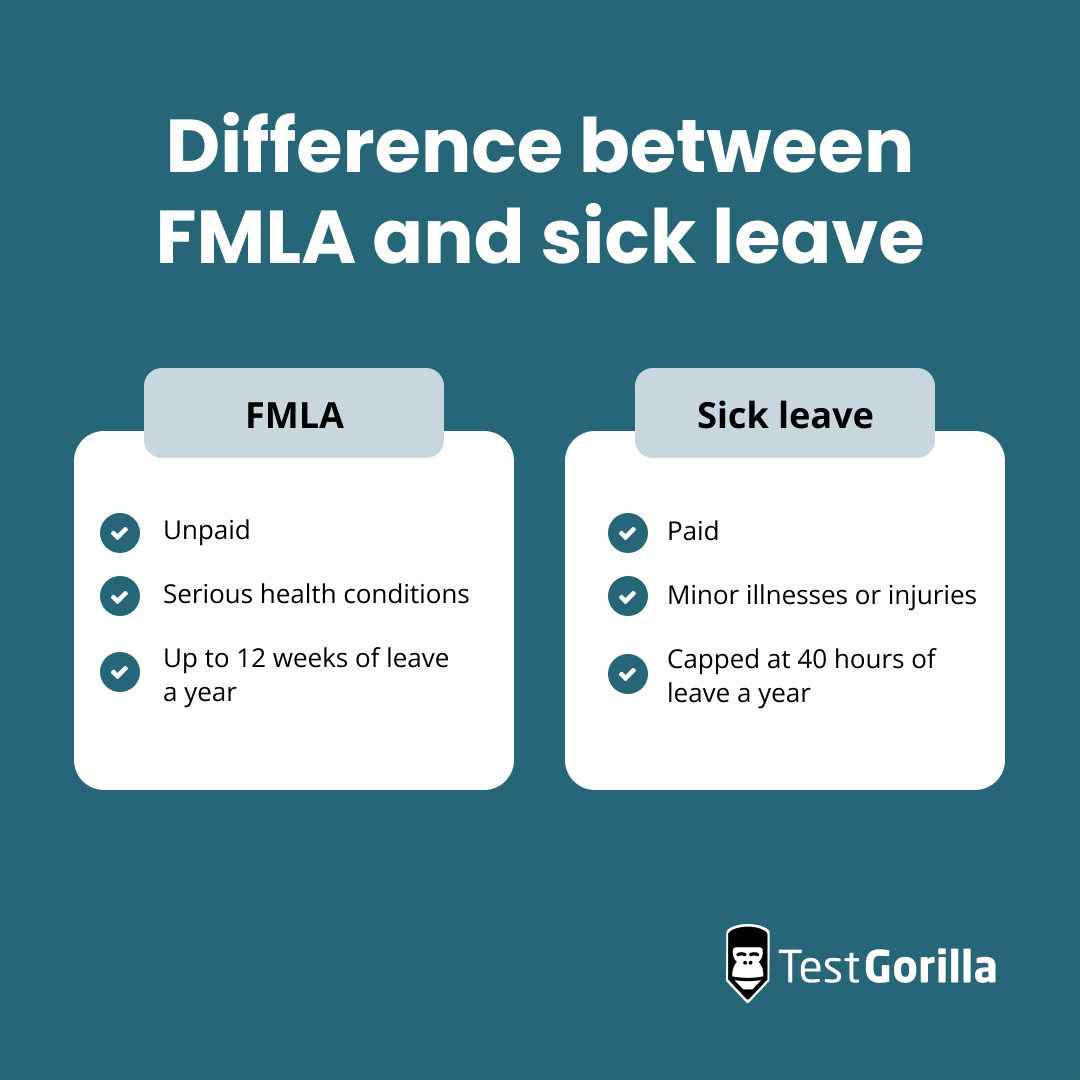
FMLA provides eligible employees with up to 12 weeks of job-protected leave per year for specified family and medical reasons. The “intermittent” aspect means this leave can be taken in increments as small as an hour, or as large as several days. Crucially, from a personal finance standpoint, FMLA is generally unpaid.
For the individual, this creates a “variable income” scenario. Unlike a standard salary, an employee utilizing intermittent leave must account for fluctuations in their take-home pay. For the employer, this requires a sophisticated accounting system to ensure that hours are docked correctly while maintaining the employee’s eligibility for group health benefits, which the employer must continue during the leave period.
Impact on Payroll and Tax Strategy
Intermittent leave complicates the standard payroll cycle. When an employee takes a few hours off twice a week for chemotherapy or physical therapy, the payroll department must reconcile these “micro-absences.” For businesses, this increases administrative overhead—a “hidden cost” of intermittent leave.
From a tax perspective, the reduction in gross income for the employee might shift them into a lower tax bracket, which requires careful planning with a financial advisor. Furthermore, employers may be eligible for certain tax credits depending on state-level paid leave programs that supplement the federal FMLA, making it a vital component of corporate tax strategy.
Navigating the Business Impact: A Corporate Finance Perspective
From a business finance viewpoint, intermittent leave is more than an HR policy; it is a line item that affects the company’s operational efficiency and profitability.
Managing Indirect Costs and Productivity Loss
The direct cost of intermittent leave is often zero (if unpaid), but the indirect costs can be substantial. When an employee is absent unpredictably, it can disrupt workflows, delay project timelines, and necessitate the use of overtime for other staff members.
Financial officers must calculate the “Internal Rate of Return” (IRR) on human capital. If a key contributor is on intermittent leave, the company may need to invest in “redundancy training”—training multiple people to perform a single task—to ensure that a sudden absence doesn’t result in a revenue-stopping bottleneck. Managing these contingencies is a vital part of mid-to-long-term financial forecasting.
Regulatory Compliance and Avoiding Costly Litigation
Perhaps the most significant financial risk associated with intermittent leave is the cost of non-compliance. The Department of Labor strictly enforces FMLA guidelines. Mistakes in tracking leave, or worse, retaliatory actions against an employee taking leave, can lead to massive lawsuits, back-pay settlements, and legal fees.
For a business, investing in robust Leave Management Software is a capital expenditure that pays for itself by mitigating the risk of litigation. A single mismanaged intermittent leave case could cost a mid-sized company hundreds of thousands of dollars in legal settlements, making compliance a cornerstone of sound business finance.
Strategies for Employee Financial Stability During Leave
If you are an employee facing the need for intermittent leave, the primary challenge is the preservation of your personal cash flow. Without a steady paycheck, your financial plan can quickly unravel.
Utilizing Short-Term Disability and Supplemental Insurance
While FMLA protects your job, it doesn’t protect your bank account. To bridge the gap, many professionals turn to Short-Term Disability (STD) insurance. However, a common financial pitfall is the “elimination period”—the time you must be out of work before benefits kick in.
For intermittent leave, some STD policies may not trigger unless a certain threshold of hours is met within a specific window. It is crucial to review the “Definitions” section of your insurance policy to see if intermittent absences qualify for partial disability payments. Additionally, supplemental policies like “Critical Illness Coverage” can provide a lump-sum cash infusion that helps offset the loss of hourly wages, providing a necessary buffer for your personal budget.
Budgeting for Reduced Pay Cycles and HSA Management
Managing personal finance during intermittent leave requires a “lean budget” approach. Since income becomes unpredictable, employees should aim to build a “Leave Emergency Fund” equivalent to at least three months of the projected income gap.
Another financial tool to consider is the Health Savings Account (HSA) or Flexible Spending Account (FSA). If the intermittent leave is for medical treatments, these tax-advantaged accounts can be used to pay for the very treatments necessitating the leave. Using pre-tax dollars for these expenses effectively increases your “real” income by reducing your tax liability, providing a strategic advantage during a difficult financial period.
The Long-Term Financial Value of Flexible Leave Policies
While it may seem that intermittent leave is a drain on resources, a sophisticated financial analysis suggests that it can actually be a value-driver for organizations.
Retention as a Cost-Saving Strategy
The cost of replacing a skilled employee is often estimated at 1.5 to 2 times their annual salary when accounting for recruitment, onboarding, and lost productivity. By offering and properly managing intermittent leave, a company fosters loyalty and retains institutional knowledge.
In the “Brand vs. Money” debate within corporate strategy, providing a supportive environment for intermittent leave enhances the “Employer Brand,” which in turn lowers recruitment costs. From a pure business finance perspective, it is almost always cheaper to support an existing employee through a period of intermittent leave than it is to hire and train a replacement.
Investing in Employee Health for Future ROI
There is a direct correlation between employee wellness and long-term fiscal performance. Intermittent leave allows employees to manage chronic conditions or family crises before they escalate into total burn-out or permanent disability.
By viewing intermittent leave as an “investment in human capital maintenance,” CFOs can shift their perspective from seeing it as a loss of hours to seeing it as a preservation of an asset. Employees who are given the time to recover or care for loved ones return with higher levels of engagement and productivity, leading to a better Return on Investment (ROI) for the company’s payroll spend.

Conclusion: Balancing the Ledger of Intermittent Leave
Intermittent leave is a complex intersection of labor law, corporate finance, and personal wealth management. For the employee, it represents a period of financial vulnerability that requires proactive planning, insurance utilization, and disciplined budgeting. For the employer, it represents an administrative and operational challenge that, if managed correctly, can mitigate legal risks and improve long-term retention.
In the final analysis, the “cost” of intermittent leave is a manageable variable. By understanding the rules of FMLA, leveraging financial tools like disability insurance and HSAs, and recognizing the high ROI of employee retention, both individuals and businesses can navigate these periods without sacrificing their financial integrity. In the modern economy, flexibility is not just a perk—it is a financial necessity.
aViewFromTheCave is a participant in the Amazon Services LLC Associates Program, an affiliate advertising program designed to provide a means for sites to earn advertising fees by advertising and linking to Amazon.com. Amazon, the Amazon logo, AmazonSupply, and the AmazonSupply logo are trademarks of Amazon.com, Inc. or its affiliates. As an Amazon Associate we earn affiliate commissions from qualifying purchases.