
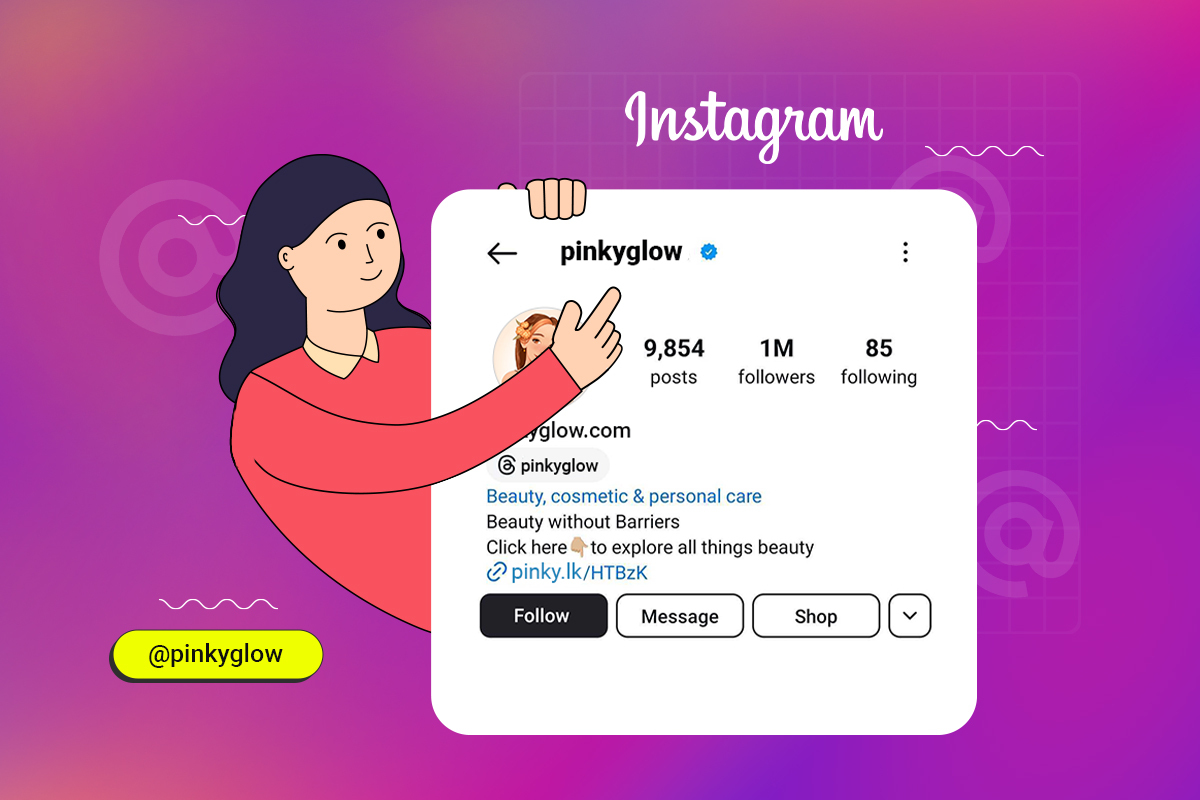
In the rapidly evolving landscape of social media and mobile applications, the term “Instagram handle” has become a foundational concept of digital literacy. At its simplest, an Instagram handle is your unique username on the platform—the specific string of characters that identifies your account to the world. However, from a technical and software perspective, the handle is much more than a mere nickname. It is a unique identifier within a massive database, a clickable link, and a crucial component of the platform’s navigational architecture.
Understanding the intricacies of an Instagram handle is essential for anyone navigating the digital space, whether you are a casual user, a software developer, or a cybersecurity professional. This guide delves into the technical anatomy, functionality, and security protocols surrounding Instagram handles.
The Anatomy and Architecture of an Instagram Handle
At the software level, Instagram handles are designed to be unique, searchable, and machine-readable. Unlike a “Display Name,” which can be changed to anything and shared by thousands of users, a handle is a one-of-a-kind entry in Instagram’s global user directory.
The @ Symbol and Syntax Rules
The most recognizable feature of an Instagram handle is the “@” prefix. In the context of digital communication, the “at” symbol is a syntactical marker that tells the software a specific user or location is being referenced.
Instagram enforces strict syntax rules for handles to ensure they remain compatible with web protocols and search algorithms. A handle must be:
- Unique: No two accounts can share the same handle simultaneously.
- Character-Limited: Handles are capped at 30 characters.
- Restricted Characters: Only letters, numbers, periods (.), and underscores (_) are permitted. No spaces or special symbols like emojis or exclamation points are allowed because they interfere with the way web browsers process URLs.
Handle vs. Display Name: Understanding the Technical Difference
Many users confuse their handle with their display name. From a technical standpoint, the difference is significant. The Display Name is a metadata field—it is purely cosmetic and exists to provide a human-readable name. You can change your display name to “John Smith” even if there are 50,000 other John Smiths.
The Handle (or username), conversely, serves as the primary key in Instagram’s database. It is the permanent link to your profile. When you enter a handle into a search bar, the software identifies the exact server-side ID associated with that string to retrieve the correct profile data.
How Handles Power the Instagram Ecosystem
Instagram handles are the “connective tissue” of the application. They facilitate interaction between users and allow the algorithm to map relationships between accounts.
Direct Mention and Tagging Functionality
The primary functional use of a handle is the “mention.” By typing the “@” symbol followed by a handle in a comment, caption, or “Story,” you trigger a notification protocol. The software recognizes the handle, creates a hyperlink to that user’s profile, and pings the target user’s device. This is a form of metadata tagging that allows for high levels of engagement and connectivity within the app’s interface.
The Handle as a Unique URL Slug
Every Instagram handle generates a unique URL slug. If your handle is tech_explorer, your profile becomes accessible at instagram.com/tech_explorer. This turns your handle into a piece of web architecture. Because it functions as a URL, the handle must adhere to the rules of Uniform Resource Locators. This is why spaces are prohibited; in web development, spaces in a URL would be converted to “%20,” making the address clunky and difficult for search engines to index.
Search Algorithms and Indexing
When you type a query into the Instagram “Explore” or “Search” tab, the algorithm prioritizes handle matches. Because handles are unique and follow a standardized format, they are the most efficient way for the database to return a direct result. Search Engine Optimization (SEO) within the app relies heavily on the keywords present in your handle, as the software indexes these characters more aggressively than the content in your bio or captions.
Managing Your Identity: Technical Tutorials and Best Practices
Managing an Instagram handle requires an understanding of the app’s internal logic. Whether you are creating a new identity or migrating an existing one, certain technical constraints apply.
Step-by-Step: How to Change Your Handle
Changing a handle is a straightforward process within the app’s UI, but it has backend implications. To change it:
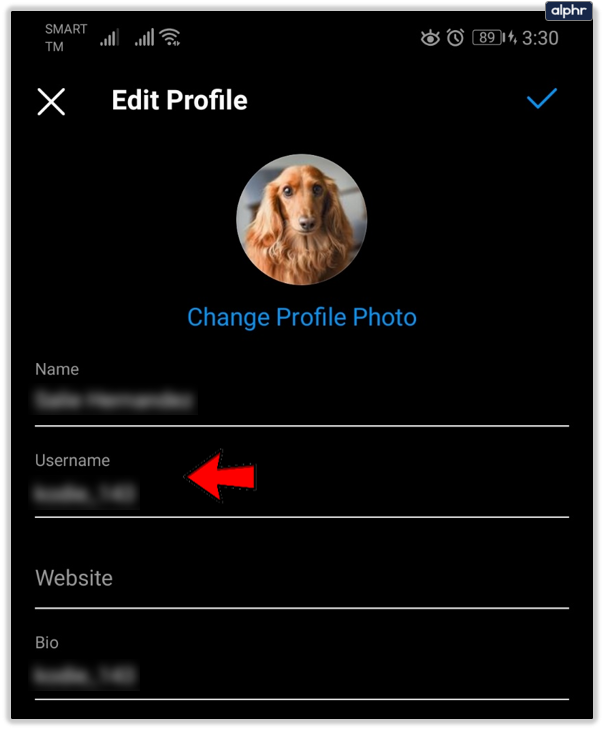
- Navigate to your profile and tap Edit Profile.
- Locate the Username field.
- Enter the new handle. The software will perform a real-time check against its database to see if the name is available.
- If available, tap Done (iOS) or the Checkmark (Android).
Technically, when you change your handle, Instagram updates the pointer in its database. However, for 14 days, Instagram usually “holds” your old handle, preventing others from claiming it. This is a safety feature that allows you to revert the change if you make a mistake or change your mind.
Reclaiming Inactive Handles: The Technical Reality
A common question in the tech community is how to acquire a handle that is currently “parked” or inactive. Instagram does not have a public marketplace for handles. From a software policy perspective, handles that are not in use remain assigned to the original account until that account is manually deleted or purged by Instagram for inactivity.
Attempting to “buy” a handle from a third party often violates Instagram’s Terms of Service and can lead to the account being flagged or permanently banned. For high-level entities, the only technical way to claim a handle is through trademark infringement reports or through the official “Verified” application process if there is a legitimate identity conflict.
Digital Security and Handle Protection
Because handles are the public-facing entry point to your digital identity, they are often the target of cyber-attacks. Protecting your handle is synonymous with protecting your account’s integrity.
The Risky World of “OG” Handles and Cyber Attacks
In the tech world, “OG” (Original Gangster) handles are short, high-value usernames—often consisting of just 2 or 3 letters, or common dictionary words (e.g., @blue, @ace). These handles are highly coveted and are frequently the targets of “SIM swapping” and phishing attacks.
Hackers use automated scripts to “scrape” handles and identify those that might have weak security. Once a handle is compromised, it is often sold on the dark web or underground forums. From a security standpoint, the handle is the first thing a malicious actor will try to change to prevent the original owner from recovering the account.
Two-Factor Authentication and Identity Verification
To secure your handle, Instagram utilizes several layers of digital security. Two-Factor Authentication (2FA) is the most critical. By requiring a code from an authenticator app (like Google Authenticator) or a hardware key, you ensure that even if a hacker knows your handle and password, they cannot access the account.
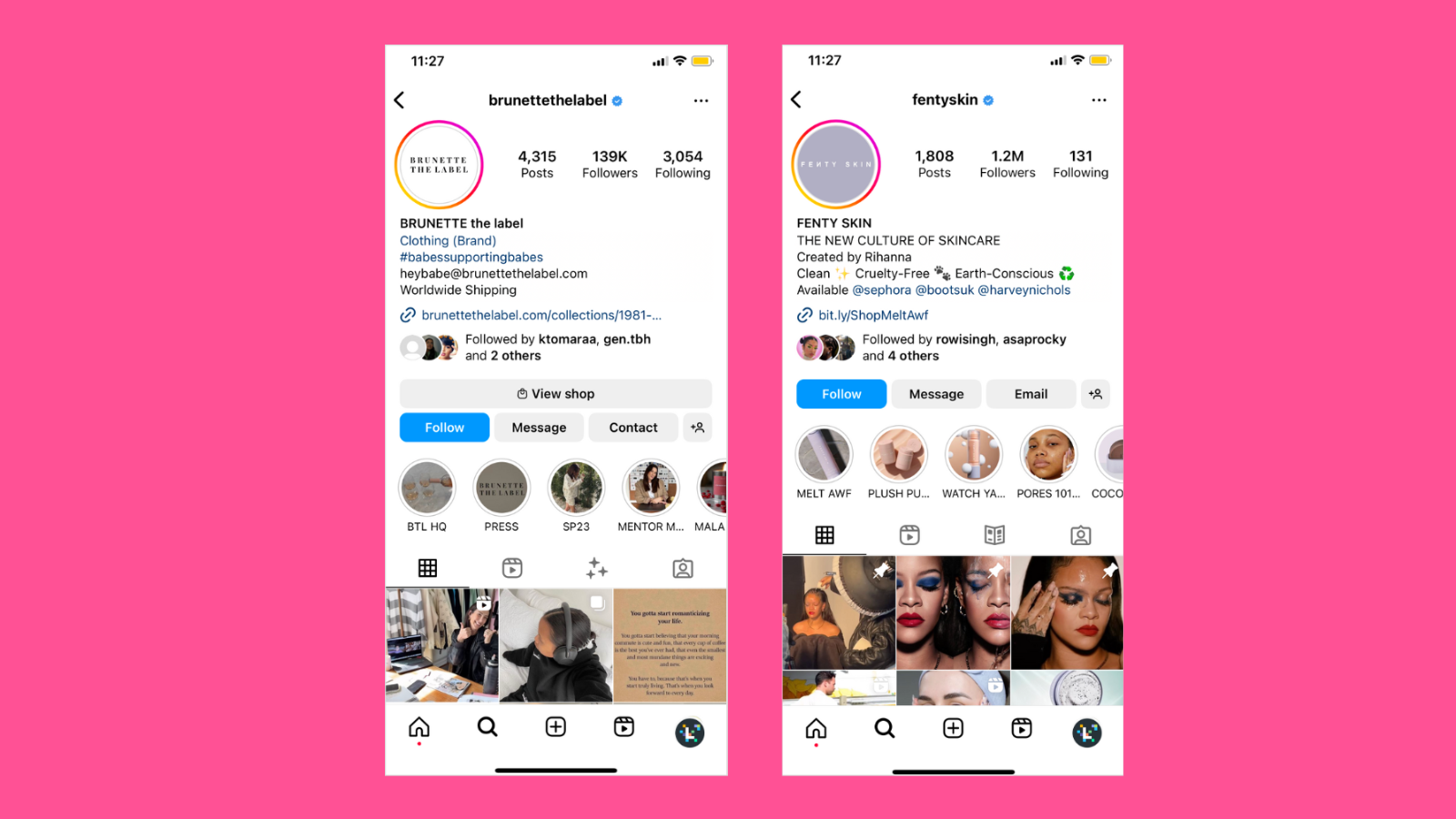
Furthermore, the “Blue Checkmark” or verification badge is a technical signal that Instagram has confirmed the handle belongs to the person or entity it claims to represent. This prevents “impersonation accounts” from confusing the search index and protects the handle’s authority within the network.
The Future of Digital Identifiers on Social Platforms
As we look toward the future of software and social networking, the concept of a “handle” is evolving. We are moving away from centralized databases toward more complex identity systems.
Decentralized Identities vs. Centralized Handles
Currently, your Instagram handle is owned and managed by Meta (Instagram’s parent company). If Meta deletes your account, you lose your handle and your digital footprint on that platform. However, new trends in Tech—specifically Web3 and decentralized social media—are experimenting with “portable” handles.
In these systems, a handle might be tied to a blockchain-based identity (like an ENS name). This would mean your “handle” is not just an entry in a corporate database, but a digital asset that you own and can move between different applications. While Instagram currently operates on a centralized model, the way handles are integrated with other Meta platforms (like Threads and Facebook) suggests a move toward a more unified, cross-app digital identity.
Conclusion
An Instagram handle is much more than a social label; it is a sophisticated digital tool that facilitates navigation, discovery, and security in the modern app economy. From the technical constraints of its syntax to its role in URL generation and database indexing, the handle is the cornerstone of the Instagram user experience. By understanding how handles work under the hood, users can better manage their digital presence, optimize their visibility in search results, and protect themselves against the security risks inherent in the digital age. Regardless of how social media evolves, the need for a unique, identifiable “handle” will remain a central pillar of our online architecture.
aViewFromTheCave is a participant in the Amazon Services LLC Associates Program, an affiliate advertising program designed to provide a means for sites to earn advertising fees by advertising and linking to Amazon.com. Amazon, the Amazon logo, AmazonSupply, and the AmazonSupply logo are trademarks of Amazon.com, Inc. or its affiliates. As an Amazon Associate we earn affiliate commissions from qualifying purchases.