
In the landscape of modern real estate, few concepts are as foundational—or as frequently misunderstood—as the “housing tract.” To the casual observer, a housing tract might simply look like a neighborhood of similar-looking homes. However, from the perspective of personal finance, real estate investing, and macroeconomics, the housing tract represents a sophisticated model of standardized production designed to maximize efficiency, affordability, and developer ROI.
Understanding what a housing tract is, how it functions as a financial asset, and its long-term impact on a homeowner’s net worth is essential for anyone looking to navigate the complexities of the current property market. This article explores the housing tract through the lens of finance, analyzing its role as a vehicle for wealth creation and a cornerstone of the residential investment sector.
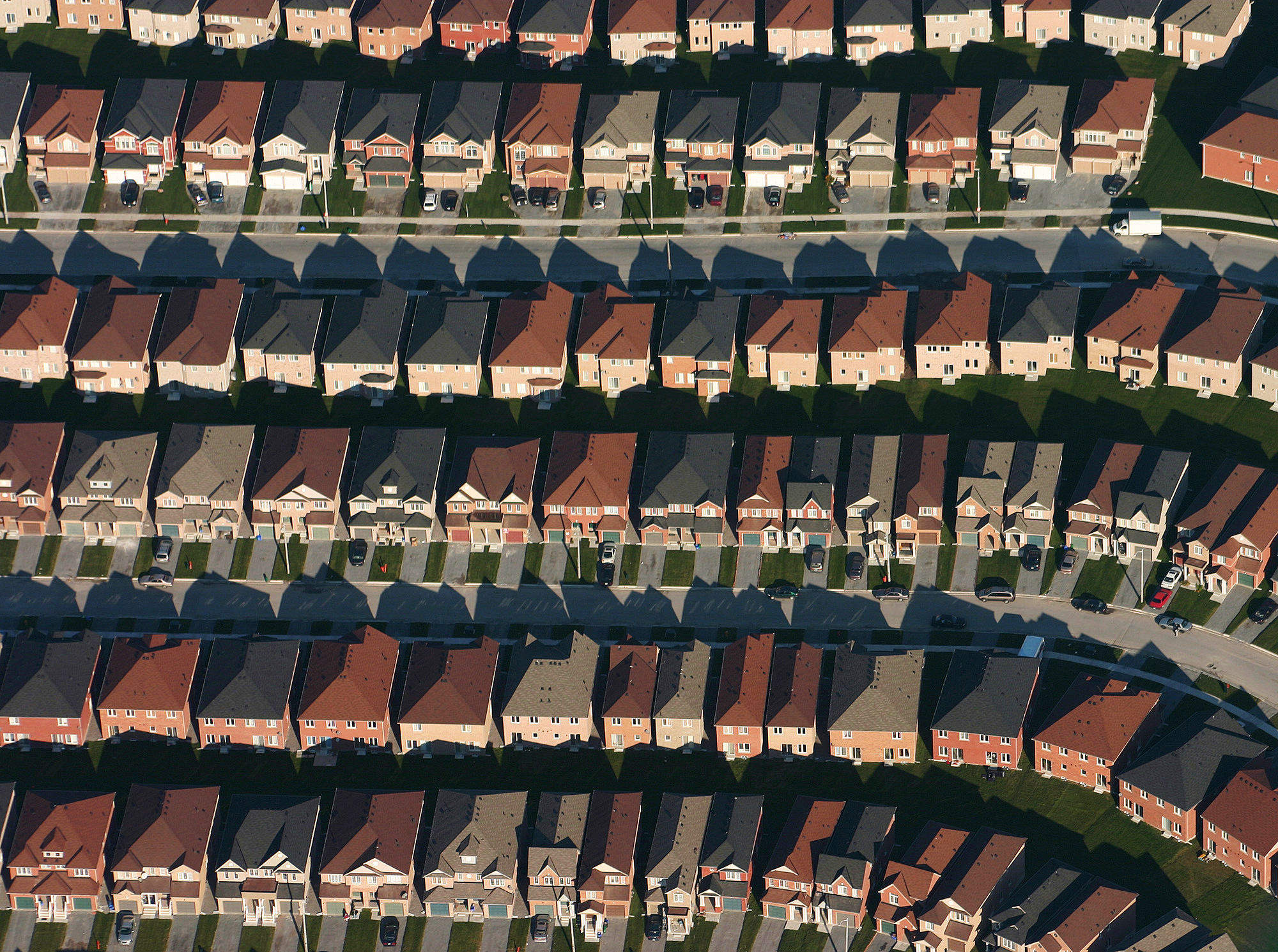
Understanding the Housing Tract as a Real Estate Asset
At its core, a housing tract is a large parcel of land that has been subdivided into individual lots for the purpose of constructing multiple residential units, typically by a single developer. This approach to building is often referred to as “tract housing” or “cookie-cutter” development, but in financial terms, it is more accurately described as the industrialization of residential real estate.
Definition and Physical Characteristics
A housing tract is defined by the uniform use of land and architectural design. Unlike custom-built homes, where a buyer purchases a lot and hires an architect to design a unique structure, tract homes are built using a limited number of floor plans. From a financial standpoint, this uniformity is not a lack of creativity; it is a deliberate strategy to reduce “soft costs” (architectural fees, engineering, and permitting) and “hard costs” (labor and materials).
In a typical tract, the developer acquires a large acreage—often at a wholesale price—and secures the necessary zoning changes to increase density. By dividing the land into dozens or hundreds of uniform lots, the developer can achieve a much higher “yield” per acre than they would with bespoke estates.
The Economics of Scale in Tract Housing
The primary driver behind the housing tract model is the principle of economies of scale. When a developer builds 200 homes simultaneously, they can negotiate significant discounts with suppliers for lumber, plumbing fixtures, roofing materials, and appliances.
Furthermore, labor becomes highly specialized and efficient. A crew might spend Monday installing the framing for House A, Tuesday for House B, and so on, creating an assembly-line effect that slashes the time-to-market. For the investor or the homebuyer, this efficiency translates into a lower purchase price compared to custom homes in the same geographic area. This “entry-level” pricing is often what fuels the liquidity of the tract housing market, making these homes easier to buy and sell quickly.
The Financial Pros and Cons of Investing in Tract Homes
For many individuals, a home in a housing tract is their first major investment. While these properties offer a predictable path to homeownership, they carry a unique set of financial implications that differ from high-end custom builds or urban condos.
Why They Are Popular for First-Time Homebuyers
The most significant financial advantage of a housing tract is the lower barrier to entry. Because developers maximize efficiency, they can offer new construction at a price point that is often competitive with older, existing homes. For a first-time buyer, this means lower upfront maintenance costs (as everything is under warranty) and modern energy-efficient features that lower monthly utility bills.
From a mortgage perspective, tract homes are often “pre-approved” in a sense by major lenders. Banks are comfortable lending on these properties because they are easy to value. There is no guesswork regarding what the house is worth; the bank can look at five identical sales on the same street from the previous month. This transparency reduces the risk for the lender and can sometimes lead to more favorable loan terms for the borrower.
Predictability vs. Customization: The Valuation Perspective
In real estate finance, the “comparable sales” (or “comps”) method is the gold standard for valuation. Housing tracts are the perfect environment for this. If you own a three-bedroom “Model B” house and three other “Model B” houses sold for $450,000 recently, your home’s value is very clearly established.
However, this predictability can also act as a “valuation ceiling.” In a custom neighborhood, one spectacular home can drive up the value of the surrounding properties. In a housing tract, it is difficult for one homeowner to significantly outperform the market. Even if you spend $100,000 on high-end interior upgrades, the value of your home will still be tethered to the base price of the other houses in the tract. For an investor, this means that “flipping” a tract home through cosmetic upgrades often yields a lower ROI than doing the same in a more diverse neighborhood.
Market Trends and the Long-Term ROI of Tract Developments
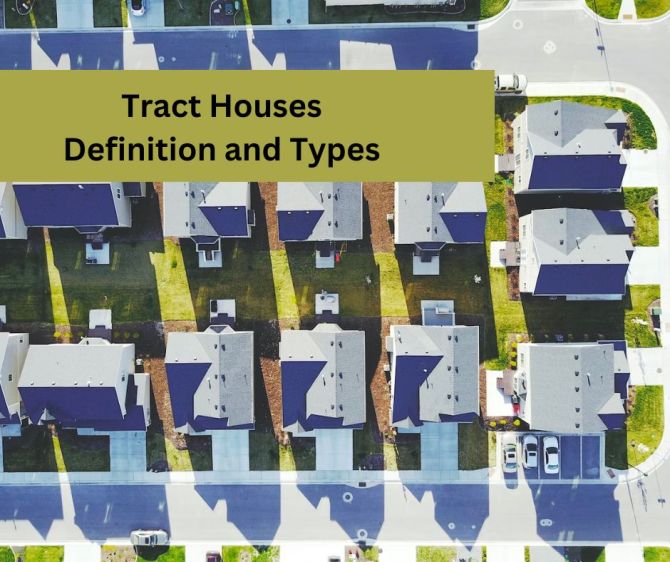
When evaluating a housing tract as a long-term investment, one must look beyond the individual structure and consider the broader economic ecosystem of the development.
Appreciation Rates and Resale Value
Historically, tract homes have shown steady, if not explosive, appreciation. They tend to track closely with the overall health of the middle-class economy. Because they are often located in suburban areas with good schools and infrastructure, they remain in high demand.
One factor that heavily influences the ROI of a tract home is the age of the development. In the first 5–10 years, appreciation is often driven by the developer finishing the remaining phases of the project. Once the tract is “built out” and the developer leaves, the market shifts to a secondary resale market. This is where the financial health of the Homeowners Association (HOA) becomes critical. A well-funded HOA that maintains common areas and enforces aesthetic standards helps preserve property values, whereas a poorly managed HOA can lead to a decline in the tract’s overall marketability.
The Impact of Planned Communities on Regional Economies
Large-scale housing tracts often serve as catalysts for commercial investment. When a developer brings 500 families into a concentrated area, it creates a “rooftop count” that attracts retail centers, grocery stores, and service providers.
For the homeowner, this commercial growth creates a virtuous cycle of value. As the area becomes more “walkable” or convenient, the demand for housing in that specific tract increases, driving up prices. Investors who identify housing tracts positioned near planned commercial corridors often see the highest capital gains over a 10-year horizon.
Financial Considerations for Developers and Investors
For those on the business side of the ledger, housing tracts represent a high-stakes, high-reward financial venture. The capital requirements are immense, but the potential for profit through volume is unparalleled in the residential sector.
Construction Costs and Profit Margins
A developer’s profit margin on a housing tract typically ranges from 15% to 20%, though this can fluctuate based on interest rates and material costs. The financial strategy relies on “velocity”—how quickly can they turn raw land into a closed sale?
The biggest drain on a developer’s finances is “carrying costs.” This includes the interest on the massive loans used to acquire land and install infrastructure (roads, sewers, power lines). If the houses sell slowly, the interest payments can eat the profit margin entirely. This is why you often see aggressive marketing and “builder incentives” (such as rate buy-downs) in housing tracts; the developer is financially incentivized to move the inventory as fast as possible to minimize debt exposure.
Risks Associated with Large-Scale Residential Projects
The primary risk in the housing tract model is market timing. Because these projects take years from land acquisition to the final sale, a developer might start a project in a “boom” and finish it during a “recession.”
If the market cools, the developer is left with “standing inventory”—finished houses that aren’t selling. This often leads to price slashing, which can frustrate existing homeowners in the tract who see their recent investment lose paper value overnight. For the savvy cash investor, however, these downturns provide an opportunity to purchase tract homes at a discount from distressed developers.
Navigating the Mortgage and Financing Landscape for Tract Housing
Financing a home in a housing tract is generally more straightforward than financing a custom build, but there are nuances that buyers must understand to protect their financial interests.
Standardizing Appraisals and Loan Approval
Because tract homes are standardized, the appraisal process is usually quick. Appraisers have an abundance of data points, which makes the “valuation” phase of a mortgage application relatively low-risk. For the buyer, this means a lower likelihood of the deal falling through due to a “low appraisal”—a common headache in the custom or rural housing markets.
Additionally, many large tract developers have “preferred lenders.” While these lenders might offer convenient “one-stop-shopping,” it is vital for the buyer to compare these offers against external banks. Sometimes the “incentives” offered by the builder’s lender are baked into a slightly higher interest rate, which could cost the homeowner tens of thousands of dollars over the life of the 30-year loan.

Looking Ahead: The Future of Affordable Housing Finance
As the cost of land and construction continues to rise, the housing tract remains one of the few viable models for providing “attainable” housing. New financial structures, such as “Build-to-Rent” (BTR) tracts, are also emerging. In this model, an institutional investor buys the entire housing tract to operate it as a rental community.
This shift has profound implications for personal finance. It reduces the supply of homes available for individual ownership while providing steady, bond-like returns for institutional portfolios. Whether you are a family looking for a starter home or an investor looking for a stable asset, the housing tract remains a central pillar of the financial world, embodying the intersection of mass production and private wealth.
aViewFromTheCave is a participant in the Amazon Services LLC Associates Program, an affiliate advertising program designed to provide a means for sites to earn advertising fees by advertising and linking to Amazon.com. Amazon, the Amazon logo, AmazonSupply, and the AmazonSupply logo are trademarks of Amazon.com, Inc. or its affiliates. As an Amazon Associate we earn affiliate commissions from qualifying purchases.