
In the landscape of modern real estate and personal finance, the path to homeownership is often viewed through the narrow lens of traditional fee-simple purchases—buying a house or a condominium. However, for those looking for a strategic entry point into high-density urban markets or seeking a more community-centric financial model, the housing cooperative, or “co-op,” represents a unique and often misunderstood vehicle. From a financial perspective, a housing co-op is not just a place to live; it is a corporate entity in which residents act as shareholders. Understanding the nuances of this model is essential for any savvy investor or homebuyer looking to optimize their portfolio and manage their long-term housing costs.
Understanding the Financial Structure of a Housing Cooperative
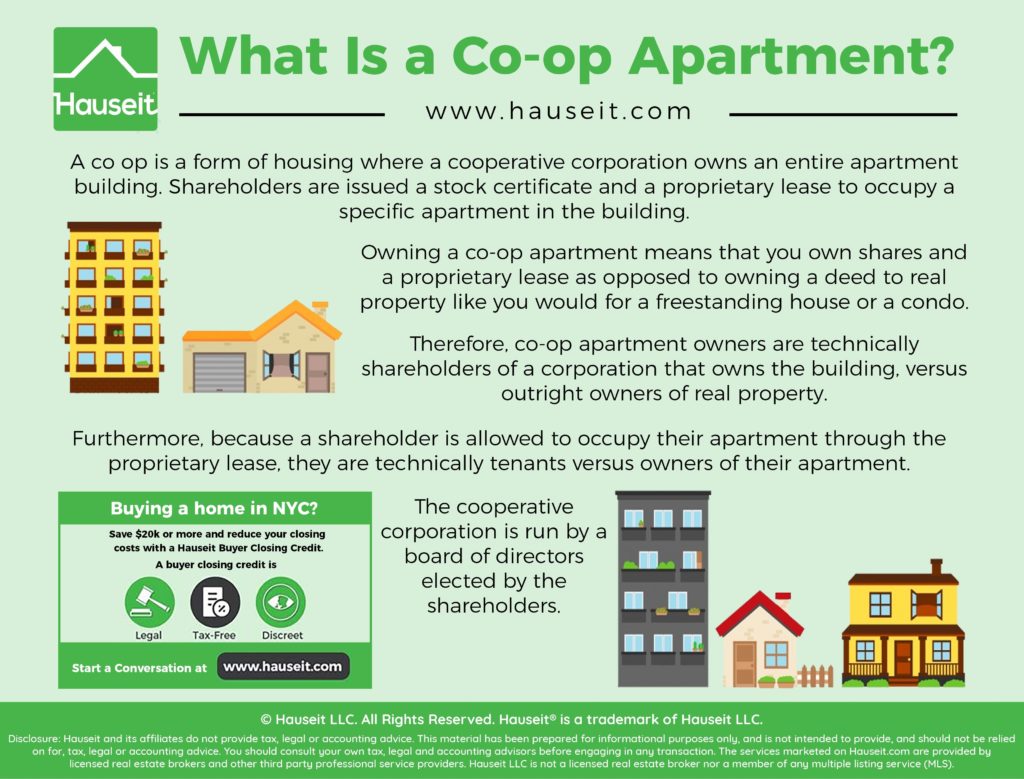
To understand a housing co-op, one must first discard the traditional notion of real estate ownership. In a standard home purchase, you receive a deed to a specific piece of land and the structures upon it. In a condominium, you own the interior space of your unit and a percentage of the common areas. A housing cooperative functions entirely differently.
The Corporation and Share Ownership
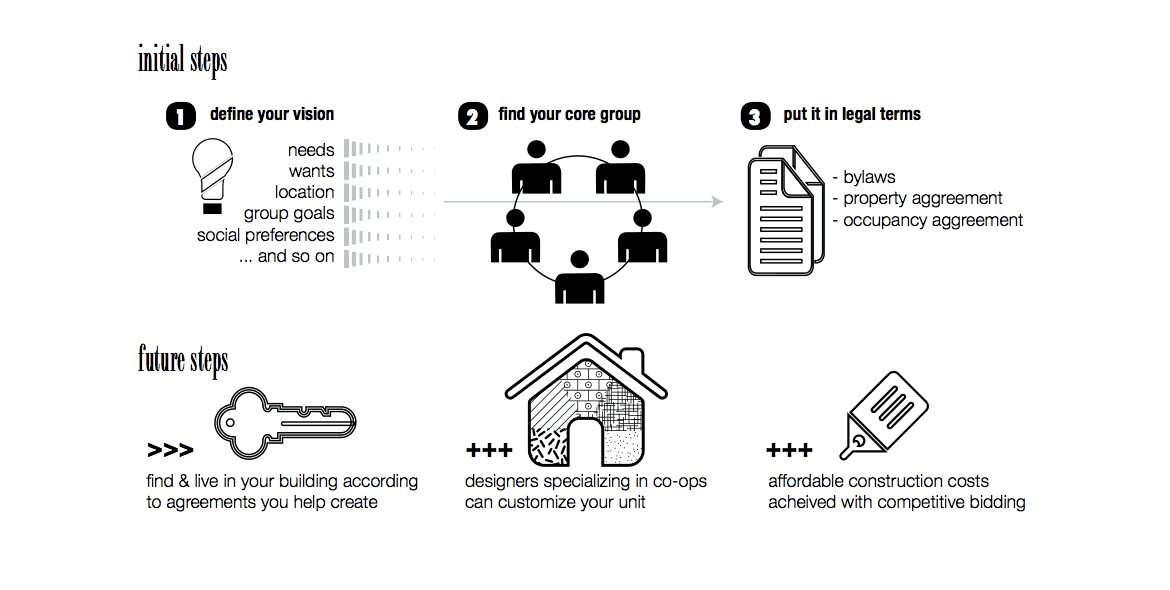
When you “buy” into a co-op, you are not buying real property. Instead, you are purchasing shares in a non-profit corporation. This corporation owns the entire building, including all individual units, common spaces, and the land itself. In exchange for your investment, the corporation grants you a “proprietary lease” or an occupancy agreement. This legal document gives you the right to live in a specific unit for as long as you own your shares, provided you follow the corporation’s bylaws.
The number of shares allocated to a specific unit usually depends on its size, floor level, and perceived value. From a personal finance standpoint, this means your “home” is technically a specialized form of personal property—specifically, stock in a private corporation—rather than real estate. This distinction has significant implications for how you finance the purchase and how the asset is treated under the law.
The Underlying Mortgage
One of the most distinct financial features of a housing co-op is the existence of an “underlying mortgage.” While a condominium association typically manages common areas with no debt on the individual units, a co-op corporation often carries a blanket mortgage on the entire building. The interest and principal payments on this master mortgage are divided among the shareholders based on their percentage of ownership. This can be a double-edged sword: it allows the building to fund major capital improvements collectively, but it also means that your financial security is partially linked to the corporation’s ability to service its debt.
The Economic Advantages of Cooperative Living
For many individuals, the decision to enter a co-op is driven by the financial efficiencies inherent in the model. Because co-ops operate on a non-profit basis and leverage collective bargaining power, they often offer a lower cost of entry and lower monthly overhead compared to comparable condominiums or single-family homes.
Lower Purchase Prices
Generally, co-op units carry a lower market price than condominiums of similar size and quality. This is largely because the financing process is more complex and the “ownership” is less direct, which can depress the price in a competitive market. For a first-time buyer or an investor looking to maximize their cash-on-hand, this lower entry price can be a significant advantage, allowing them to secure housing in high-value neighborhoods that might otherwise be out of reach.
Shared Maintenance and Tax Benefits
The monthly “maintenance fee” in a co-op is often higher than a condo’s HOA fee, but this is because it covers a broader range of expenses. A typical co-op maintenance fee includes the resident’s share of the building’s property taxes, the underlying mortgage interest, insurance, heating, water, and staff salaries.
From a tax perspective, this structure can be quite beneficial. Even though the corporation pays the property taxes and mortgage interest, the IRS allows shareholders to deduct their proportionate share of these expenses on their personal income tax returns, just as a traditional homeowner would. This “pass-through” of tax benefits makes the co-op an efficient vehicle for personal tax planning.
Economies of Scale
Because the co-op corporation manages the entire building as a single entity, it can achieve economies of scale that individual homeowners cannot. Bulk purchasing for utilities, insurance policies, and maintenance contracts often leads to lower per-unit costs. Furthermore, the non-profit nature of the corporation ensures that any “surplus” funds are typically reinvested into the building’s reserve fund or used to offset future maintenance increases, rather than being distributed as profit to a third-party developer.
Navigating the Financial Barriers to Entry
While the lower purchase price is attractive, the process of entering a housing co-op involves several financial hurdles that are not present in traditional real estate transactions. These barriers are designed to protect the financial integrity of the corporation, but they require a high degree of liquidity and transparency from the buyer.
The Board Approval Process
Perhaps the most famous (or infamous) aspect of the co-op is the board interview and approval process. Because every resident is a co-owner of the corporation, the existing shareholders have a vested interest in ensuring that new buyers are financially stable. The board will conduct an exhaustive review of your financial life, including tax returns, bank statements, investment portfolios, and employment history.
They are looking for a specific “debt-to-income” (DTI) ratio and a certain level of “post-closing liquidity.” For example, a board might require that a buyer have enough liquid assets to cover two to three years of maintenance payments and mortgage costs even after they have paid the down payment. This stringent vetting process acts as a form of “private regulation,” which historically has led to lower foreclosure rates within co-ops compared to other types of housing.
Financing Challenges: Share Loans
You cannot get a traditional mortgage for a co-op because you are not purchasing real property. Instead, you obtain what is known as a “share loan.” While share loans function similarly to mortgages—with 15- or 30-year terms and fixed or adjustable rates—not all lenders offer them. Furthermore, the co-op board may have strict rules regarding “leverage.” While a bank might be willing to lend you 90% of the purchase price, a co-op board might mandate a maximum of 75% or even 50% financing. In some ultra-exclusive co-ops, no financing is allowed at all, requiring the buyer to pay 100% in cash.
Housing Coops as a Long-Term Investment Strategy
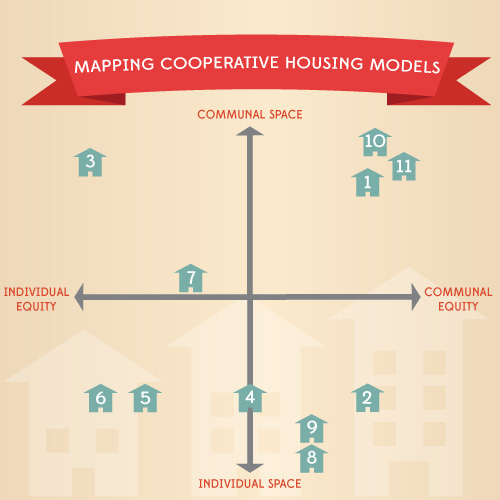
When evaluating a co-op as an investment, it is important to distinguish between the two primary types of cooperatives: Market-Rate and Limited-Equity.
Market-Rate Cooperatives
In a market-rate co-op, shares are bought and sold on the open market at whatever price the market will bear. These function most like traditional real estate investments. Shareholders can benefit from significant capital appreciation over time, especially in growing urban centers. However, the “liquidity risk” is higher. Because the board must approve the next buyer, it may take longer to sell a co-op than a condo. If a board rejects a potential buyer, the seller must start the process over, which can be a significant drawback if the seller needs to liquidate the asset quickly.
Limited-Equity Cooperatives (LECs)
Limited-equity cooperatives are designed specifically to maintain long-term affordability. In this model, the bylaws limit the profit a shareholder can make when they sell their shares. These are often used by government agencies or non-profits to provide stable housing for low-to-moderate-income families. From a wealth-building perspective, an LEC is not a vehicle for high returns; rather, it is a tool for housing security and minimizing living expenses, allowing the resident to redirect their income into other investment vehicles like stocks or retirement accounts.
Financial Due Diligence for Potential Shareholders
Before investing in a housing cooperative, a thorough audit of the corporation’s finances is mandatory. Unlike a house, where your primary concern is the physical structure, a co-op requires you to evaluate the “health of the business.”
Examining the Reserve Fund
A healthy co-op should have a robust reserve fund. This is the “rainy day” account used to fund major capital improvements, such as a new roof, boiler replacement, or elevator modernization. If the reserve fund is underfunded, the board may be forced to issue an “assessment”—a sudden, often large, additional fee charged to all shareholders to cover emergency repairs. A buyer should review the last several years of the corporation’s audited financial statements to ensure that the reserve fund is growing and that the building is not overly reliant on assessments.
Understanding the Flip Tax
Many co-ops implement what is known as a “flip tax,” which is not actually a tax but a transfer fee paid to the corporation upon the sale of shares. This fee can be a flat rate or a percentage of the sale price (typically 1% to 3%). While this is an additional expense for the seller, it serves a vital financial purpose: it generates non-assessment revenue for the corporation, helping to keep monthly maintenance fees lower and the reserve fund higher.
The Role of the Managing Agent
Finally, the quality of the financial management often comes down to the managing agent—the professional firm hired by the board to handle the day-to-day operations. A well-managed building will have clear, transparent financial reporting and a proactive approach to maintenance. For a shareholder, this professional oversight protects the value of their shares and ensures that the corporation remains a viable entity for decades to come.
In conclusion, a housing cooperative is a sophisticated financial instrument that blends the benefits of homeownership with the efficiencies of corporate structure. While the barriers to entry are higher and the ownership model is more complex, the potential for lower monthly costs, tax advantages, and a stable, vetted community makes it a compelling option for those looking to optimize their personal finances through alternative real estate. By performing rigorous due diligence and understanding the unique mechanics of share ownership, investors can leverage the co-op model to build long-term security and equity.
aViewFromTheCave is a participant in the Amazon Services LLC Associates Program, an affiliate advertising program designed to provide a means for sites to earn advertising fees by advertising and linking to Amazon.com. Amazon, the Amazon logo, AmazonSupply, and the AmazonSupply logo are trademarks of Amazon.com, Inc. or its affiliates. As an Amazon Associate we earn affiliate commissions from qualifying purchases.