
The prospect of buying a home is often accompanied by a surge of excitement. It’s a significant life event, a cornerstone of financial planning, and the realization of a personal dream. However, beneath the surface of HGTV-fueled fantasies and glossy listing photos lies a crucial, often overlooked, step: the house inspection. Far from being a mere formality, a professional house inspection is a vital financial safeguard, a cornerstone of informed decision-making, and a testament to prudent money management in the realm of real estate. This comprehensive examination aims to demystify the process, illuminating its significance from a financial perspective and empowering potential buyers to make smarter, more secure investments.
The House Inspection as a Financial Due Diligence Tool
At its core, a house inspection is a systematic evaluation of a property’s condition by a qualified professional. While the immediate takeaway might be identifying cosmetic flaws or potential repairs, its true value lies in its role as a critical financial due diligence tool. For anyone navigating the significant financial commitment of purchasing a home, understanding the potential costs associated with its upkeep and immediate needs is paramount.
Uncovering Hidden Financial Liabilities
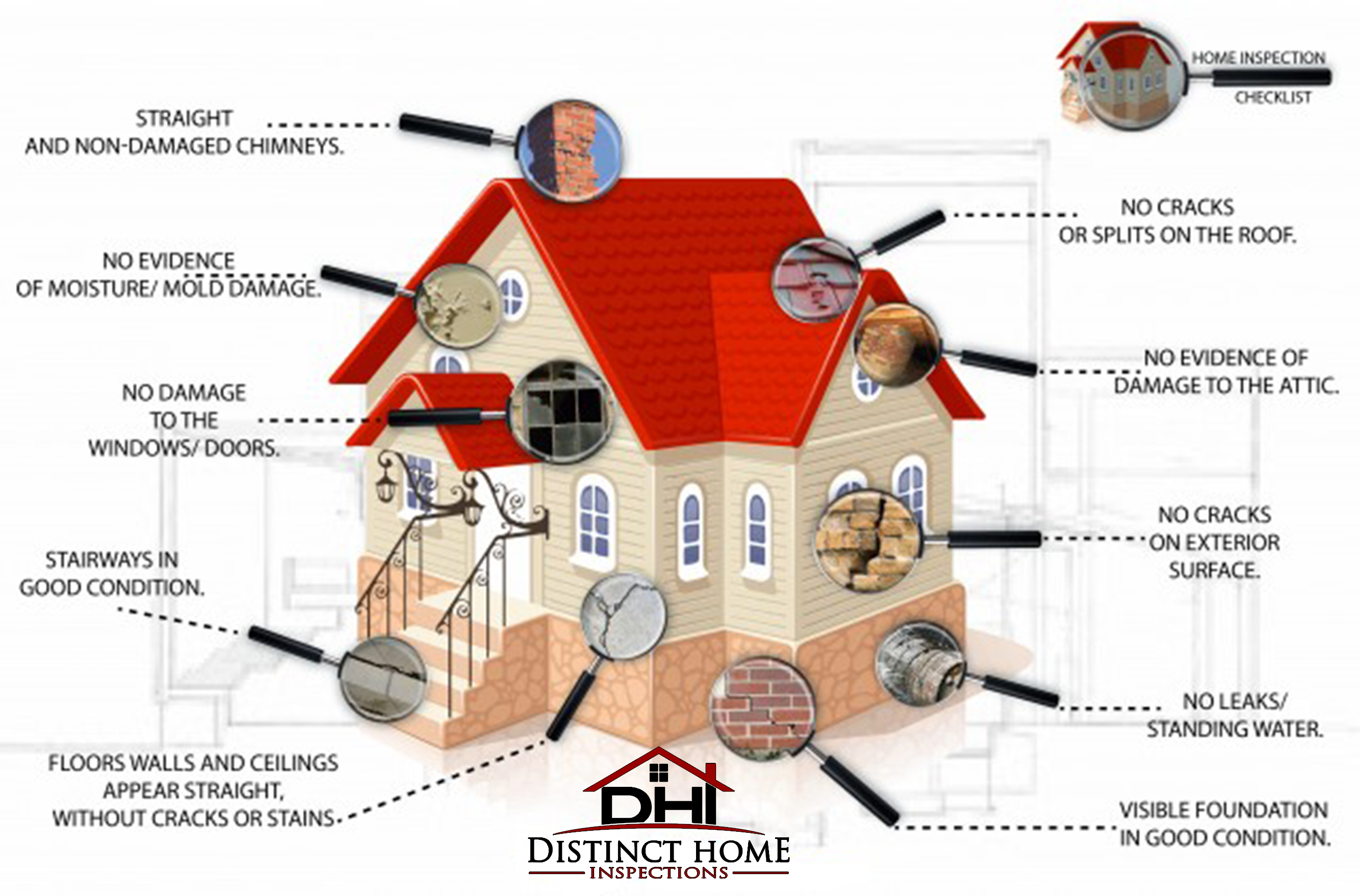
Real estate transactions are rarely as straightforward as they appear. A beautiful facade can mask underlying issues that, if left unaddressed, can quickly escalate into substantial financial burdens. A house inspection acts as a financial detective, meticulously searching for these hidden liabilities. This includes scrutinizing:
- Structural Integrity: The foundation, walls, and roof are the most significant structural components of a home. Any signs of cracking, settling, water damage, or deterioration in these areas can translate into tens of thousands of dollars in repair costs. Identifying these issues during the inspection phase allows buyers to either negotiate a lower purchase price, request repairs from the seller, or, in extreme cases, walk away from a potentially financially ruinous deal.
- Major Systems: Essential home systems such as plumbing, electrical, and HVAC (heating, ventilation, and air conditioning) are complex and expensive to replace. An inspector will assess the age, condition, and functionality of these systems. For instance, an aging electrical panel nearing the end of its lifespan might require a costly upgrade to meet modern safety standards and accommodate increased energy demands. Similarly, a failing HVAC system can lead to exorbitant heating and cooling bills, or necessitate an immediate and significant replacement.
- Water Intrusion and Mold: Water is a pervasive enemy of any home. Leaks in the roof, plumbing, or foundation can lead to significant structural damage, mold growth, and compromised indoor air quality. Mold remediation can be an expensive and time-consuming process, impacting both the financial and health well-being of occupants. An inspection can identify areas of past or present water intrusion, allowing for proactive mitigation.
- Pest Infestations: Pests like termites, carpenter ants, and rodents can wreak havoc on a home’s structure and pose health risks. While some infestations are manageable, severe infestations can lead to extensive damage and costly eradication efforts.
Informing Negotiation Power
The findings of a house inspection directly influence a buyer’s negotiation power. Armed with a detailed report from a certified inspector, buyers have concrete evidence to present to sellers. This evidence can be leveraged in several ways:
- Price Reductions: If the inspection reveals significant repair needs, buyers can request a reduction in the purchase price to cover the estimated costs of these repairs. This is a common and legitimate negotiation tactic that can save the buyer thousands of dollars.
- Seller-Paid Repairs: Alternatively, buyers can request that the seller complete specific repairs before closing. This ensures that the immediate issues are resolved and the buyer moves into a home in better condition.
- Seller Credits: In some cases, sellers may offer credits at closing to offset the cost of repairs. This effectively reduces the buyer’s out-of-pocket expenses at the time of purchase.
- Walking Away from the Deal: Perhaps the most critical financial benefit of an inspection is the ability to walk away from a property without losing significant earnest money if the inspection reveals insurmountable or prohibitively expensive problems. This provides an invaluable exit strategy, preventing buyers from committing to a financially unsustainable purchase.
The Financial Scope of Homeownership: Beyond the Purchase Price
Homeownership is a long-term financial commitment that extends far beyond the initial purchase price. The house inspection serves as an early indicator of the ongoing financial responsibilities associated with maintaining the property. Understanding these potential future expenses allows for better financial planning and prevents unwelcome surprises.
Estimating Future Maintenance and Repair Costs
A thorough inspection report not only highlights immediate issues but also provides insights into the expected lifespan of various home components. This foresight is invaluable for budgeting:
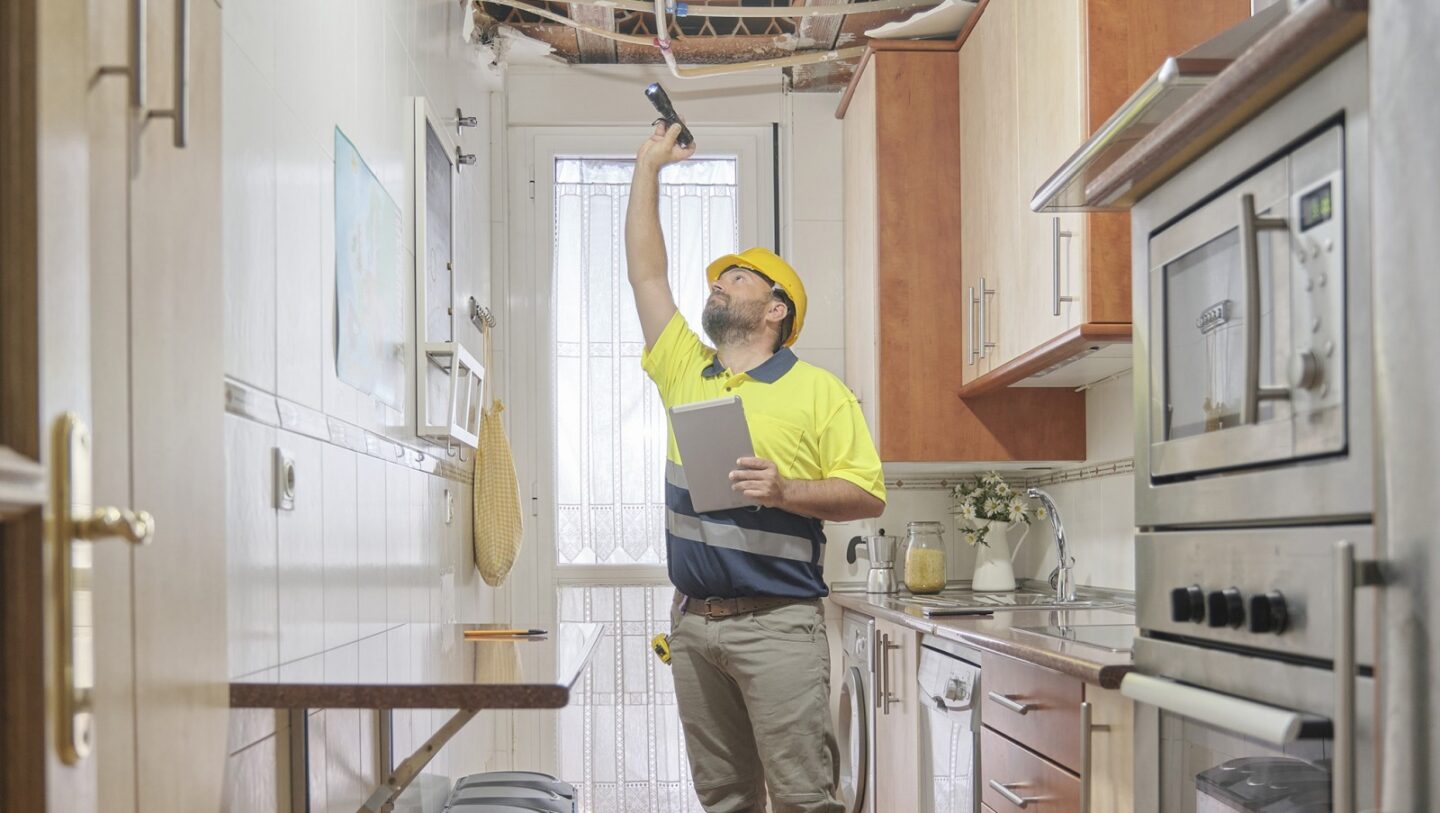
- Roof Replacement: A roof typically has a lifespan of 20-30 years. An inspector can estimate the remaining life of the current roof, giving buyers an idea of when a significant capital expense for replacement might be anticipated.
- Appliance and System Upgrades: While an inspector might not be able to predict the exact failure of an appliance or HVAC system, they can assess their age and general condition. This allows buyers to start mentally preparing for eventual replacements, which can be a considerable investment.
- Plumbing and Electrical Upgrades: Older homes, in particular, may have outdated plumbing or electrical systems that, while functional, may not meet current safety codes or efficiency standards. Understanding this can lead to proactive budgeting for eventual upgrades to avoid potential safety hazards or higher utility bills.
- Exterior Maintenance: The inspection will also cover the condition of the exterior, including siding, windows, and decks. Deterioration in these areas can signal ongoing maintenance needs or future replacement costs.
The Role of the Inspection in Mortgage Approval and Homeowners Insurance
The financial implications of a house inspection extend to the mortgage and insurance processes.
- Mortgage Lender Requirements: Many mortgage lenders require a professional home inspection as part of the loan approval process. This is because the property serves as collateral for the loan. Lenders want to ensure that the collateral is in good condition and not at risk of rapid depreciation due to major structural or system failures. In some cases, lenders may even stipulate that certain identified repairs must be completed before the loan is finalized.
- Homeowners Insurance Premiums: The condition of a home can influence homeowners insurance premiums. For example, a property with known electrical issues or a roof nearing the end of its life might be deemed a higher risk by insurance companies, potentially leading to higher premiums or even denial of coverage for certain risks. An inspection report can provide a baseline of the home’s condition, helping to secure more favorable insurance terms.
Maximizing the Value of a House Inspection: A Financial Investment
Viewing a house inspection solely as an expense is a shortsighted perspective. When approached strategically, it is a wise financial investment that can yield significant returns by protecting your capital and ensuring the long-term viability of your real estate asset.
Choosing the Right Inspector: A Financial Prudence Measure
The quality of the inspection directly correlates with the quality of the information you receive, impacting your financial decisions.
- Credentials and Experience: Seek out inspectors who are certified by reputable professional organizations (e.g., ASHI, InterNACHI) and have extensive experience, particularly in the type of property you are considering. An experienced inspector can often spot subtle issues that a less experienced one might miss, potentially saving you considerable money down the line.
- Specializations: For older homes or properties with unique features, consider inspectors who specialize in those areas. For example, an inspector experienced with historic homes will be better equipped to identify potential issues specific to older construction methods.
- Thoroughness of the Report: A good inspector will provide a comprehensive, easy-to-understand report with clear descriptions, photographic evidence, and recommendations. This detailed report is your primary financial document for negotiation and future planning.
The Post-Inspection Financial Strategy
Once you have the inspection report in hand, it’s time to implement a financial strategy.
- Review the Report with a Critical Eye: Don’t just skim the report. Understand each finding, its potential cost, and its urgency. Prioritize the most significant issues.
- Consult with Professionals: If the report highlights complex issues (e.g., structural engineering concerns, specialized plumbing problems), consider consulting with a relevant professional (e.g., a structural engineer, a master plumber) for a second opinion and more accurate repair cost estimates. This ensures that your negotiation is based on realistic financial projections.
- Develop a Repair Budget: Use the report and any additional professional assessments to create a preliminary budget for necessary repairs and potential future upgrades. This budget should be integrated into your overall homeownership financial plan.
- Negotiate Effectively: Present your findings and desired resolutions (price reduction, seller repairs, credits) to the seller or their agent with confidence, backed by your inspection report and any supplementary professional advice.
Conclusion: The House Inspection – An Indispensable Financial Pillar of Homeownership
In the complex and often emotionally charged landscape of purchasing a home, the house inspection stands as an indispensable financial pillar. It is not merely a procedural hurdle but a strategic financial maneuver that empowers buyers with critical information. By uncovering hidden defects, informing negotiation leverage, and providing foresight into future financial responsibilities, a house inspection acts as a powerful tool for safeguarding one’s investment and ensuring the long-term financial health of homeownership. Ultimately, a thorough and well-understood house inspection is a testament to prudent financial decision-making, paving the way for a secure and prosperous future in your new home.
aViewFromTheCave is a participant in the Amazon Services LLC Associates Program, an affiliate advertising program designed to provide a means for sites to earn advertising fees by advertising and linking to Amazon.com. Amazon, the Amazon logo, AmazonSupply, and the AmazonSupply logo are trademarks of Amazon.com, Inc. or its affiliates. As an Amazon Associate we earn affiliate commissions from qualifying purchases.