
The unassuming hook and loop patch is a ubiquitous fixture in modern life, a testament to ingenious design and functional simplicity. From securing footwear and clothing to organizing cables and adorning military uniforms, its presence is so pervasive that its very name often evokes a specific, powerful brand: Velcro. Yet, behind the everyday utility of this ingenious fastener lies a fascinating narrative rooted deeply in brand strategy, corporate identity, and the delicate dance between innovation and commoditization. This article will delve into the essence of what a hook and loop patch truly is, not just as a piece of material technology, but as a compelling case study in branding – exploring its origin, the meteoric rise of its most famous brand, and its enduring role in marketing and corporate identity.

The Ingenuity Behind the Grip: A Brief History and Mechanism
Before it became a branding marvel, the hook and loop system was, at its core, a groundbreaking invention in material science, born from an unlikely inspiration found in nature. Understanding its fundamental design and origins is crucial to appreciating its subsequent brand journey.
From Burrs to Billions: George de Mestral’s Inspiration
The story begins in the 1940s with Swiss engineer George de Mestral. Returning from a hunting trip with his dog, de Mestral noticed how burrs from a burdock plant stubbornly clung to his clothing and his dog’s fur. His curiosity piqued, he examined the burrs under a microscope, revealing an intricate system of tiny, stiff hooks that perfectly latched onto the softer loops of fabric and fur. This observation sparked an idea: could this natural phenomenon be replicated synthetically to create a new, reusable fastener?
It took de Mestral nearly a decade of experimentation, collaborating with weavers and manufacturers, to perfect his invention. His initial attempts with cotton proved inadequate, but polyester, a then-novel synthetic fiber, offered the necessary durability and resilience. By cutting loops with precision to form hooks, he finally achieved the robust, separable, yet strong bond he envisioned. In 1955, de Mestral patented his invention, christening it “Velcro” – a portmanteau of the French words “velours” (velvet) and “crochet” (hook). This naming decision was the first critical step in building a brand around a revolutionary product.
The Anatomy of Adhesion: Hooks, Loops, and Durability
At its heart, a hook and loop patch consists of two distinct components designed to interlock and separate repeatedly. One side, the “hook” side, is covered in thousands of tiny, stiff hooks, often made from nylon or polyester. The other side, the “loop” side, is covered in an equally dense field of softer, fuzzy loops. When pressed together, the hooks catch onto the loops, creating a secure, yet peelable, bond.
The strength of this bond is determined by several factors: the number and size of the hooks and loops per square inch, the material’s elasticity, the application force, and the direction of the peeling motion. Its design effectiveness lies in its simplicity, reusability, and versatility. Unlike zippers or buttons, hook and loop fasteners offer continuous adjustment, are resistant to dirt and moisture, and can be applied to a wide array of surfaces and materials. This inherent design excellence and practical utility laid a robust foundation for the brand that would soon dominate the market. The intuitive nature of the product, its tactile satisfaction, and its sheer effectiveness made it an ideal candidate for widespread adoption and, subsequently, a powerful brand identity.
Velcro: The Brand That Became a Noun
Few brands achieve the rare feat of having their name become synonymous with the product itself. Velcro is perhaps the most prominent example, a corporate identity that transcended its specific product line to become a generic term for all hook and loop fasteners. This phenomenon offers profound insights into both the power and perils of branding.
The Power and Peril of Genericization
When a brand name becomes genericized, it means consumers use the brand name to refer to the entire category of products, regardless of the manufacturer. Examples include “Kleenex” for facial tissues, “Band-Aid” for adhesive bandages, or “Xerox” for photocopies. For Velcro, this has meant that virtually any hook and loop fastener, regardless of its origin, is commonly referred to as “Velcro.”
On one hand, genericization is a testament to extraordinary brand recognition and market dominance. It signifies that the brand was so successful, so pioneering, and so integrated into daily life that it redefined its entire product category. This level of mindshare is invaluable for initial market penetration and establishing a legacy. The brand enjoys unparalleled top-of-mind awareness, making it the default choice for many consumers.
However, genericization also presents significant challenges, primarily for legal and intellectual property protection. When a trademark becomes a generic term, it can lose its distinctiveness as a brand identifier, potentially making it vulnerable to cancellation or weakening its enforceability against competitors. The VELCRO Companies have famously and tirelessly fought to protect their trademark, reminding the public and media that “VELCRO®” is a brand name and should always be capitalized and used as an adjective (e.g., “VELCRO® brand hook and loop fastener,” not “velcro”). This ongoing battle highlights the critical importance of brand stewardship, even for the most successful brands. It’s a continuous educational effort to differentiate their proprietary products from generic alternatives.
Marketing a Material: Early Strategies and Market Penetration
The initial marketing strategy for Velcro involved demonstrating its utility across diverse sectors. Early adopters included NASA, which used Velcro fasteners on Apollo spacecraft to secure equipment in zero gravity, and the ski industry, where it replaced cumbersome laces on boots. Its advantages – ease of use, durability, and resistance to environmental factors – made it an attractive alternative to traditional fasteners.
The VELCRO Companies focused on B2B marketing, targeting manufacturers in apparel, automotive, medical, and sporting goods industries. By integrating the fastener into new product designs, they showcased its versatility and enhanced functionality. The company emphasized the quality, reliability, and innovative engineering of its products, building a reputation for superior performance. Through licensing agreements and strategic partnerships, the VELCRO brand expanded its global footprint, ensuring its proprietary hook and loop system became an industry standard. This multi-pronged approach, focusing on innovation, quality, and strategic market penetration, cemented Velcro’s position not just as a product, but as the leading brand in fastening technology.
The Hook and Loop Patch in Corporate Identity and Marketing
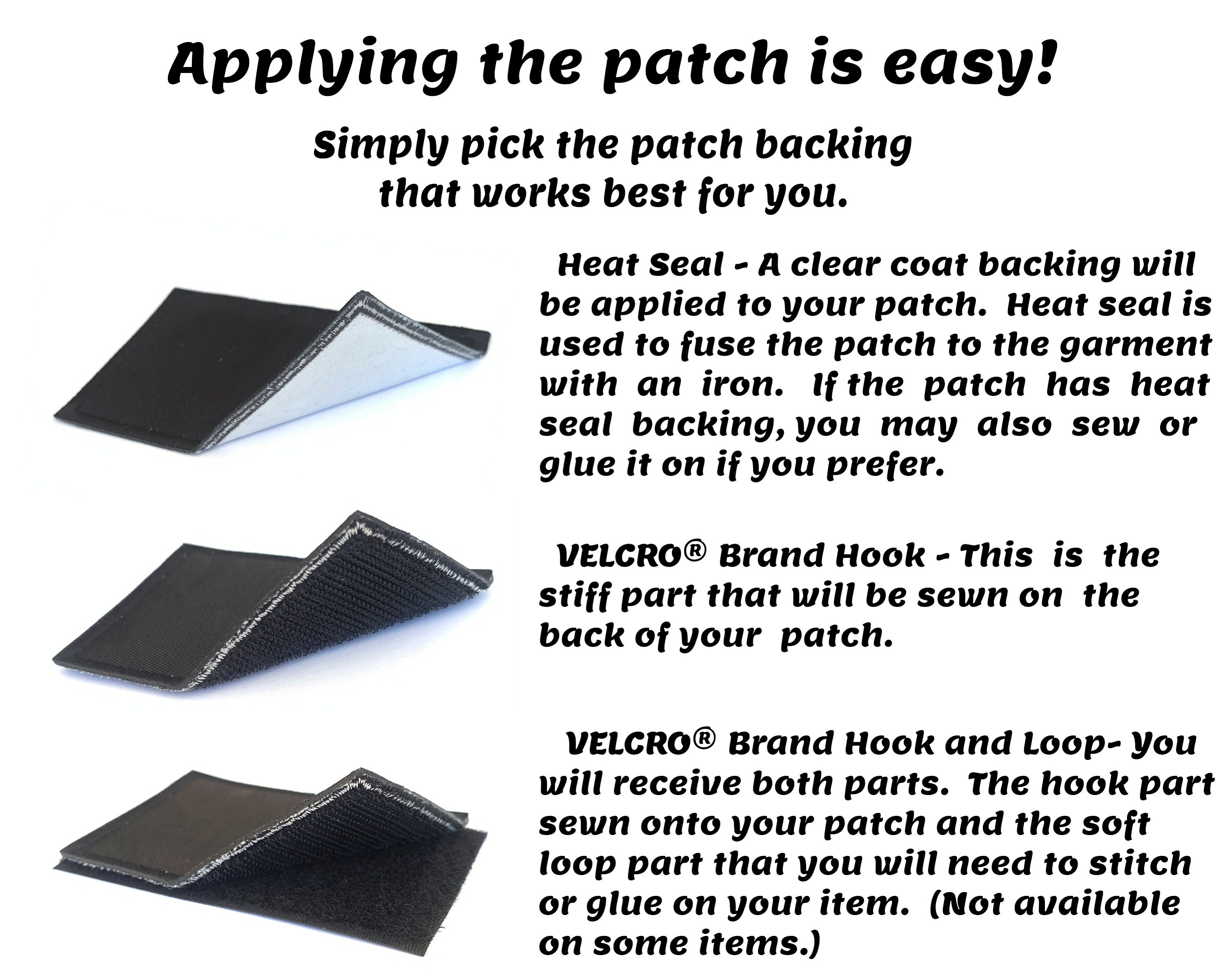
Beyond being a brand in itself, the hook and loop system, particularly in the form of patches, has evolved into a versatile tool for corporate identity, branding, and dynamic marketing. Its unique properties make it ideal for interchangeable visual communication.
Custom Patches: A Canvas for Brand Expression
Custom hook and loop patches offer a highly adaptable medium for expressing corporate identity, promoting brands, and fostering community. Organizations across various sectors – from military units and emergency services to outdoor gear manufacturers, sports teams, and corporate events – utilize these patches extensively.
For military and tactical applications, patches serve critical functions: identifying rank, unit affiliation, and special qualifications. Their hook and loop backing allows for quick swapping, adapting to different uniforms or mission requirements. This modularity ensures that identity elements can be updated or changed without needing to replace entire garments, offering efficiency and cost-effectiveness.
In the corporate world, branded patches are affixed to uniforms, workwear, bags, and promotional items. They reinforce brand visibility and professionalism. For instance, a company sponsoring an event might provide branded patches for participants’ gear, creating mobile advertisements. For businesses in the outdoor or adventure industries, custom patches are often collectible items that customers proudly display, becoming brand ambassadors. The ease of application and durability ensures that the brand message remains clear and vibrant, even in challenging environments. This physical representation of a brand, easily attachable and detachable, creates a tangible connection with consumers.
Design Flexibility and Practical Branding Applications
The inherent design flexibility of hook and loop patches makes them exceptionally useful for dynamic branding. Companies can create a range of patches with different logos, slogans, or designs that can be interchanged on a single product. This is particularly valuable for:
- Seasonal or Limited-Edition Branding: Brands can release patches tailored to specific seasons, holidays, or limited-edition product lines, allowing customers to customize their gear accordingly.
- Modular Product Branding: Products designed with hook and loop attachment points (e.g., backpacks, tactical vests, tool belts) allow users to personalize them with various brand patches, utility pouches, or identification tags. This enhances user engagement and fosters a sense of ownership.
- Event and Campaign Specifics: For marketing campaigns or events, unique patches can be distributed, acting as memorable takeaways or access passes.
- Employee Identification and Morale: In workplaces, interchangeable name tags, department identifiers, or morale patches can be easily managed and updated.
The ability to quickly attach and detach these patches provides unparalleled versatility for brands looking to offer personalization options, adapt to changing marketing needs, or simply maximize brand exposure through highly visible and interactive means. This interactivity adds a new dimension to branding, moving beyond static logos to an engaging, customizable experience.
Maintaining Brand Integrity in a Commoditized Market
In an era where the underlying technology of hook and loop fasteners has become widely understood and replicated by numerous manufacturers, maintaining brand integrity and market leadership becomes a complex strategic challenge. The original VELCRO Companies, alongside other premium manufacturers, constantly innovate to differentiate their offerings.
Beyond the Fastener: Building Brand Value Through Innovation and Quality
For brands in a commoditized market, the key to sustained success lies in transcending the basic product function. For VELCRO Brand and other reputable hook and loop manufacturers, this means continually investing in research and development to offer specialized solutions. This includes:
- Material Science Innovation: Developing fasteners from advanced materials for specific environments (e.g., high heat, extreme cold, underwater use, cleanroom applications) or specific industries (e.g., aerospace, automotive, medical).
- Specialized Fastening Solutions: Creating products with unique adhesive backings, fire-retardant properties, low-profile designs, or enhanced strength for heavy-duty applications.
- Sustainability Initiatives: Developing eco-friendly versions, such as those made from recycled materials or designed for easier recycling, appealing to environmentally conscious consumers and businesses.
- Quality and Consistency: Ensuring superior manufacturing processes that result in reliable, durable, and consistent performance, which generic alternatives often struggle to match. This commitment to quality builds trust and justifies a premium price point.
By consistently innovating and demonstrating superior performance and reliability, brands can build value that goes “beyond the fastener,” establishing themselves as trusted solution providers rather than just producers of a generic component. This strategy reinforces their unique corporate identity in a competitive landscape.

Protecting Your Brand: Legal and Strategic Considerations
For brands like VELCRO, protecting their intellectual property and brand name is an ongoing, vital effort. This involves a multi-faceted approach:
- Vigorous Trademark Enforcement: Actively monitoring the market for infringements and taking legal action against unauthorized use of the VELCRO® trademark. This includes educating the public and media on the correct usage of the brand name as an adjective, not a noun.
- Consistent Messaging: Employing clear and consistent communication that distinguishes the proprietary brand from generic alternatives. This often involves marketing campaigns that highlight the unique benefits and superior quality of the branded product.
- Patents and Trade Secrets: Continuing to file new patents for innovative hook and loop designs and technologies, thereby protecting future developments and maintaining a competitive edge. Guarding manufacturing processes and specialized knowledge as trade secrets further entrenches market position.
- Building Brand Equity: Investing in marketing and public relations to continually reinforce the brand’s image of quality, innovation, and reliability. This builds strong brand equity, making it more resilient to generic competition.
By taking these proactive measures, brands can protect their corporate identity, ensure their unique value proposition is understood, and maintain their distinctiveness in a market that often overlooks the origin of its most fundamental components.
In conclusion, the simple hook and loop patch is far more than just a fastening device; it is a profound testament to the power of branding. From George de Mestral’s inspiration and the meticulous crafting of the VELCRO® brand to its pervasive presence in corporate identity and marketing, its journey is a compelling case study. It highlights how innovative design, strategic market penetration, and diligent brand stewardship can elevate a functional invention into an enduring global phenomenon, battling the very success that threatened to erase its unique identity. The hook and loop patch remains a powerful symbol of how a tangible product can embody an abstract brand, shaping how we connect, secure, and identify ourselves in the modern world.
aViewFromTheCave is a participant in the Amazon Services LLC Associates Program, an affiliate advertising program designed to provide a means for sites to earn advertising fees by advertising and linking to Amazon.com. Amazon, the Amazon logo, AmazonSupply, and the AmazonSupply logo are trademarks of Amazon.com, Inc. or its affiliates. As an Amazon Associate we earn affiliate commissions from qualifying purchases.