
Beyond the Hood: Deconstructing Apparel Nomenclature and Brand Identity
In the intricate world of fashion, every garment, every detail, and crucially, every name, plays a pivotal role in shaping consumer perception and brand identity. When we strip a hoodie of its defining characteristic – the hood – we are left not with an unnamed void, but with a distinct and well-established garment that carries its own history, design principles, and branding potential. The answer, in its simplest form, is a sweatshirt. However, understanding why this seemingly straightforward distinction holds significant weight for brands involves delving into the nuanced interplay of design, marketing, and consumer psychology. For apparel brands, the precision of nomenclature isn’t merely about correctness; it’s about clarity, market positioning, and leveraging the inherent associations of a garment type to build a robust brand narrative.

The Power of a Name in Fashion Branding
A product’s name is often the first touchpoint between a brand and its consumer. In fashion, terms like “hoodie,” “sweatshirt,” “crewneck,” “pullover,” or “jumper” are more than just labels; they are shorthand for a collection of design features, intended uses, and cultural connotations. For brands, selecting or promoting a specific term is a strategic decision that influences product categorization, search engine optimization, and direct consumer communication. The term “hoodie” conjures images of casual comfort, athleticism, and perhaps a street-style edge. Removing the hood doesn’t just alter the physical garment; it subtly shifts these inherent brand associations. A “sweatshirt,” by contrast, evokes a more classic, versatile, and often slightly more refined casual aesthetic, even while sharing much of the same core construction. Brands meticulously craft product names and descriptions to resonate with their target demographic, guiding perceptions of quality, style, and appropriateness for various occasions.
Identifying the “Hoodie Without a Hood”: The Sweatshirt’s Enduring Legacy
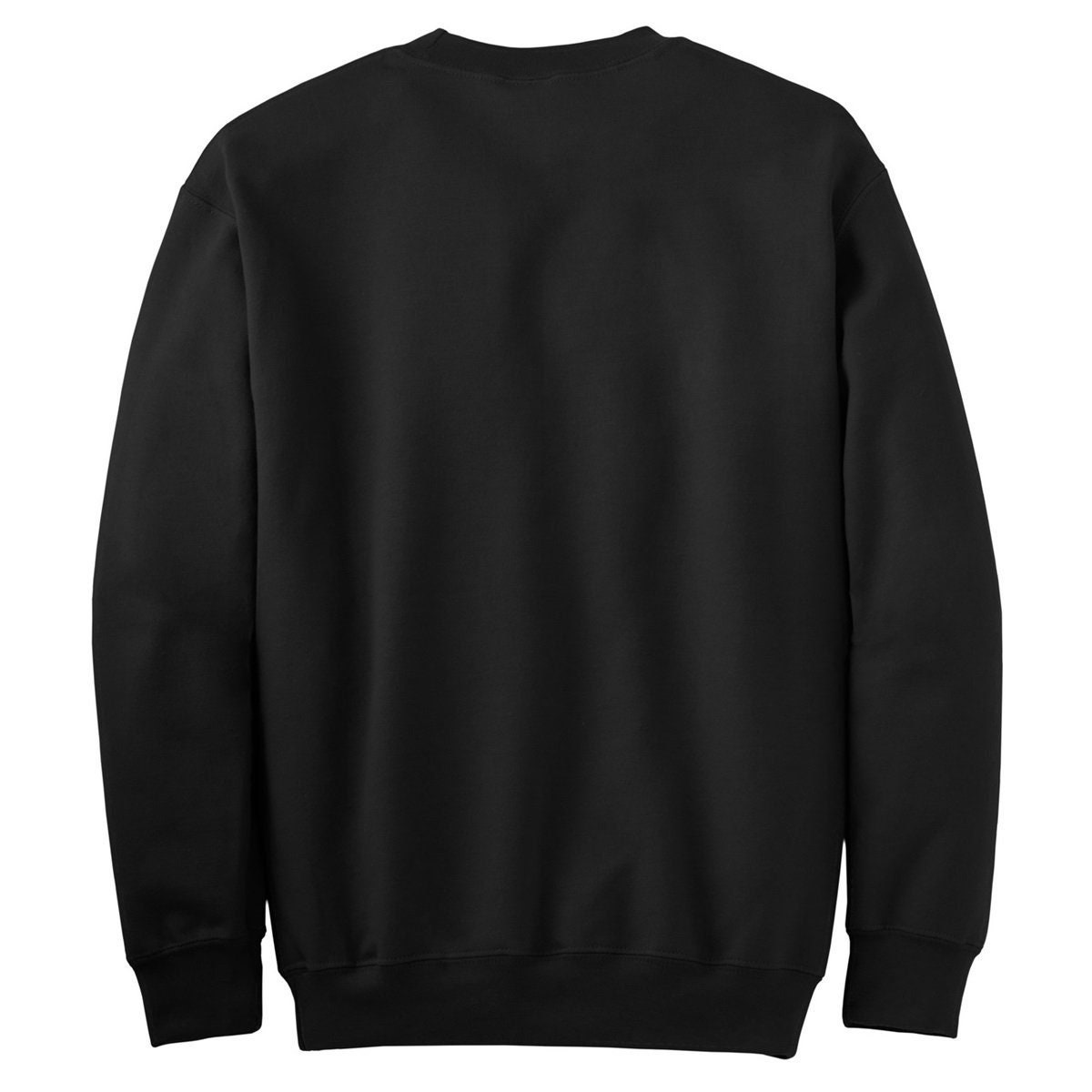
The garment commonly referred to as a “hoodie without a hood” is, in essence, a sweatshirt. Originating in the early 20th century as practical athletic wear, the sweatshirt was designed for comfort and absorbency during physical activity. It typically features a crewneck (round neckline), long sleeves, and is made from a soft, thick cotton knit fabric, often fleece-backed for warmth. Over decades, its utility transcended sports, becoming a staple of casual wear across all demographics. The “hoodie” emerged as a specific variation of the sweatshirt, adding a hood for extra warmth and anonymity, gaining significant traction in hip-hop culture and streetwear in the latter half of the 20th century. Therefore, when a brand offers a garment that shares the material, fit, and construction of a hoodie but lacks the hood, it is correctly marketing a sweatshirt. Distinguishing between the two allows brands to appeal to different stylistic preferences and functional needs within the broader casual wear market.
Design Elements as Brand Differentiators
While the fundamental difference between a hoodie and a sweatshirt lies in the presence or absence of a hood, successful brands understand that the devil is in the details. The “hoodie without a hood,” or sweatshirt, offers a rich canvas for design innovation that can profoundly influence its market positioning and brand identity. From the cut of the neckline to the selection of fabric and the overall silhouette, each design choice contributes to a brand’s unique aesthetic and target appeal. These elements are not just functional; they are powerful branding tools that communicate a garment’s quality, style, and intended audience, allowing brands to carve out distinct niches within a crowded apparel landscape.
Necklines, Fabrics, and Fits: Crafting a Brand Aesthetic
Beyond the missing hood, the specific design elements of a sweatshirt are critical for brand differentiation.
- Necklines: While the classic crewneck is dominant, variations exist. A slightly wider or shallower crewneck can convey a more fashion-forward or relaxed vibe. Some brands introduce mock necks or even v-necks to offer alternatives, subtly altering the garment’s formality and layering potential.
- Fabrics: The choice of fabric weight and composition is paramount. Heavyweight, dense cotton blends signal durability and premium quality, often associated with heritage or streetwear brands. Lighter French terry fabrics offer breathability and a softer drape, favored by activewear or contemporary casual brands. The texture, hand-feel, and even the sustainable sourcing of materials contribute significantly to a brand’s promise and perceived value.
- Fits: The silhouette of a sweatshirt can range from slim-fit and tailored to oversized and relaxed. A brand specializing in minimalist luxury might offer a precisely cut, slightly tapered sweatshirt, while a brand targeting youth culture might opt for a boxier, drop-shoulder design. The fit dictates how the garment drapes on the body, influencing comfort, style, and how it pairs with other clothing items, thereby shaping the overall brand aesthetic. These choices reflect a brand’s understanding of its customer’s lifestyle and stylistic preferences.
From Athletic Wear to High Fashion: Branding Versatility
The versatility of the sweatshirt is a significant asset for brands. Its humble origins in athletic wear have evolved to encompass a vast spectrum of fashion expressions.
- Performance Brands: Continue to innovate with moisture-wicking, breathable fabrics and ergonomic designs, positioning sweatshirts as essential gear for active lifestyles. Their branding emphasizes function, technology, and performance.
- Streetwear Brands: Have elevated the sweatshirt into an icon of urban culture, often featuring bold graphics, oversized fits, and collaborations that build hype and exclusivity. Their brand identity is rooted in cultural relevance, limited editions, and aspirational cool.
- Luxury Brands: Reinterpret the sweatshirt using premium materials like cashmere or silk blends, sophisticated cuts, and subtle branding. They transform a casual staple into an elevated fashion statement, appealing to consumers seeking understated luxury and comfort without sacrificing style.
- Sustainable Brands: Focus on organic cotton, recycled materials, and ethical production, branding their sweatshirts not just as clothing, but as a statement of values and conscious consumption.
This broad adaptability allows brands to align the sweatshirt with diverse brand narratives, proving that a core garment can be reimagined and repositioned to appeal to a multitude of consumer segments through intelligent design and strategic branding.
Marketing the Hoodless: Strategic Positioning in a Saturated Market
In a market saturated with apparel options, effectively marketing the sweatshirt – the “hoodie without a hood” – requires a nuanced brand strategy. Simply labeling it a “sweatshirt” isn’t enough; brands must articulate its unique value proposition, distinguish it from hooded counterparts, and position it strategically within their broader collection. This involves understanding the psychological triggers that drive consumer choice, crafting compelling narratives, and utilizing targeted communication channels to reach the desired audience. The absence of a hood is not a deficiency but a feature that offers different aesthetic and functional benefits, and savvy brands leverage this to their advantage.
Targeting Diverse Consumer Segments
The versatility of the sweatshirt allows brands to target a wide array of consumer segments, each with specific needs and preferences.
- The Minimalist & Classicist: Brands targeting this segment emphasize the clean lines, timeless appeal, and understated elegance of a well-made crewneck sweatshirt. Marketing focuses on quality fabrics, impeccable fit, and versatility for layering or standalone wear, appealing to consumers who value durability and enduring style over fleeting trends. Messaging highlights its status as a wardrobe essential.
- The Professional Casual: For brands addressing the growing demand for smart-casual office wear, the sweatshirt can be positioned as a comfortable yet polished alternative to a sweater. The absence of a hood immediately elevates its perceived formality, making it suitable for hybrid work environments or relaxed business settings. Branding here emphasizes sophistication, comfort, and professional appropriateness.
- The Athleisure Enthusiast: While hoodies are prevalent in athleisure, the sweatshirt offers a sleeker option for pre/post-workout wear or light activity. Brands can highlight its breathability, stretch, and streamlined look that transitions effortlessly from gym to street. Marketing focuses on active lifestyles, comfort without bulk, and modern design.
- The Eco-Conscious Consumer: Brands committed to sustainability position their organic cotton or recycled material sweatshirts as responsible choices. Messaging centers on ethical production, environmental impact, and transparent sourcing, appealing to consumers whose purchasing decisions are driven by values.
By understanding these distinct segments, brands can tailor their product offerings and marketing messages to resonate deeply with specific consumer groups, maximizing appeal and minimizing market dilution.
Storytelling and Lifestyle Branding
Effective marketing of the sweatshirt goes beyond listing features; it’s about crafting a compelling story and integrating the garment into a desirable lifestyle. Brands don’t just sell clothing; they sell aspirations, identities, and experiences.
- Heritage & Authenticity: Brands with a long history can leverage their heritage, telling stories of the sweatshirt’s origins in athletic fields or collegiate campuses. This builds a sense of authenticity and timelessness, appealing to consumers who value legacy and enduring quality.
- Modern & Urban: For contemporary brands, the sweatshirt can be positioned as a symbol of urban cool, creativity, and self-expression. Marketing visuals might feature individuals pursuing artistic endeavors, navigating cityscapes, or participating in cultural events, creating an aspirational image connected to a vibrant, modern lifestyle.
- Comfort & Well-being: Many brands tap into the universal desire for comfort and relaxation. By associating the sweatshirt with moments of ease – weekend mornings, cozy evenings, or mindful breaks – they can create an emotional connection, positioning the garment as an essential part of a balanced and comfortable life.
- Collaborations & Exclusivity: Limited-edition collaborations with artists, designers, or cultural figures can generate buzz and position the sweatshirt as a coveted item, tapping into consumers’ desire for uniqueness and exclusivity.
Through powerful storytelling and strategic lifestyle branding, companies transform a simple garment into a statement piece, fostering brand loyalty and driving demand by connecting with consumers on an emotional level.
The Brand’s Role in Shaping Consumer Perception and Demand
Ultimately, the distinction between a “hoodie” and a “sweatshirt” and how consumers understand it, is largely shaped by the brands themselves. Brands act as cultural conduits, educating consumers, setting trends, and imbuing garments with meaning. Their consistent messaging, design choices, and marketing efforts determine not just what a product is called, but what it represents in the minds of the buying public. In a dynamic fashion landscape, a brand’s ability to clearly define and strategically position its products, including the versatile “hoodie without a hood,” is paramount to its success and longevity.
Building Brand Equity Through Clarity and Consistency
For apparel brands, establishing and maintaining clarity around product definitions is crucial for building strong brand equity. When a brand consistently uses precise terminology (e.g., “crewneck sweatshirt” instead of “hoodie without a hood”), it projects professionalism, expertise, and attention to detail. This clarity aids consumers in making informed purchasing decisions, reduces confusion, and builds trust. Consistency in branding – from product naming and descriptions to visual merchandising and advertising – reinforces the brand’s identity and values. A brand that consistently positions its sweatshirts as high-quality, timeless essentials, for instance, will cultivate an image of reliability and sophistication, attracting and retaining customers who value those attributes. This deliberate approach ensures that every garment, including the hoodless variety, contributes positively to the overall brand narrative and strengthens its market presence.

Innovating Without Losing Core Identity
While strict adherence to traditional definitions is important for clarity, successful brands also understand the art of innovation within established categories. They might introduce novel fabrics, sustainable production methods, or hybrid designs that push the boundaries of what a “sweatshirt” can be, without abandoning its core identity. For example, a brand might launch a “performance sweatshirt” with advanced moisture-wicking properties, or a “luxury cashmere blend sweatshirt” that elevates the garment for premium markets. The key is to innovate in a way that aligns with the brand’s overarching strategy and resonates with its target audience. By offering fresh perspectives on familiar items like the sweatshirt, brands can maintain relevance, excite consumers, and solidify their position as leaders in design and quality, ensuring that even a garment as fundamental as a hoodie without a hood continues to evolve and thrive under thoughtful brand stewardship.
aViewFromTheCave is a participant in the Amazon Services LLC Associates Program, an affiliate advertising program designed to provide a means for sites to earn advertising fees by advertising and linking to Amazon.com. Amazon, the Amazon logo, AmazonSupply, and the AmazonSupply logo are trademarks of Amazon.com, Inc. or its affiliates. As an Amazon Associate we earn affiliate commissions from qualifying purchases.