
The term “honky tonk” conjures a vivid image: lively music, spirited dancing, and an atmosphere thick with camaraderie and good times. But beyond a simple definition of a type of bar, a honky tonk represents a potent and enduring brand, a cultural archetype whose identity has been meticulously, albeit often organically, crafted over decades. In the realm of branding, a honky tonk is a masterclass in establishing a distinct corporate identity, delivering a consistent customer experience, and maintaining a powerful, recognizable market position, all while evolving from local dive to an international symbol of authentic American entertainment. Understanding a honky tonk means dissecting its deliberate design, its unique marketing strategies, and its unwavering brand promise.

The Enduring Brand Identity of the Honky Tonk
At its core, a honky tonk is an establishment with a specific, deeply ingrained brand identity that sets it apart from other entertainment venues. It’s a brand built on authenticity, approachability, and an unpretentious celebration of a particular musical and social tradition. This identity is not merely accidental; it’s reinforced through every sensory detail, every interaction, and every story passed down.
More Than a Bar: A Cultural Archetype
A honky tonk transcends the generic label of “bar” or “nightclub.” It is a cultural archetype, a recognized institution with a well-defined set of expectations, much like a specific luxury hotel chain or a fast-food brand. When one envisions a honky tonk, they don’t just see a building; they imagine an entire experience, complete with specific sounds, smells, and social dynamics. This archetypal status provides an immediate brand recognition that allows it to communicate its value proposition without needing extensive explanation. Its brand promise is understood implicitly: a place for genuine connection, unfettered enjoyment, and the quintessential country music experience. This deeply embedded cultural understanding makes it a powerful brand, instantly relatable and evoking a specific emotional response from its target audience, whether they’re seasoned regulars or curious tourists.
The longevity of the honky tonk brand speaks volumes about its success in carving out and maintaining this distinct cultural niche. It provides a sense of continuity and tradition in an ever-changing world, acting as a touchstone for a particular lifestyle and set of values. This brand authenticity is its most valuable asset, distinguishing it from fleeting trends and generic entertainment offerings. It’s a place where the brand’s narrative is lived out nightly, not just advertised.
Visual and Auditory Branding: The Aesthetic of Authenticity
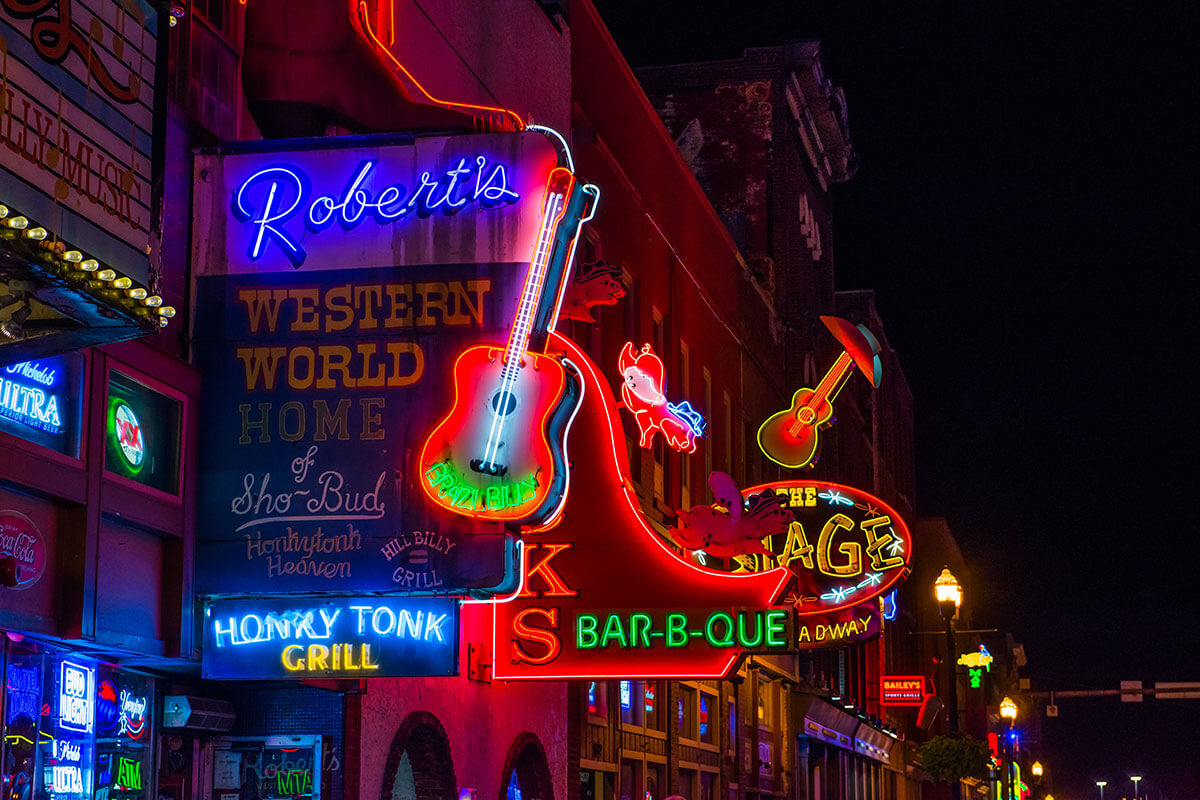
The design elements of a honky tonk are crucial to its brand identity, creating a visual and auditory language that speaks volumes to its patrons. Visually, honky tonks often embrace a rustic, lived-in aesthetic. Think worn wooden floors, neon beer signs, string lights, vintage band posters, and perhaps a jukebox. This isn’t haphazard decor; it’s a deliberate design strategy to evoke a sense of history, comfort, and unpretentiousness. The dimly lit interiors, often with a stage as the focal point, create an intimate yet energetic atmosphere, signalling a space where the focus is on performance and participation rather than ostentation. This visual branding communicates approachability and a “come as you are” ethos, a key part of its brand appeal.
Auditory branding is equally significant. The very definition of a honky tonk is inseparable from its live country music. The sound of twangy guitars, soulful vocals, and rhythmic drums forms the sonic backbone of its identity. The acoustics, often raw and unfiltered, contribute to the immersive experience. Even the background chatter, the clinking of glasses, and the shuffle of dancing feet are part of this auditory tapestry, reinforcing the brand’s commitment to lively interaction and a genuine, unpolished entertainment experience. Together, these visual and auditory cues create a multi-sensory brand experience that is instantly recognizable and deeply resonant, forming a cohesive corporate identity that has stood the test of time.
The Experiential Brand Promise: Music, Dance, and Community
The core brand promise of a honky tonk is an immersive, high-energy experience centered around live music, dancing, and a strong sense of community. It’s an entertainment brand that sells not just drinks, but memories and connections. The live band, often playing for hours, is the heart of this promise, offering continuous entertainment that encourages participation rather than passive observation. Two-stepping, line dancing, and enthusiastic clapping are not just activities; they are integral components of the brand experience, fostering a communal spirit that strengthens customer loyalty.
This experiential branding is what differentiates a honky tonk. Patrons don’t just visit; they become part of the narrative. The communal atmosphere, where strangers often dance together and share tables, reinforces a brand identity built on inclusivity and shared joy. This focus on direct, unmediated human interaction is a powerful draw in an increasingly digital world. The honky tonk offers a tangible escape, a place where the brand promise of authentic fun and community is delivered consistently, night after night. This creates a deeply satisfying customer journey, turning first-time visitors into brand advocates who return time and again and spread the word.
Marketing the Honky Tonk Experience: From Local Dive to Global Icon
The marketing strategy of a honky tonk, while often appearing informal, is remarkably effective in building and sustaining its brand. It leverages inherent cultural appeal, strong word-of-mouth, and, increasingly, modern digital tools to maintain relevance and attract diverse audiences.
Organic Marketing and Word-of-Mouth Legacy
For much of its history, the marketing of a honky tonk was primarily organic, driven by word-of-mouth and its reputation within local communities. A honky tonk’s brand success was, and often still is, a direct result of its consistent delivery on its experiential promise. A great band, a friendly bartender, and an unforgettable night out were the most powerful marketing tools. This organic growth fostered a legacy, creating a brand narrative that was passed down through generations. People sought out specific honky tonks because their parents or grandparents had frequented them, or because they heard tales of legendary nights.
This grassroots marketing builds deep brand loyalty and authenticity. It’s a testament to the power of a strong product – the “product” being the entire honky tonk experience – that inherently encourages patrons to become brand evangelists. In this model, every satisfied customer is a micro-influencer, spreading positive brand sentiment within their social circles. This organic approach reinforces the honky tonk’s image as an authentic, community-driven brand, rather than a commercially manufactured one. Even as honky tonks scale, this foundational element of community and shared experience remains critical to their branding.
Leveraging Live Music and Talent as Brand Ambassadors
Live music is not just entertainment; it’s a crucial marketing channel and a powerful brand ambassador for honky tonks. The bands and artists who play in these venues often have their own followings, which they bring directly to the honky tonk. Booking talented, engaging musicians is therefore a primary marketing strategy. These artists embody the spirit of the honky tonk brand – passionate, authentic, and entertaining. Their performances create the very energy and atmosphere that defines the brand.
Furthermore, many legendary country music stars got their start in honky tonks, and their association with these venues provides an invaluable brand halo. Mentioning that an artist played at “such-and-such honky tonk before they made it big” is a powerful narrative, associating the venue with talent discovery, raw potential, and musical authenticity. This historical connection positions honky tonks not just as places of entertainment, but as vital incubators for country music talent, adding layers of cultural significance and prestige to their brand identity. The booking strategy itself becomes a significant part of the marketing plan, carefully curated to align with the honky tonk’s core brand values.
Digital Branding in a Traditional Space: Bridging Eras
While rooted in tradition, modern honky tonks have successfully embraced digital branding to expand their reach and maintain relevance. Social media platforms, particularly Instagram and Facebook, are used to showcase the vibrant atmosphere, promote upcoming live acts, and share candid moments from the nightly happenings. High-quality photos and videos of dancing patrons, energetic bands, and the unique decor serve as visual testimonials, effectively extending the experiential brand online.
Websites provide practical information like opening hours, menus, and event calendars, while also telling the honky tonk’s story and reinforcing its brand heritage. Online reviews on platforms like Yelp and Google are also crucial, acting as modern word-of-mouth and influencing potential visitors’ perceptions. Email newsletters might announce special events or artist spotlights. The challenge for honky tonks in the digital age is to translate their raw, authentic brand experience into digital content without losing its essence. By focusing on capturing the genuine energy and community spirit, they successfully bridge the gap between their traditional roots and the demands of contemporary marketing, ensuring their brand remains vibrant and accessible to a global audience.
Strategic Positioning: The Honky Tonk in the Modern Entertainment Landscape
In an increasingly fragmented and competitive entertainment market, the honky tonk’s ability to maintain its distinct strategic positioning is a testament to its powerful brand architecture. It thrives by differentiating itself through authenticity and cultural specificity, even as it navigates the pressures of commercialization and evolving consumer tastes.
Differentiating Through Authenticity and Niche Appeal
The honky tonk strategically positions itself by offering an experience that is distinctly different from generic bars, nightclubs, or even other live music venues. Its primary differentiator is its unwavering commitment to authenticity and its celebration of a specific, albeit broad, niche: country music culture. While many establishments try to be everything to everyone, the honky tonk embraces its identity, attracting an audience that specifically seeks out its unique blend of music, atmosphere, and social interaction. This targeted appeal allows it to build a loyal customer base rather than dilute its brand trying to compete on every front.
In a world saturated with highly polished, often sterile entertainment options, the honky tonk’s raw, unpretentious charm is its competitive advantage. It’s not trying to be chic or exclusive; it’s about genuine fun and accessibility. This authenticity resonates deeply with consumers tired of manufactured experiences, allowing the honky tonk brand to carve out a highly defensible market position. Its brand narrative is clear: this is a place where you can let loose, be yourself, and connect with others who share a love for a particular kind of music and camaraderie.
The “Brand Extension” of Honky Tonk Culture
The concept of the honky tonk has extended far beyond its physical walls, demonstrating a powerful form of cultural brand extension. It influences fashion (cowboy boots, hats, denim), slang (“two-stepping,” “line dancing”), and media (songs, movies, TV shows that depict honky tonk life). This cultural pervasive-ness means the honky tonk brand is not confined to a specific location; it’s a lifestyle, an attitude, and a genre.
Events and festivals that emulate the honky tonk vibe, or merchandise adorned with honky tonk imagery, are further examples of its brand stretching capabilities. This brand extension strategy allows the core values and aesthetic of the honky tonk to permeate various aspects of popular culture, reinforcing its status as a recognized and beloved brand. It’s a testament to how effectively its corporate identity has been integrated into the cultural lexicon, making it more than just a place, but a concept that can be replicated and enjoyed in various forms, expanding its reach and reinforcing its cultural significance.
Sustaining the Brand: Balancing Tradition with Innovation
The long-term sustainability of the honky tonk brand lies in its delicate balance between preserving tradition and embracing innovation. While the core brand elements – live country music, dancing, and a lively atmosphere – must remain sacrosanct, successful honky tonks understand the need to subtly adapt to changing times. This might involve updating sound systems, offering diverse beverage options that cater to modern tastes, or leveraging technology for marketing and operational efficiency, as discussed earlier.
Innovation also extends to programming, such as hosting special themed nights, showcasing emerging sub-genres of country music, or collaborating with local artists and businesses. The key is to integrate these innovations in a way that enhances the core brand experience without alienating traditional patrons or sacrificing the authentic identity. It’s a strategic tightrope walk: evolve enough to stay relevant, but not so much that the brand loses its soul. By carefully managing this balance, honky tonks ensure that their brand remains fresh and appealing to new generations while honoring the legacy that built its powerful identity.
Iconic Honky Tonk Brands: Case Studies in Cultural Longevity
Examining specific examples illustrates how honky tonks have successfully built and sustained powerful brands, from concentrated urban ecosystems to cherished local landmarks.
Nashville’s Broadway: A Brand Ecosystem
Nashville’s Lower Broadway is perhaps the most famous example of a concentrated “honky tonk ecosystem.” Here, multiple honky tonks operate side-by-side, each with its own subtle brand nuances, yet collectively reinforcing the overarching “Nashville Honky Tonk” brand. Establishments like Tootsie’s Orchid Lounge, Robert’s Western World, and The Bluebird Cafe (though slightly different in format, part of the wider music scene) have developed distinct personalities while adhering to the core honky tonk identity. Tootsie’s, for instance, is known for its legendary history and three stages of continuous music, embodying a chaotic, energetic brand. Robert’s Western World, on the other hand, cultivates a “Brazilbilly” brand with traditional country sounds and a general store vibe.
This concentration of honky tonks creates a powerful destination brand, where the entire strip becomes a pilgrimage site for country music fans. The synergy between these individual brands strengthens the collective, drawing millions of tourists annually. They market themselves not just as individual venues, but as integral parts of a larger cultural experience, a testament to effective branding within a competitive, yet collaborative, environment. This ecosystem thrives because each honky tonk, while distinct, upholds the shared brand promise of authentic country music and vibrant entertainment.

Local Legends: The Power of Community-Centric Branding
Beyond the glitz of Nashville, countless local honky tonks across the country have achieved legendary status within their communities, demonstrating the power of community-centric branding. These establishments, often family-owned for generations, build their brand identity on deep local roots, personal relationships with patrons, and a consistent commitment to serving their immediate community. They become more than just bars; they are social hubs, cultural institutions, and keepers of local history.
The branding here is less about mass appeal and more about deep, hyper-local loyalty. The “brand ambassador” might be the owner who knows every regular’s name, or the house band that has been playing there for decades. Their marketing often relies purely on word-of-mouth and their reputation as a trusted, consistent fixture in the community. This kind of branding fosters an unparalleled sense of belonging and ownership among patrons, turning them into fierce advocates. These local legends prove that a powerful brand doesn’t always need a global footprint; sometimes, the deepest loyalty and most enduring identity are built one local relationship at a time, solidifying their place as essential cornerstones of regional culture.
aViewFromTheCave is a participant in the Amazon Services LLC Associates Program, an affiliate advertising program designed to provide a means for sites to earn advertising fees by advertising and linking to Amazon.com. Amazon, the Amazon logo, AmazonSupply, and the AmazonSupply logo are trademarks of Amazon.com, Inc. or its affiliates. As an Amazon Associate we earn affiliate commissions from qualifying purchases.