
For many, the dream of homeownership is synonymous with financial stability and a tangible stake in the future. Yet, navigating the path to that dream often begins with a fundamental question: “What exactly is a home mortgage?” Far from being a mere loan, a home mortgage is a sophisticated financial instrument that underpins the vast majority of real estate transactions, serving as the bridge between aspiration and reality for millions. It’s a long-term loan specifically designed to finance the purchase of real estate, whether it’s a primary residence, a vacation home, or an investment property. Understanding its intricacies is not just about securing a loan; it’s about making one of the most significant financial commitments of a lifetime with clarity and confidence. This article will delve into the core mechanics of a home mortgage, explore the diverse types available, demystify the application process, and shed light on the critical factors that influence its cost and long-term implications for your personal finance journey.
Unpacking the Fundamentals of a Home Mortgage
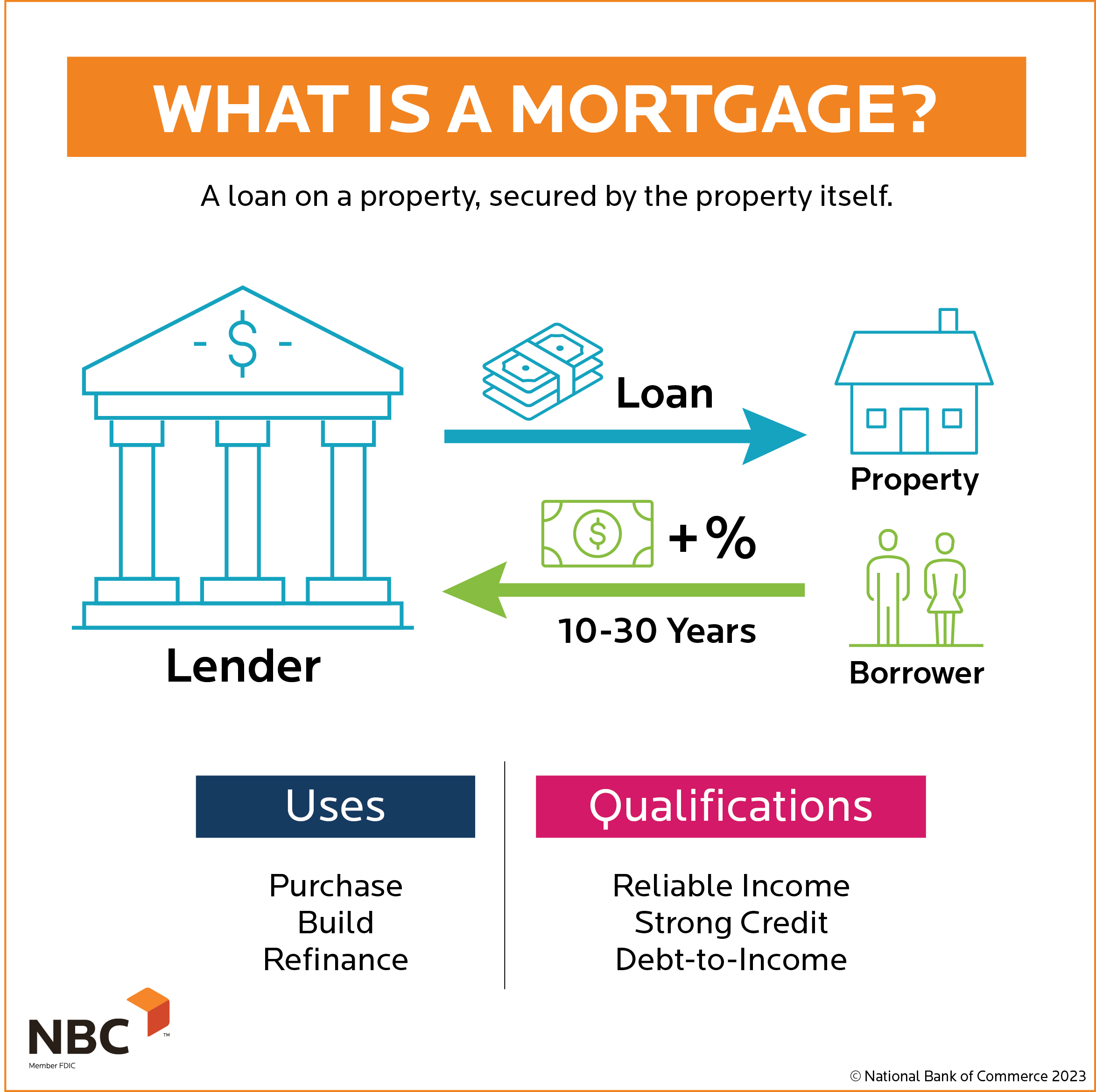
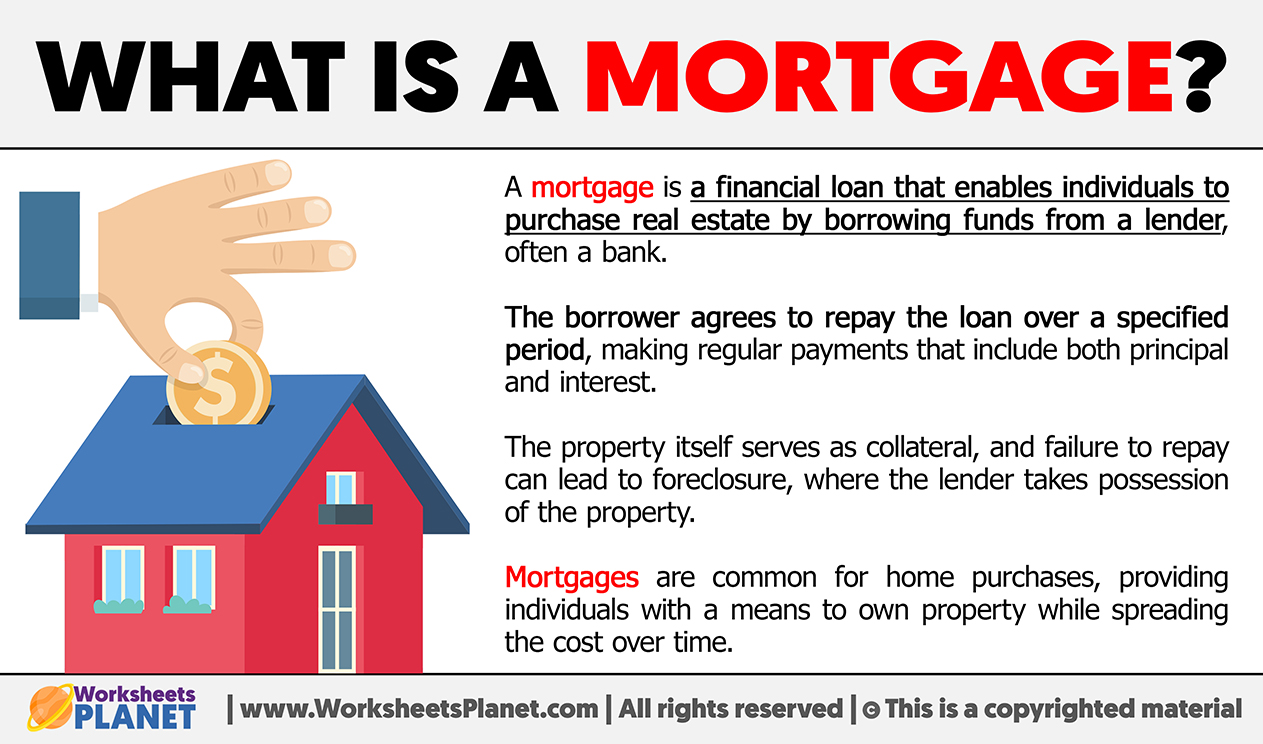
At its heart, a home mortgage is a secured loan. Unlike an unsecured personal loan, a mortgage uses the purchased property itself as collateral. This means that if the borrower fails to make payments as agreed, the lender has the legal right to take possession of the property through a process known as foreclosure. This inherent security allows lenders to offer substantial sums of money over extended periods, typically 15, 20, or 30 years, making homeownership accessible to a broader population.
Defining the Core Concept
A home mortgage is essentially a legal agreement between a borrower (you) and a lender (a bank, credit union, or mortgage company) where the lender provides funds to purchase a home, and the borrower agrees to repay the funds, plus interest, over a set period. The agreement is formalized through a promissory note, which outlines the terms of the loan, and a mortgage or deed of trust, which gives the lender a lien on the property. This lien is what establishes the property as collateral. Once the loan is fully repaid, the lien is removed, and the homeowner gains full, unencumbered ownership of the property.
Key Components of a Mortgage Loan
Understanding the key components of a mortgage is crucial for comprehending how it impacts your personal finances. These elements dictate your monthly payments, the total cost of the loan, and the overall structure of your homeownership journey.
- Principal: This is the original amount of money borrowed to purchase the home. Every payment you make chipping away at your principal directly reduces the outstanding debt.
- Interest: This is the cost of borrowing the principal, expressed as a percentage of the loan amount. Interest is how lenders generate profit, and it significantly impacts the total cost of your mortgage over its lifetime. Early mortgage payments are heavily skewed towards interest, with a smaller portion going to principal, a phenomenon known as amortization.
- Loan Term: This is the length of time you have to repay the loan. Common terms are 15, 20, or 30 years. Shorter terms typically mean higher monthly payments but less total interest paid over the life of the loan, while longer terms offer lower monthly payments but accumulate more interest.
- Down Payment: This is the initial sum of money you pay upfront towards the purchase of the home. It reduces the amount you need to borrow and often influences your interest rate and the requirement for private mortgage insurance (PMI). A larger down payment can signal less risk to lenders, potentially securing better terms.
- Escrow: Many mortgage lenders require borrowers to pay a portion of their property taxes and homeowner’s insurance premiums each month, along with their principal and interest, into an escrow account. The lender then uses these funds to pay the annual tax and insurance bills on your behalf, ensuring these crucial payments are made and protecting their collateral.
The Role of Interest Rates and Loan Terms
The interest rate is perhaps the most scrutinized aspect of a mortgage, and for good reason. Even a small difference in the rate can translate into tens of thousands of dollars over the loan’s term. Loan terms, typically 15 or 30 years, also play a significant role. A 30-year mortgage offers lower monthly payments, making homeownership more accessible, but you’ll pay substantially more in interest over time. A 15-year mortgage, while requiring higher monthly payments, allows you to build equity faster and pay significantly less in interest, freeing up your finances sooner for other goals. The interplay between interest rates and loan terms is a critical decision point for every borrower, requiring careful consideration of current financial capacity versus long-term financial goals.
Navigating the Landscape of Mortgage Types
The world of home mortgages is not monolithic; it offers a diverse array of loan products designed to meet different financial situations and borrower profiles. Choosing the right type of mortgage is a critical step that can profoundly affect your financial health for decades.
Fixed-Rate Mortgages: Stability in Payments
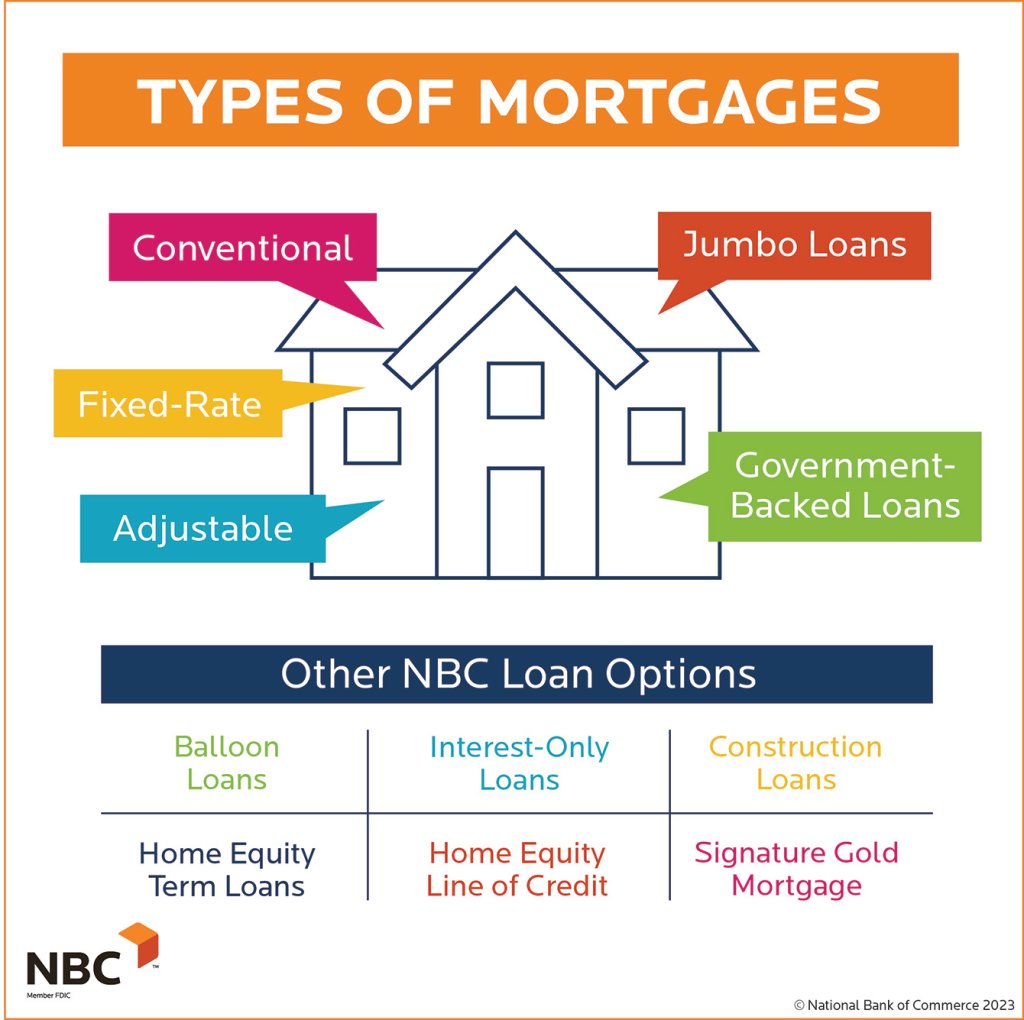
The fixed-rate mortgage is the most common and perhaps simplest type of home loan. With a fixed-rate mortgage, the interest rate remains constant for the entire duration of the loan. This means your principal and interest payment will never change, providing predictable monthly expenses that can greatly assist with budgeting and financial planning. The stability of fixed-rate mortgages makes them particularly appealing to borrowers who prioritize consistency and want to protect themselves from potential interest rate increases in the future. They are ideal for long-term homeowners who plan to stay in their property for many years.
Adjustable-Rate Mortgages (ARMs): Flexibility with Risk
Adjustable-Rate Mortgages (ARMs), in contrast to fixed-rate loans, feature an interest rate that can change periodically after an initial fixed period. For instance, a 5/1 ARM will have a fixed interest rate for the first five years, after which the rate adjusts annually based on a specific financial index plus a margin set by the lender. These loans often start with a lower interest rate than fixed-rate mortgages, making them attractive to borrowers who anticipate moving or refinancing before the fixed period ends, or those who expect their income to increase significantly in the future. However, ARMs carry the risk that your interest rate and monthly payments could increase substantially after the initial fixed period, potentially making your mortgage less affordable. Understanding the caps (limits on how much the rate can increase) and the index used is paramount when considering an ARM.
Government-Backed Loans: FHA, VA, and USDA
Beyond conventional mortgages (those not insured or guaranteed by a government agency), several government-backed programs aim to make homeownership more accessible, especially for specific populations.
- FHA Loans: Insured by the Federal Housing Administration, FHA loans are designed for borrowers with lower credit scores or those who cannot afford a large down payment. They typically require a minimum down payment as low as 3.5% and have more lenient credit requirements compared to conventional loans. However, FHA loans require borrowers to pay mortgage insurance premiums (MIP) for the life of the loan or until specific conditions are met, which adds to the overall cost.
- VA Loans: Guaranteed by the U.S. Department of Veterans Affairs, VA loans are available to eligible service members, veterans, and surviving spouses. A significant benefit of VA loans is that they often do not require a down payment and do not require private mortgage insurance (PMI). They also typically have competitive interest rates and limited closing costs, making them an incredibly valuable benefit for those who have served.
- USDA Loans: Backed by the U.S. Department of Agriculture, USDA loans are designed to help low- and moderate-income individuals purchase homes in eligible rural areas. Similar to VA loans, they often do not require a down payment and offer competitive interest rates. Eligibility is tied to property location and income limits for the area.
Specialized Mortgage Products
In addition to these common types, the market offers various specialized mortgages to address unique situations. These include jumbo loans for properties exceeding conventional loan limits, interest-only mortgages where borrowers pay only the interest for a set period, and construction loans for building a new home. Each of these carries specific requirements and risk profiles, necessitating careful consideration and expert advice to determine their suitability for your financial plan.
The Mortgage Application and Approval Process
Securing a mortgage is a multi-step process that requires diligence, documentation, and patience. While it can seem daunting, breaking it down into manageable stages reveals a logical progression towards homeownership.
Pre-Approval: Your First Step
Before you even start house hunting, obtaining mortgage pre-approval is highly recommended. Pre-approval is a formal commitment from a lender, contingent on final verification, stating how much they are willing to lend you. To get pre-approved, you’ll need to provide financial information, including income, assets, and credit history. This step is crucial because it:
- Gives you a clear understanding of your budget, narrowing down your property search.
- Shows sellers you are a serious and qualified buyer, giving you leverage in a competitive market.
- Identifies potential issues with your credit or finances early, allowing you time to address them.
Documentation and Underwriting: The Deep Dive
Once you’ve found a home and made an offer, the full application process begins. This involves submitting extensive documentation to verify the information provided during pre-approval. Lenders will typically request:
- Proof of Income: Pay stubs, W-2 forms, tax returns for the past two years.
- Asset Verification: Bank statements, investment account statements to show down payment funds and reserves.
- Credit History: Lenders pull your credit report and score to assess your repayment risk.
- Employment Verification: Lenders will often contact your employer to confirm your job status and income.
- Property Information: Appraisal report (to ensure the property’s value supports the loan amount) and title search (to ensure there are no legal claims against the property).
The “underwriting” phase is where the lender’s team meticulously reviews all submitted documents to assess your financial health, capacity to repay the loan, and the property’s value and legal standing. This can be the longest and most intensive part of the process, as underwriters look for any red flags or inconsistencies.
Closing the Deal: From Approval to Ownership
Once underwriting is complete and all conditions are met, your loan receives final approval. The final step is the “closing,” a legal process where you sign all the necessary documents to finalize the mortgage and transfer ownership of the property. At closing, you will pay any remaining closing costs (fees associated with originating and closing the loan), the down payment, and funds for establishing your escrow account. This is the moment you officially become a homeowner, receiving the keys to your new property.
Understanding Factors Influencing Mortgage Costs
The total cost of a mortgage extends far beyond the principal loan amount. Several factors significantly influence the interest rate you’re offered, the fees you pay, and ultimately, the overall expense of your home loan. Being aware of these elements can empower you to optimize your financial position before and during the mortgage process.
Credit Score and Financial Health
Your credit score is one of the most powerful determinants of the interest rate you receive. Lenders use credit scores as a quick indicator of your creditworthiness and repayment reliability. Borrowers with excellent credit scores (typically 740 and above) are perceived as lower risk and generally qualify for the most favorable interest rates. Conversely, a lower credit score might result in a higher interest rate, or in some cases, the denial of a loan. Beyond the score itself, lenders also examine your debt-to-income (DTI) ratio, which compares your total monthly debt payments to your gross monthly income. A high DTI ratio suggests you might struggle to manage additional debt, potentially impacting your loan approval or terms.
Down Payment and Loan-to-Value (LTV)
The size of your down payment plays a crucial role in your mortgage cost. A larger down payment reduces the amount you need to borrow, thereby decreasing your monthly principal and interest payments. It also lowers your loan-to-value (LTV) ratio, which is the amount of the mortgage divided by the appraisal value of the home. A lower LTV (e.g., a 20% down payment leading to an 80% LTV) often qualifies you for better interest rates and, importantly, helps you avoid paying private mortgage insurance (PMI) on conventional loans. PMI is an additional cost typically required when your LTV is above 80% to protect the lender in case you default.
Economic Indicators and Market Trends
Mortgage rates are not static; they fluctuate daily in response to broader economic forces and market trends. Key indicators like inflation, the Federal Reserve’s monetary policy (particularly the federal funds rate), bond market performance (especially the 10-year Treasury yield), and overall economic growth can all impact interest rates. When the economy is strong, and inflation is a concern, rates tend to rise. Conversely, during economic slowdowns or periods of uncertainty, rates may fall. While you can’t control these macro factors, understanding their influence can help you decide when to lock in a rate or if it’s a good time to refinance.
Closing Costs and Other Fees
Beyond the principal and interest, a mortgage comes with various upfront costs known as “closing costs.” These are fees paid at the time of closing to cover services related to originating and processing your loan, as well as transferring ownership of the property. Common closing costs include:
- Origination Fees: Charged by the lender for processing the loan.
- Appraisal Fees: For assessing the home’s value.
- Title Insurance: Protects both the lender and you from future claims against the property’s title.
- Escrow Fees: Paid to the escrow company handling the closing.
- Attorney Fees: If applicable in your state.
- Recording Fees: For recording the deed and mortgage with the local government.
- Prepaid Expenses: Such as property taxes and homeowner’s insurance premiums for a certain period, which are often paid at closing and deposited into your escrow account.
These costs can amount to 2% to 5% of the loan amount, a significant sum that needs to be factored into your total home purchase budget.
Strategic Considerations for Mortgage Holders
Obtaining a mortgage is not the end of the financial journey; it’s merely the beginning. For existing mortgage holders, there are several strategic considerations and tools available to optimize their loan, reduce costs, and accelerate their path to financial freedom.
The Power of Refinancing
Refinancing involves replacing your existing mortgage with a new one, typically to obtain a better interest rate, shorten the loan term, or convert equity into cash. It’s a powerful financial tool that can significantly impact your long-term wealth. Common reasons to refinance include:
- Lowering Your Interest Rate: If market rates have dropped since you originated your original loan, refinancing can reduce your monthly payments and the total interest paid.
- Changing Your Loan Term: You might refinance a 30-year loan to a 15-year loan to pay it off faster, or extend a shorter-term loan to a longer one for lower monthly payments.
- Converting an ARM to a Fixed-Rate Mortgage: To eliminate the risk of rising interest rates.
- Cash-Out Refinance: Tapping into your home equity by taking out a larger loan than your current mortgage, receiving the difference in cash, often used for home improvements, debt consolidation, or other investments.
While beneficial, refinancing involves new closing costs, so it’s essential to calculate the break-even point to ensure the savings outweigh the expenses.
Early Payoff Strategies
While a mortgage is a long-term commitment, many homeowners look for ways to pay off their loan early. Accelerating your mortgage payoff can save you substantial amounts in interest over the life of the loan and free up a significant portion of your monthly budget. Strategies include:
- Making Extra Payments: Even small, consistent extra payments directly to the principal can shave years off your loan term and save thousands in interest. This could be achieved by making a 13th monthly payment each year, rounding up your monthly payment, or applying windfalls (bonuses, tax refunds) directly to the principal.
- Bi-Weekly Payments: Instead of 12 monthly payments, you make 26 bi-weekly payments, which equates to one extra full payment per year.
- Refinancing to a Shorter Term: As mentioned, refinancing from a 30-year to a 15-year mortgage significantly accelerates repayment, albeit with higher monthly payments.
Balancing Mortgage Payments with Other Financial Goals
While paying off your mortgage early can be appealing, it’s crucial to balance this goal with other important financial objectives. Before aggressively paying down your mortgage, consider:
- High-Interest Debt: Prioritizing the payoff of credit card debt or personal loans with significantly higher interest rates than your mortgage should generally come first.
- Emergency Fund: Maintaining a robust emergency fund (3-6 months of living expenses) is paramount for financial security.
- Retirement Savings: Contributing to tax-advantaged retirement accounts (401(k), IRA) is often more beneficial due to compound interest and employer matching, especially if your mortgage rate is relatively low.
- Other Investments: Depending on your risk tolerance and investment horizons, investing in diversified portfolios might offer higher returns than the interest saved by early mortgage payoff.
A holistic view of your financial landscape will help you determine the optimal strategy for managing your mortgage in conjunction with all your other financial aspirations.
In conclusion, a home mortgage is a cornerstone of personal finance for anyone aspiring to homeownership. It’s a powerful tool that, when understood and managed wisely, can lead to significant wealth accumulation and financial stability. By grasping its fundamental components, navigating the various types of loans, understanding the application process, recognizing the factors influencing its cost, and employing strategic management techniques, individuals can confidently embark on their homeownership journey and leverage their mortgage as a key asset in their broader financial plan.
aViewFromTheCave is a participant in the Amazon Services LLC Associates Program, an affiliate advertising program designed to provide a means for sites to earn advertising fees by advertising and linking to Amazon.com. Amazon, the Amazon logo, AmazonSupply, and the AmazonSupply logo are trademarks of Amazon.com, Inc. or its affiliates. As an Amazon Associate we earn affiliate commissions from qualifying purchases.