
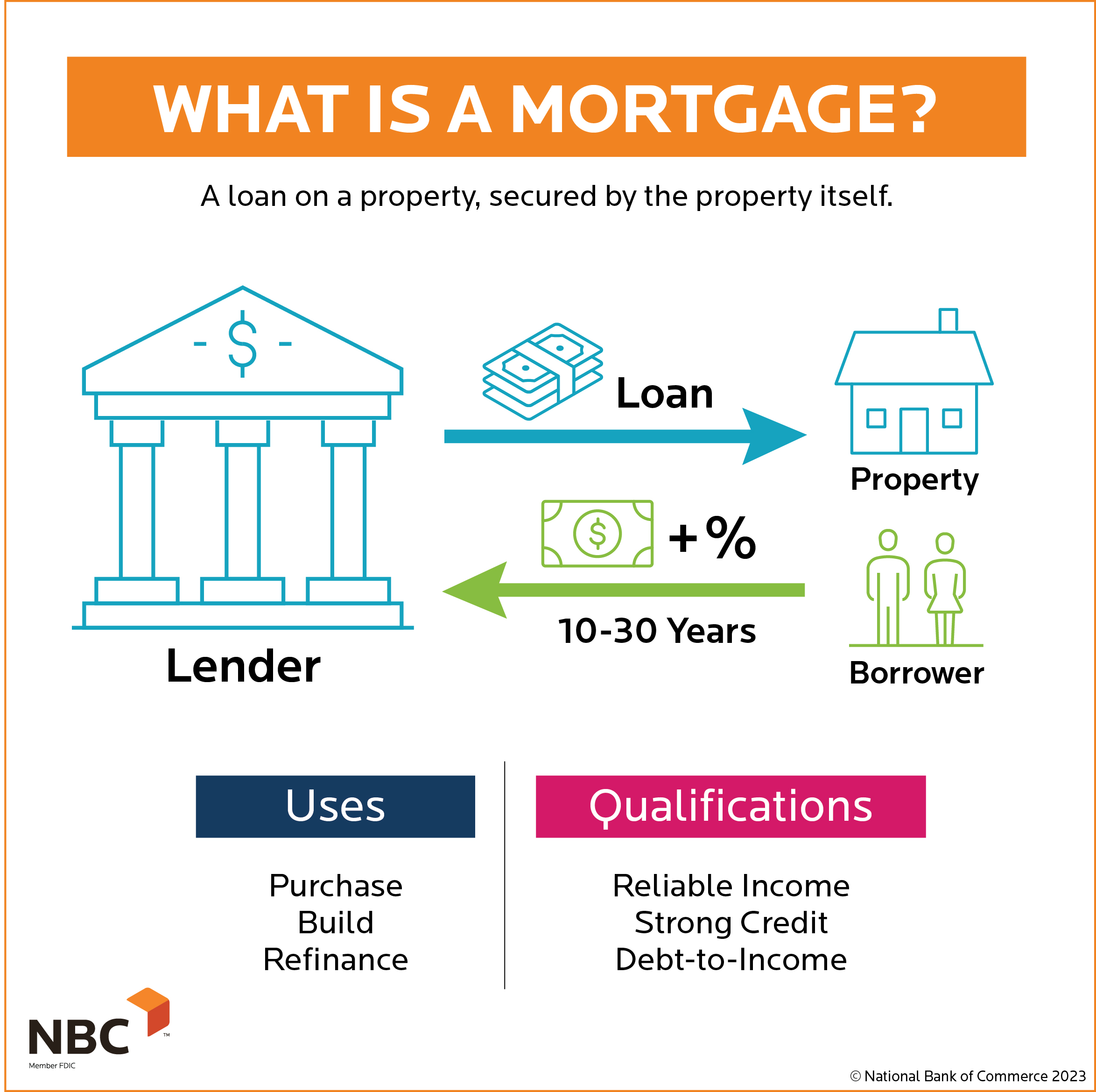
For the vast majority of individuals, the purchase of a home represents the most significant financial transaction of their lives. Because the cost of real estate typically exceeds the liquid assets available to an average household, the modern economy relies on a specialized financial instrument known as a home mortgage loan. At its core, a mortgage is a structured debt agreement specifically designed for the purchase of real estate, where the property itself serves as collateral for the loan.
While the concept of borrowing money to buy property is straightforward, the mechanics of a mortgage involve a complex interplay of interest rates, legal obligations, amortization schedules, and risk management. Understanding the nuances of a home mortgage is not merely a matter of academic interest; it is a fundamental requirement for anyone seeking to build long-term wealth and secure their financial future through property ownership.
Understanding the Fundamentals of Home Mortgage Loans
A mortgage is a legal agreement between a borrower (the mortgagor) and a lender (the mortgagee). Unlike an unsecured personal loan or credit card debt, a mortgage is a secured loan. This security is provided by the property being purchased. If the borrower fails to meet the repayment terms outlined in the contract, the lender has the legal right to seize the property through a process known as foreclosure to recoup the remaining balance of the debt.
The Legal and Financial Structure
When you take out a mortgage, you are effectively receiving the funds necessary to pay the seller of the home in full. In return, you sign a promissory note, which is a legal document outlining your promise to repay the loan under specific terms, and a deed of trust or mortgage deed, which puts the property up as collateral. While the borrower holds the title and the right to occupy the property, the lender’s lien remains attached to the title until the debt is satisfied. Once the final payment is made, the lien is released, and the homeowner owns the property “free and clear.”
The Role of Collateral in Real Estate Finance
The presence of collateral is what allows mortgage interest rates to remain significantly lower than those of credit cards or personal loans. Because the lender has a physical asset to claim in the event of default, the risk profile of the loan is lowered. This relationship between the loan amount and the value of the collateral is expressed as the Loan-to-Value (LTV) ratio. A lower LTV usually signifies a lower risk for the lender, often resulting in more favorable interest rates for the borrower.
The Core Components of a Mortgage Payment
To the uninitiated, a monthly mortgage payment might seem like a single, monolithic expense. However, it is actually composed of several distinct elements, often referred to by the acronym PITI: Principal, Interest, Taxes, and Insurance.
Principal and Interest: The Foundation
The principal is the actual amount of money borrowed that remains unpaid. Every month, a portion of your payment goes toward reducing this balance. The interest is the cost of borrowing that money, calculated as a percentage of the remaining principal balance.
In the early years of a standard 30-year mortgage, a disproportionately large percentage of the monthly payment goes toward interest rather than principal. This is due to the way loans are amortized. As the principal balance slowly decreases over time, the interest portion of the payment also decreases, allowing more of the monthly installment to be applied to the principal. By the final years of the loan, the vast majority of the payment is dedicated to wiping out the remaining principal.
Taxes and Insurance: The Escrow Component
Lenders have a vested interest in ensuring that the property remains in good condition and that the government does not seize it for unpaid taxes. Consequently, many lenders require borrowers to set up an escrow account. Each month, the borrower pays a portion of their annual property taxes and homeowners insurance premiums into this account. The lender then pays these bills on the borrower’s behalf when they come due. This ensures that the property stays protected and the tax obligations are met without the borrower having to manage large, lump-sum annual payments.
Private Mortgage Insurance (PMI)
If a borrower provides a down payment of less than 20% of the home’s purchase price, lenders typically require Private Mortgage Insurance (PMI). This is an insurance policy that protects the lender—not the borrower—in the event of default. While it adds to the monthly cost of the loan, it serves the vital function of allowing individuals with smaller savings to enter the housing market sooner than they otherwise could.
Types of Mortgage Loans: Finding the Right Fit
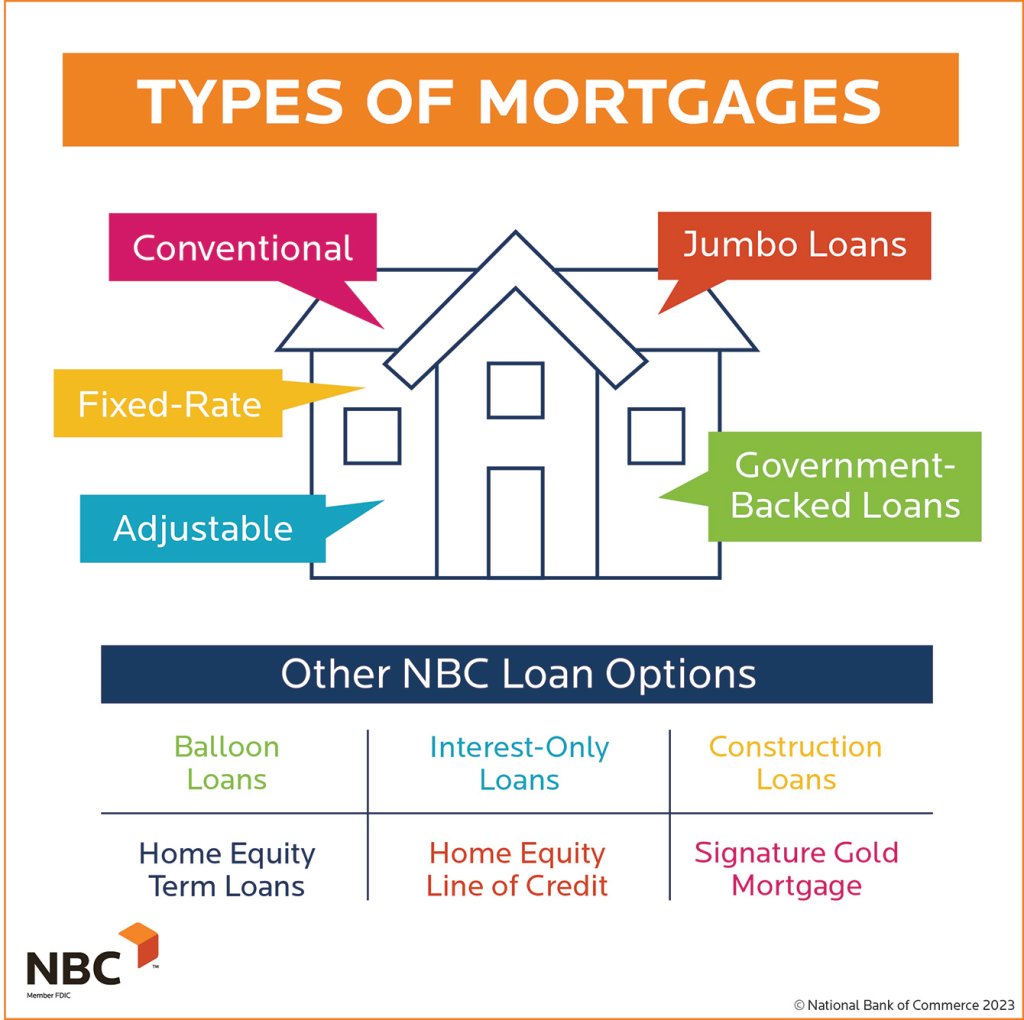
The mortgage market is not a one-size-fits-all environment. There are numerous loan products designed to cater to different financial situations, risk tolerances, and long-term goals.
Fixed-Rate vs. Adjustable-Rate Mortgages (ARMs)
The most common choice for many years has been the 30-year fixed-rate mortgage. This product offers stability; the interest rate and the principal-and-interest portion of the payment remain identical for the entire life of the loan. This protects the borrower from rising interest rates in the broader economy.
In contrast, an Adjustable-Rate Mortgage (ARM) offers an interest rate that is typically fixed for an initial period (such as 5, 7, or 10 years) and then adjusts periodically based on market indices. While ARMs often start with lower rates than fixed-rate loans, they carry the risk of significantly higher payments in the future if interest rates rise. They are often utilized by borrowers who plan to sell the home or refinance before the initial fixed period ends.
Conventional Loans vs. Government-Backed Loans
Conventional loans are those not insured or guaranteed by the federal government. They generally require higher credit scores and can have more stringent down payment requirements.
For those who may not qualify for conventional financing, government-backed loans provide an alternative. Federal Housing Administration (FHA) loans allow for lower credit scores and down payments as low as 3.5%. Veterans Affairs (VA) loans offer competitive rates and often require no down payment for eligible service members and veterans. USDA loans are designed to encourage homeownership in rural areas, also offering zero-down payment options for qualified low-to-moderate-income borrowers.
Jumbo Loans for High-Value Properties
When a loan amount exceeds the “conforming loan limits” set by the Federal Housing Finance Agency, it is classified as a jumbo loan. Because these loans cannot be purchased by Fannie Mae or Freddie Mac, they carry a higher risk for lenders and usually require larger down payments, higher credit scores, and more extensive documentation of assets and income.
The Path to Ownership: The Mortgage Application and Approval Process
Securing a mortgage is a rigorous process that involves a deep dive into an applicant’s financial history. Lenders use several key metrics to determine “creditworthiness” and the likelihood that a borrower will fulfill their obligations.
Credit Scores and Debt-to-Income Ratios
The credit score is arguably the most influential factor in determining the interest rate a borrower will receive. A high score indicates a history of responsible debt management, while a low score suggests higher risk. Similarly, lenders look at the Debt-to-Income (DTI) ratio, which compares the borrower’s total monthly debt obligations (including the proposed mortgage payment) to their gross monthly income. Most lenders prefer a DTI ratio below 43%, though some programs allow for higher thresholds.
Pre-approval vs. Pre-qualification
In a competitive real estate market, a pre-approval letter is essential. While a pre-qualification is a preliminary estimate of what you might be able to borrow based on self-reported data, a pre-approval is a much more robust commitment from a lender. It involves a hard credit check and an initial review of financial documents like tax returns, pay stubs, and bank statements. A pre-approval signals to sellers that the buyer is serious and financially capable of closing the deal.
The Closing Process and Down Payments
The final stage of obtaining a mortgage is the closing. This involves signing a mountain of legal documents and paying closing costs, which typically range from 2% to 5% of the purchase price. These costs cover services such as appraisals, title searches, and loan origination fees. The down payment—the portion of the home price the buyer pays upfront—is also finalized here. A larger down payment reduces the total loan amount and monthly interest costs, creating immediate equity in the home.
Strategic Financial Considerations for Borrowers
A home mortgage should not be viewed simply as a monthly bill, but as a strategic tool in a broader financial portfolio.
The Impact of Amortization Schedules
Understanding how amortization works allows borrowers to make informed decisions about their repayment strategy. By making small, additional payments toward the principal early in the loan term, a borrower can significantly reduce the total interest paid over the life of the loan and shorten the repayment period by several years.
Refinancing and Home Equity
As the value of a home increases and the mortgage balance decreases, the homeowner builds equity. This equity can be tapped into through a home equity loan or a cash-out refinance to fund home improvements, consolidate high-interest debt, or invest in other opportunities. Additionally, if market interest rates drop significantly below the rate on the original mortgage, a “rate-and-term” refinance can lower the monthly payment and save the homeowner thousands of dollars in interest.

Long-term Wealth Building through Real Estate
Despite the complexities and the long-term commitment, a home mortgage remains one of the most effective ways for individuals to build wealth. Unlike rent, which is a pure expense, a mortgage payment acts as a form of forced savings. Over decades, as inflation reduces the real value of the debt and property values historically appreciate, the homeowner’s net worth grows. A mortgage is not just a loan to buy a house; it is an investment in a tangible asset that provides both shelter and financial security.
aViewFromTheCave is a participant in the Amazon Services LLC Associates Program, an affiliate advertising program designed to provide a means for sites to earn advertising fees by advertising and linking to Amazon.com. Amazon, the Amazon logo, AmazonSupply, and the AmazonSupply logo are trademarks of Amazon.com, Inc. or its affiliates. As an Amazon Associate we earn affiliate commissions from qualifying purchases.