
A Home Equity Line of Credit (HELOC) stands as a versatile financial tool, allowing homeowners to tap into the equity built up in their property. Unlike a traditional lump-sum loan, a HELOC functions much like a credit card, providing a revolving line of credit that can be accessed as needed, up to a pre-approved limit. Its flexibility makes it an attractive option for a myriad of financial objectives, spanning from significant personal investments to strategic business maneuvers. Understanding its core mechanics and typical applications is crucial for leveraging this financial instrument effectively within personal and business finance strategies.
Understanding the Mechanics of a HELOC
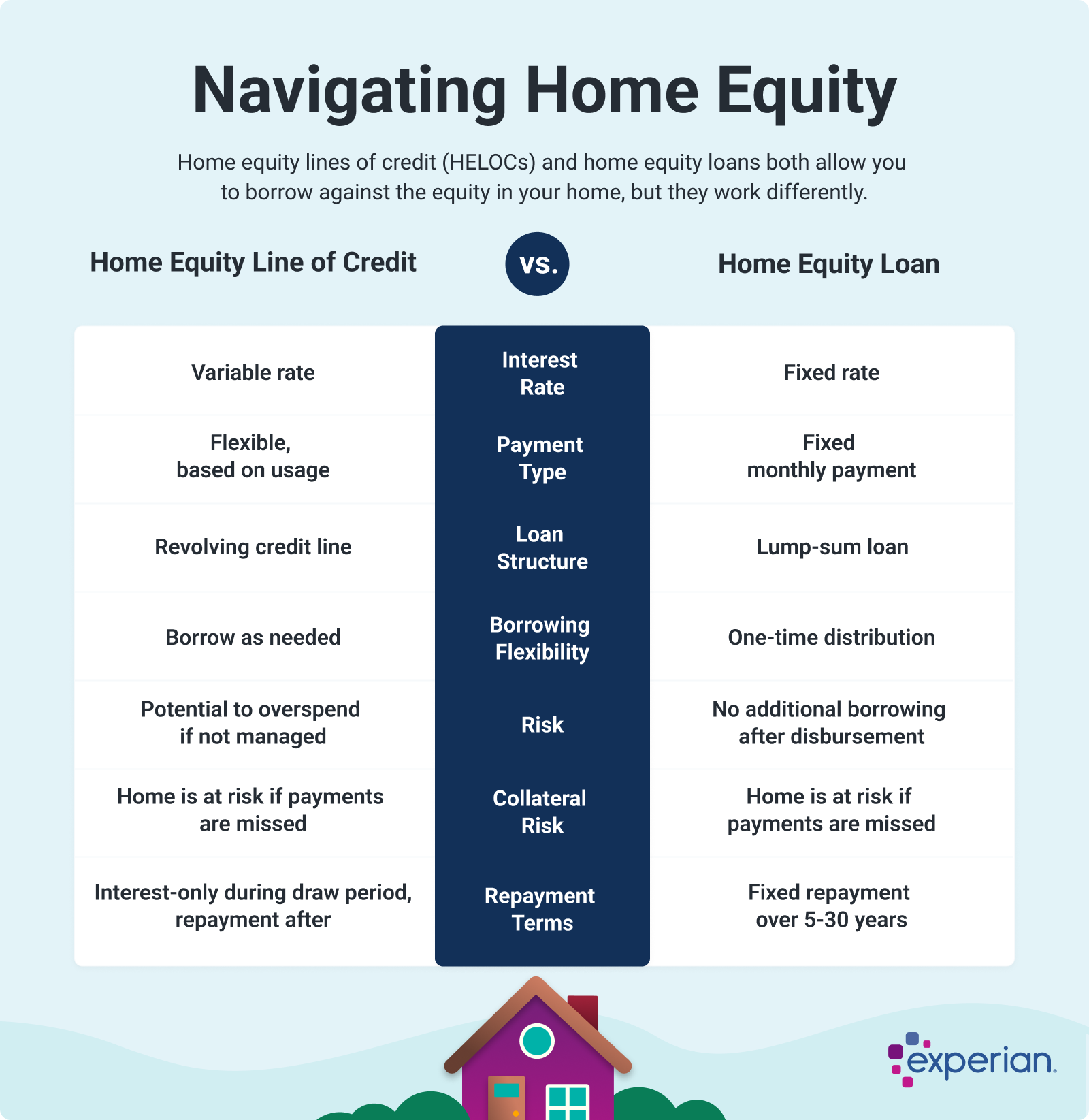
Before delving into its uses, it’s essential to grasp how a HELOC operates, as its structure dictates its suitability for various financial needs. A HELOC is secured by your home, meaning your property serves as collateral. This characteristic typically results in lower interest rates compared to unsecured loans, but also carries the inherent risk of foreclosure if payments are not met.
How a HELOC Differs from a Home Equity Loan
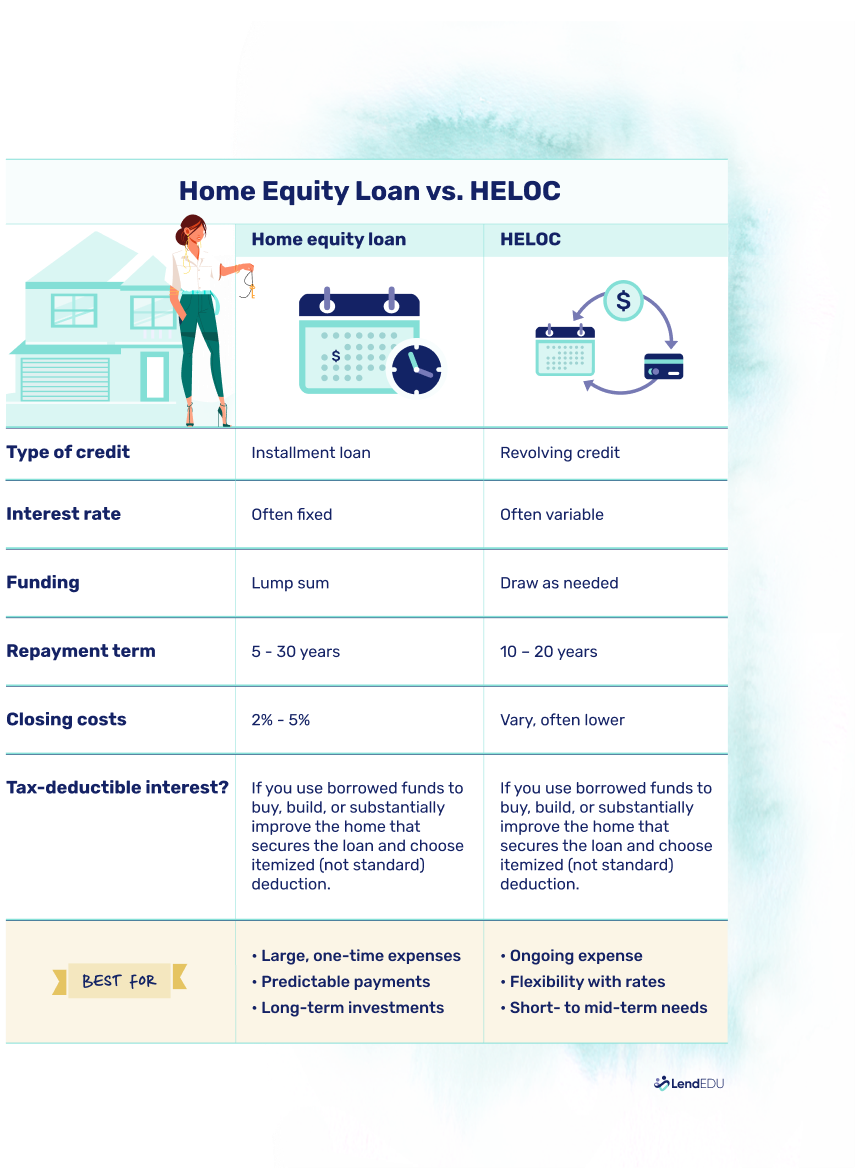
While both are forms of second mortgages, a HELOC and a home equity loan have distinct structures. A home equity loan provides a lump sum of money upfront, with a fixed interest rate and predictable monthly payments over a set term. It’s ideal for a single, large expense. Conversely, a HELOC offers a revolving credit line. During an initial “draw period” (often 5 to 10 years), you can borrow funds as needed, repaying only the interest on the amount drawn. Once the draw period ends, the “repayment period” begins, requiring principal and interest payments on the outstanding balance, typically over 10 to 20 years. This fundamental difference in access and repayment makes the HELOC uniquely suited for ongoing or unpredictable funding requirements.
The Draw and Repayment Periods
The draw period is the operational heart of a HELOC. During this phase, you can draw money, make payments against the principal, and draw money again, much like a credit card. Payments during this period are often interest-only, offering lower immediate financial pressure. However, this structure demands discipline, as deferring principal payments can lead to a larger outstanding balance when the repayment period commences. The repayment period then requires regular principal and interest payments, designed to fully amortize the loan by the end of its term. Transitioning between these two phases is a critical juncture that borrowers must plan for, as monthly payments can increase significantly.
Interest Rates and Payments
HELOCs almost invariably come with variable interest rates, tied to an index like the prime rate. This means your interest rate can fluctuate with market conditions, potentially leading to higher or lower monthly payments over the life of the loan. While some lenders may offer an introductory fixed rate for a short period, the long-term variability is a key characteristic. Borrowers must be prepared for potential rate increases, which can impact their budget. Payments are calculated based on the outstanding balance and the current interest rate, making financial planning and budgeting essential to avoid payment difficulties.
Common Applications: Personal Finance Goals
The inherent flexibility of a HELOC makes it an invaluable tool for homeowners looking to finance significant personal expenditures or manage existing debt more efficiently. Its revolving nature means funds are available whenever needed, up to the credit limit, without reapplying for a new loan each time.
Home Renovation and Improvement
Perhaps the most common use of a HELOC is for home improvements. Whether undertaking a major kitchen remodel, adding an extension, or making energy-efficient upgrades, a HELOC provides readily accessible funds. Homeowners can draw money as construction progresses, paying interest only on the amounts used. This aligns well with projects that have staggered costs and allows for adjustments as the project evolves, without having to take out multiple small loans or a single, potentially excessive, large loan. Moreover, the interest paid on a HELOC used for home improvements may be tax-deductible, offering an additional financial advantage.
Debt Consolidation for High-Interest Debts
Consolidating high-interest debts, such as credit card balances or personal loans, is another prevalent use for a HELOC. By rolling multiple debts into a single HELOC, borrowers can often secure a significantly lower interest rate due to the loan being secured by their home. This reduction in interest can lead to lower monthly payments and a faster path to becoming debt-free. However, it’s critical to address the underlying spending habits that led to the original debt, as simply transferring debt without behavioral change can exacerbate financial problems by putting the home at risk.
Funding Major Life Expenses (Education, Medical)
Life often presents unexpected large expenses, and a HELOC can provide a vital financial cushion. Funding higher education, whether for a dependent or oneself, or covering substantial medical bills not fully covered by insurance, are common applications. The ability to draw funds over time can be particularly beneficial for educational expenses that arise semester by semester or for medical treatments that unfold over an extended period. This avoids the need for high-interest student loans or medical credit lines, offering a more affordable financing option.
Bridging Gaps in Cash Flow for Large Purchases
Sometimes, a large purchase or investment arises that doesn’t fit neatly into monthly budgeting. A HELOC can bridge temporary cash flow gaps for significant acquisitions like a new vehicle, a down payment on an investment property, or even a large wedding. It offers a way to finance these expenditures without depleting savings entirely or resorting to more expensive loan options, ensuring financial liquidity remains intact for emergencies.
Strategic Uses for Business Finance

Beyond personal finance, a HELOC can be a powerful asset for small business owners, especially those who own their primary residence. Using home equity for business purposes allows entrepreneurs to access capital often more affordably and flexibly than traditional business loans, especially for newer or smaller ventures.
Small Business Expansion or Startup Capital
Entrepreneurs often face challenges securing conventional business loans, particularly for startups or small businesses without extensive collateral or operating history. A HELOC can serve as crucial startup capital, funding initial inventory, equipment purchases, office renovations, or marketing campaigns. For existing businesses, it can facilitate expansion, such as opening a new location, increasing production capacity, or hiring additional staff, providing the necessary liquidity to seize growth opportunities.
Managing Business Inventory or Operational Costs
Seasonal businesses or those with fluctuating cash flow can find a HELOC invaluable for managing inventory and operational costs. It provides a flexible funding source to purchase inventory during peak seasons, cover payroll during slower periods, or manage other variable expenses without disrupting cash flow. This agility allows businesses to respond to market demands and maintain smooth operations, avoiding costly interruptions or missed opportunities.
Emergency Business Funding
Unforeseen business challenges—equipment breakdowns, unexpected repairs, or sudden market shifts—can necessitate rapid access to capital. A HELOC can act as an emergency fund for a business, providing quick liquidity to address critical issues without lengthy loan application processes. This ability to respond swiftly can be the difference between weathering a crisis and facing significant setbacks.
Advantages and Risks to Consider
While a HELOC offers considerable advantages, it also carries significant risks that must be thoroughly understood before committing.
Benefits: Flexibility, Lower Interest, Potential Tax Deductions
The primary benefit of a HELOC is its flexibility. Borrowers can access funds as needed, up to their credit limit, and only pay interest on the amount borrowed. This is ideal for ongoing projects or unpredictable expenses. HELOCs typically have lower interest rates than unsecured loans or credit cards because they are secured by your home. Furthermore, the interest paid on a HELOC may be tax-deductible if the funds are used to buy, build, or substantially improve the home that secures the loan, offering a potential financial incentive.
Risks: Variable Interest Rates, Collateral Risk, Potential for Over-Indebtedness
The most significant risk associated with a HELOC is its variable interest rate. If market rates rise, your monthly payments can increase, potentially straining your budget. There’s also the fundamental collateral risk: since your home secures the loan, defaulting on payments could lead to foreclosure, resulting in the loss of your home. Finally, the ease of access to funds can lead to potential for over-indebtedness. Without strict budgeting and financial discipline, it’s easy to borrow more than you can comfortably repay, turning a valuable financial tool into a significant burden.
Making an Informed Decision
Deciding whether a HELOC is the right financial tool for your situation requires careful consideration of your financial health, understanding the terms, and comparing offers from various lenders.
Assessing Your Financial Health
Before applying for a HELOC, honestly assess your income stability, existing debt levels, and overall creditworthiness. Lenders will evaluate these factors, but you should also assess your ability to manage potentially fluctuating payments, especially if interest rates rise. Ensure you have an emergency fund separate from the HELOC to cover unexpected expenses without tapping into your home equity unnecessarily.
Understanding the Application Process
The HELOC application process typically involves a credit check, income verification, and a home appraisal to determine the amount of equity available. Be prepared to provide detailed financial documentation. Understanding each step ensures you are ready and can address any questions promptly, streamlining the approval process.
Comparing Lender Offers
Do not settle for the first offer. Shop around and compare HELOC offers from multiple lenders, including banks, credit unions, and online financial institutions. Pay close attention to the introductory rates, the index used for variable rates, margin over the index, annual fees, transaction fees, early closure fees, and the overall loan terms for both the draw and repayment periods. A thorough comparison can save you thousands of dollars over the life of the loan and ensure you secure the most favorable terms for your financial goals.
aViewFromTheCave is a participant in the Amazon Services LLC Associates Program, an affiliate advertising program designed to provide a means for sites to earn advertising fees by advertising and linking to Amazon.com. Amazon, the Amazon logo, AmazonSupply, and the AmazonSupply logo are trademarks of Amazon.com, Inc. or its affiliates. As an Amazon Associate we earn affiliate commissions from qualifying purchases.