
The automotive climate control system is a complex network of components working in harmony to ensure passenger comfort in all weather conditions. While many users interact daily with the dashboard controls for temperature and fan speed, the underlying hardware, particularly the heater box, often remains a mystery. This seemingly humble assembly is, in fact, the heart of your car’s heating system, responsible for transforming cold engine coolant into the warm air that combats frosty mornings and chilly commutes. Understanding its function, components, and common issues is crucial for anyone looking to maintain their vehicle’s comfort and potentially diagnose heating-related problems.
The Fundamental Role of the Heater Box in Automotive Climate Control
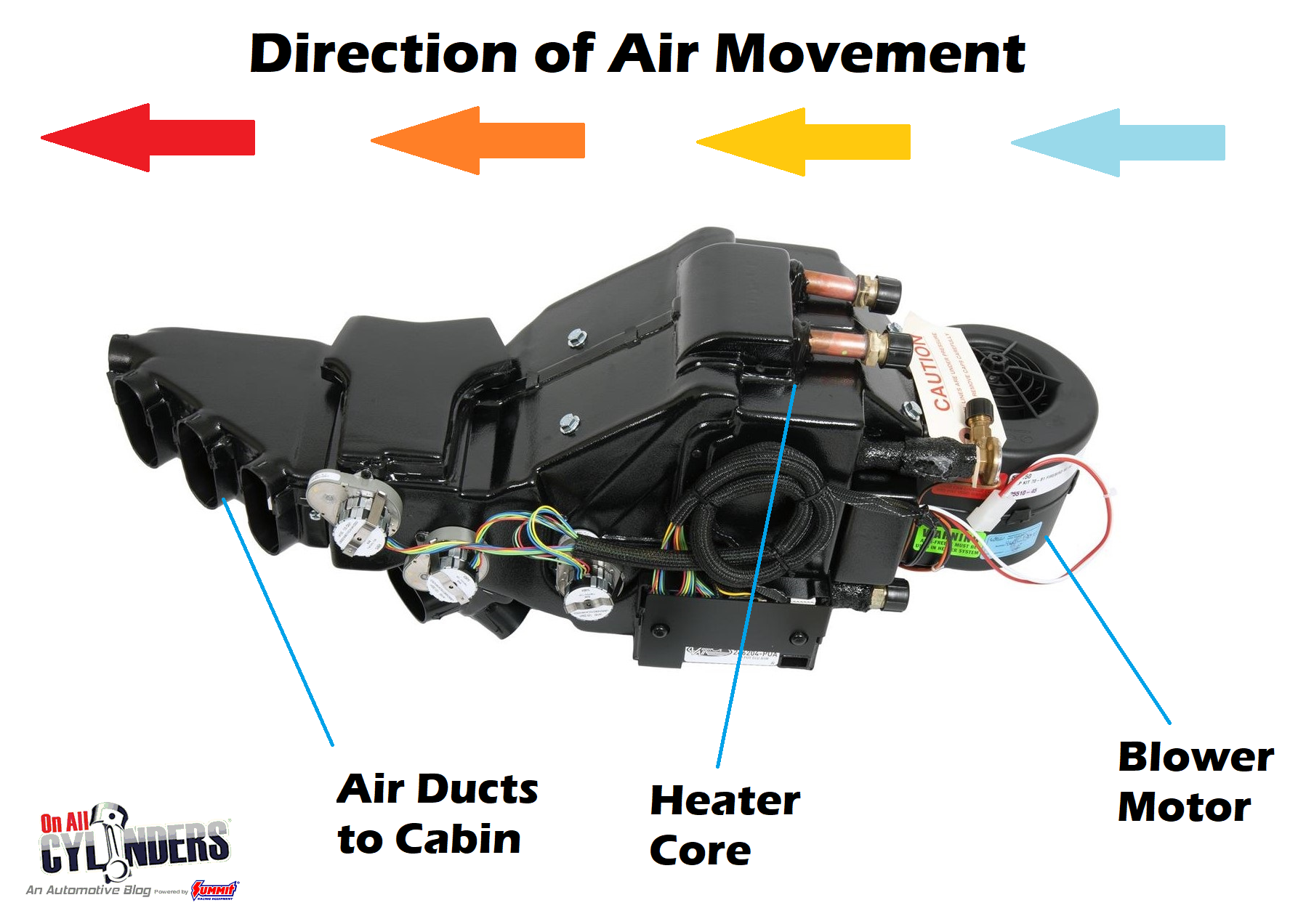
At its core, the heater box is the central hub where the magic of warmth happens within your car’s cabin. It’s not a standalone unit but an integral part of the broader HVAC (Heating, Ventilation, and Air Conditioning) system. Its primary purpose is to facilitate the transfer of heat from the engine’s cooling system to the passenger compartment. Without a functional heater box, the warm air generated by the engine would simply dissipate, leaving occupants to shiver through colder months.
Heat Exchange: The Core Function
The process begins with the engine. As the engine operates, it generates a significant amount of heat. This heat is managed and regulated by the engine’s coolant system, which circulates a mixture of antifreeze and water. A portion of this hot coolant is deliberately diverted to the heater core, a small radiator-like component typically housed within the heater box.
The heater core acts as a heat exchanger. As hot coolant flows through its tubes, air from the outside or recirculated from the cabin is drawn across its fins by the car’s blower motor. This airflow causes the heat from the coolant to transfer to the air. The warmed air then exits the heater box and is directed through a series of ducts to the various vents within the passenger cabin. This continuous cycle ensures that the air flowing into the car can be precisely controlled for desired warmth.
Airflow Management and Distribution
Beyond facilitating heat transfer, the heater box is also responsible for controlling and directing the flow of air. The blower motor, a powerful fan usually integrated with or closely associated with the heater box, is responsible for drawing air into the system and pushing it through the various pathways. Inside the heater box, a system of flaps, or actuators, are employed to control where this air is directed.
These flaps, often controlled electronically or via vacuum actuators, allow for the selection of different air distribution modes. This means the warm air can be directed to the windshield for defrosting, to the face vents for direct comfort, or to the floor vents for overall cabin heating. The precise control of these flaps is essential for effective climate management, enabling drivers to quickly clear fogged windows or ensure even heating throughout the car. The complexity of these internal pathways and flap mechanisms highlights the sophisticated engineering packed into this often-overlooked component.
Key Components Within the Heater Box Assembly
While the heater box itself is an enclosure, it houses several critical components that work in concert to deliver climate control. Understanding these individual parts provides a clearer picture of how the entire system functions and what might be at play when issues arise.
The Heater Core: The Engine of Warmth
As mentioned, the heater core is arguably the most vital component within the heater box. It’s a compact radiator, typically made of aluminum or brass, with a network of small tubes and fins. Hot engine coolant circulates through these tubes. The large surface area provided by the fins allows for efficient heat transfer to the air passing over them.
The heater core is constantly exposed to the engine’s cooling system when the engine is running and the temperature is set to heat. Its condition is paramount. If the heater core develops leaks, coolant can escape into the heater box and potentially into the cabin, leading to a distinctive sweet smell and a visible residue. Conversely, if the heater core becomes clogged with debris or mineral deposits from the coolant, it can restrict coolant flow, significantly reducing its ability to transfer heat, resulting in a lack of warm air.
Blower Motor and Resistor: The Air Movers
The blower motor, often referred to as the cabin fan, is the powerhouse that draws air into the HVAC system and pushes it through the heater box and ductwork. It’s an electric motor with a fan impeller attached, designed to operate at various speeds. The speed of the blower motor directly dictates the volume of air flowing through the system, influencing how quickly the cabin heats up or cools down.
The blower motor resistor, or blower control module, is another crucial element. It regulates the voltage supplied to the blower motor, allowing for multiple fan speed settings. When you adjust the fan speed on your dashboard, you’re essentially changing the resistance in the circuit, which in turn alters the motor’s speed. A faulty blower motor resistor can lead to the blower motor only working at certain speeds, or not at all, severely impacting the HVAC system’s functionality.
Blend Doors and Actuators: Directing the Airflow
The blend doors are perhaps the most complex internal mechanisms within the heater box. These are small, often foam-sealed flaps that pivot to direct airflow. Their primary function is to control the temperature of the air entering the cabin. When the temperature is set to full heat, the blend door allows all incoming air to pass through the heater core. When the temperature is set to full cold (in systems with AC integrated into the heater box), the blend door might direct air away from the heater core or through an evaporator core (for cooling).

Crucially, blend doors also manage the mixing of air. In many systems, the blend door can be positioned to allow a portion of the air to bypass the heater core, enabling finer temperature control between hot and cold. These doors are typically moved by small electric motors called actuators, or sometimes by vacuum-operated diaphragms. When these actuators fail or the doors become jammed, it can lead to a stuck temperature setting, where the air is always hot, always cold, or a mixture that cannot be adjusted.
Common Heater Box Issues and Troubleshooting
Given the complexity and constant use of the heater box, it’s not uncommon for issues to arise. These problems often manifest as a lack of heat, strange noises, or unusual smells within the cabin. Early detection and proper troubleshooting can prevent minor inconveniences from escalating into major repairs.
Lack of Heat: The Most Common Complaint
The most frequent problem associated with the heater box is a persistent lack of heat. This can stem from several sources. Firstly, a malfunctioning heater core is a prime suspect. If the engine is reaching its normal operating temperature, but the air coming from the vents is only lukewarm or cold, a clogged or leaking heater core is highly probable. This can be diagnosed by checking the coolant level and the heater core’s temperature. If the hoses leading to and from the heater core are hot, but the air is cold, the core itself is likely the issue.
Secondly, issues with coolant flow can be the culprit. A low coolant level in the engine’s system means there isn’t enough hot coolant circulating to the heater core. A stuck thermostat in the engine can also prevent coolant from reaching its optimal operating temperature, thereby reducing the heat available. Finally, air pockets in the cooling system can create “air locks” that impede coolant flow to the heater core, even if the engine is hot.
Airflow Problems and Unusual Noises
Beyond temperature issues, problems with airflow are also common. If the blower motor is weak, making unusual noises like grinding or whining, or if certain fan speeds are inoperative, the blower motor itself or its resistor module may be failing. A damaged blower motor impeller can also create imbalances and vibrations, leading to noise.
Strange noises emanating from the heater box itself, particularly when changing temperature or fan settings, often point to issues with the blend door actuators or the doors themselves. If a flap is loose, obstructed, or an actuator is malfunctioning, it can cause clicking, grinding, or rattling sounds as the system attempts to move the door.
Odors and Leaks
A persistent sweet odor inside the cabin, especially when the heating is on, is a strong indicator of a leaking heater core. The ethylene glycol in the antifreeze has a characteristic sweet smell, and its escape into the passenger compartment is a sign that the heater core needs immediate attention. This leakage can also lead to dampness or fogging on the inside of the windshield.
Other odors, such as a musty or moldy smell, can indicate moisture trapped within the heater box or ductwork. This can occur due to condensation from the air conditioning system or a leak from the heater core that hasn’t yet produced a strong antifreeze smell. Regular cleaning and maintenance of the HVAC system can help prevent these issues.
Maintenance and Longevity of Your Heater Box
While the heater box is designed for durability, regular maintenance can significantly extend its lifespan and prevent costly repairs. Proactive care ensures consistent performance and comfort throughout the vehicle’s life.
Regular Coolant System Checks
The health of your engine’s coolant system is directly linked to the functionality of your heater box. Regularly checking the coolant level and its condition is paramount. Ensure the coolant is at the proper level and that it is free from rust, debris, or oil contamination. Flushing and refilling the coolant system according to your vehicle manufacturer’s recommended schedule is crucial for preventing mineral deposits and corrosion that can clog the heater core. Using the correct type of coolant specified for your vehicle is also important to avoid incompatibilities that can lead to system damage.
Filter Replacement and Cabin Air Quality
Many modern vehicles have a cabin air filter that is located within or near the heater box assembly. This filter is designed to remove dust, pollen, and other airborne contaminants from the air entering the passenger cabin. A clogged cabin air filter can restrict airflow, reduce the effectiveness of the heating and cooling systems, and contribute to poor air quality. Replacing the cabin air filter at the recommended intervals (typically every 12,000-15,000 miles or once a year) is a simple yet effective maintenance task that benefits the entire HVAC system.

Addressing Minor Issues Promptly
Don’t ignore subtle signs of trouble. Unusual noises, a slight change in airflow, or a faint smell that wasn’t there before should be investigated. Addressing minor issues like a slightly erratic blower motor speed or a faint clicking sound from the dash promptly can prevent them from developing into more significant and expensive repairs. Regular inspections of the HVAC system by a qualified mechanic can also identify potential problems before they become critical. By understanding the role and components of your car’s heater box, you can better appreciate its contribution to your driving comfort and be more informed when seeking professional maintenance or troubleshooting.
aViewFromTheCave is a participant in the Amazon Services LLC Associates Program, an affiliate advertising program designed to provide a means for sites to earn advertising fees by advertising and linking to Amazon.com. Amazon, the Amazon logo, AmazonSupply, and the AmazonSupply logo are trademarks of Amazon.com, Inc. or its affiliates. As an Amazon Associate we earn affiliate commissions from qualifying purchases.