
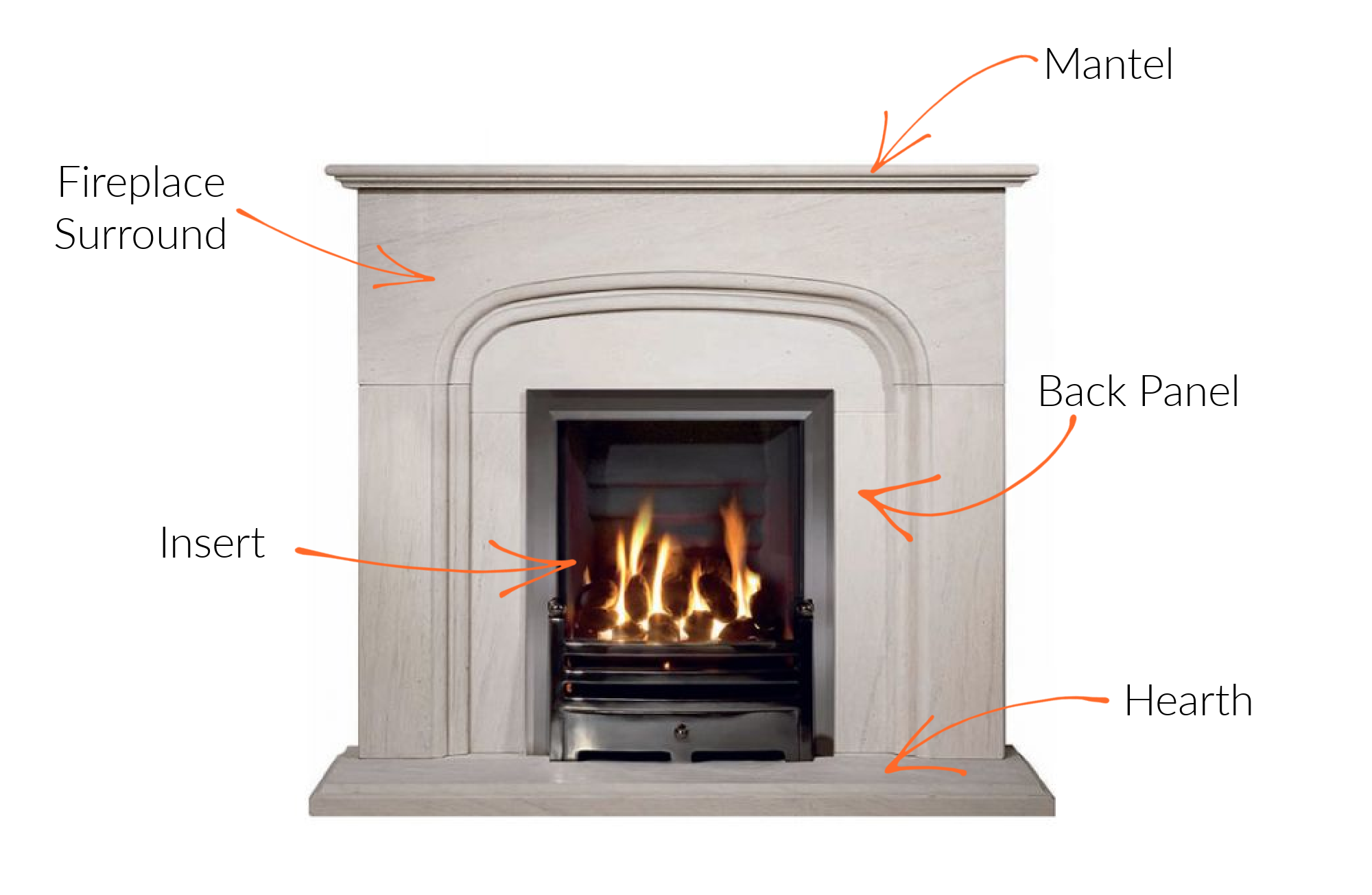
A hearth, at its most fundamental, is the non-combustible floor immediately surrounding and extending from the firebox of a fireplace. Historically, it was the central point of a home, used for cooking, heating, and gathering. In modern contexts, its primary functions revolve around safety, structural integrity, and aesthetic contribution to a fireplace system. However, for homeowners and property investors, understanding the hearth transcends mere definition; it delves into significant financial implications, from home value and renovation costs to safety compliance and long-term financial planning.
The Financial Foundation: Understanding the Hearth’s Role
The hearth is far more than just a decorative element; it serves critical safety and structural purposes that directly impact property value, insurance costs, and potential liabilities. Grasping these roles from a financial perspective is crucial for anyone considering a property with a fireplace or planning a renovation.
Safety as an Investment: Protecting Your Assets
The primary function of a hearth is safety. It provides a non-combustible barrier between the intense heat and potential sparks from a fire and the flammable flooring or structural elements of a home. Embers can travel surprisingly far, and without an adequate hearth, the risk of a house fire dramatically increases. From a financial standpoint, a properly constructed and maintained hearth is an invaluable investment in loss prevention. Insurance companies often consider the presence and condition of a fireplace and its components when assessing risk and determining premiums. A faulty or non-existent hearth could lead to denied claims in the event of fire damage or significantly higher insurance costs. Investing in a compliant hearth is, therefore, a direct investment in protecting one’s largest asset – the home – and mitigating potential financial catastrophe. Moreover, adhering to building codes, which mandate specific hearth dimensions and materials, avoids costly fines and rectification orders during property inspections or resale.
Material Choices and Their Cost Implications
The materials chosen for a hearth directly influence its initial cost, durability, maintenance requirements, and overall aesthetic appeal, all of which have financial ramifications. Common materials include brick, natural stone (granite, marble, slate), concrete, tile, and even glass.
- Brick: Often the most economical choice, brick offers a classic, rustic look. Its durability is high, and maintenance is relatively low, primarily involving sealing and occasional mortar repair. The financial advantage lies in its lower upfront cost and long lifespan, providing excellent value for money over decades.
- Natural Stone: Materials like granite, marble, and slate are premium options. They demand a higher initial investment due to material costs and often require specialized cutting and installation. However, they offer unparalleled durability, resistance to heat, and a luxurious aesthetic that can significantly enhance a home’s perceived value. While the upfront cost is higher, their longevity and timeless appeal can translate into a better return on investment (ROI) during resale, especially in upscale markets.
- Concrete: Poured concrete hearths can be customized in terms of color and finish, offering a contemporary look. Costs can vary widely depending on the finish and complexity. While durable, concrete can be prone to cracking if not properly installed and cured, potentially leading to future repair expenses.
- Tile: Ceramic, porcelain, or quarry tiles provide vast design flexibility and can be a cost-effective option. The cost depends on the quality and type of tile. While individual tiles are easy to replace, grout lines can be challenging to maintain and may degrade over time due to heat exposure, leading to potential re-grouting or re-tiling costs down the line.
Each material presents a distinct balance between upfront expenditure and long-term financial benefits or liabilities related to maintenance and aesthetic value. Smart selection involves weighing initial costs against projected lifespan, maintenance budgets, and desired property valuation.
Adding Value: How a Hearth Impacts Home Equity
Beyond its functional aspects, a fireplace hearth significantly contributes to a property’s market appeal and appraisal value. It’s a feature that prospective buyers often seek, and its presence, design, and condition can sway purchasing decisions and influence final sale prices.
Aesthetic Appeal and Resale Value
A well-designed hearth contributes substantially to the visual warmth and character of a living space. It often serves as a focal point, grounding the entire room. From a resale perspective, an attractive fireplace and hearth are powerful selling points. In a competitive housing market, features that enhance a home’s perceived coziness and luxury can lead to quicker sales and higher offers. Buyers are often willing to pay a premium for homes that present ‘move-in ready’ aesthetic appeal, and a beautifully finished hearth fits this criterion perfectly. Conversely, a poorly constructed, outdated, or damaged hearth can be a deterrent, signaling potential future expenses to a buyer and possibly necessitating a price reduction to compensate. Savvy sellers understand that investing in the hearth’s appearance is often a wise strategic move to maximize their property’s market value.
Architectural Authenticity and Market Demand
In many architectural styles – from Colonial and Craftsman to Mediterranean and Farmhouse – the fireplace and its hearth are integral to the home’s historical authenticity and stylistic integrity. Maintaining or restoring a hearth to reflect the period of the home can significantly appeal to buyers who value character and original features. This niche market often commands higher prices. For example, a historically accurate stone hearth in a rustic lodge or a meticulously tiled hearth in a Craftsman bungalow can fetch a premium. Developers and flippers often prioritize these elements because they understand that authenticity drives demand in specific market segments, thereby increasing potential profits. Ignoring or haphazardly updating a hearth can detract from this authenticity, potentially diminishing the property’s unique appeal and, consequently, its market value.
Energy Efficiency and Long-Term Savings

While the hearth itself doesn’t generate heat, it is an integral component of the entire fireplace system, which contributes to or detracts from a home’s overall energy efficiency. A properly sealed and insulated fireplace system, including a well-fitted hearth, prevents heat loss up the chimney when not in use. This can translate into measurable long-term savings on heating bills. Modern hearth designs, particularly those integrated with efficient fireplace inserts, play a role in optimizing heat radiation into the room rather than allowing it to escape. For environmentally conscious buyers or those focused on long-term operational costs, an energy-efficient fireplace and hearth system can be a significant advantage, potentially influencing their purchasing decision and the price they are willing to pay. Therefore, investing in an energy-optimized hearth setup can be seen as an investment that yields recurring financial benefits through reduced utility expenditures.
Budgeting for Hearth Construction and Renovation
Undertaking the construction or renovation of a fireplace hearth involves careful financial planning. The costs can vary widely depending on the scope of work, materials chosen, and whether one opts for professional services or a DIY approach. A comprehensive budget must account for all potential expenditures to avoid unexpected financial strains.
DIY vs. Professional Installation: A Cost-Benefit Analysis
The decision between a do-it-yourself (DIY) project and hiring a professional contractor is primarily a financial one, though it also involves considerations of skill, time, and risk.
- DIY Approach: This can significantly reduce labor costs, potentially saving hundreds or even thousands of dollars. However, it requires a high level of skill, knowledge of building codes, and access to specialized tools. Mistakes in DIY hearth construction, particularly concerning code compliance or structural integrity, can be incredibly costly to rectify and may even pose safety hazards. For instance, improper mortar mix or incorrect clearances can lead to structural failure or fire risks, negating any initial savings and incurring substantial future expenses, including potential damage claims or legal liabilities.
- Professional Installation: Hiring a certified mason or contractor ensures that the hearth is built to code, structurally sound, and aesthetically pleasing. While professional labor costs are higher, the expertise mitigates risks of errors, ensuring durability and safety. Professionals are also insured, providing financial protection against unforeseen accidents or defects. For complex designs, custom materials, or historical renovations, professional expertise is often a financially prudent choice, guaranteeing quality workmanship and avoiding expensive re-dos or safety issues. A professional installation also typically comes with guarantees, offering peace of mind and protecting the investment.
Maintenance Costs and Longevity of Materials
The long-term financial implications of a hearth extend beyond its initial construction or renovation; ongoing maintenance costs vary significantly by material and usage.
- Low-Maintenance Materials: Materials like natural stone and high-quality brick are generally low maintenance, requiring periodic cleaning and sealing. Their longevity means fewer repair or replacement costs over the decades, offering excellent long-term financial value.
- Higher-Maintenance Materials: Grout lines in tiled hearths may need occasional cleaning, sealing, and re-grouting, especially in high-traffic areas or where excessive heat causes degradation. Some concrete hearths may require re-sealing or repair of minor cracks. While these costs are typically not exorbitant, they are recurring expenses that should be factored into a long-term home maintenance budget.
Regular inspection and timely repairs are crucial for prolonging the life of any hearth. Neglecting minor issues, such as crumbling mortar or cracked tiles, can lead to more significant and expensive structural problems down the line, ultimately increasing the total cost of ownership.
Insurance Considerations and Risk Mitigation
The hearth plays a vital role in fire safety, a factor closely scrutinized by home insurance providers. A properly constructed and maintained hearth reduces the risk of structural fires originating from the fireplace. This can influence insurance premiums, as homes with lower perceived risks often qualify for better rates. Conversely, a fireplace with an inadequate or damaged hearth could be flagged during an insurance inspection, potentially leading to increased premiums, a requirement for costly upgrades, or even policy cancellation if deemed a significant hazard. Investing in a compliant and well-maintained hearth is a direct measure to mitigate financial risk, protect against potential liability in case of fire, and ensure continuous, affordable home insurance coverage. Before any major fireplace or hearth renovation, it is always wise to consult with your insurance provider to understand specific requirements and how the proposed changes might affect your policy.
The Hearth as a Strategic Home Improvement Investment
Viewing the hearth not just as a structural component but as a strategic home improvement investment allows homeowners to maximize its financial returns, both in terms of immediate utility and future property appreciation.
Beyond Function: Maximizing ROI
While its primary functions are safety and structural support, the hearth’s potential as an ROI generator should not be underestimated. Strategic investment in its design, materials, and maintenance can yield significant dividends. For instance, upgrading an outdated hearth with modern, durable materials that complement current interior design trends can dramatically enhance a home’s appeal to contemporary buyers. This can justify a higher asking price and shorten the time a property spends on the market. Furthermore, considering the hearth as part of a larger energy-efficient fireplace system can lead to substantial long-term savings on utility bills, providing an ongoing financial benefit. By approaching hearth improvements with an eye toward market trends, longevity, and energy performance, homeowners can ensure their investment pays off multiple times over.

Smart Upgrades for Future Returns
When planning hearth improvements, consider smart upgrades that add lasting value. Opting for highly durable, classic materials like natural stone, even if initially more expensive, often proves to be a better investment than cheaper alternatives that may require frequent repairs or quickly go out of style. Integrating features like built-in seating or storage within the hearth design can enhance functionality and appeal, making the space more versatile and attractive to potential buyers. Exploring hearth extensions that create a broader, more impactful visual statement can also increase perceived luxury and space. Finally, ensuring that any upgrades meet or exceed current building codes is paramount, as compliance guarantees safety, avoids future legal or financial penalties, and assures prospective buyers of the home’s integrity. These thoughtful enhancements position the hearth not merely as a utilitarian element but as a valuable asset that contributes positively to both lifestyle and financial well-being.
aViewFromTheCave is a participant in the Amazon Services LLC Associates Program, an affiliate advertising program designed to provide a means for sites to earn advertising fees by advertising and linking to Amazon.com. Amazon, the Amazon logo, AmazonSupply, and the AmazonSupply logo are trademarks of Amazon.com, Inc. or its affiliates. As an Amazon Associate we earn affiliate commissions from qualifying purchases.