
Monitoring health metrics has shifted from the sterile environment of a doctor’s office to the palm of your hand, thanks to the rapid evolution of health-tech wearables. Whether you are using a dedicated pulse oximeter or a high-end smartwatch, understanding your blood oxygen saturation—often referred to as SpO2—is critical to managing your overall well-being. But what do these numbers actually represent, and how should we interpret the data provided by our favorite gadgets?
Understanding SpO2: The Metric Behind the Data
At its core, oxygen saturation measures the percentage of hemoglobin in your red blood cells that is carrying oxygen. Hemoglobin is the protein that acts as the delivery vehicle, ensuring that oxygen is transported from your lungs to the rest of your body, including your vital organs and tissues.

The Standard Healthy Range
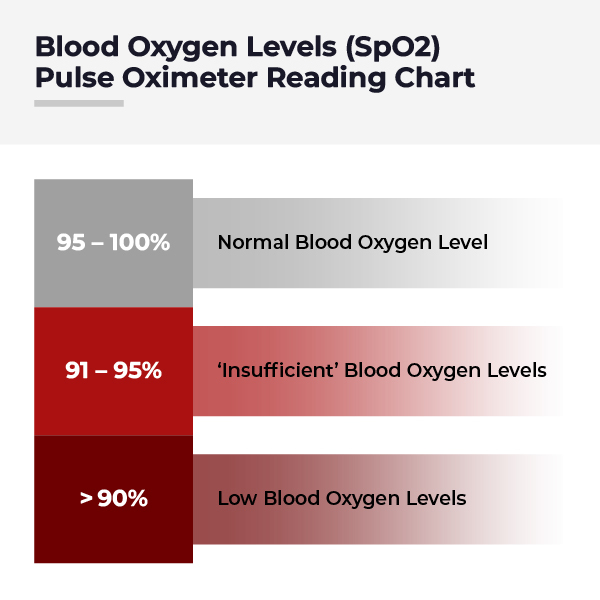
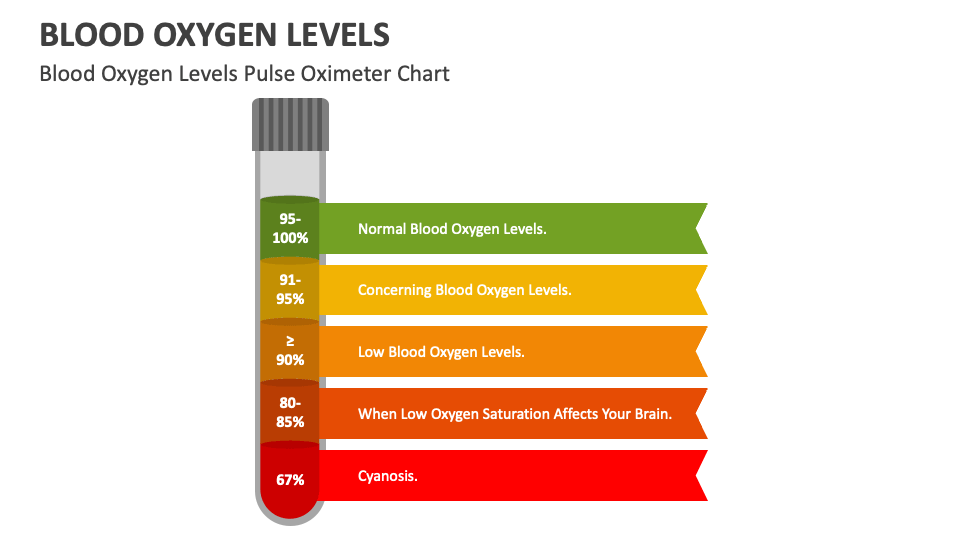
For the vast majority of healthy adults, a normal blood oxygen level ranges between 95% and 100%. When you view your health app data, seeing a number within this bracket indicates that your respiratory and circulatory systems are functioning efficiently.
Values falling between 90% and 94% are generally considered low and often require medical attention or further evaluation. Levels dropping below 90% are clinically defined as hypoxemia, a condition that suggests your body is struggling to receive the oxygen it requires to maintain cellular function.
How Wearables Calculate Oxygen
Modern health-tech devices utilize a technology called photoplethysmography (PPG). By emitting pulses of light—typically red and infrared—through your skin, the sensor measures how much light is absorbed by your blood. Because oxygenated blood absorbs light differently than deoxygenated blood, the device’s internal processor can calculate a saturation percentage with remarkable accuracy. While these wearables are not intended to replace medical-grade diagnostic tools, they provide valuable longitudinal data for users to track trends over time.
Factors Influencing Your Oxygen Readings
It is important to understand that your SpO2 is not a static number. It fluctuates throughout the day based on physical activity, environmental conditions, and physiological stressors. Recognizing these nuances helps prevent unnecessary alarm when a device reports a dip in your levels.
Physical Activity and Exercise
During strenuous exercise, it is common to see a slight temporary dip in SpO2 as your muscles consume oxygen at an accelerated rate. However, once you enter a recovery phase, your levels should quickly return to the 95–100% range. If your levels remain low for an extended duration after physical exertion, it may be a signal that your body is not recovering as efficiently as it should.
Altitude and Environmental Effects
One of the most common reasons for a drop in healthy oxygen levels is high altitude. As you climb to higher elevations, the atmospheric pressure decreases, making it more difficult for oxygen to move from your lungs into your bloodstream. For hikers, climbers, or frequent travelers, seeing a reading in the 90–94% range is often expected. Your body will naturally attempt to acclimatize over time, but recognizing this environmental variable is key to interpreting your data correctly.
Sleep and Nocturnal Patterns
Many users notice their lowest readings during sleep. This is often normal, as our breathing patterns change during different stages of the sleep cycle. However, consistent dips during the night can be an indicator of sleep apnea or other respiratory disturbances. Wearable technology has become a powerful tool for early detection, allowing users to share detailed sleep data with their physicians to address potential issues before they escalate.
The Intersection of Tech and Proactive Health Management
The democratization of health data through consumer technology has empowered millions of individuals to take a more proactive approach to their respiratory health. By moving beyond reactive doctor visits, users can now track their physiological baselines, identifying patterns that may warrant professional medical advice.
Establishing Your Personal Baseline
Because everyone’s physiology is slightly different, the most valuable data point isn’t necessarily the general population average; it is your own personal baseline. By wearing your device consistently, you can determine what “normal” looks like for you. If your typical resting SpO2 is 98%, a drop to 94%—even if it is technically within a “safe” range for the general public—might be an outlier for you specifically. Tracking these personal deviations is where tech truly excels in personal health management.
When to Seek Medical Attention
While consumer tech is excellent for tracking, it is not a diagnostic device. If you notice a persistent drop in your SpO2 levels that stays consistently below 94%, it is essential to consult a healthcare professional. Furthermore, if you notice lower oxygen levels paired with symptoms such as shortness of breath, a rapid heart rate, chest pain, or confusion, you should seek immediate medical assistance regardless of what your device indicates.
Data Privacy and Security in Health Tech
As we rely more on digital tools to track our vital signs, the security of that health data becomes paramount. When using wearables or health apps, ensure that your information is encrypted and that you are utilizing privacy settings to control who has access to your biological data. Reputable manufacturers integrate secure cloud storage and multifactor authentication to ensure that your sensitive health information remains yours alone.
Optimizing Accuracy with Your Device
To get the most out of your health-tech gadgets, placement and usage conditions matter. Because light sensors are sensitive to external interference, small adjustments to how you wear your device can lead to significant improvements in data consistency.
Proper Placement and Skin Contact
For wrist-based wearables, ensure the band is snug but comfortable—tight enough to maintain consistent skin contact but not so tight that it restricts blood flow. The sensor must be flush against the skin, as gaps can allow ambient light to interfere with the red and infrared beams, leading to inaccurate readings.
Minimizing Motion Artifacts
Motion is the enemy of high-fidelity sensor data. If you are trying to capture a resting SpO2 measurement, remain still. Moving your arm or fingers during a measurement session can cause the light reflected back to the sensor to shift, resulting in “motion artifacts.” Many modern devices are equipped with sophisticated algorithms to filter out this noise, but a stationary wrist is still the gold standard for accuracy.
Temperature and Circulation
Cold hands or poor circulation can influence the performance of optical sensors. When your blood vessels constrict due to cold, the volume of blood reaching the sensor can decrease, making it harder for the device to get a reading. If your device is struggling to pull a measurement, warming your hands by rubbing them together or moving to a warmer environment often resolves the issue instantly.
The Future of Respiratory Monitoring
We are only at the beginning of what is possible with wearable health technology. As sensors become smaller and more power-efficient, we can expect future iterations of these devices to include continuous, high-fidelity monitoring with deeper clinical insights. Integration with AI-driven analytics will likely allow these devices to distinguish between a temporary drop in oxygen due to a change in altitude and a more concerning trend that necessitates a check-up.
By staying informed about your SpO2 levels and using your technology as a supportive tool rather than a final verdict, you are taking a crucial step in managing your health. Consistent monitoring, paired with an understanding of your own physiological baseline, offers a powerful advantage in maintaining your respiratory health. When it comes to your oxygen levels, knowledge is not just power—it is the baseline for a healthier, more informed lifestyle.
aViewFromTheCave is a participant in the Amazon Services LLC Associates Program, an affiliate advertising program designed to provide a means for sites to earn advertising fees by advertising and linking to Amazon.com. Amazon, the Amazon logo, AmazonSupply, and the AmazonSupply logo are trademarks of Amazon.com, Inc. or its affiliates. As an Amazon Associate we earn affiliate commissions from qualifying purchases.