
The pursuit of a healthful diet has been a cornerstone of human well-being for millennia. Yet, in our hyper-connected, information-saturated digital age, defining and adhering to what constitutes “healthful” can feel more complex than ever. While the core principles of nutrition remain constant, the way we access information, make choices, and even how we perceive our bodies are profoundly influenced by the technological and commercial landscapes we inhabit. This article will explore what a healthful diet truly means, examining it through the lenses of our modern technological landscape, the branding and marketing influences that shape our perceptions, and the financial considerations that often underpin our dietary decisions.
The Foundation of a Healthful Diet: Core Nutritional Principles
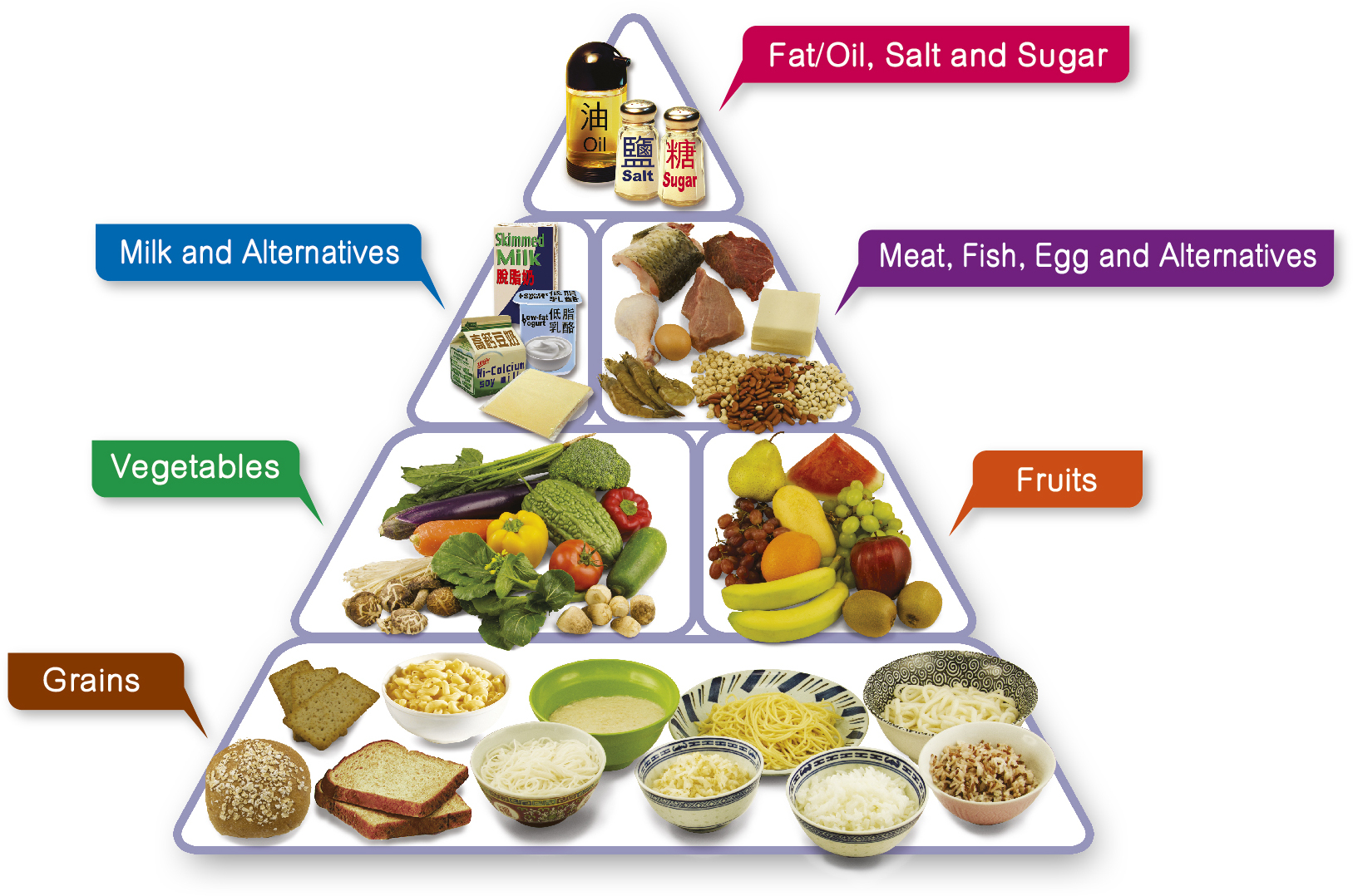
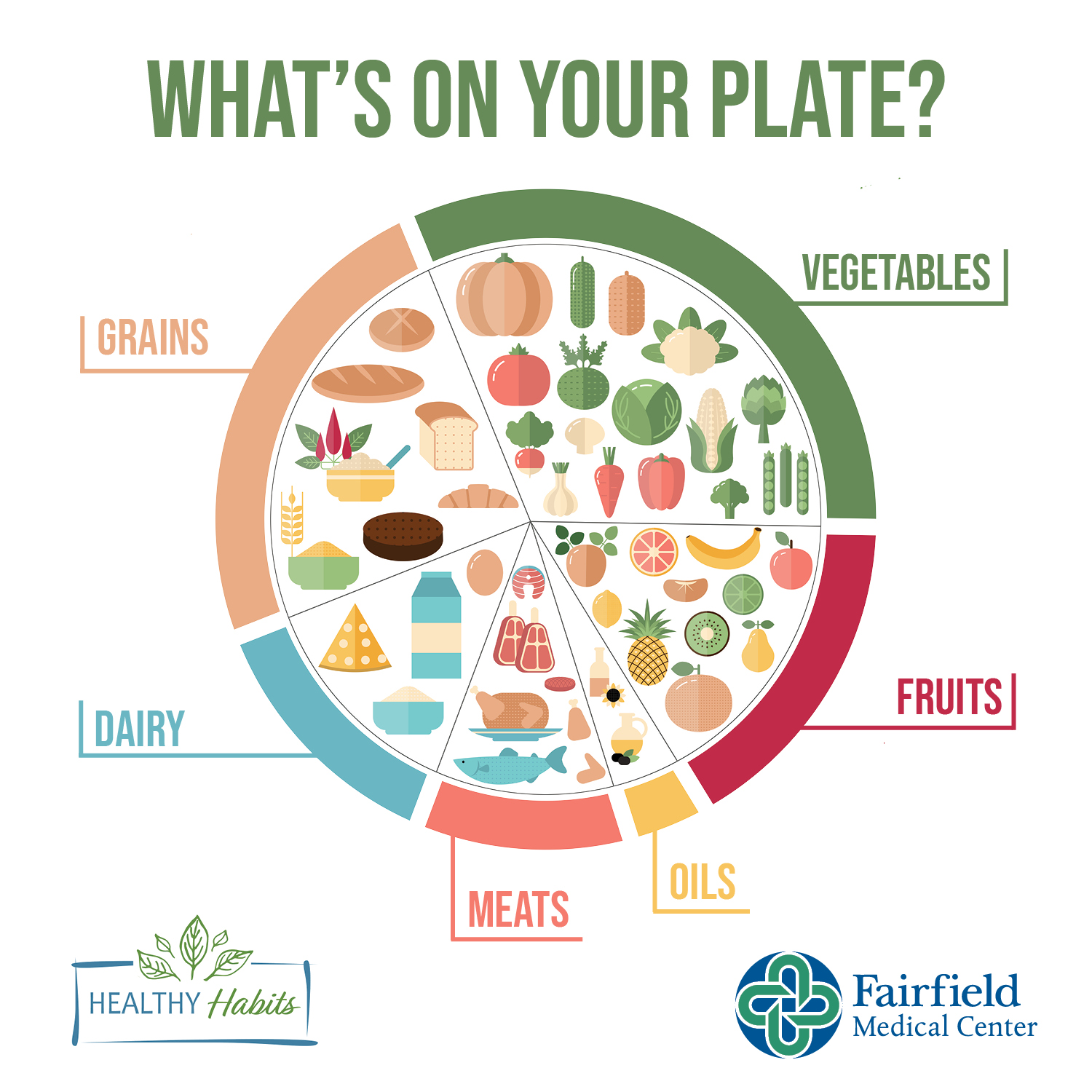
At its heart, a healthful diet is about providing our bodies with the essential nutrients they need to function optimally, maintain energy levels, support growth and repair, and prevent chronic diseases. This isn’t about restrictive fad diets or chasing the latest superfood trend; it’s about a sustainable, balanced approach to eating that nourishes us from the inside out.
Macronutrients: The Building Blocks of Energy
The primary components of our diet are macronutrients: carbohydrates, proteins, and fats. Understanding their roles is crucial:
- Carbohydrates: These are our body’s primary source of energy. Complex carbohydrates, found in whole grains, fruits, vegetables, and legumes, are preferable to refined carbohydrates (white bread, sugary snacks) as they provide sustained energy release and are rich in fiber, vitamins, and minerals. Fiber is particularly important for digestive health and can help regulate blood sugar levels.
- Proteins: Essential for building and repairing tissues, producing enzymes and hormones, and supporting immune function. Good sources include lean meats, poultry, fish, eggs, dairy, legumes, nuts, and seeds. Plant-based proteins are an excellent option for those looking to diversify their intake.
- Fats: Crucial for hormone production, nutrient absorption, and cell function. Healthy fats, such as those found in avocados, nuts, seeds, and olive oil (unsaturated fats), are vital. Saturated and trans fats, often found in processed foods and animal products, should be consumed in moderation.
Micronutrients: The Essential Minors
While needed in smaller quantities, micronutrients – vitamins and minerals – are equally indispensable for a vast array of bodily processes. These are the unsung heroes that enable everything from energy metabolism to immune defense.
- Vitamins: These organic compounds play critical roles in vision (Vitamin A), energy production (B vitamins), bone health (Vitamin D), antioxidant protection (Vitamins C and E), and blood clotting (Vitamin K), among many others. A diverse diet rich in fruits, vegetables, and whole foods is the best way to ensure adequate vitamin intake.
- Minerals: These inorganic elements are vital for bone strength (calcium, phosphorus), nerve function (potassium, sodium), oxygen transport (iron), fluid balance (sodium, potassium), and countless enzymatic reactions. Sources vary widely, from leafy greens for magnesium to seafood for iodine.
Hydration: The Unsung Hero
Often overlooked in discussions about diet, water is fundamental to life. It’s involved in every bodily function, from regulating body temperature and lubricating joints to transporting nutrients and flushing out waste. Aiming for adequate water intake throughout the day is a simple yet powerful habit for overall health.
Fiber: The Digestive Powerhouse
As mentioned, fiber is a type of carbohydrate that the body cannot digest. It plays a crucial role in maintaining a healthy digestive system, promoting satiety (which can aid in weight management), and helping to control blood sugar and cholesterol levels. Whole grains, fruits, vegetables, and legumes are excellent sources of dietary fiber.
The Digital Influence: Tech’s Impact on Healthful Eating
The digital age has fundamentally reshaped how we approach, understand, and execute our dietary choices. Technology, while offering unprecedented access to information and convenience, also presents unique challenges.
H2: Navigating the Information Overload: Tech Tools and Misinformation
The internet has democratized access to health information, bringing a wealth of knowledge about nutrition to our fingertips. However, this also means navigating a landscape rife with misinformation, fad diets peddled as scientific breakthroughs, and unverified claims.
H3: AI and Health Apps: The Promise and Perils of Digital Nutrition
- Personalized Nutrition Platforms: Artificial intelligence (AI) is increasingly being integrated into health and nutrition applications. These apps can analyze dietary intake, offer personalized meal plans, track macronutrient and micronutrient consumption, and even provide exercise recommendations. Some advanced platforms can even take into account genetic predispositions or specific health conditions to offer tailored advice. The promise here is unprecedented personalization and accessibility to dietary guidance.
- The Challenge of Accuracy and Bias: However, the effectiveness and accuracy of these AI-driven tools are dependent on the quality of the data they are trained on and the algorithms they employ. Biased data or flawed algorithms can lead to inaccurate recommendations. Furthermore, the “black box” nature of some AI can make it difficult to understand why a particular recommendation is made, leading to a lack of transparency.
- Digital Security and Privacy Concerns: As we share more personal health data with these apps and platforms, concerns about digital security and privacy become paramount. Robust security measures and clear privacy policies are essential to protect sensitive information from breaches or misuse. Users must be discerning about the permissions they grant to these applications.
- The Rise of Fitness Trackers and Wearables: Wearable devices that track activity, sleep, and even heart rate can indirectly influence dietary habits by providing data that users then interpret through a nutritional lens. While these devices can offer valuable insights, it’s crucial to remember they are tools, and their output should be interpreted in conjunction with sound nutritional knowledge.
H3: The Double-Edged Sword of Online Food Delivery and Meal Kit Services
Technology has revolutionized how we access food. Online food delivery platforms and meal kit services offer unparalleled convenience, saving time on grocery shopping and meal preparation. This can be a boon for individuals with busy schedules who might otherwise resort to less healthy convenience foods.
- Convenience vs. Control: However, this convenience can also lead to a detachment from the actual ingredients and the cooking process. It can be harder to control portion sizes, sodium content, and the overall nutritional profile of meals when relying solely on pre-prepared options. Many delivery services also lack detailed nutritional information, making informed choices challenging.
- Algorithmic Food Recommendations: Some platforms utilize algorithms to suggest meals based on past orders or perceived preferences. While this can be helpful, it can also create echo chambers, reinforcing existing eating habits rather than encouraging exploration of more healthful options.
Branding, Marketing, and the Perception of Health
Our perception of what constitutes a “healthful” food or diet is heavily influenced by branding and marketing efforts. Companies invest heavily in creating an image of health and wellness around their products, often employing sophisticated strategies to sway consumer choices.
H2: The Art of “Healthwashing”: Decoding Marketing Claims
In the food industry, “healthwashing” is a common practice where products are marketed as healthier than they actually are. This can involve:
- Highlighting a Single “Good” Ingredient: A product might prominently display a single beneficial ingredient (e.g., “made with real fruit”) while downplaying or omitting the high sugar or sodium content.
- Vague or Misleading Claims: Phrases like “natural,” “wholesome,” or “goodness” are often used without clear scientific backing or regulatory definitions.
- Appealing to Trends: Marketers are adept at latching onto popular health trends, such as “keto-friendly,” “gluten-free,” or “plant-based,” even if the product doesn’t significantly contribute to a genuinely healthful diet.
- The Role of Influencers and Social Media: Social media influencers, often paid by brands, play a significant role in shaping dietary perceptions. Their endorsements, while seemingly authentic, are often carefully curated marketing campaigns designed to promote specific products or lifestyles, which may not always align with evidence-based nutritional advice.
H3: Personal Branding and Dietary Choices: Crafting Your Healthy Identity
Beyond corporate branding, individuals also engage in personal branding, which can extend to how they present their dietary choices.
- The Rise of “Clean Eating” and Lifestyle Diets: The popularity of specific lifestyle diets, often promoted by charismatic individuals or groups, can lead to the formation of personal brands centered around these eating patterns. While some of these approaches may offer benefits, it’s crucial to differentiate between genuine health advocacy and the creation of a personal brand that prioritizes aesthetics or social media appeal over nutritional science.
- The Pressure for Perfection: The curated nature of social media can create pressure to present a “perfect” healthy lifestyle, leading to disordered eating patterns or an unhealthy obsession with food. The emphasis on outward appearance or adherence to trends can overshadow the internal goal of nourishment and well-being.
Money Matters: The Financial Landscape of Healthful Eating
The ability to access and maintain a healthful diet is often intertwined with financial considerations. Economic factors can significantly influence food choices, access to nutritious options, and the capacity to invest in health-promoting practices.
H2: Affordability and Accessibility: The Economic Divide in Nutrition
- The Cost of Nutritious Foods: Fresh produce, lean proteins, and whole grains can, in some regions and circumstances, be more expensive than processed foods, which are often calorie-dense but nutrient-poor. This creates an economic barrier for individuals and families with limited budgets, making it challenging to prioritize healthful eating.
- Food Deserts and Limited Access: “Food deserts” – areas with limited access to affordable and nutritious food – exacerbate this issue. In such environments, residents may have fewer options for fresh fruits, vegetables, and other healthy staples, leading to higher reliance on less healthy alternatives.
- Financial Planning for Health: Investing in a healthful diet can be viewed as a long-term financial investment in one’s health. While there might be an initial perceived higher cost for certain food items, the long-term benefits of reduced healthcare expenses due to preventable chronic diseases can outweigh these costs.
H3: Budgeting for a Healthful Diet: Smart Financial Strategies
Despite potential cost barriers, there are many ways to make a healthful diet financially sustainable.
- Meal Planning and Smart Shopping: Creating a weekly meal plan, making grocery lists, and sticking to them can prevent impulse purchases and reduce food waste. Buying in bulk for staples like grains and legumes, opting for seasonal produce, and utilizing frozen fruits and vegetables can also be cost-effective.
- Cooking at Home: Preparing meals at home is almost invariably cheaper and healthier than dining out or relying on convenience foods. Learning basic cooking skills can empower individuals to create nutritious and budget-friendly meals.
- Prioritizing Nutrient Density: Focus on purchasing foods that offer the most nutritional value for their cost. For example, eggs and legumes are excellent sources of protein that are generally more affordable than many meat options.
- Utilizing Financial Tools and Resources: Many communities offer resources like food banks, community gardens, and government assistance programs that can help alleviate financial burdens related to food security and access to nutritious options.
H3: Investing in Your Health: The Long-Term Financial Benefits
Viewing a healthful diet as an investment rather than an expense can shift one’s perspective.
- Reduced Healthcare Costs: By preventing or managing chronic diseases such as diabetes, heart disease, and certain cancers through diet, individuals can significantly reduce their future healthcare expenditures.
- Increased Productivity and Energy: A well-nourished body is a more energetic and productive body. This can translate to better performance at work, increased capacity for personal pursuits, and an overall higher quality of life, which has indirect financial benefits.
- Financial Literacy and Health Literacy: Understanding both financial management and nutritional science empowers individuals to make informed decisions that benefit their long-term well-being and financial security.
Conclusion: A Holistic Approach to Healthful Eating in the Digital Era
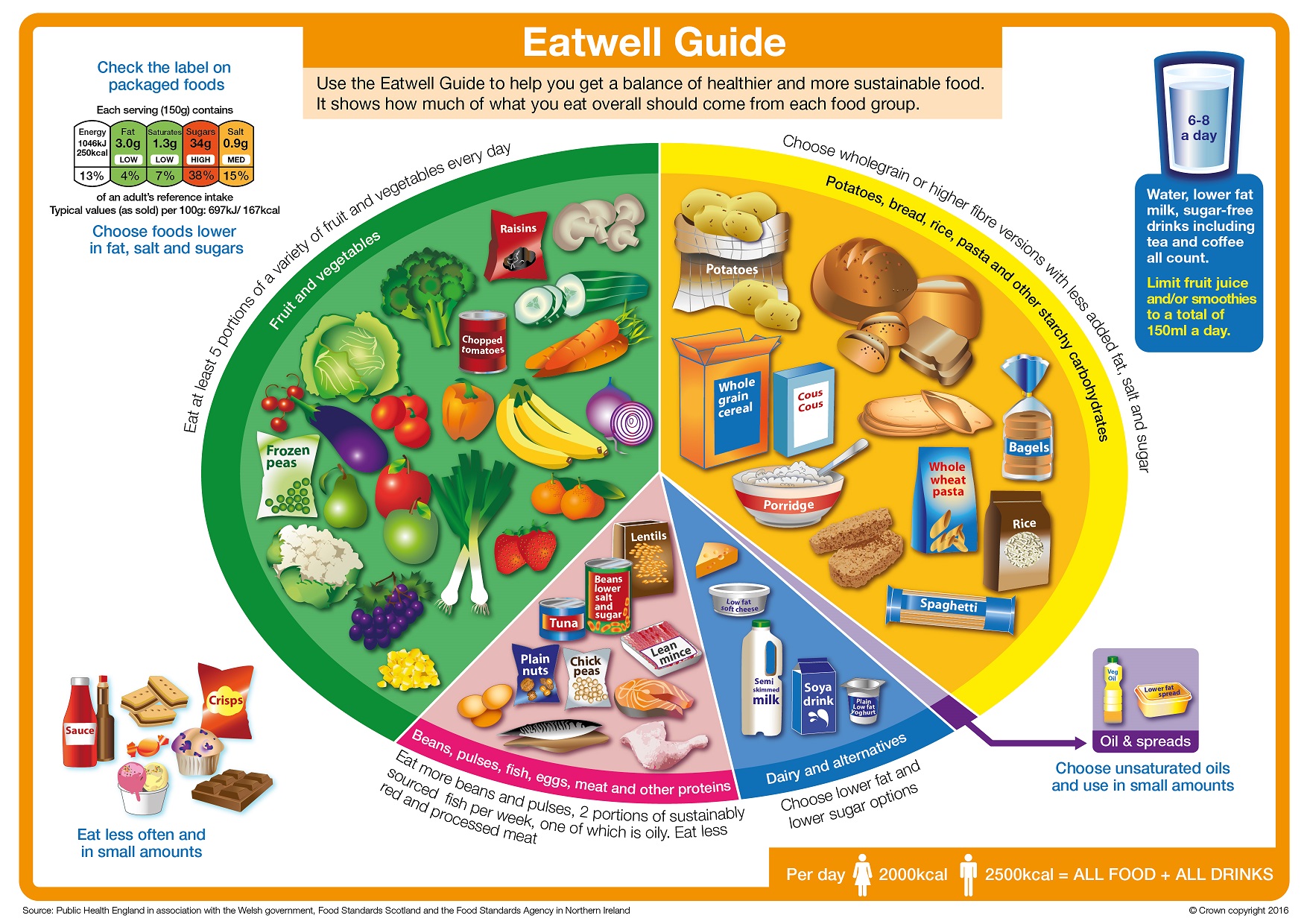
Ultimately, what constitutes a healthful diet is a nuanced understanding that goes beyond simply listing food groups. It involves critically evaluating the information we consume from technological sources, discerning authentic health messages from marketing ploys, and making informed financial decisions that support our nutritional goals. In our interconnected world, a healthful diet is one that is:
- Nutritionally Sound: Rich in whole, unprocessed foods, providing a balance of macronutrients and micronutrients.
- Sustainably Practiced: Adaptable to individual needs, preferences, and lifestyles, promoting long-term adherence.
- Mindfully Chosen: Made with awareness of the influences of technology, branding, and financial realities.
- Empowering: Contributing to overall well-being, energy, and the prevention of chronic diseases, thereby supporting a higher quality of life and long-term financial health.
By integrating an understanding of technology, branding, and financial literacy into our approach to nutrition, we can navigate the complexities of modern life and cultivate a truly healthful diet that nourishes both body and mind.
aViewFromTheCave is a participant in the Amazon Services LLC Associates Program, an affiliate advertising program designed to provide a means for sites to earn advertising fees by advertising and linking to Amazon.com. Amazon, the Amazon logo, AmazonSupply, and the AmazonSupply logo are trademarks of Amazon.com, Inc. or its affiliates. As an Amazon Associate we earn affiliate commissions from qualifying purchases.