
In an era where resource optimization and sustainable infrastructure have transitioned from niche interests to core components of modern architecture, the concept of grey water systems has emerged as a cornerstone of water-sensitive design. As global water scarcity intensifies and municipal utility costs rise, homeowners and commercial developers alike are looking for smarter, more efficient ways to manage household liquid waste. A grey water system is not merely a plumbing configuration; it is a fundamental shift in how we perceive, treat, and repurpose one of our most precious natural resources. By understanding the mechanics, legal landscape, and long-term financial benefits of these systems, property owners can transform their water usage from a linear “use-and-discard” model into a circular, self-sustaining loop.
Defining Grey Water and System Mechanics
At its most basic level, a grey water system is an infrastructure designed to capture, treat, and redistribute wastewater from non-toilet sources for secondary use. To understand the system, one must first distinguish between the three primary categories of domestic wastewater: black water, grey water, and freshwater.
Categorizing Household Wastewater
Black water is defined as wastewater originating from toilets, bidets, and often kitchen sinks or dishwashers. This water contains high levels of pathogens, fecal matter, and organic solids, making it dangerous to handle and expensive to treat. Grey water, by contrast, refers to the relatively clean wastewater generated from showers, bathtubs, bathroom sinks, and laundry machines. Because this water is free from significant organic contaminants, it requires minimal processing to be safely reused for irrigation or toilet flushing.
How the System Operates
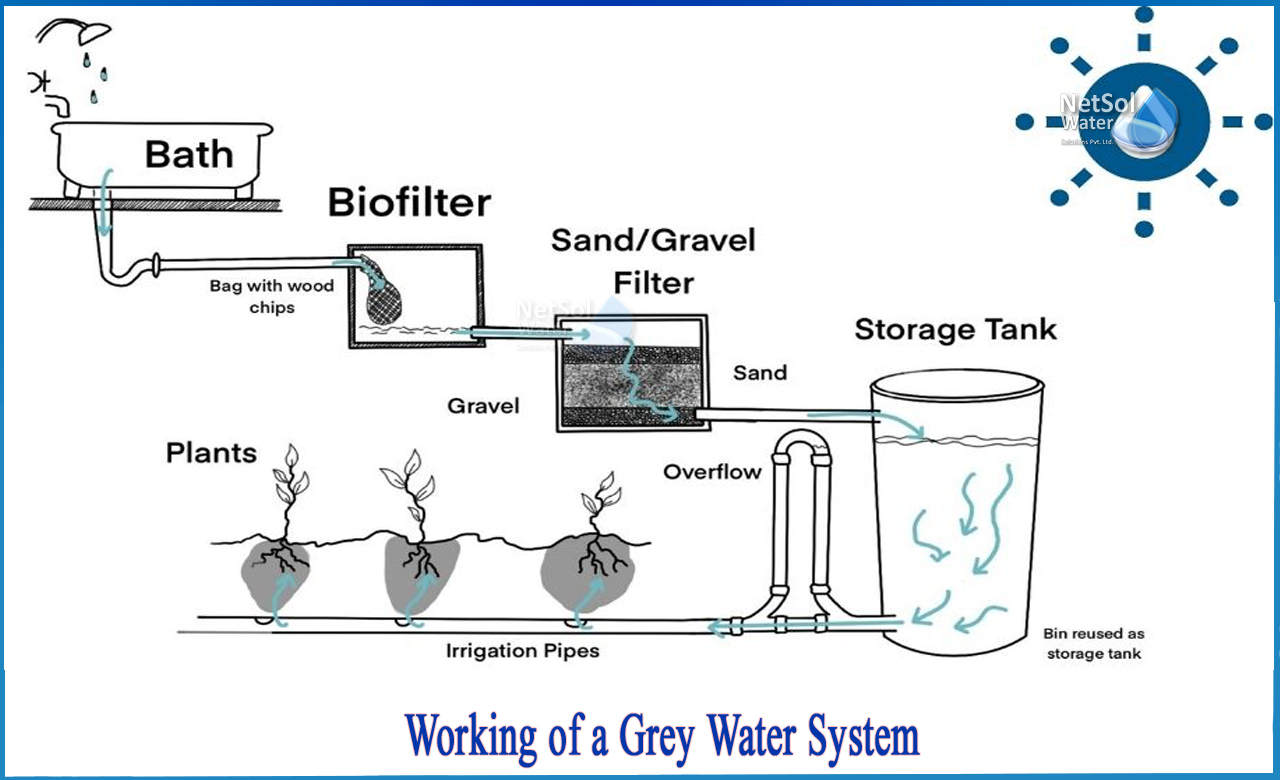
A typical grey water system functions through a process of diversion, filtration, and distribution. Instead of allowing water from a shower drain to flow directly into the municipal sewer or septic system, the grey water system utilizes a gravity-fed or pumped diversion valve.
- Collection: Water is gathered from designated plumbing fixtures.
- Filtration: The water passes through a primary filter to remove hair, lint, and debris. This step is critical to prevent clogging in irrigation lines or downstream pumps.
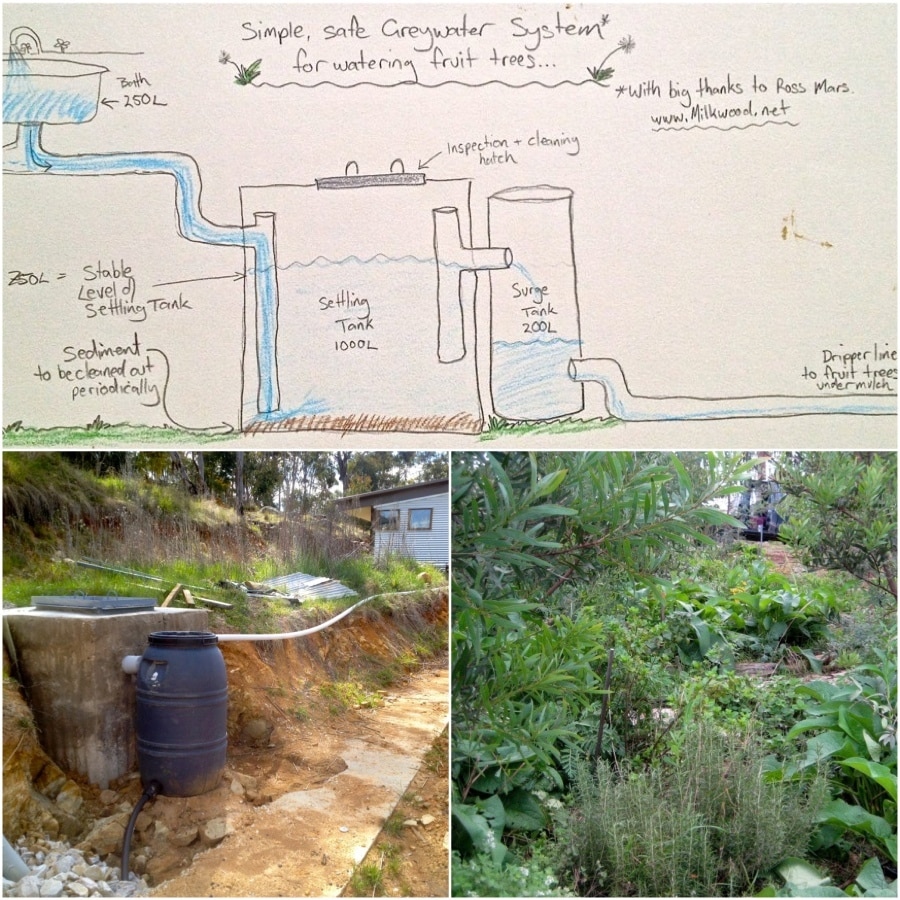
- Distribution: Depending on the system’s complexity, the water is either directed via gravity to a sub-surface mulch basin—where it waters trees or shrubs—or stored in a surge tank for automated distribution via a pump system.
The Financial and Resource Value of Water Recycling
From a personal finance perspective, the integration of a grey water system is an investment in the long-term operational efficiency of a property. While the upfront costs—comprising specialized plumbing, filtration units, and potential pump installations—can be significant, the Return on Investment (ROI) is realized through consistent monthly savings and increased property utility.
Reducing Utility Expenditures
In many urban environments, water rates are tiered, meaning the more water you use, the higher the per-gallon cost becomes. By diverting grey water to outdoor landscaping, a household can reduce its outdoor water consumption by 30% to 50%. This not only lowers the monthly water bill but also minimizes the burden on sewer fees, which are often calculated as a percentage of total water consumption. For a large household or a commercial entity with extensive grounds, these cumulative savings can result in a full system payback within five to seven years.
Future-Proofing Real Estate
As local governments implement stricter water restrictions during drought seasons, property value is increasingly tied to self-sufficiency. Homes equipped with grey water recycling systems are viewed as more resilient and environmentally responsible. In states like California or Arizona, where water management is a critical policy issue, a permitted and functional grey water system can serve as a unique selling proposition, potentially increasing the resale value of the home by lowering the “cost of ownership” for the prospective buyer.

Regulatory Compliance and System Design
One of the most significant challenges in the adoption of grey water technology is navigating the regulatory landscape. Because the quality of wastewater can vary depending on the soaps, detergents, and chemicals used in the household, local health departments impose strict guidelines to prevent public health hazards.
Understanding Local Codes
Before installing any system, property owners must consult local building codes. Most jurisdictions categorize grey water systems into two types:
- Simple Systems: These are usually gravity-based, have no storage, and utilize sub-surface irrigation. These often require simple permitting or are exempt from complex mechanical reviews in certain areas.
- Complex Systems: These involve storage tanks, pumps, and sophisticated filtration. These systems generally require comprehensive engineering plans, health department approval, and ongoing maintenance logs.
The Role of Biodegradable Products
A critical component of a successful grey water system is the management of input materials. Users must become conscious of the soaps, shampoos, and cleaning agents they utilize. Because grey water is intended to irrigate landscaping, using products containing boron, bleach, or high levels of salt can damage soil health and potentially kill vegetation. The system acts as a financial motivator for the adoption of “grey water-friendly” products, which often align with eco-conscious, non-toxic household choices. This creates a positive feedback loop where the system encourages more sustainable consumption habits throughout the entire home.
Maintenance and Long-Term Reliability
The longevity of a grey water system depends entirely on the owner’s commitment to maintenance. Unlike standard plumbing, which is largely “out of sight, out of mind,” a grey water system requires periodic attention to remain operational and hygienic.
Routine Filtration Upkeep
The primary point of failure in any grey water system is the filter. Over time, lint from laundry or organic debris from bathroom drains can create a biofilm that clogs the system. A professional maintenance schedule involves:
- Monthly inspection: Checking filters and removing trapped solids.
- Quarterly system flush: Ensuring that distribution lines are clear and that water is reaching the intended discharge points without pooling.
- Seasonal pump assessment: If the system utilizes a pump for delivery, ensuring the impellers are clear of grit and the electrical components are dry and functional.
Preventing Stagnation
The most common mistake in grey water management is the storage of water for too long. Grey water is nutrient-rich and, if left stagnant in a tank for more than 24 hours, it can begin to harbor bacteria and produce odors. Therefore, a well-designed system is built to prioritize “use-it-or-lose-it” mechanics. If a system generates more water than the landscape can consume, it must be equipped with an automated overflow valve that diverts excess water to the municipal sewer line to ensure hygiene standards are maintained.
The Future of Residential Water Management
The integration of grey water systems is indicative of a broader trend toward decentralized resource management. As smart-home technology continues to advance, we are beginning to see the integration of IoT-enabled sensors within these systems. These sensors can monitor flow rates, track water quality, and alert the homeowner to maintenance needs via smartphone notifications.
By reclaiming grey water, we are not just saving money; we are alleviating the strain on aging municipal water treatment facilities. The technology represents a shift from a culture of extraction to one of stewardship. As property owners adopt these systems, they contribute to a more robust, decentralized infrastructure that can withstand the pressures of population growth and climate instability. A grey water system, therefore, is more than a piece of plumbing; it is a financial and ecological asset that defines the modern, responsible home. Through intentional design and careful management, the water we use today can continue to support our lives long after it has left our taps.
aViewFromTheCave is a participant in the Amazon Services LLC Associates Program, an affiliate advertising program designed to provide a means for sites to earn advertising fees by advertising and linking to Amazon.com. Amazon, the Amazon logo, AmazonSupply, and the AmazonSupply logo are trademarks of Amazon.com, Inc. or its affiliates. As an Amazon Associate we earn affiliate commissions from qualifying purchases.