
In the current era of the “Quantified Self,” the human heartbeat has been transformed from a silent biological function into a high-fidelity data stream. For tech enthusiasts, athletes, and the health-conscious, the question “What is a great pulse rate?” is no longer answered by a simple range on a medical chart. Instead, it is a complex metric interpreted through sophisticated sensors, machine learning algorithms, and wearable ecosystems.
As technology matures, our ability to monitor, analyze, and optimize our pulse has reached unprecedented levels of precision. This article explores the technological landscape of heart rate monitoring, the digital benchmarks of a “great” pulse, and how the integration of AI is redefining our understanding of cardiovascular health.

The Science Behind the Sensor: How Modern Tech Measures Your Heartbeat
To understand what constitutes a great pulse rate in a digital context, we must first examine the hardware that captures this data. We have moved far beyond the manual stopwatch and finger-on-the-wrist method. Today’s technology utilizes light, electricity, and advanced signal processing to provide a real-time window into the heart.
Photoplethysmography (PPG): The Green Light Revolution
Most consumer wearables, from the Apple Watch to the Oura Ring, rely on Photoplethysmography (PPG). This technology works by shining green LED lights into the skin and measuring the light reflected back. Because blood absorbs green light, each pulse causes a fluctuation in light absorption.
The technical challenge lies in “noise” reduction. Movement, skin tone, and ambient light can all interfere with the signal. Modern tech solves this through multi-wavelength arrays and sophisticated digital signal processing (DSP) that filters out motion artifacts, ensuring that the pulse rate displayed on your screen is an accurate reflection of your heart’s activity rather than your arm’s movement.
From Wrist to Ring: The Miniaturization of Biometric Sensors
The engineering feat of fitting medical-grade sensors into a device as small as a wedding band is a testament to the rapid pace of hardware innovation. Miniaturization requires not only smaller components but also highly efficient power management. These devices utilize low-power Bluetooth (BLE) and micro-batteries to maintain continuous monitoring. For a user, a “great” pulse rate is only useful if the device can track it 24/7, capturing the nuances of sleep, stress, and activity without constant recharging.
ECG vs. PPG: Bridging the Gap Between Consumer and Clinical Tech
While PPG measures blood volume changes, Electrocardiogram (ECG) technology measures the actual electrical signals of the heart. Recent shifts in consumer tech have integrated single-lead ECGs into smartwatches. By touching a crown or a bezel, users can create a circuit that allows the device to detect irregularities like Atrial Fibrillation (AFib). This convergence of consumer gadgets and clinical-grade diagnostics has shifted the definition of a “great pulse” from a simple number to a “clean” electrical sinus rhythm.
Defining “Great” in the Era of Big Data and AI
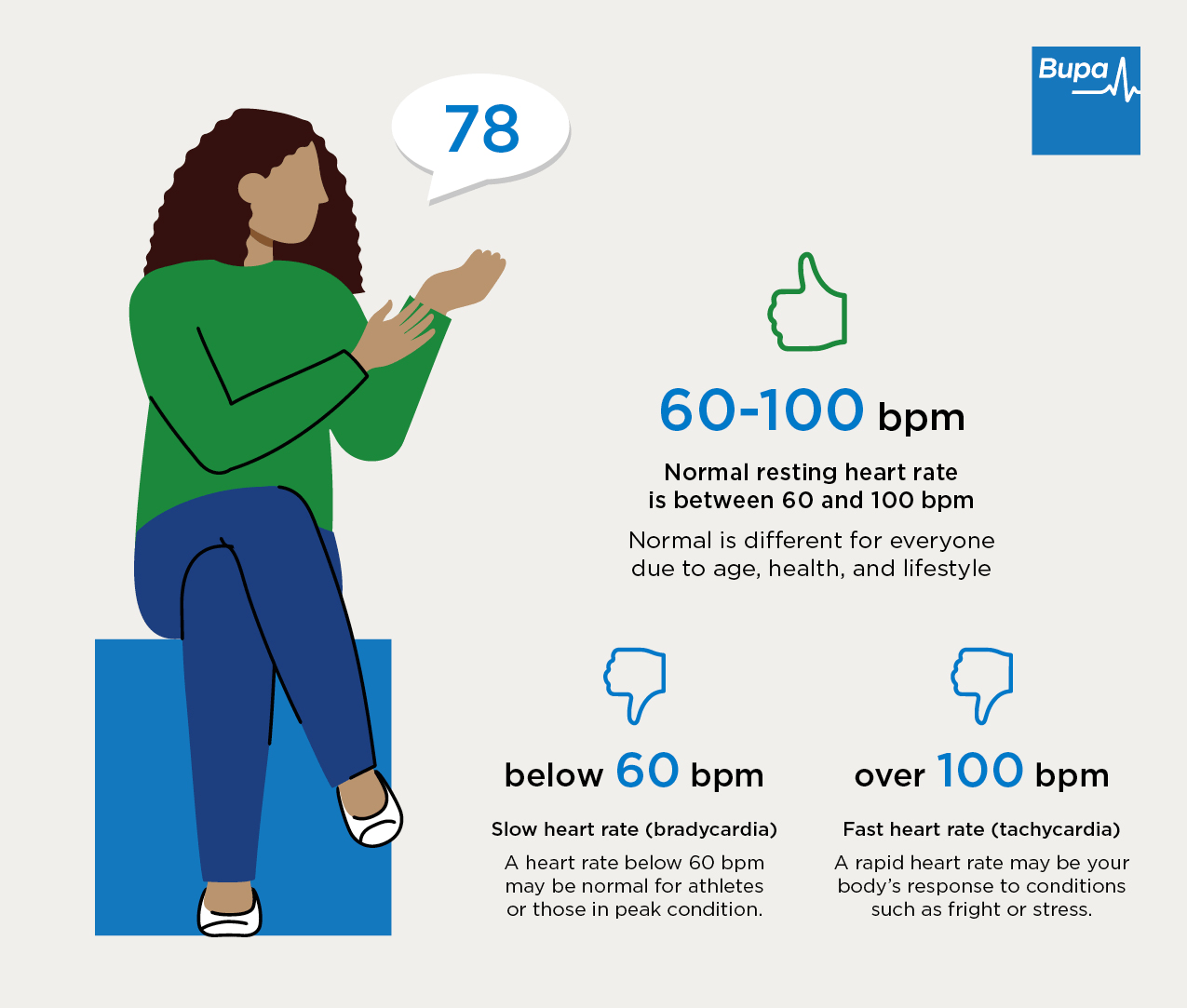
In the traditional medical world, a resting heart rate between 60 and 100 beats per minute (BPM) is considered normal. However, in the tech-driven wellness space, “normal” is being replaced by “optimized.” Data-driven insights allow us to look at the pulse through various filters to determine what is truly “great” for an individual’s specific profile.
Resting Heart Rate (RHR) as a Baseline for Algorithmic Health
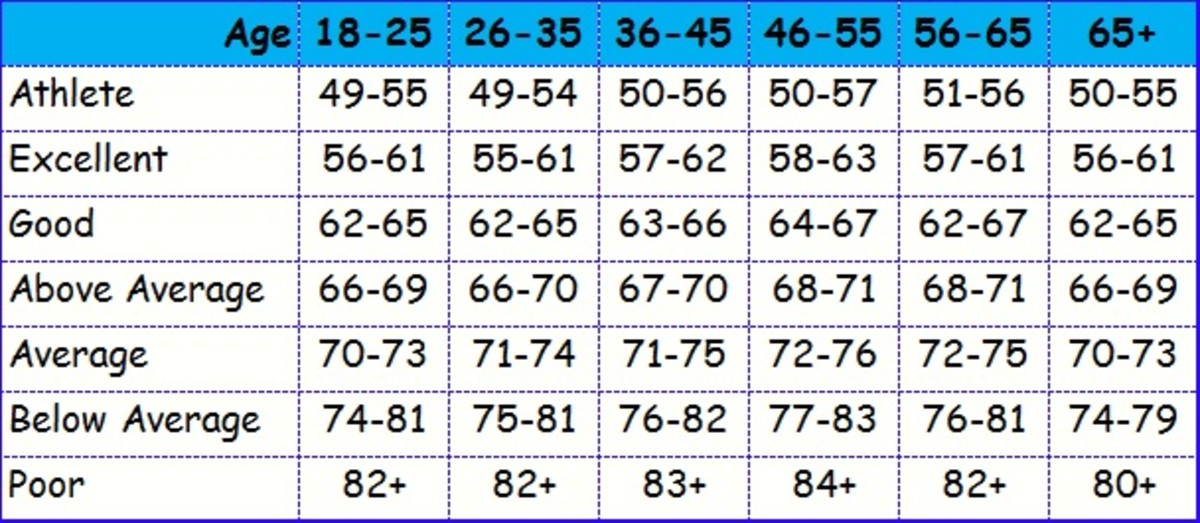
For a tech-augmented user, a “great” resting heart rate is often significantly lower than the clinical average. Athletes often see RHRs in the 40s or 50s. Modern health apps use RHR as a primary baseline for your “Health Score.” If your RHR spikes by five beats over your rolling seven-day average, your software’s algorithm might flag this as a sign of impending illness or overtraining before you even feel symptoms. In this context, a great pulse rate is one that remains stable and consistent with your personal historical data.
Heart Rate Variability (HRV): The Ultimate Tech Metric for Recovery
If pulse rate is the “what,” Heart Rate Variability (HRV) is the “why.” HRV measures the variation in time between each heartbeat. Contrary to intuition, a “great” heart rate is not perfectly metronomic; a high HRV indicates a nervous system that is responsive and resilient.
Tech platforms like Whoop and Garmin have popularized HRV as the gold standard for measuring recovery. By analyzing these millisecond-level differences, AI models can calculate a “Readiness Score.” A great pulse rate, therefore, is characterized by its adaptability—the ability of the heart to speed up and slow down instantly in response to environmental stressors.
How Machine Learning Personalizes Your “Normal”
The most significant advancement in health tech is the move away from generalized population averages. Machine learning models now ingest months of a user’s biometric data to create a “digital twin.” By understanding your specific circadian rhythms, the AI can determine that a pulse of 55 BPM is “great” for you at 3:00 AM, but might be a cause for concern if detected during a high-stakes board meeting. This personalization is what transforms raw data into actionable intelligence.
The Ecosystem of Health Tech: Beyond the Numbers
A pulse rate is just a data point; its value is unlocked when it is integrated into a broader digital ecosystem. The synergy between hardware, software, and cloud computing is what allows a pulse rate to become a pillar of digital health.
Integration with Health Platforms (Apple Health, Google Fit)
The centralization of data is a major trend in tech. When your pulse rate data from your watch is synced with your nutrition app, your sleep tracker, and your electronic health records (EHR), it creates a holistic view of your biology. A “great” pulse rate is often the result of variables tracked elsewhere—good hydration, optimal sleep cycles, and managed caloric intake. These integrations allow users to see the direct correlation between their lifestyle choices and their cardiovascular efficiency.
Real-Time Alerts and Preventive Diagnostics
The “Always-On” nature of wearable tech has turned pulse monitoring into a preventive tool. Advanced software can now detect “tachycardia” (heart rate too high) or “bradycardia” (heart rate too low) while at rest and send haptic alerts to the user. This real-time feedback loop is a hallmark of modern health tech, moving us from reactive healthcare (going to the doctor when we feel sick) to proactive health management.
Data Privacy and the Security of Your Biometric Pulse
As we collect more granular data about our heartbeats, the security of that data becomes paramount. Biometric data is the most personal information a human can possess. Leading tech companies are implementing end-to-end encryption and on-device processing to ensure that your “pulse” doesn’t become a commodity for advertisers or insurance companies. A “great” pulse rate monitoring system must, by definition, be a secure one.
Future Frontiers: AI, Predictive Analytics, and Continuous Monitoring
The future of pulse monitoring lies in the transition from descriptive analytics (what happened) to predictive analytics (what will happen). We are entering an era where our technology will understand our hearts better than we do.
AI-Powered Early Warning Systems
Researchers are currently training neural networks to identify the subtle “signatures” in pulse data that precede major cardiac events or viral infections. For example, a slight decrease in HRV combined with a marginal increase in respiratory rate and RHR—captured by a wearable—can predict a COVID-19 infection days before a PCR test returns a positive result. In the future, a “great” pulse rate will be one that is constantly vetted by an AI guardian, looking for patterns invisible to the human eye.
The Shift Toward Proactive Health Management
The ultimate goal of health technology is to extend the human “healthspan.” By maintaining a “great” pulse rate through tech-assisted feedback, users can mitigate the risks of chronic diseases. We are seeing the rise of “Bio-Hacking” gadgets that use haptic feedback to train the heart to enter a state of coherence, reducing stress in real-time.
In conclusion, a “great” pulse rate is no longer a static number. In the world of technology, it is a dynamic, personalized, and highly secured data stream. It is the result of high-quality PPG or ECG sensors, analyzed by sophisticated machine learning, and integrated into a lifestyle that prizes data-driven decision-making. As wearables become more invisible and AI becomes more perceptive, our pulse will remain the most vital “ping” in our digital lives, signaling not just that we are alive, but that we are performing at our absolute peak.
aViewFromTheCave is a participant in the Amazon Services LLC Associates Program, an affiliate advertising program designed to provide a means for sites to earn advertising fees by advertising and linking to Amazon.com. Amazon, the Amazon logo, AmazonSupply, and the AmazonSupply logo are trademarks of Amazon.com, Inc. or its affiliates. As an Amazon Associate we earn affiliate commissions from qualifying purchases.