
In the contemporary landscape of information dissemination, the battle for attention is won or lost in seconds. Whether in corporate marketing or high-level academic publishing, the ability to distill complex ideas into an immediate, digestible format is a cornerstone of effective brand strategy. This is where the graphical abstract enters the frame. Often described as the “movie poster” for a research paper or a technical white paper, a graphical abstract is a single, concise, pictorial summary of the main findings or the core narrative of a document.
For the modern professional, the graphical abstract is not merely a decorative addition; it is a critical tool for personal branding and corporate identity. It serves as the primary visual touchpoint between the creator and the audience, functioning as a bridge that spans the gap between dense technical data and human cognition. By leveraging design principles to communicate value, the graphical abstract transforms a static set of results into a dynamic brand asset.
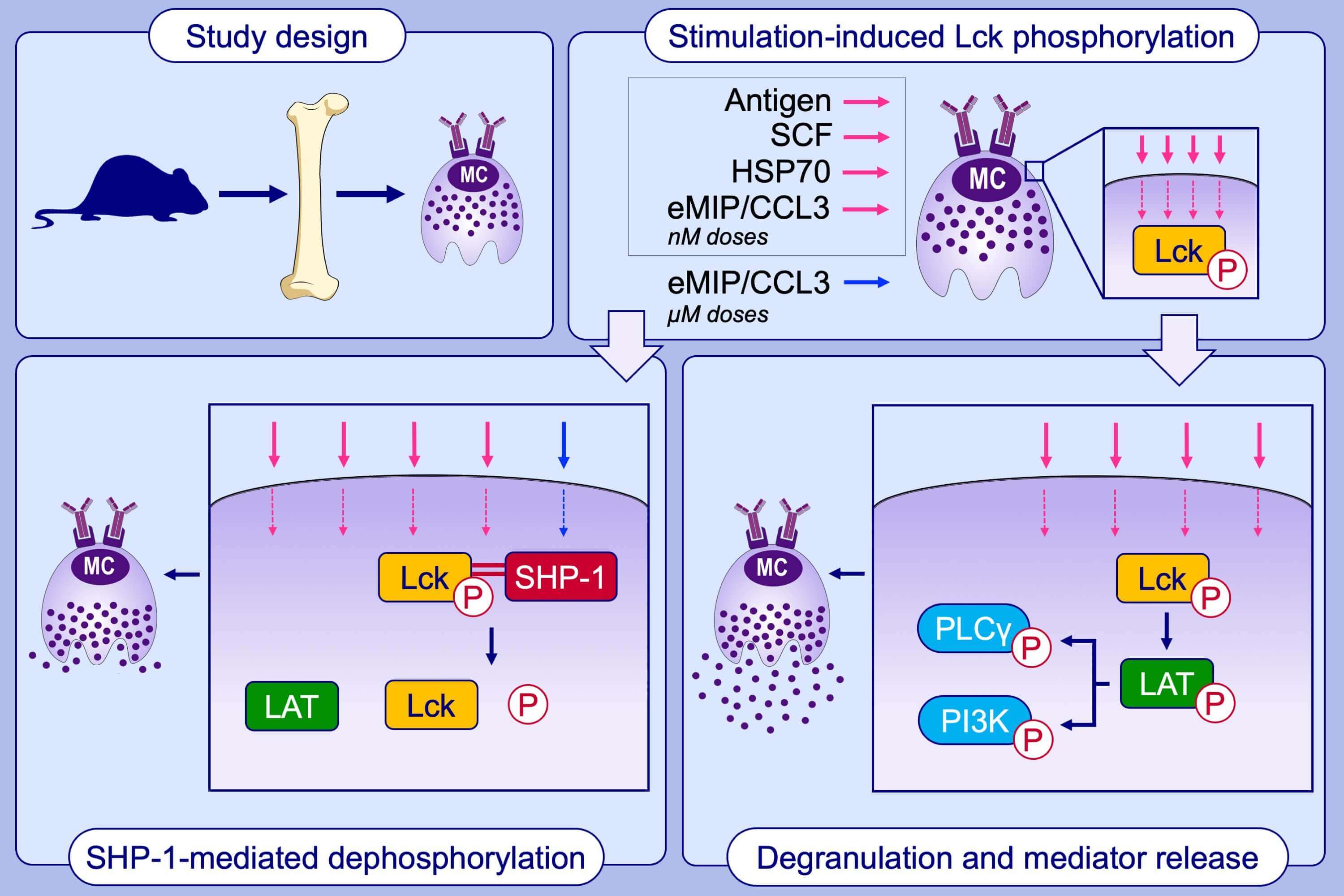
The Strategic Role of Visual Communication in Professional Branding
The shift toward visual-first communication is a direct response to the global attention economy. As the volume of published content—from scientific journals to industry reports—continues to explode, the human brain has adapted to prioritize visual stimuli over text-heavy data. In this context, a graphical abstract acts as a strategic brand ambassador for your work.
Enhancing Visual Recognition and Authority
When a researcher or a firm consistently produces high-quality graphical abstracts, they are engaging in a form of visual brand building. A well-designed abstract establishes a “look and feel” that the audience begins to associate with quality and clarity. Over time, this builds authority. Just as a corporate logo signals the values and standards of a company, a unique style of graphical abstract signals the intellectual rigor and accessibility of a professional’s work.
The Elevator Pitch of the Digital Age
In brand strategy, the “elevator pitch” is a foundational concept. The graphical abstract is the visual evolution of this pitch. It allows a viewer to grasp the “why,” the “how,” and the “what” of a project without reading a single paragraph of the abstract text. This immediacy is vital for social media dissemination, where platforms like LinkedIn and X (formerly Twitter) prioritize visual content. A paper shared with a compelling graphical abstract is significantly more likely to be clicked, shared, and cited than one shared with a text snippet alone.
Core Design Principles for a High-Impact Graphical Abstract
Creating an effective graphical abstract requires a departure from traditional data presentation. It is not a collection of charts; it is a narrative. To function as an effective piece of brand collateral, it must adhere to specific design principles that ensure clarity, flow, and professional appeal.
Visual Hierarchy and Narrative Flow
A successful graphical abstract directs the eye of the viewer through a logical sequence. Most effective designs follow a linear progression—either from left to right or from top to bottom.
- The Starting Point: This represents the problem or the initial state.
- The Intervention: This illustrates the methodology or the unique approach taken.
- The Outcome: This highlights the key discovery or the value proposition.
By establishing a clear hierarchy, you ensure that the viewer doesn’t feel overwhelmed. Use size, weight, and positioning to emphasize the most important findings. If the “Result” is the most significant part of your brand message, it should occupy the most visual real estate or utilize the most vibrant colors.
The Power of Simplicity and Whitespace
One of the most common mistakes in designing graphical abstracts is the “kitchen sink” approach—trying to include every detail of the research. From a branding perspective, clutter is the enemy of clarity. Whitespace (negative space) is an essential design tool that allows the core elements to breathe. By stripping away non-essential data points, labels, and borders, you highlight the essence of the work. Simplicity communicates confidence; it suggests that the author understands the subject matter deeply enough to simplify it.
Color Theory and Consistency
Color is a powerful psychological tool. In a graphical abstract, color should be used functionally rather than decoratively. Use a limited color palette—often three to four harmonious shades—to categorize different types of information. For example, a consistent blue might represent “Methodology,” while a vibrant orange highlights “Key Innovations.”

Furthermore, if you are creating these for a corporate or institutional brand, using your organization’s brand colors can reinforce corporate identity. Consistency in font choices and icon styles across different abstracts creates a cohesive “brand family” of work, making your portfolio instantly recognizable to peers and stakeholders.
Integrating the Graphical Abstract into Your Personal Brand Strategy
The utility of a graphical abstract extends far beyond its inclusion in a journal or a report. It is a versatile marketing asset that can be repurposed across various channels to enhance your professional footprint.
Social Media and Content Marketing
LinkedIn has become a primary hub for professional networking and thought leadership. Posting a high-resolution graphical abstract as an image post allows you to reach a broader audience than a simple link to a PDF. It encourages engagement by providing immediate value. For professionals looking to build a “brand of one,” these visuals serve as high-quality content that proves expertise and commitment to modern communication standards.
Networking and Presentations
During conferences or networking events, a graphical abstract can be used as a visual aid on a tablet or phone. It provides a focal point for conversation, making it easier to explain complex concepts to potential collaborators or investors. In presentations, using the graphical abstract as an introductory slide sets the stage and provides the audience with a mental map of what to expect, increasing the overall impact of the presentation.
Portfolio and Website Optimization
For consultants, academics, and researchers, a personal website is often the center of their digital brand. A gallery of graphical abstracts functions as a visual portfolio. Instead of a list of publication titles, a visitor sees a vibrant, engaging display of intellectual output. This not only makes the website more aesthetically pleasing but also significantly improves user experience (UX) by allowing visitors to quickly scan your lifetime of work.
The Future of Intellectual Branding: From Static to Interactive
As we look toward the future of brand strategy in the professional and academic sectors, the concept of the graphical abstract is evolving. The transition from static images to dynamic, interactive, and even animated abstracts is already underway.
Motion Graphics and Engagement
Animated graphical abstracts (video abstracts) take the principles of visual storytelling to the next level. By introducing movement, you can demonstrate processes, show change over time, or highlight cause-and-effect relationships more effectively than a static image. From a brand perspective, motion graphics are perceived as high-production-value assets, further elevating the perceived status of the creator.
Accessibility and Global Reach
A well-designed graphical abstract transcends language barriers. While text-based abstracts require translation and high-level literacy in a specific language, visual symbols and diagrams are often more universal. This global reach is a key component of a successful brand strategy. If your goal is to have a global impact, your branding must be accessible to a diverse, international audience. Graphical abstracts facilitate this by using the universal language of design.
Conclusion: The Visual Imperative
The question “What is a graphical abstract?” can be answered technically, but its true significance lies in its role as a powerful branding and communication tool. It is the intersection of design and intellect, where complex data is distilled into a visual narrative that captures attention and fosters understanding.
In an age where information is infinite but time is scarce, the ability to communicate visually is no longer an optional skill—it is a competitive necessity. By mastering the art of the graphical abstract, professionals can ensure their work is seen, understood, and remembered. Whether you are an individual researcher looking to increase your citation count or a corporation aiming to market technical innovations, the graphical abstract is your most potent asset in building a clear, authoritative, and modern brand identity.
By adhering to the principles of hierarchy, simplicity, and strategic consistency, you transform your intellectual property into a visual brand that resonates. The graphical abstract is more than a summary; it is a declaration of clarity in a world of noise.
aViewFromTheCave is a participant in the Amazon Services LLC Associates Program, an affiliate advertising program designed to provide a means for sites to earn advertising fees by advertising and linking to Amazon.com. Amazon, the Amazon logo, AmazonSupply, and the AmazonSupply logo are trademarks of Amazon.com, Inc. or its affiliates. As an Amazon Associate we earn affiliate commissions from qualifying purchases.