
In the competitive landscape of global sports, few phrases carry the weight, prestige, and immediate recognition of a “Grand Slam.” While the term originates from card games and was adopted by tennis in the 1930s, it has evolved into one of the most powerful brand constructs in the world. To understand what a Grand Slam is in tennis is to understand the pinnacle of brand equity, where tradition meets modern marketing to create an aspirational product that transcends the sport itself.
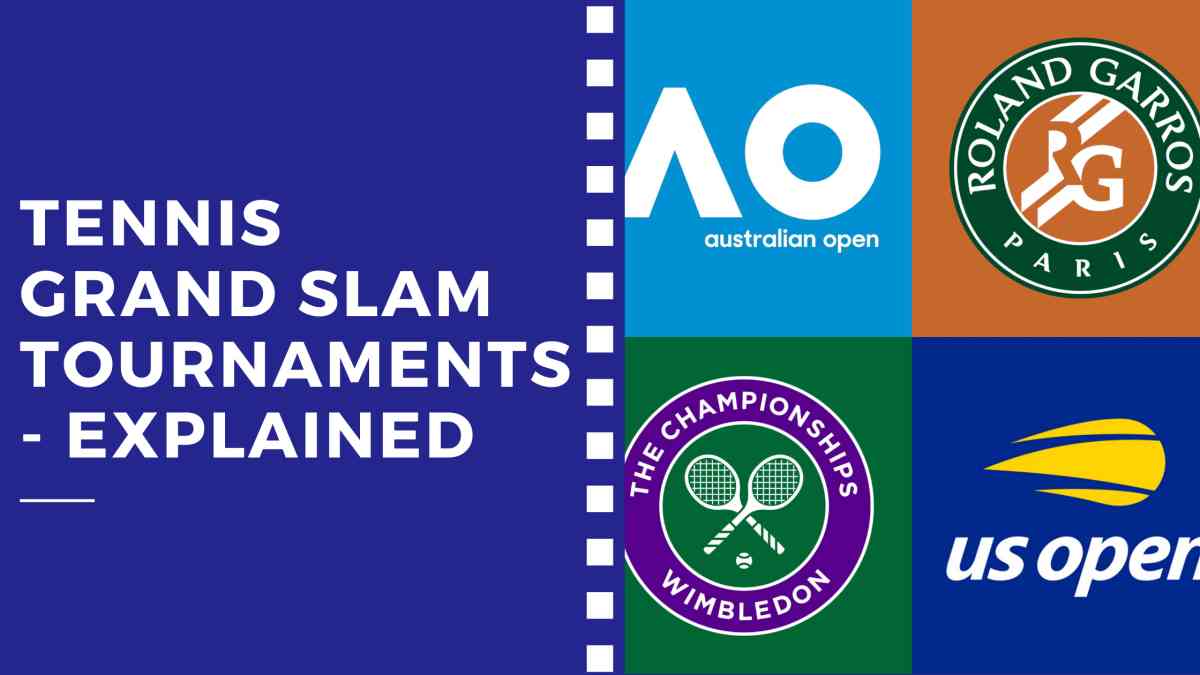
A Grand Slam is not merely a tournament; it is a meticulously crafted brand ecosystem. It consists of the four most significant annual events in tennis: the Australian Open, Roland Garros (the French Open), Wimbledon, and the US Open. Collectively, these events represent the “Majors,” and for a player to win all four in a single calendar year is to achieve the ultimate “Grand Slam.” From a branding perspective, these tournaments serve as the gold standard of corporate identity and personal achievement.

Defining the Prestige: The Brand Equity of a Grand Slam
The power of the Grand Slam brand lies in its exclusivity. In a world where content is often commoditized, the Majors have successfully maintained a “premium” status that allows them to command higher ticket prices, larger sponsorship deals, and massive global viewership.
The Four Pillars of Global Tennis
The Grand Slam brand is built on four distinct pillars, each representing a unique geographic and cultural market. The Australian Open positions itself as the “Happy Slam,” focusing on innovation and fan experience in the vibrant summer of Melbourne. Roland Garros leverages the romanticism and clay-court heritage of Paris. Wimbledon serves as the ultimate “Heritage Brand,” leaning heavily into British tradition and exclusivity. Finally, the US Open markets itself through the lens of New York City’s “Electric Energy,” prioritizing spectacle and entertainment. Together, these four pillars provide a year-round narrative that keeps the tennis brand relevant across different time zones and demographics.
Exclusivity and the “Major” Designation
What separates a Grand Slam from a standard ATP or WTA tour event is the “Major” designation. In branding, scarcity creates value. Because there are only four opportunities a year to achieve this status, the stakes are exponentially higher. This scarcity is marketed to fans and sponsors alike as a “can’t-miss” event. For a brand to be associated with a Grand Slam, it isn’t just sponsoring a tennis match; it is aligning itself with a historical legacy of excellence that is only available four times a year.
Building a Corporate Legacy: How the Majors Position Their Identities
Each of the four Grand Slams operates as a multi-billion dollar corporate entity with a highly specific brand identity. Successful branding requires consistency and a clear “Unique Selling Proposition” (USP), and the Majors excel at this.
Wimbledon: The Tradition and Elegance Brand
Wimbledon is perhaps the most successful example of “Heritage Branding” in sports history. Its brand guidelines are legendary: the “predominantly white” clothing rule for players, the absence of prominent on-court advertising (unlike the neon boards of other tournaments), and the iconic strawberries and cream. By refusing to modernize certain elements, Wimbledon has actually increased its brand value. It positions itself as an oasis of tradition in a rapidly changing world, attracting luxury sponsors like Rolex and Pimm’s who want to tap into that sense of timelessness.
The US Open: High Energy and Urban Modernity
In stark contrast to Wimbledon, the US Open’s brand is rooted in “The City That Never Sleeps.” Its corporate identity is built around night matches, celebrity sightings in the stands, and high-decibel crowd participation. The brand strategy here is one of inclusivity and “bigness.” The Arthur Ashe Stadium is the largest tennis stadium in the world, and the tournament’s marketing materials emphasize power, speed, and modern entertainment. This attracts brands like American Express and Emirates, who seek to connect with an affluent, fast-paced, urban demographic.
Roland Garros and the Australian Open: Innovation vs. Heritage
Roland Garros (The French Open) positions itself through its “Difficult Brand” persona—the grueling physical demand of the red clay. Its visual identity is synonymous with the ochre earth of Paris, a color palette that is instantly recognizable in global broadcasting. Meanwhile, the Australian Open has rebranded itself over the last decade as the “Innovation Slam.” By being the first to introduce blue courts, retractable roofs, and extensive digital fan engagement, it has carved out a niche as the most forward-thinking and “tech-friendly” Major, appealing to a younger, digitally native audience.
The Personal Brand of the Champion: Translating On-Court Success to Market Value
For the players, a Grand Slam is the ultimate “Career Milestone” that transforms an athlete into a global brand icon. In the world of marketing, there is a distinct difference between a “Top 10 Player” and a “Grand Slam Champion.”
The “Grand Slam Effect” on Athlete Endorsements
Winning a Grand Slam is the catalyst for exponential growth in an athlete’s personal brand equity. When a player wins a Major, they are no longer just a tennis player; they become a “Grand Slam Champion,” a title that carries lifelong commercial weight. This designation allows agents to negotiate significantly higher “blue-chip” endorsement deals. For example, brands like Uniqlo, Nike, and Tag Heuer do not just look for winning percentages; they look for the prestige associated with the Grand Slam trophy, which serves as a “seal of approval” for a player’s marketability.
Case Studies in Excellence: Federer, Nadal, and Djokovic
The “Big Three” of men’s tennis provide a masterclass in brand positioning. Roger Federer’s brand was built on “Effortless Elegance,” aligning perfectly with Swiss banking and luxury watches. Rafael Nadal’s brand is “Relentless Resilience,” appealing to brands that value hard work and endurance, such as Kia or Richard Mille. Novak Djokovic has built a brand around “Precision and Wellness,” focusing on nutrition, mental health, and technical perfection. Each of these players used their Grand Slam tallies as the foundation for multi-million dollar business empires, proving that the trophy is merely the “product launch” for a much larger personal brand strategy.
Strategic Partnerships: The Role of Sponsorship in Brand Synergy
The Grand Slam tournaments do not exist in a vacuum; they are supported by a web of strategic partnerships that reinforce their premium status. This is a classic example of “Brand Synergy,” where the tournament and the sponsor both elevate each other’s status.
Aligning with Luxury: Rolex, Mercedes, and the High-Net-Worth Demographic
Grand Slam tournaments have a unique demographic profile: they attract high-net-worth individuals (HNWIs) who have significant disposable income. Because of this, the brand strategy for the Majors involves partnering with luxury automotive, horology, and financial services brands. When you see a Rolex clock on the scoreboard at Wimbledon, it is a deliberate brand alignment. Both Rolex and Wimbledon represent “Precision” and “Prestige.” This synergy creates a feedback loop where the tournament feels more upscale because of the sponsor, and the sponsor feels more culturally significant because of the tournament.
Modernizing the Fan Experience through Digital Brand Touchpoints
In the digital age, the Grand Slam brand has had to move beyond the physical confines of the stadium. This involves creating “Digital Brand Touchpoints” such as mobile apps, VR experiences, and social media content. The Australian Open, for instance, has successfully integrated “Second Screen” experiences, allowing fans to engage with the brand via real-time data and interactive gaming. By doing so, they ensure that the “Grand Slam” remains a relevant brand for Gen Z and Millennial audiences who may not watch traditional television broadcasts but are highly active on social platforms.
The Future of the Grand Slam Brand in a Changing Media Landscape
As we look toward the future, the “Grand Slam” brand faces the challenge of maintaining its prestige while expanding into new markets and adapting to new media consumption habits.
Maintaining Relevance with Gen Z
The traditional tennis format—long matches with no set end time—is a challenge for the “Attention Economy” of younger generations. The Grand Slam brands are currently navigating a “Brand Evolution,” experimenting with shorter content formats, behind-the-scenes docuseries (such as Netflix’s Break Point), and influencer collaborations. The goal is to make the Grand Slam brand feel “lifestyle-oriented” rather than just a sporting event. By positioning the Majors as “Cultural Festivals” that include fashion, food, and music, they are broadening their brand appeal to a non-tennis-playing audience.

Global Expansion and the Evolution of the Sport’s Identity
While the four Grand Slams are currently anchored in four specific countries, the “Grand Slam” brand is increasingly global. The rise of superstars from Asia, Eastern Europe, and Africa means that the branding must become more culturally inclusive. We are seeing a shift where the Majors are no longer just “national championships” but are truly “Global Platforms.” The future of the Grand Slam brand will likely involve deeper integration with global digital currencies, the metaverse, and sustainable practices, as corporate social responsibility (CSR) becomes a core pillar of any modern brand strategy.
In conclusion, a Grand Slam in tennis is far more than a set of rules or a series of matches. It is a masterfully managed brand architecture that leverages history, exclusivity, and star power to maintain its position at the top of the global sports hierarchy. Whether it is the hallowed grass of London or the blue hardcourts of Melbourne, the Grand Slam remains the ultimate symbol of brand excellence in the professional world.
aViewFromTheCave is a participant in the Amazon Services LLC Associates Program, an affiliate advertising program designed to provide a means for sites to earn advertising fees by advertising and linking to Amazon.com. Amazon, the Amazon logo, AmazonSupply, and the AmazonSupply logo are trademarks of Amazon.com, Inc. or its affiliates. As an Amazon Associate we earn affiliate commissions from qualifying purchases.