
In the contemporary landscape of brand strategy and corporate identity, the “goodie bag”—often referred to in professional circles as “swag,” “brand kits,” or “event favors”—has evolved far beyond its humble origins at children’s birthday parties. Today, a goodie bag is a sophisticated marketing tool, a tactile extension of a brand’s narrative, and a strategic touchpoint designed to foster emotional connections between a company and its audience. Whether distributed at a high-stakes industry conference, a product launch, or as part of an influencer outreach campaign, the goodie bag serves as a physical manifestation of a brand’s values, quality, and attention to detail.
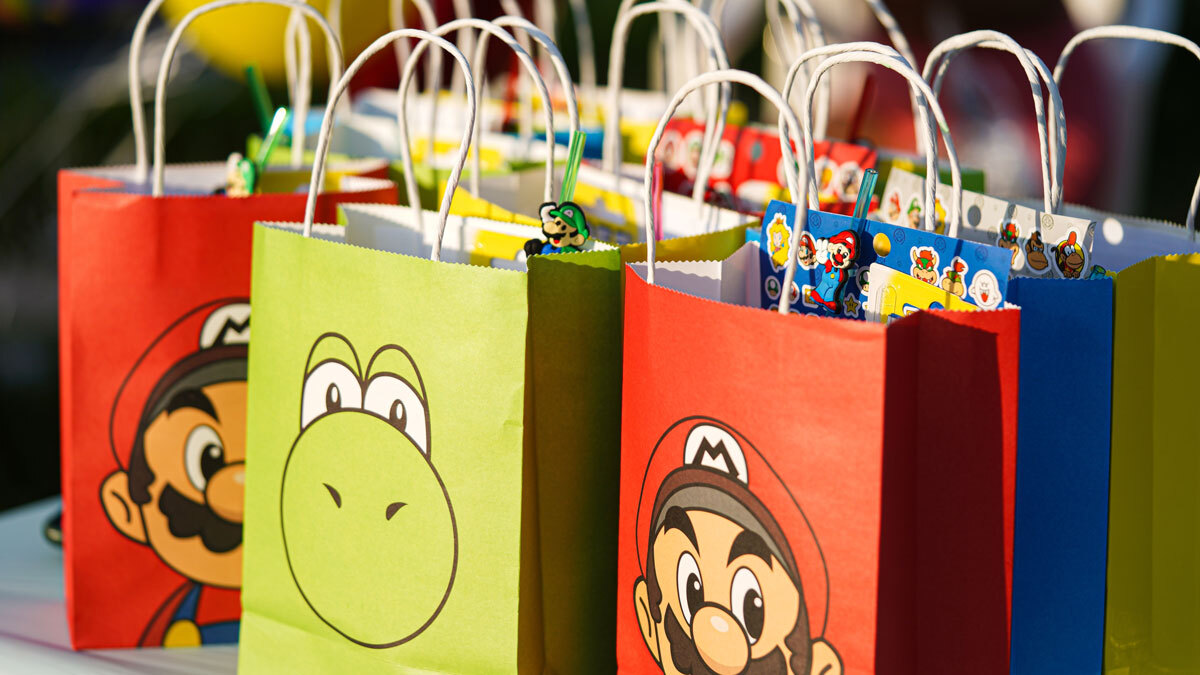
Understanding what a goodie bag is requires looking past the physical items contained within the packaging. At its core, it is a curated experience. In a digital-first world where consumer interactions are increasingly ephemeral, the goodie bag provides a rare opportunity for a brand to occupy physical space in a customer’s life. It is a vehicle for brand storytelling, designed to leave a lasting impression that transcends the duration of an event or a single transaction.
The Evolution of the Goodie Bag: From Party Favors to Brand Touchpoints
The transition of the goodie bag from a simple collection of treats to a professional branding asset reflects a broader shift in marketing philosophy. Modern branding is no longer just about visibility; it is about resonance. As markets become more saturated, companies are turning to experiential marketing to differentiate themselves.
Defining the Modern Corporate Swag Bag
In a professional context, a goodie bag is a collection of curated items gifted to attendees, clients, or employees to reinforce brand recognition and sentiment. Unlike generic promotional products, a modern corporate goodie bag is characterized by intentionality. Every item, from the vessel itself to the smallest sticker, is chosen to communicate a specific message.
The “bag” is no longer strictly a bag. It may be a high-quality tote, a tech-organized backpack, or even a bespoke wooden crate. The contents have shifted from disposable trinkets—think cheap plastic pens and foam stress balls—to high-utility, high-value items like premium tech accessories, sustainable lifestyle goods, and artisanal consumables. This shift is driven by the realization that low-quality gifts can actually damage a brand’s reputation, signaling a lack of care or a “throwaway” culture that modern consumers find distasteful.
The Psychology of Receiving: Why Tangible Branding Works
The effectiveness of a goodie bag is rooted in the psychological principle of reciprocity. When a brand provides something of value for free, it creates a subconscious sense of obligation and gratitude in the recipient. This positive emotional response is then transferred to the brand itself.
Furthermore, physical objects trigger sensory branding. The texture of a premium notebook, the weight of a well-crafted metal pen, or even the scent of a branded candle engages the senses in a way that a digital ad never can. These sensory cues help to anchor the brand in the recipient’s memory. When an individual uses a high-quality item from a goodie bag in their daily life, the brand gains repeated exposure, reinforcing its presence and utility long after the initial interaction.
Strategic Integration: Aligning Goodie Bags with Brand Identity
For a goodie bag to be effective, it must be an integrated part of a larger brand strategy. A misalignment between the gift and the brand identity can lead to confusion and a diluted brand message. If a high-end luxury brand distributes cheap, flimsy plastic items, the perceived value of the brand’s core products may suffer. Conversely, a brand that prides itself on minimalism and efficiency should avoid cluttered, overstuffed bags.
Consistency Across Visual and Tactile Elements
Every element of a goodie bag must adhere to the brand’s visual identity system. This includes the color palette, typography, and logo placement. However, strategic branding goes deeper than just printing a logo on a product. It involves choosing materials that reflect the brand’s ethos.
A tech company focused on innovation might choose sleek, metallic finishes and minimalist designs. A wellness brand might opt for organic cotton, earthy tones, and textured papers. This consistency ensures that the goodie bag feels like an authentic extension of the brand. The “unboxing” experience is also a critical component of this strategy. The way items are layered, wrapped, and presented can elevate the perceived value of the contents, turning a simple gift into a premium experience.
Storytelling Through Curated Contents
The most successful goodie bags tell a story. This is achieved through curation—the art of selecting items that work together to convey a specific theme or message. For example, a brand launching a new productivity software might curate a “Deep Work” kit, including noise-canceling headphones, a designer hourglass for Pomodoro sessions, and a journal for goal setting.
Each item in this kit reinforces the brand’s mission to help users be more productive. This thematic approach makes the gift feel thoughtful and personalized. It demonstrates that the brand understands the needs and lifestyle of its audience, moving the relationship from a vendor-client dynamic to one of partnership and shared values.
Choosing Quality Over Quantity
The era of “junk” swag is over. In brand strategy, the mantra “less is more” has never been more relevant than in the creation of goodie bags. One high-quality, durable item that the recipient will actually use is infinitely more valuable than ten cheap items that will end up in a desk drawer or a landfill.
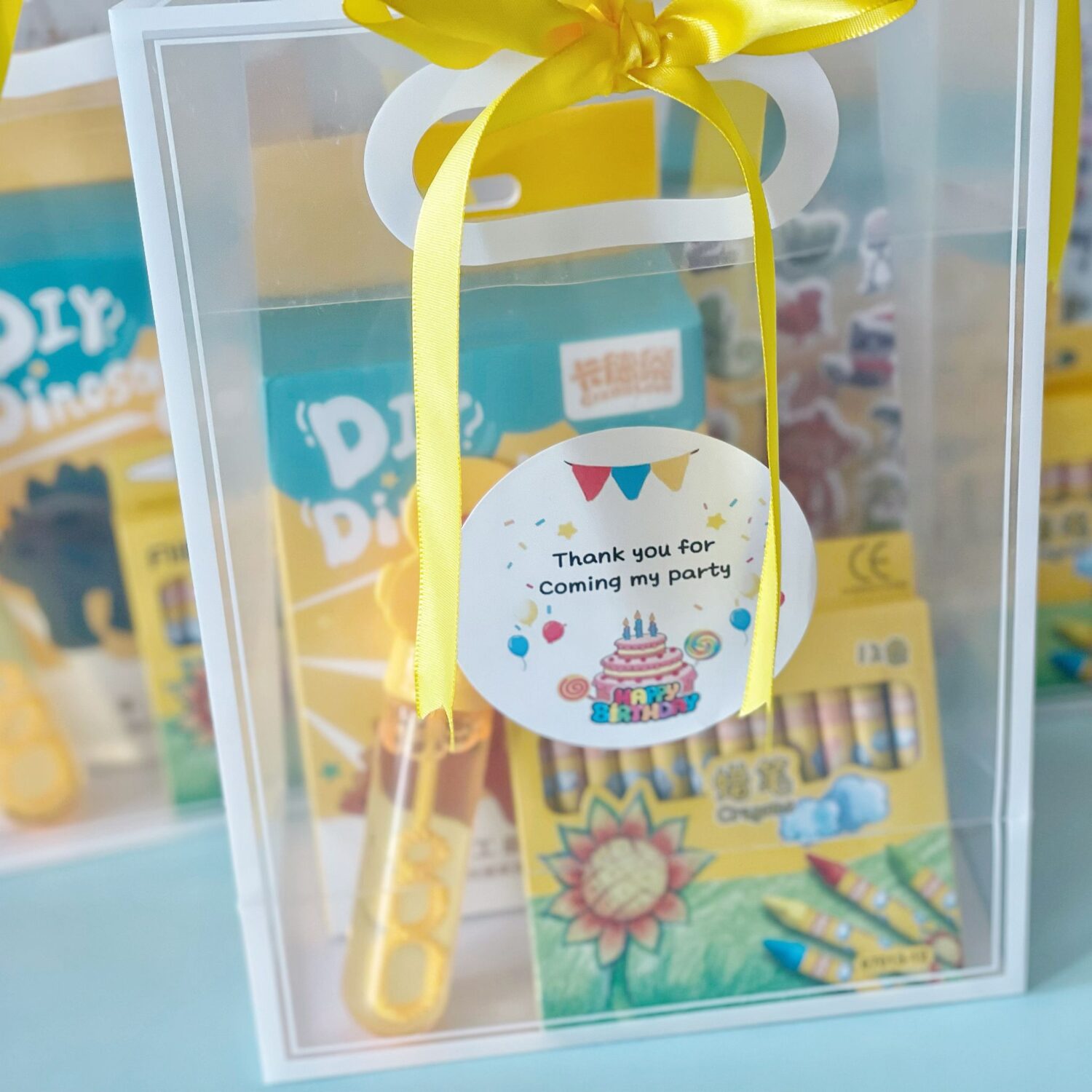
Quality reflects the brand’s standards. A premium gift suggests that the brand does not cut corners and values its relationship with the recipient. High-quality items also have a longer lifespan, meaning the brand’s message stays in front of the consumer for months or even years. This longevity provides a much higher return on investment (ROI) for the marketing budget compared to short-lived, disposable items.
Goodie Bags as a Marketing Catalyst: Driving Engagement and Retention
Beyond the immediate joy of receiving a gift, goodie bags serve as powerful catalysts for various marketing objectives. They are not just rewards; they are tools for amplification, relationship building, and data-driven insights.
User-Generated Content and Social Media Amplification
In the age of social media, the goodie bag is a potent generator of user-generated content (UGC). A visually stunning or unique goodie bag is “Instagrammable.” Recipients, particularly influencers and industry leaders, are likely to share their unboxing experience on platforms like Instagram, LinkedIn, and TikTok.
This provides the brand with organic, authentic exposure to a wider audience. When an influencer showcases a brand’s gift, it acts as a silent endorsement, leveraging the influencer’s credibility to build trust with their followers. To encourage this, many brand strategists include “social-ready” elements in the bag, such as unique backdrops, branded hashtags, or QR codes that lead to interactive digital experiences.
Strengthening B2B Relationships Through Personalized Gifting
In the B2B sector, the goodie bag—or “client appreciation kit”—is a vital tool for account management and retention. Personalized gifting can help humanize a corporate relationship. By including items that cater to a client’s specific interests or needs, a brand demonstrates that it values the individual, not just the contract.
This level of personalization requires research and effort, but the payoff is significant. It builds loyalty and makes the brand more memorable during contract renewals or when the client is considering new services. In a competitive market, these small, tangible gestures of appreciation can be the deciding factor in maintaining a long-term business partnership.
Measuring the ROI of a Physical Brand Experience
While the impact of a goodie bag can be harder to track than a digital ad campaign, it is not impossible. Savvy marketers use several techniques to measure the effectiveness of their physical gifting strategies.
One common method is the inclusion of unique discount codes or QR codes that track conversions directly back to the goodie bag. Another is monitoring social media mentions and sentiment following a distribution event. Additionally, brands can conduct post-event surveys to gauge how the gifts influenced the recipients’ perception of the brand. By analyzing these metrics, companies can refine their curation and distribution strategies to ensure that their “swag spend” is delivering tangible business results.
Sustainable Swag: The Future of Responsible Branding
The future of the goodie bag is inextricably linked with sustainability. As environmental concerns become a primary driver of consumer behavior, brands are being held accountable for the waste they generate. The traditional model of mass-producing cheap plastic giveaways is increasingly viewed as a brand liability rather than an asset.
Moving Away from “Landfill Marketing”
“Landfill marketing” refers to the practice of producing promotional items that have a high probability of being discarded almost immediately. This is not only an environmental issue but also a brand strategy failure. A discarded gift is a discarded brand message.
To combat this, forward-thinking brands are prioritizing “useful” and “durable” over “novel.” They are opting for items made from recycled, biodegradable, or ethically sourced materials. The focus has shifted to items that support a sustainable lifestyle, such as reusable glass water bottles, bamboo office supplies, or tote bags made from ocean-bound plastic. By aligning their goodie bags with environmental values, brands can strengthen their identity as responsible corporate citizens.

Case Studies in Eco-Conscious Brand Kits
Several leading brands have already set the standard for sustainable goodie bags. For instance, some tech conferences have replaced physical bags entirely with “digital goodie bags,” offering high-value software subscriptions, e-books, and online course access to minimize physical waste.
When physical items are necessary, brands are turning to high-end, sustainable partnerships. A brand might partner with a certified B-Corp to provide organic snacks or a social enterprise that employs marginalized communities to hand-craft leather goods. In these cases, the goodie bag does more than promote a brand; it promotes a cause. This “purpose-driven swag” resonates deeply with modern consumers, particularly Gen Z and Millennials, who prefer to support brands that demonstrate a commitment to social and environmental impact.
Ultimately, the goodie bag is a micro-representation of the brand itself. When executed with strategic intent, it is a powerful medium for communication, a driver of loyalty, and a testament to a brand’s commitment to quality and its audience. As the intersection of brand strategy and consumer experience continues to evolve, the goodie bag will remain a vital, albeit increasingly refined, tool in the marketer’s arsenal.
aViewFromTheCave is a participant in the Amazon Services LLC Associates Program, an affiliate advertising program designed to provide a means for sites to earn advertising fees by advertising and linking to Amazon.com. Amazon, the Amazon logo, AmazonSupply, and the AmazonSupply logo are trademarks of Amazon.com, Inc. or its affiliates. As an Amazon Associate we earn affiliate commissions from qualifying purchases.