
The question of “what is a good yearly salary” is a deeply personal one, yet it also touches upon broader economic realities and societal expectations. It’s not a simple figure that can be universally applied, as what constitutes a “good” income is intrinsically linked to a multitude of factors, ranging from individual lifestyle choices and geographic location to career aspirations and family needs. In the realm of personal finance, understanding what constitutes a healthy salary is paramount for achieving financial well-being, enabling long-term planning, and ultimately, living a life with less financial stress and more opportunity. This exploration will delve into the multifaceted nature of a good yearly salary, dissecting the key elements that influence its perception and the practical steps one can take to assess and potentially improve their own financial standing.
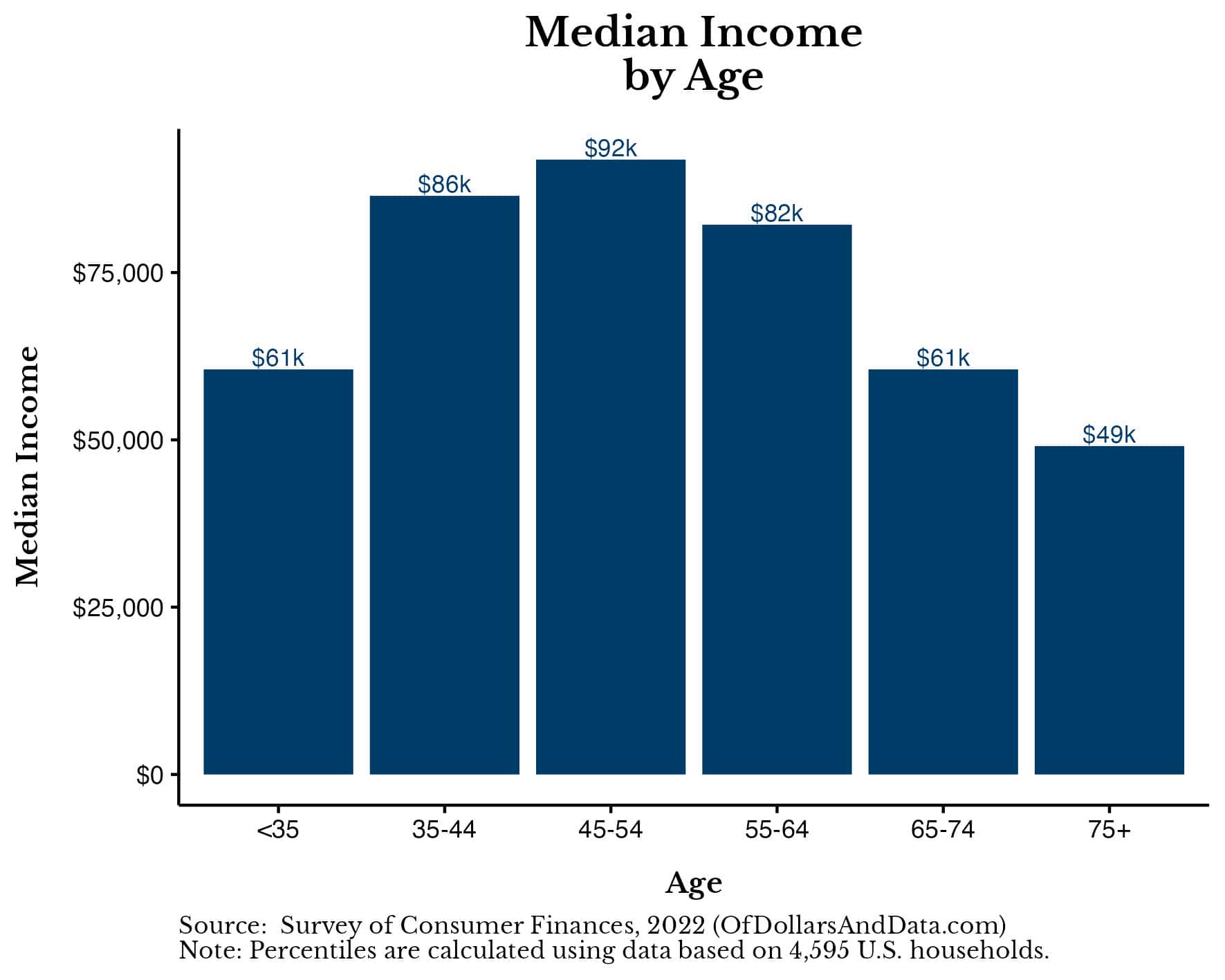
Defining “Good”: Beyond the Raw Number
The initial hurdle in answering “what is a good yearly salary” is recognizing that a number in isolation tells only a partial story. A six-figure salary in a low cost-of-living area might afford a significantly higher quality of life than the same salary in a major metropolitan hub. Therefore, any meaningful discussion must extend beyond just the digits on a paycheck and consider the purchasing power and lifestyle implications of that income.
The Impact of Cost of Living
The most significant external factor dictating the value of a salary is the cost of living in a particular region. Housing, transportation, food, utilities, and healthcare costs can vary dramatically from one city, state, or country to another. For instance, a $70,000 annual salary might be considered excellent in a rural town, allowing for comfortable savings and discretionary spending. However, in a city like San Francisco or New York, the same $70,000 salary might barely cover essential living expenses, making it difficult to save or enjoy any significant disposable income.
To illustrate, consider the concept of a “living wage.” This is the minimum income necessary for a worker to meet their basic needs, including housing, food, taxes, and healthcare. While a living wage ensures survival, a “good” salary typically implies an income that not only covers necessities but also allows for savings, investments, debt repayment, and discretionary spending on things like recreation, travel, and personal development. When evaluating a salary, it’s crucial to research the average costs of major expenses in your specific area. Tools like online cost of living calculators can provide a comparative analysis between different locations, offering a more grounded perspective on salary adequacy.
Lifestyle and Personal Goals
Beyond objective economic factors, what constitutes a “good” salary is also subjective, shaped by individual lifestyle choices and personal goals. Someone who prioritizes frequent travel, dining out, and expensive hobbies will naturally require a higher income than someone who prefers a more frugal lifestyle, enjoys activities that are low-cost or free, and cooks at home regularly. Similarly, individuals with dependents, such as children or aging parents, will have greater financial obligations and thus a higher threshold for what is considered a “good” salary.
Furthermore, long-term financial aspirations play a crucial role. If your goal is early retirement, building substantial wealth through investments, or purchasing a home in a desirable neighborhood, these objectives will necessitate a salary that allows for consistent and significant savings. Conversely, if your primary focus is on enjoying the present moment, accumulating experiences, and you have minimal long-term financial commitments, a more modest salary might suffice. It’s essential to conduct an honest self-assessment of your values, priorities, and future aspirations to determine what financial targets are truly meaningful to you.
The Role of Debt and Savings
A significant portion of a salary can be absorbed by existing debt obligations, such as student loans, credit card balances, or mortgage payments. High debt burdens can severely diminish the disposable income from even a seemingly generous salary, making it challenging to achieve financial freedom. Conversely, a salary might be considered “good” if it allows for not only comfortable living but also aggressive debt repayment and substantial savings contributions.
The ability to save is a critical indicator of a “good” salary. This includes saving for short-term goals (emergency fund, vacation), medium-term goals (down payment for a home, car purchase), and long-term goals (retirement, children’s education). Financial experts often recommend saving a certain percentage of one’s income, typically 15-20% or more for retirement. A salary that facilitates reaching these savings targets without undue strain is a strong contender for being considered “good.” Analyzing your debt-to-income ratio and setting realistic savings goals are vital components of this assessment.
Benchmarking Your Salary: A Practical Approach
While subjective factors are important, there are objective benchmarks and data points that can help in assessing whether a salary is competitive and adequate. These often involve comparing your income to national or local averages, industry standards, and the earnings of peers.
Understanding Salary Averages and Percentiles
National and local salary surveys provide valuable data on the earning potential for various professions and experience levels. Organizations like the Bureau of Labor Statistics (BLS) in the United States, or similar government agencies in other countries, publish extensive data on wages and employment. Additionally, private organizations and job boards often compile salary reports based on their own data. These reports can help you understand where your salary falls within the broader spectrum of incomes for your role and location.

It’s important to look beyond just the average. Consider salary percentiles: the 25th, 50th (median), 75th, and 90th percentiles. Earning in the 75th percentile or higher in your field and location generally indicates a strong salary. Conversely, earning below the 50th percentile might suggest an opportunity to negotiate for higher compensation or explore alternative employment. Websites like Glassdoor, Salary.com, and LinkedIn Salary offer tools to research average salaries for specific job titles in different geographic areas, often broken down by experience level.
Industry Standards and Career Trajectory
Different industries have varying compensation structures. A software engineer in the tech industry may command a significantly higher salary than a social worker with a similar level of experience, even if both roles are essential. Understanding the typical salary ranges within your specific industry and for your particular job function is crucial for benchmarking. Furthermore, a “good” salary should also reflect your career trajectory. Entry-level positions will naturally have lower salaries than mid-career or senior roles. A salary that demonstrates progression and rewards increased responsibility and expertise over time is a hallmark of a well-compensated career.
When assessing your salary within an industry context, consider not only the base pay but also the total compensation package. This can include bonuses, stock options, health insurance benefits, retirement contributions, and paid time off. These non-salary components can significantly increase the overall value of your employment. Researching compensation trends within your industry, networking with professionals, and staying informed about market rates are essential for effective salary benchmarking.
Negotiation and Earning Potential
A “good” salary isn’t always about the initial offer; it’s also about the potential for growth and the ability to negotiate effectively. Even if your starting salary isn’t as high as you’d ideally like, a role with clear pathways for advancement and opportunities for salary increases can still be considered a good long-term prospect. Developing strong negotiation skills is therefore a vital aspect of maximizing your earning potential. This involves understanding your worth, researching market rates, and confidently articulating your value to a potential employer.
Regular performance reviews and proactive discussions with your manager about your compensation are also key. Don’t be afraid to ask for a raise if you believe your contributions and responsibilities warrant it. Similarly, if you’re looking for a new role, be prepared to negotiate your salary beyond the initial offer. A salary that allows for consistent annual increases that outpace inflation, or provides significant jumps with promotions or new positions, is indicative of a strong earning potential.
Achieving and Improving Your Salary
Understanding what constitutes a good salary is only the first step. The next crucial phase involves actively working towards achieving and improving your own financial standing. This can encompass a range of strategies, from skill development and career advancement to smart financial management.
Investing in Skills and Education
Continuous learning and skill development are fundamental to increasing earning potential. In today’s rapidly evolving job market, acquiring new skills or deepening existing expertise can make you a more valuable asset to employers, leading to higher salaries and better job opportunities. This might involve pursuing further education, obtaining professional certifications, attending workshops, or learning new technologies. Identifying skills that are in high demand within your industry or emerging fields can provide a significant competitive advantage.
Consider the return on investment (ROI) of your educational pursuits. A degree or certification that leads to a demonstrably higher earning potential in a desirable field can be a wise investment. Furthermore, developing soft skills such as communication, leadership, problem-solving, and adaptability are equally important and can significantly enhance your career prospects and salary.
Strategic Career Moves and Networking
Sometimes, the most effective way to significantly increase your salary is by making strategic career moves. This might involve seeking promotions within your current company, transitioning to a new role in a different organization, or even changing industries altogether. Each of these moves should be approached with careful consideration of the potential salary implications.
Networking plays a critical role in identifying these opportunities. Building and maintaining professional relationships can provide insights into job openings, offer mentorship, and lead to introductions to key decision-makers. Attending industry events, joining professional organizations, and actively engaging on professional platforms like LinkedIn can expand your network and expose you to a wider range of career possibilities. A strong network can often lead to job offers before they are publicly advertised, giving you an advantage in salary negotiations.

Prudent Financial Management and Budgeting
Even with a “good” salary, poor financial management can undermine your ability to achieve financial security. Effective budgeting, disciplined spending, and strategic saving are essential for making the most of your income. Understanding where your money is going through meticulous tracking and creating a realistic budget allows you to identify areas where you can save and allocate funds towards your financial goals.
Prioritizing savings, especially for retirement and emergencies, is crucial. Automating savings transfers can ensure consistency. Similarly, managing debt effectively by making timely payments and exploring options for debt consolidation or refinancing can free up more of your income. Ultimately, a “good” salary is one that not only meets your current needs but also empowers you to build wealth and achieve long-term financial freedom through disciplined and intelligent financial practices.
aViewFromTheCave is a participant in the Amazon Services LLC Associates Program, an affiliate advertising program designed to provide a means for sites to earn advertising fees by advertising and linking to Amazon.com. Amazon, the Amazon logo, AmazonSupply, and the AmazonSupply logo are trademarks of Amazon.com, Inc. or its affiliates. As an Amazon Associate we earn affiliate commissions from qualifying purchases.