
In the world of culinary arts, the choice of ingredients is paramount, not only for flavor but also for financial prudence. When it comes to white wine for cooking, the question “what is a good white wine for cooking?” takes on a dual meaning, extending beyond mere taste to encompass value, cost-effectiveness, and the overall financial impact on a home budget or a restaurant’s bottom line. This article delves into the monetary considerations behind selecting white wine for your culinary endeavors, offering insights into how to make financially savvy choices without compromising the integrity of your dishes.

The Culinary Budget: Smart Wine Selection for Cost-Effectiveness
Every kitchen, whether professional or domestic, operates within a budget. The notion of a “good” white wine for cooking, from a financial standpoint, is inextricably linked to maximizing value. It’s about finding that sweet spot where quality meets affordability, ensuring that your investment in wine enhances the dish without creating unnecessary expenditure.
Decoding “Good”: Value vs. Price in Cooking Wines
The term “good” is subjective, but in financial terms, it often translates to “good value.” For cooking wines, this means a wine that contributes positively to the flavor profile of a dish without requiring a premium price tag that would be better reserved for drinking. A common misconception is that any cheap wine will suffice for cooking. While it’s true that you shouldn’t use your most expensive vintage, a wine that is truly “bad” to drink will impart undesirable flavors to your food.
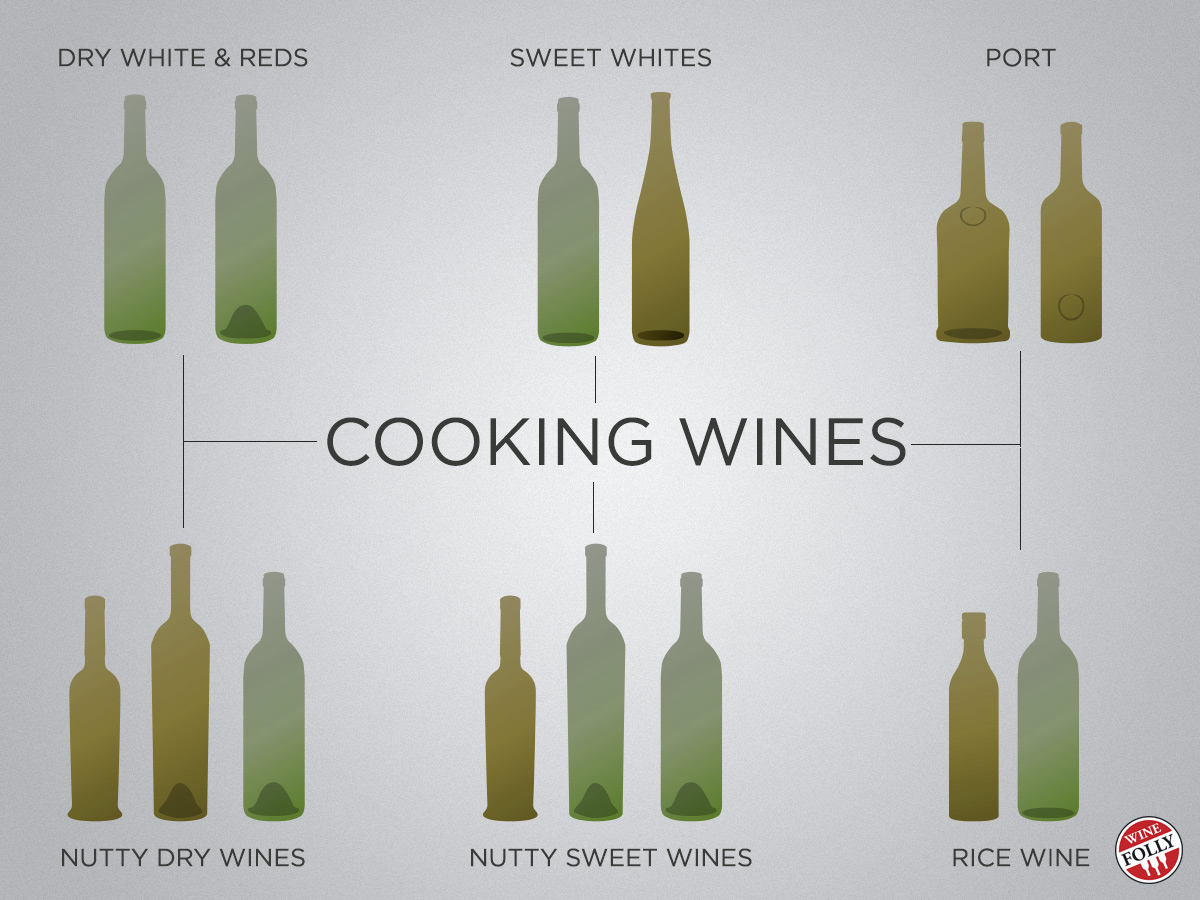
Instead, look for wines that are unoaked, dry, and offer clean, crisp acidity. Varieties like Sauvignon Blanc, Pinot Grigio, Chardonnay (unoaked), or dry Vermouth are often excellent choices. Their vibrant acidity helps to brighten dishes, cut through richness, and deglaze pans effectively. From a financial perspective, these varieties are widely available at accessible price points, making them perfect candidates for the “good value” category.
When assessing value, consider the volume. Buying larger bottles (1.5L magnums) or even boxed wines can often provide a lower cost per ounce, especially if you cook with wine frequently. While some might shy away from boxed wine for drinking, many brands offer perfectly respectable and consistent quality for cooking purposes, and their extended shelf life after opening is an added financial benefit, reducing waste.
Avoiding Expensive Mistakes: When to Splurge and When to Save
Understanding when to allocate more funds to wine for cooking versus when to economize is a critical financial strategy. The general rule of thumb is: if you wouldn’t drink it, don’t cook with it. However, this doesn’t mean every cooking session requires a mid-range bottle.
When to Save:
For most everyday cooking applications—think deglazing a pan, simmering a sauce, or adding a splash to a risotto—a moderately priced, dry white wine (typically in the $7-$12 range for a standard 750ml bottle) is perfectly adequate. These wines offer the necessary acidity and flavor without being so complex or nuanced that their subtleties are lost in the cooking process. Overspending on a highly complex or aged wine for these purposes is a financial mistake, as many of its intricate notes will evaporate or transform during heating. Similarly, avoid “cooking wines” sold specifically for that purpose; these often contain added salt and preservatives that can negatively impact flavor and are rarely a good value.
When to Consider a Modest Splurge:
There are instances where a slightly higher-quality white wine might be a justified investment. If wine is a central, defining flavor of the dish—such as in a classic Coq au Vin Blanc, a rich fish stew, or a delicate reduction sauce where the wine’s character is truly meant to shine—then opting for a bottle in the $15-$20 range might be warranted. In these scenarios, the incremental cost contributes significantly to the final taste and perceived quality of the dish, potentially enhancing the dining experience or the value proposition of a menu item. This is a strategic financial decision where a small increase in cost yields a disproportionately positive impact on the outcome.
Investing in Flavor: Impact on Personal & Business Finance
The choice of cooking wine, while seemingly minor, can have ripple effects on both personal household budgets and the profitability of culinary businesses. A strategic approach considers not just the immediate cost but the broader financial implications of flavor and quality.
Home Cooking Economics: Elevating Dishes Without Breaking the Bank
For the home cook, the economic benefits of smart wine selection are clear. By choosing good-value wines, you can elevate your everyday meals from mundane to memorable without significant financial strain. A well-chosen dry white wine can transform simple chicken breasts, pasta dishes, or vegetable sautés into more sophisticated fare, making home dining a richer experience. This encourages more home cooking, which is inherently more cost-effective than dining out, leading to long-term savings.
Moreover, having a versatile, affordable white cooking wine on hand means you’re always prepared to add depth to a dish, reducing the temptation for impulse takeout orders due to lack of ingredients or inspiration. This indirect financial benefit contributes to overall household budget management and better dietary habits.
Restaurant Profitability: Strategic Wine Choices for Menu Development
In a professional kitchen, the financial stakes are higher. Every ingredient choice impacts food cost percentages, which directly influence profitability. For restaurants, selecting a “good” white wine for cooking involves a careful balance of quality, consistency, and cost-effectiveness.
Optimizing Food Cost: A restaurant chef must identify wines that deliver reliable flavor at a price point that maintains healthy profit margins for dishes featuring wine. This often involves working with suppliers to secure bulk discounts or identifying lesser-known, yet high-quality, regional wines that offer superior value compared to more popular brands.
Menu Versatility: Choosing a versatile dry white wine means one type can be used across multiple dishes, simplifying inventory management and reducing the risk of spoilage of specialized wines. This efficiency directly translates to cost savings.

Perceived Value: The quality of ingredients, including cooking wine, contributes to the overall perception of a restaurant’s food. While diners may not explicitly taste the cooking wine as a distinct ingredient, its contribution to the dish’s complexity and balance enhances the dining experience, justifying menu prices and encouraging repeat business—a significant financial benefit. Investing in a slightly better cooking wine for signature dishes can be a strategic move to reinforce the restaurant’s culinary identity and value proposition.
Beyond the Bottle: Maximizing Value from Wine Purchases
The financial implications of cooking wine extend beyond the initial purchase price. Smart management practices can further enhance value and minimize waste, contributing to greater overall savings.
Bulk Buying and Storage: Long-Term Savings
For both home cooks who frequently use wine and certainly for professional kitchens, bulk buying is a sound financial strategy. Purchasing wine in larger formats (e.g., 3-liter boxes or cases of bottles) often reduces the per-unit cost significantly. However, bulk buying necessitates proper storage. White wines, especially those intended for cooking, should be stored in a cool, dark place to maintain their quality. Once opened, the enemy is oxygen.
For bottled wines, vacuum pumps or inert gas preservers can extend their life by several days or even weeks. Boxed wines, with their vacuum-sealed bladders, inherently offer a longer post-opening shelf life, often lasting for weeks or months without significant degradation, making them an excellent financial choice for consistent use without waste. Freezing leftover wine in ice cube trays is another zero-waste strategy, providing ready-to-use portions for future cooking needs.
Repurposing Leftovers: Culinary and Financial Creativity
Financial prudence often involves creativity in resource utilization. Leftover white wine, even if a small amount, should never go to waste. Beyond freezing, consider other ways to repurpose it to extract maximum value:
-
Vinaigrettes and Marinades: A splash of leftover white wine can form the base of a vibrant vinaigrette or add depth to a marinade for meats and vegetables, enhancing flavor without extra cost.
-
Pan Sauces: Even a small amount of wine can be used to deglaze a pan after cooking, creating a flavorful sauce with minimal effort and no additional ingredient cost.
-
Poaching Liquid: Leftover white wine is excellent as a poaching liquid for fish, chicken, or fruit, imparting subtle flavors.
By treating wine as a valuable ingredient with multiple uses, you eliminate waste and enhance the financial efficiency of your kitchen operations.
Financial Tools and Strategies for Wine Procurement
In today’s interconnected world, leveraging financial tools and strategic approaches can further optimize your white wine procurement for cooking, especially for businesses.
Budgeting Apps for Culinary Expenditures
For home cooks, budgeting apps can be invaluable for tracking all culinary expenses, including wine. By categorizing wine purchases for cooking separately, you gain clear insights into this specific expenditure. This data allows for more informed decisions, helping you identify if you’re consistently overspending or if there are opportunities to save without sacrificing quality. Many general budgeting apps offer customizable categories, making it easy to monitor and manage your “cooking wine budget.”
Professional kitchens can integrate wine purchases into broader inventory management and cost control software. These systems provide real-time data on usage, cost per serving, and supplier pricing, allowing for precise financial planning and immediate adjustments to procurement strategies.
Supplier Relationships and Negotiation Tactics
For restaurants and culinary businesses, establishing strong relationships with wine suppliers is a cornerstone of financial success. Loyal relationships can lead to better pricing, access to exclusive deals, and more flexible payment terms.
Negotiation: Don’t be afraid to negotiate prices, especially when committing to regular, bulk purchases. Inquire about volume discounts, off-season specials, or even options for private-label house wines that meet your quality and price requirements for cooking.
Consignment & Returns: Understand your supplier’s policies on consignment or returns for unopened bottles. While less common for cooking wines due to their intended immediate use, it’s a financial safeguard to be aware of for any wine inventory.
Market Intelligence: Stay informed about wine market trends. Prices for certain varietals can fluctuate based on harvest, demand, and currency exchange rates. Being aware of these dynamics allows you to anticipate price changes and adjust your purchasing strategy accordingly, perhaps stocking up when prices are low or exploring alternative varietals that offer better current value.
In conclusion, the quest for a “good white wine for cooking,” when viewed through a financial lens, transforms into a strategic exercise in value optimization. It’s about making deliberate choices that enhance flavor, manage costs, minimize waste, and ultimately contribute positively to your financial well-being, whether you’re a home cook passionate about economical gourmet meals or a restaurateur meticulously managing profitability. By prioritizing value, leveraging smart procurement, and employing savvy management techniques, you can ensure that your white wine choices for cooking are not just culinarily good, but financially brilliant.
aViewFromTheCave is a participant in the Amazon Services LLC Associates Program, an affiliate advertising program designed to provide a means for sites to earn advertising fees by advertising and linking to Amazon.com. Amazon, the Amazon logo, AmazonSupply, and the AmazonSupply logo are trademarks of Amazon.com, Inc. or its affiliates. As an Amazon Associate we earn affiliate commissions from qualifying purchases.