
The pursuit of financial stability and prosperity is a universal goal, yet the path to achieving it often feels complex and daunting. In an ever-evolving economic landscape, “good” ways to make money are not static; they adapt with technology, market demands, and personal capabilities. This article explores a comprehensive framework for generating income, focusing on strategies that are not only effective but also sustainable and aligned with long-term financial well-being. From foundational financial practices to innovative income streams and strategic investments, understanding these avenues is crucial for anyone looking to enhance their earning potential.

Building a Solid Financial Foundation
Before embarking on any venture to significantly increase income, establishing a robust financial foundation is paramount. Without this bedrock, new earnings can quickly dissipate, leaving individuals no better off.
Budgeting and Expense Management
The cornerstone of financial health is an effective budget. A budget isn’t about restriction; it’s about control and awareness. It involves meticulously tracking income and expenditure to understand where money goes. Tools ranging from simple spreadsheets to sophisticated budgeting apps can categorize spending, identify areas of waste, and allocate funds towards savings or debt reduction. The goal is to ensure that income consistently outweighs expenses, creating a surplus that can be strategically deployed. Regularly reviewing and adjusting your budget is key to its ongoing effectiveness, adapting it to changing financial circumstances and goals.
Emergency Funds and Debt Reduction
A critical component of financial stability is an emergency fund – a dedicated savings account holding three to six months’ worth of living expenses. This fund acts as a financial safety net, protecting against unexpected job loss, medical emergencies, or significant home repairs without derailing long-term financial plans or accumulating high-interest debt. Simultaneously, tackling high-interest debt, such as credit card balances, is crucial. The interest paid on these debts can erode any gains made from increased income. Strategies like the snowball or avalanche method can provide a structured approach to debt repayment, freeing up capital for investment and wealth creation.
Exploring Diverse Income Streams
In today’s economy, relying on a single source of income can be precarious. Diversifying how you make money not only builds resilience but also accelerates financial growth.
The Power of Side Hustles
Side hustles have become a powerful tool for supplementing income, paying off debt, or saving for specific goals. They leverage existing skills or develop new ones, often with flexible hours.
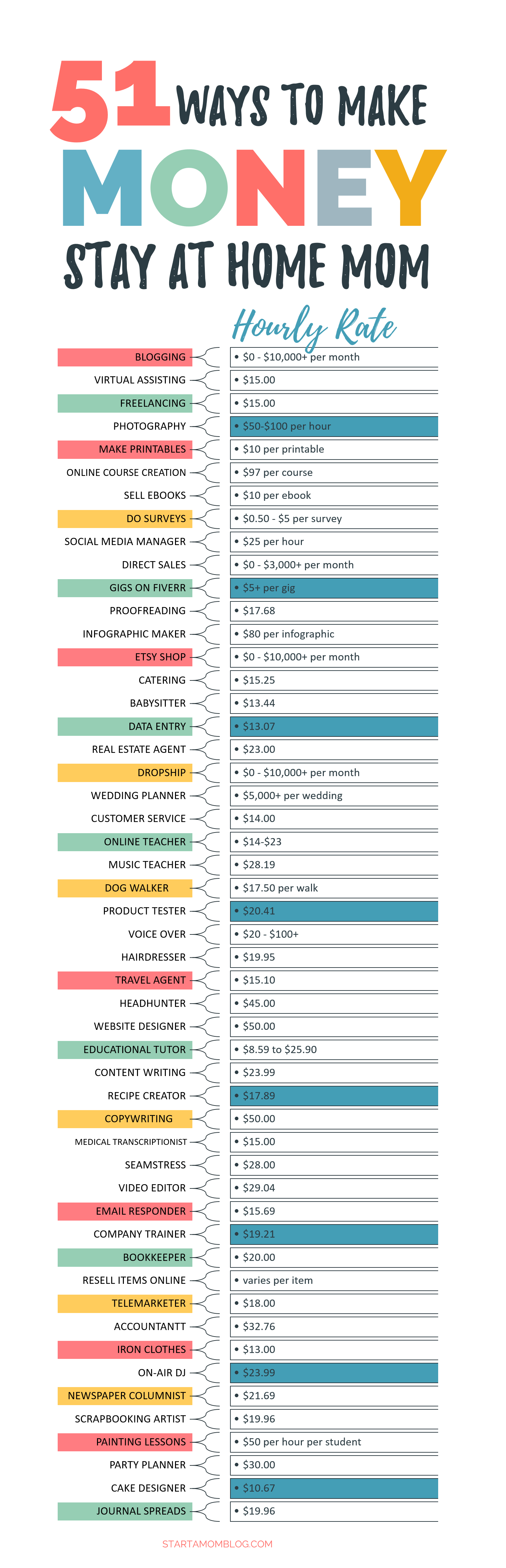
- Freelancing: Offering specialized services on a project basis is a popular and lucrative side hustle. This includes writing (content creation, copywriting), graphic design, web development, digital marketing, virtual assistant services, or even translation. Platforms like Upwork, Fiverr, and LinkedIn ProFinder connect freelancers with clients worldwide.
- Gig Economy: Services like ridesharing (Uber, Lyft), food delivery (DoorDash, Uber Eats), or local task services (TaskRabbit) offer flexible ways to earn money using existing assets like a car or basic handyman skills. While often lower-paying per hour, the flexibility can make them attractive for filling gaps in schedules.
- Online Selling: E-commerce offers numerous avenues. Selling handmade crafts on Etsy, dropshipping products through Shopify, reselling items found at thrift stores or online marketplaces (eBay, Facebook Marketplace), or creating and selling digital products (eBooks, printables, templates) are all viable options. This often requires an initial investment in time and potentially inventory, but the scalability can be significant.
Leveraging Skills and Expertise
Beyond traditional freelancing, specialized knowledge can be monetized in more structured ways.
- Consulting and Coaching: If you possess deep expertise in a particular field – be it business strategy, marketing, fitness, or life coaching – you can offer your insights to individuals or businesses. This often commands higher rates and positions you as an authority.
- Online Courses and Workshops: Packaging your knowledge into an online course (platforms like Teachable, Thinkific, Udemy) or hosting virtual workshops allows for passive income generation once the content is created. This model scales well, as the same content can be sold to many without significant additional effort.
- Content Creation: Building an audience through blogging, YouTube videos, or podcasting can eventually lead to substantial income through advertising revenue, sponsorships, affiliate marketing, or direct product sales. This path requires consistency, patience, and a genuine passion for the chosen niche, but it can evolve into a full-time career.
Strategic Investing for Long-Term Wealth
While active income streams are crucial for immediate financial needs, strategic investing is the engine of long-term wealth accumulation. It’s about making your money work for you.
Understanding Investment Basics
Before diving in, grasp the fundamentals of various investment vehicles.
- Stocks: Representing ownership in a company, stocks offer potential for capital appreciation and dividends. They come with higher risk but also higher potential returns.
- Bonds: Essentially loans to governments or corporations, bonds are generally less volatile than stocks and provide regular interest payments. They offer lower returns but more stability.
- Mutual Funds and ETFs (Exchange-Traded Funds): These are diversified portfolios of stocks, bonds, or other assets managed by professionals. They offer diversification and ease of investment, making them excellent choices for beginners.
- Real Estate: Investing in physical property (residential or commercial) can generate income through rent and capital appreciation. It often requires significant capital and management.
- Retirement Accounts: Vehicles like 401(k)s, IRAs (Individual Retirement Accounts), and Roth IRAs offer tax advantages for long-term savings, making them indispensable for retirement planning. Contributing consistently to these accounts is one of the most effective ways to build wealth over decades.

The Importance of Diversification and Risk Management
Never put all your eggs in one basket. Diversification involves spreading investments across different asset classes, industries, and geographies to mitigate risk. If one investment performs poorly, others may compensate, cushioning the overall portfolio. Understanding your risk tolerance is also vital; younger investors often have a higher tolerance for risk due to a longer time horizon, while those closer to retirement may opt for more conservative strategies. Regular rebalancing of your portfolio ensures it remains aligned with your goals and risk profile.
Emerging Investment Opportunities
Beyond traditional assets, new avenues are emerging. Fractional investing allows individuals to buy small portions of expensive assets like real estate (e.g., REITs – Real Estate Investment Trusts) or even art. Peer-to-peer lending platforms connect borrowers with investors, offering potentially higher returns but also increased risk. Cryptocurrencies, while highly volatile, represent a nascent asset class that some investors include in a highly diversified, speculative portion of their portfolio. Thorough research and understanding the inherent risks are crucial before engaging with any emerging investment.
Entrepreneurship and Business Ventures
For those with a strong vision and a willingness to take calculated risks, starting a business can be one of the most rewarding and lucrative ways to make money.
Identifying Market Gaps and Business Ideas
Entrepreneurship begins with identifying a problem or an unmet need in the market. What frustrations do people have? What services are lacking? What existing products could be improved? Brainstorming and market research are essential steps to validate an idea. Consider your passions, skills, and resources, and how they might intersect with market demand. A compelling business idea should offer unique value and have a clear target audience.
Starting Small and Scaling Up
You don’t need a huge capital injection to start. Many successful businesses began as side projects or lean startups. Test your idea with a Minimum Viable Product (MVP) to gather feedback before investing heavily. This could be a simple website, a small batch of products, or a limited service offering. As you gain traction and prove your concept, you can then strategically reinvest profits to scale operations, expand your product line, or reach new markets. This iterative approach minimizes risk and allows for organic growth.
Building a Sustainable Business Model
A “good” way to make money through entrepreneurship means building a business that is not only profitable but also sustainable. This involves creating a clear value proposition, understanding your cost structure, identifying reliable revenue streams, and developing strong customer relationships. It also requires efficient operations, effective marketing, and a long-term vision for growth and adaptability. Continuously innovating and adapting to market changes are key to ensuring the business remains relevant and competitive.
Financial Tools and Mindset for Success
Achieving financial success isn’t solely about finding income sources; it also involves employing the right tools and cultivating a resilient mindset.
Utilizing Financial Planning Software and Apps
Technology has revolutionized personal finance. Apps like Mint, YNAB (You Need A Budget), or Personal Capital offer comprehensive tools for budgeting, tracking investments, monitoring net worth, and setting financial goals. These platforms provide real-time insights, automate many mundane tasks, and help individuals stay organized and accountable to their financial plans. Automated savings tools, which transfer a set amount to savings or investment accounts regularly, are also highly effective in building wealth passively.
Cultivating a Growth Mindset and Continuous Learning
The financial landscape is constantly evolving. A growth mindset – believing that your abilities and intelligence can be developed through dedication and hard work – is crucial. This translates into a commitment to continuous learning about personal finance, investing, market trends, and new income opportunities. Read books, listen to podcasts, attend webinars, and stay informed. The more financially literate you become, the better equipped you will be to make informed decisions and adapt to new challenges and opportunities.
Seeking Professional Financial Advice
While self-education is vital, there are times when professional guidance can be invaluable. A certified financial planner (CFP) can help develop a personalized financial plan, optimize investment strategies, navigate complex tax situations, and plan for retirement or specific life events. For business owners, an accountant or business consultant can provide expertise on financial management, tax efficiency, and growth strategies. Investing in professional advice can often yield returns far exceeding its cost, ensuring you are on the most optimal path to financial well-being.
Ultimately, a “good” way to make money is multifaceted and deeply personal. It involves a combination of disciplined financial management, diversified income generation, strategic investing, and, for some, entrepreneurial endeavor. By systematically addressing each of these pillars, individuals can forge a robust and resilient financial future, moving beyond merely earning a living to building lasting wealth and achieving true financial freedom.
aViewFromTheCave is a participant in the Amazon Services LLC Associates Program, an affiliate advertising program designed to provide a means for sites to earn advertising fees by advertising and linking to Amazon.com. Amazon, the Amazon logo, AmazonSupply, and the AmazonSupply logo are trademarks of Amazon.com, Inc. or its affiliates. As an Amazon Associate we earn affiliate commissions from qualifying purchases.