
The allure of a pet turtle is undeniable. Their ancient eyes seem to hold a quiet wisdom, and their deliberate movements can be a calming presence in a busy household. However, bringing a turtle into your home is a significant commitment, and choosing the right turtle species is paramount to ensuring both your pet’s well-being and your own long-term enjoyment. This isn’t a decision to be made on a whim or solely based on cuteness. Instead, it requires careful consideration of your lifestyle, living space, and the specific needs of different turtle species. This article will delve into what constitutes a “good” pet turtle, focusing on species that are generally more adaptable, manageable, and suitable for novice and experienced keepers alike, all within the framework of responsible pet ownership.
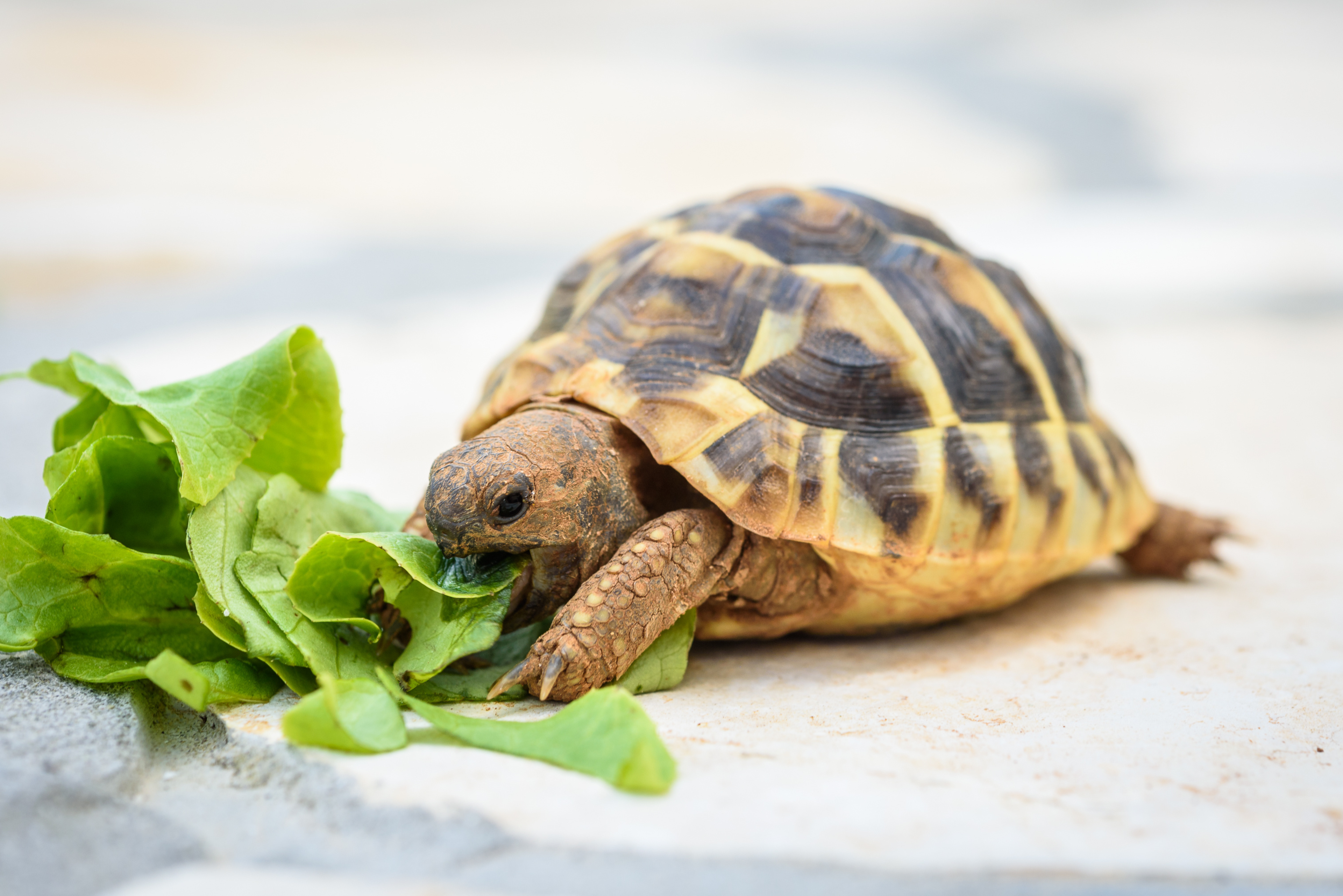
Understanding the Commitment: Beyond the Initial Fascination
Before we explore specific species, it’s crucial to understand the fundamental commitment involved in keeping a turtle. This isn’t akin to adopting a hamster or a goldfish; turtles are long-lived creatures with complex needs.
Lifespan and Space Requirements
One of the most significant factors to consider is lifespan. Many common pet turtle species can live for 20, 30, or even 50 years or more. This means you are potentially committing to a pet for a substantial portion of your life. Are you prepared for this long-term responsibility?
Furthermore, turtles require significant space. Even small species will need a substantial aquatic or terrestrial habitat that can accommodate their adult size, swimming, basking, and exploration needs. This typically translates to a large aquarium or terrarium, which can take up considerable room in your home. Consider the size of the species you are interested in and the corresponding habitat size required. A common mistake is to start with a small tank for a juvenile turtle, only to find it quickly outgrown, leading to an unsuitable living environment.
Dietary Needs and Environmental Control
Turtles have specific dietary requirements that vary by species. Some are omnivores, others herbivores, and some carnivores. Providing a balanced diet is essential for their health and longevity. This often involves a combination of commercial turtle pellets, fresh vegetables, fruits, and sometimes live or frozen protein sources. Researching the exact dietary needs of any potential pet turtle is non-negotiable.
Equally important is environmental control. Turtles are reptiles, meaning they are ectothermic, relying on external heat sources to regulate their body temperature. This necessitates specialized heating and lighting equipment. Aquatic turtles require powerful filtration systems to maintain water quality, as they are often messy inhabitants. Terrestrial turtles need appropriate substrate, humidity levels, and basking areas with specific temperature gradients. Ignorance in these areas can lead to severe health problems, including metabolic bone disease, respiratory infections, and shell rot.
Legal and Ethical Considerations
Before acquiring a turtle, it’s imperative to research local and regional laws regarding the ownership of certain species. Some turtles are protected, endangered, or invasive, and their ownership may be restricted or illegal. Additionally, consider the ethical implications of acquiring a wild-caught animal versus a captive-bred one. Captive-bred turtles are generally healthier, more accustomed to human interaction, and do not contribute to the depletion of wild populations. Reputable breeders and rescues are the ideal sources for new turtle pets.
Recommended Turtle Species for Pet Keeping
Given the above considerations, certain turtle species stand out as more suitable for a broader range of pet owners due to their relative hardiness, manageable size, and adaptability to captive environments.
The Resilient Red-Eared Slider (Trachemys scripta elegans)
The Red-Eared Slider is arguably the most common and widely recognized pet turtle. Their popularity stems from their readily available nature, relatively straightforward care requirements (when compared to some other species), and engaging personalities.
Habitat and Husbandry for Red-Eared Sliders
Red-Eared Sliders are semi-aquatic and require a spacious aquarium, often referred to as a tank. For juveniles, a 20-gallon long tank might suffice temporarily, but as they grow, a 55-gallon or even a 75-gallon tank will become necessary. The tank should be about 75% water and 25% land area. The water depth should be sufficient for swimming, with access to a dry basking area where they can completely haul out of the water.
Essential equipment for a Red-Eared Slider habitat includes a submersible water heater to maintain a water temperature of 75-80°F (24-27°C), a powerful external or internal filter to handle the waste produced by these messy turtles, and a basking lamp that provides both heat and UVB light. The basking spot should reach temperatures of around 85-90°F (29-32°C). UVB lighting is crucial for vitamin D3 synthesis, which is essential for calcium absorption and preventing metabolic bone disease. A timer for the lights is recommended to simulate a natural day-night cycle.
Diet and Socialization for Red-Eared Sliders
Red-Eared Sliders are omnivores and their diet should reflect this. Young sliders tend to eat more protein, with commercial turtle pellets forming a staple. As they mature, their diet should shift to include more leafy greens like romaine lettuce, dandelion greens, and aquatic plants. Occasional treats like small fish, earthworms, or crickets can be offered. Avoid feeding iceberg lettuce, as it has little nutritional value.
While individual personalities can vary, Red-Eared Sliders can become quite accustomed to their owners. They may greet you at the front of the tank when they see you coming, especially around feeding time. However, it’s important to remember they are not cuddly pets. Handling should be kept to a minimum, primarily for cleaning or health checks, as excessive handling can cause stress. Always wash your hands thoroughly after handling any turtle, as they can carry Salmonella.
The Hardy Eastern Box Turtle (Terrapene carolina carolina)
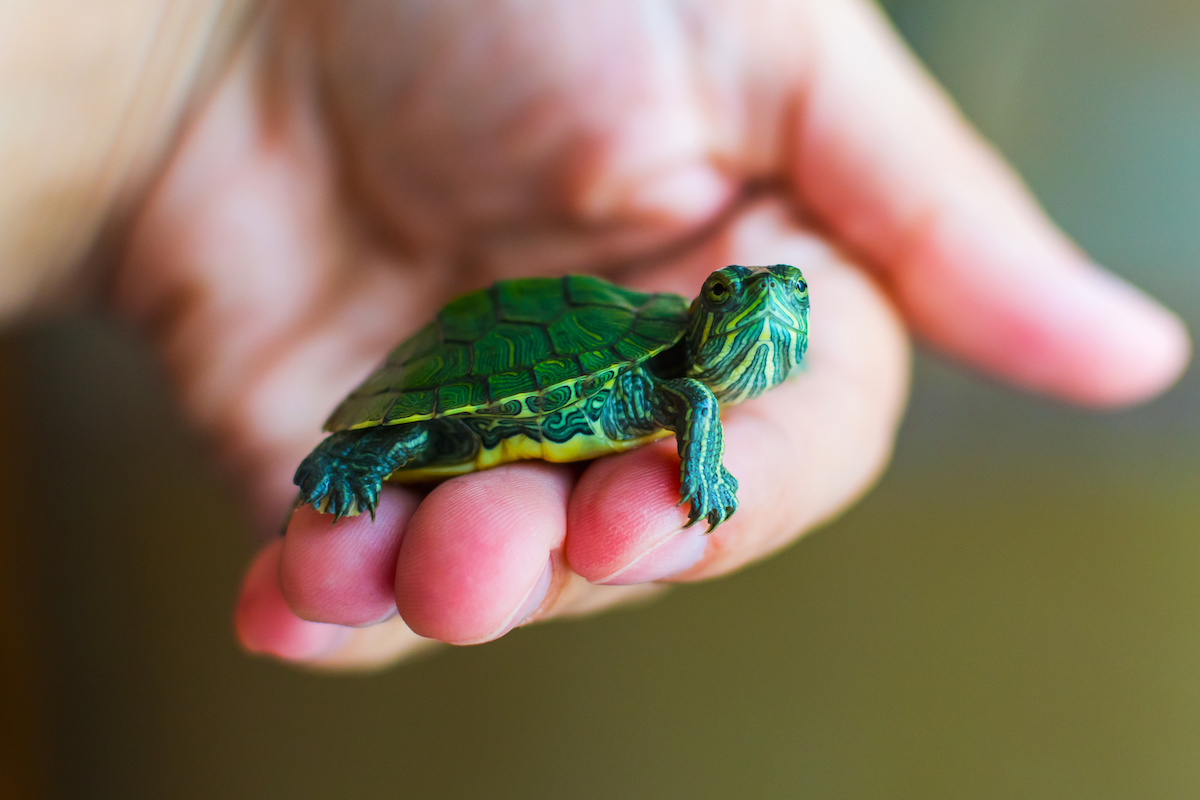
For those interested in a terrestrial turtle, the Eastern Box Turtle offers a charming and manageable option, provided their specific needs are met. These turtles are native to the eastern United States and are known for their ability to close their shell tightly when threatened.
Terrestrial Habitat for Eastern Box Turtles
Unlike their aquatic cousins, Eastern Box Turtles thrive in a terrestrial environment. A large terrarium or a secure outdoor enclosure (weather permitting and predator-proof) is ideal. For an indoor setup, a minimum of a 40-gallon breeder tank or a custom-built enclosure is recommended, with plenty of floor space for exploration.
The substrate should be a mixture that holds humidity well, such as cypress mulch, coco coir, and peat moss. This should be several inches deep to allow for burrowing. A shallow water dish that the turtle can easily climb in and out of should be provided for drinking and soaking. Humidity levels should be maintained between 60-80%, which can be achieved through misting and appropriate substrate.
Heating, Lighting, and Diet for Eastern Box Turtles
Eastern Box Turtles also require a temperature gradient. Basking areas should reach 85-90°F (29-32°C), while cooler areas can be in the mid-70s°F (around 24°C). UVB lighting is also essential for their calcium metabolism, similar to aquatic turtles. A timer should be used to regulate the light cycle, typically 10-12 hours per day.
Their diet is primarily omnivorous with a strong emphasis on protein. A balanced diet consists of earthworms, slugs, snails, crickets, mealworms, and a variety of dark leafy greens, berries, and some fruits. Avoid feeding them processed foods, citrus fruits, or large amounts of high-oxalate greens like spinach. They will also graze on insects found in their natural habitat, so supplementing their diet with insectivores is beneficial. Like aquatic turtles, they should not be handled excessively and handwashing after interaction is crucial.
The Adaptable Painted Turtle (Chrysemys picta)
The Painted Turtle is another excellent choice for a semi-aquatic pet, known for its beautiful coloration and generally docile temperament. They are native to North America and are quite hardy in captivity.
Aquatic Setup for Painted Turtles
Painted Turtles require similar aquatic setups to Red-Eared Sliders. A spacious aquarium with a water-to-land ratio is necessary. For a single adult Painted Turtle, a 55-gallon aquarium is a good starting point, with larger tanks being preferable for more space. Water filtration is paramount, as they are active swimmers and can contribute to waste.
The water temperature should be maintained between 70-75°F (21-24°C), slightly cooler than Red-Eared Sliders. A basking area with a temperature of 80-85°F (27-29°C) and appropriate UVB lighting are crucial. They enjoy climbing and basking, so a well-designed basking platform that allows them to get completely out of the water is important.
Diet and Temperament of Painted Turtles
Painted Turtles are omnivores. Their diet should consist of commercial turtle pellets, supplemented with leafy greens, aquatic plants, and occasional protein sources like earthworms, crickets, or small fish. As they mature, their diet may shift to be more herbivorous.
Painted Turtles are generally more placid than Red-Eared Sliders and are less likely to bite. While they can become accustomed to their keepers, they are not typically considered highly interactive pets. Their primary appeal lies in observing their natural behaviors in a well-maintained habitat. As with all reptiles, proper hygiene practices are essential after handling.
Considerations for Responsible Turtle Ownership
Beyond selecting a suitable species, responsible ownership involves a proactive approach to your turtle’s health and well-being.
The Importance of Research and Preparation
Before you even bring a turtle home, dedicate significant time to thorough research. Understand the specific needs of the species you are considering in terms of habitat, diet, temperature, humidity, and potential health issues. This research should extend to understanding the costs associated with setting up and maintaining a proper habitat, including the initial investment in tanks, filters, heaters, lighting, and ongoing expenses for food and electricity.
It is also wise to locate a reptile veterinarian in your area before you get your turtle. Reptile care can be specialized, and finding a vet experienced with turtles is crucial for any potential health concerns that may arise.
Long-Term Commitment and Ethical Sourcing
Remember that a turtle is a long-term commitment. Their lifespan means they can outlive many other common pets. Be sure you are prepared for the dedication required over potentially decades. This includes financial commitment for food, electricity, and potential veterinary care, as well as the time commitment for daily checks, feeding, and weekly tank maintenance.
When acquiring a turtle, prioritize captive-bred individuals from reputable breeders or rescue organizations. Avoid purchasing from pet stores that may source their animals from irresponsible breeders or engage in illegal wild-caught practices. Captive-bred turtles are generally healthier, more socialized, and contribute to a more sustainable pet trade.

Recognizing Signs of Illness and Proactive Care
Observing your turtle daily will help you recognize any changes in behavior, appetite, or appearance that might indicate illness. Signs of common turtle ailments include lethargy, loss of appetite, swollen eyes, difficulty breathing, shell rot (discoloration or soft spots on the shell), and abnormal feces. Prompt veterinary attention is crucial if you suspect your turtle is unwell.
Regularly monitoring and maintaining the quality of your turtle’s environment is the best form of preventative care. This includes ensuring proper water parameters for aquatic species, maintaining correct temperature gradients and humidity levels for all turtles, and providing a balanced diet. By understanding and fulfilling these fundamental needs, you can help ensure your pet turtle lives a long, healthy, and fulfilling life, bringing you years of quiet fascination and enjoyment.
aViewFromTheCave is a participant in the Amazon Services LLC Associates Program, an affiliate advertising program designed to provide a means for sites to earn advertising fees by advertising and linking to Amazon.com. Amazon, the Amazon logo, AmazonSupply, and the AmazonSupply logo are trademarks of Amazon.com, Inc. or its affiliates. As an Amazon Associate we earn affiliate commissions from qualifying purchases.