
Identifying a “good” small business to open is fundamentally about discovering opportunities that offer strong financial viability, sustainable income streams, and manageable startup costs. The most successful ventures often align with market demand while offering unique value, all built upon a solid financial foundation. This exploration delves into business models and strategies that prioritize profitability, scalability, and robust financial management, positioning aspiring entrepreneurs for monetary success.
Identifying High-Potential Niches for Financial Growth
The landscape of small business is vast, but certain niches consistently demonstrate higher potential for financial growth due to evolving consumer needs, technological advancements, and low barriers to entry. Focusing on these areas allows entrepreneurs to capitalize on established demand while innovating for competitive advantage.
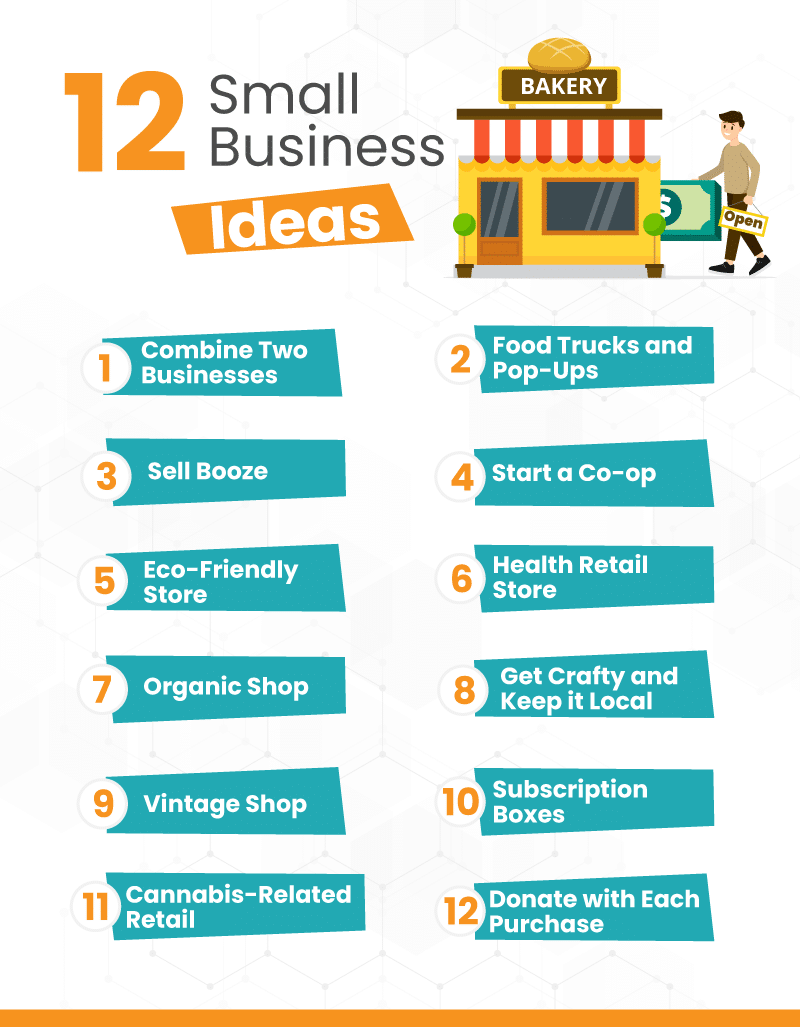
Services with Low Overhead and Strong Demand
Service-based businesses often present an attractive option due to their typically lower startup costs and direct correlation between effort and income. They thrive on addressing specific needs within a local community or a specialized market.
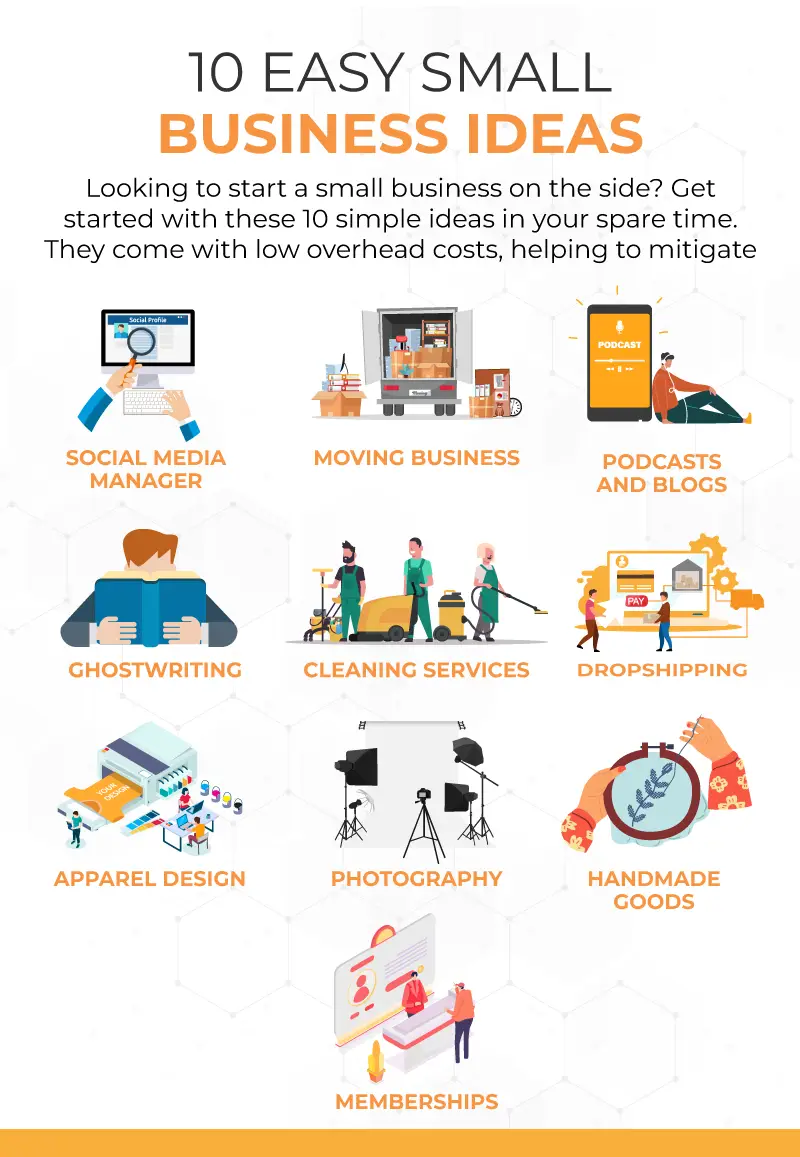
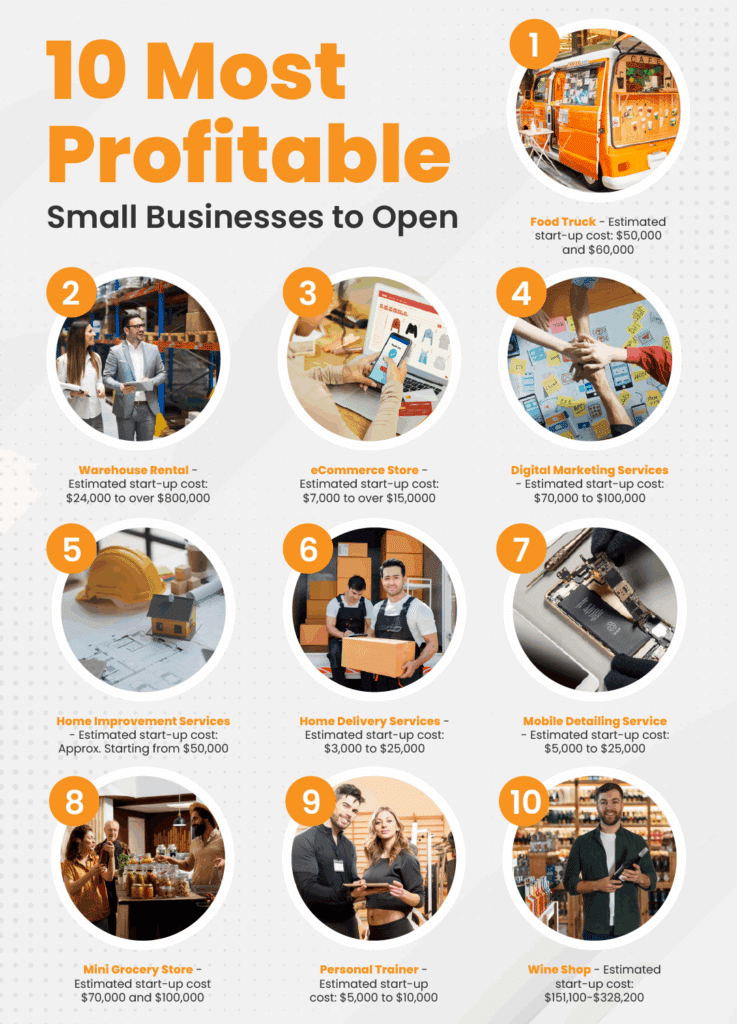
- Specialized Cleaning Services: Beyond general household cleaning, niche services like eco-friendly cleaning, post-construction cleanup, or specialized vehicle detailing (e.g., mobile car detailing for busy professionals) command higher prices and foster loyal client bases. The initial investment primarily involves supplies and marketing, with labor being the main ongoing cost. Profitability is driven by efficient scheduling, quality service, and effective pricing per project or hourly rate.
- Personal Assistance and Errand Services: As time becomes an increasingly valuable commodity, businesses offering personal shopping, elder care assistance, pet sitting, or administrative support cater to busy individuals and small businesses. These services often operate on flexible schedules, minimizing fixed overheads. Income is generated through hourly rates or package deals, with potential for recurring revenue from retainer clients.
- Mobile Repair Services: Repairing electronics, small appliances, or even bicycles on-site offers convenience that customers are willing to pay a premium for. Startup costs are limited to tools, transportation, and initial marketing. Profit margins can be excellent, particularly when specializing in common repairs with high parts markups or efficient diagnostic services.
Digital Products and Online Education
The digital realm offers unparalleled opportunities for scalability and high-profit margins, as the cost of producing additional units is often negligible once the initial product is created. This makes digital offerings highly attractive for maximizing online income.
- Online Courses and Workshops: Experts in virtually any field can package their knowledge into online courses or conduct live virtual workshops. Platforms like Teachable, Thinkific, or Kajabi simplify the creation and delivery process. Once developed, a course can be sold repeatedly with minimal additional effort, generating passive income. Revenue is directly tied to marketing effectiveness and the value perceived by the target audience.
- Digital Templates and Resources: Designers, marketers, and business strategists can create and sell templates for websites, social media, business plans, financial spreadsheets, or presentation decks. Marketplaces like Etsy, Creative Market, or dedicated e-commerce sites facilitate sales. These products have zero physical inventory costs and high-profit margins.
- E-books and Guides: Authors and subject matter experts can self-publish e-books or comprehensive guides on niche topics. With platforms like Amazon Kindle Direct Publishing, distribution is global, and royalties can provide a steady stream of passive income. Success depends on selecting a profitable niche and effective promotion.
Niche E-commerce and Dropshipping
E-commerce continues to be a powerful avenue for small businesses, especially when focusing on niche markets or employing models that minimize inventory risk.
- Curated Niche Products: Instead of competing with large retailers on general goods, focus on a specific, underserved market. Examples include sustainable pet products, adaptive clothing, unique artisanal home decor, or specialized tools for hobbyists. This allows for higher profit margins and dedicated customer bases. Success hinges on sourcing quality products, effective digital marketing, and managing customer relationships.
- Dropshipping: This model allows entrepreneurs to sell products without holding any inventory. When a customer places an order, the supplier ships the product directly. This significantly reduces startup capital and inventory risk. While profit margins per item might be lower than traditional retail, the volume potential and low overhead make it an attractive online income stream. The key is identifying trending products, reliable suppliers, and efficient advertising.
Leveraging Online Platforms for Maximized Income and Reach
The internet offers a vast ecosystem of platforms that can dramatically reduce the barrier to entry for many small businesses, enabling wide reach and efficient income generation.
Freelance and Consulting Services
Monetizing specialized skills through freelance work or consulting is a direct path to online income, often with minimal startup costs.
- Content Creation and Marketing: Businesses constantly need high-quality content (articles, blog posts, social media updates, video scripts) and effective marketing strategies. Freelance writers, SEO specialists, social media managers, and digital advertisers can command strong hourly rates or project fees. Platforms like Upwork, Fiverr, or LinkedIn are excellent for finding initial clients and building a portfolio for consistent income.
- Virtual Assistant Services: As businesses globalize and remote work becomes standard, demand for virtual administrative, technical, or creative assistance is soaring. VAs can handle tasks from email management and scheduling to graphic design and website maintenance. This service model allows for flexible work arrangements and scalable income based on client volume and specialized skills.
- IT and Technical Support: For those with IT expertise, offering remote technical support, software setup, or cybersecurity consulting for small businesses or individuals can be highly lucrative. The service can be delivered entirely online, expanding the client base beyond geographical limitations.
Subscription-Based Models
Subscription models are a cornerstone of financial predictability, providing recurring revenue streams that stabilize cash flow and facilitate long-term financial planning.
- Curated Subscription Boxes: From gourmet coffee and artisanal snacks to beauty products and pet toys, subscription boxes deliver curated experiences directly to consumers. The challenge lies in product sourcing and logistics, but the recurring revenue model ensures consistent income month after month. Profitability depends on managing supplier costs, shipping expenses, and customer churn.
- Digital Membership Sites: Offering exclusive content, tools, or community access through a paid membership model creates a reliable income stream. This could be a professional development hub, a niche hobbyist community, or a repository of premium resources. The value proposition must be strong enough to justify ongoing fees, ensuring financial longevity.
Essential Financial Strategies for Sustainable Business Success
Regardless of the business idea, financial acumen is the bedrock of small business success. Strategic planning around costs, pricing, and cash flow is crucial for turning a good idea into a profitable venture.
Capitalizing on Low Startup Costs
Minimizing initial investment reduces financial risk and allows entrepreneurs to achieve profitability faster.
- Bootstrap Whenever Possible: Instead of seeking external funding initially, use personal savings, reinvest early profits, or start with minimal equipment. This fosters financial discipline and ensures every dollar spent contributes directly to revenue generation.
- Leverage Existing Assets and Skills: Utilize personal skills, existing networks, or equipment you already own to launch. For instance, a graphic designer needs only a computer and software; a personal trainer might start with a home gym or by offering outdoor sessions.
- Start Lean and Scale Gradually: Begin with a minimal viable product (MVP) or service offering. This allows you to test the market, gather feedback, and refine your approach without committing significant capital, gradually expanding as revenue allows.
Effective Pricing and Profit Margin Management
Pricing strategies directly impact revenue and profitability, making it one of the most critical financial decisions for any small business.
- Value-Based Pricing: Price your products or services based on the perceived value to the customer, rather than just cost-plus pricing. For specialized services or unique products, customers are often willing to pay more for convenience, quality, or a solution to a specific problem.
- Understand Your Cost of Goods Sold (COGS) and Operating Expenses: Meticulously track all costs associated with producing your product or delivering your service. This includes direct materials, labor, and overhead. A clear understanding of COGS allows for accurate profit margin calculations and informed pricing adjustments.
- Analyze Competitor Pricing: While not solely dictating your own prices, understanding what competitors charge provides valuable market context. Identify opportunities to differentiate through service, quality, or unique features to justify different pricing structures.
Managing Cash Flow and Financial Forecasting
Healthy cash flow is the lifeblood of any business, ensuring operational continuity and the ability to invest in growth.
- Strict Expense Tracking and Budgeting: Implement robust systems for tracking every penny earned and spent. A detailed budget prevents overspending and highlights areas for cost optimization. Financial software (e.g., QuickBooks, Xero) can automate much of this process.
- Regular Financial Reviews and Forecasting: Periodically review financial statements (profit and loss, balance sheet, cash flow statement) to assess performance. Create financial forecasts to anticipate future revenue and expenses, allowing for proactive adjustments to strategy and operations. This helps avoid liquidity crises and identifies opportunities for strategic investment.
- Establish a Cash Reserve: Build a financial cushion equivalent to several months of operating expenses. This reserve provides stability during lean periods, unexpected expenses, or market downturns, safeguarding the business’s long-term financial health.
Scaling for Increased Revenue
Once a business model proves profitable, the next financial goal is often sustainable growth and increased revenue.
- Automate and Delegate: Invest in tools and processes that automate repetitive tasks, freeing up time to focus on strategic growth initiatives. As revenue grows, consider hiring support (freelancers or employees) to delegate tasks, allowing for increased capacity and specialized expertise.
- Diversify Revenue Streams: While focusing on a niche is good for starting, consider complementary products or services that can be offered to your existing customer base. For example, a virtual assistant might offer specialized workshops; an e-commerce store might introduce a subscription box.
- Strategic Marketing Investment: Reinvest a portion of profits into targeted marketing and advertising campaigns to reach new customers and expand market share. Data-driven marketing decisions ensure that every dollar spent on promotion yields a positive return on investment.
Opening a “good” small business is about more than just a great idea; it’s about building a financially sound enterprise that can generate consistent income, withstand challenges, and scale for future prosperity. By focusing on high-potential niches, leveraging online platforms effectively, and adhering to robust financial strategies, entrepreneurs can significantly increase their chances of long-term success.
aViewFromTheCave is a participant in the Amazon Services LLC Associates Program, an affiliate advertising program designed to provide a means for sites to earn advertising fees by advertising and linking to Amazon.com. Amazon, the Amazon logo, AmazonSupply, and the AmazonSupply logo are trademarks of Amazon.com, Inc. or its affiliates. As an Amazon Associate we earn affiliate commissions from qualifying purchases.