
The seemingly simple question, “what is a good pH in urine?”, unlocks a world of insights into our internal health. Urine pH, a measure of its acidity or alkalinity, is a dynamic biomarker influenced by diet, hydration, metabolism, and even stress. Historically, monitoring this metric involved basic litmus tests or clinical lab work. Today, however, technology is revolutionizing how we understand, track, and act upon this vital data point, transforming it from a static measurement into an actionable component of personalized health management. From smart devices and mobile applications to artificial intelligence, the digital age offers unprecedented capabilities to monitor urinary health, making the concept of a “good pH” more individualized and proactive than ever before.
The Digital Revolution in Personal Health Monitoring
The advent of accessible technology has dramatically shifted the paradigm of health monitoring from reactive, clinical interventions to proactive, continuous personal oversight. In the realm of urinary health, this means moving beyond occasional doctor’s visits to a daily, data-driven understanding of one’s physiological state.
Beyond Traditional Lab Tests: Wearables and Smart Devices
The era of wearables has extended its reach into analyzing bodily fluids, including urine. Gone are the days when a urine sample meant a trip to the lab and a waiting period for results. Modern smart devices are bringing sophisticated urinalysis capabilities directly into homes. These innovations range from enhanced test strips that sync with smartphone apps to advanced, integrated toilet systems capable of performing a comprehensive analysis with each use.
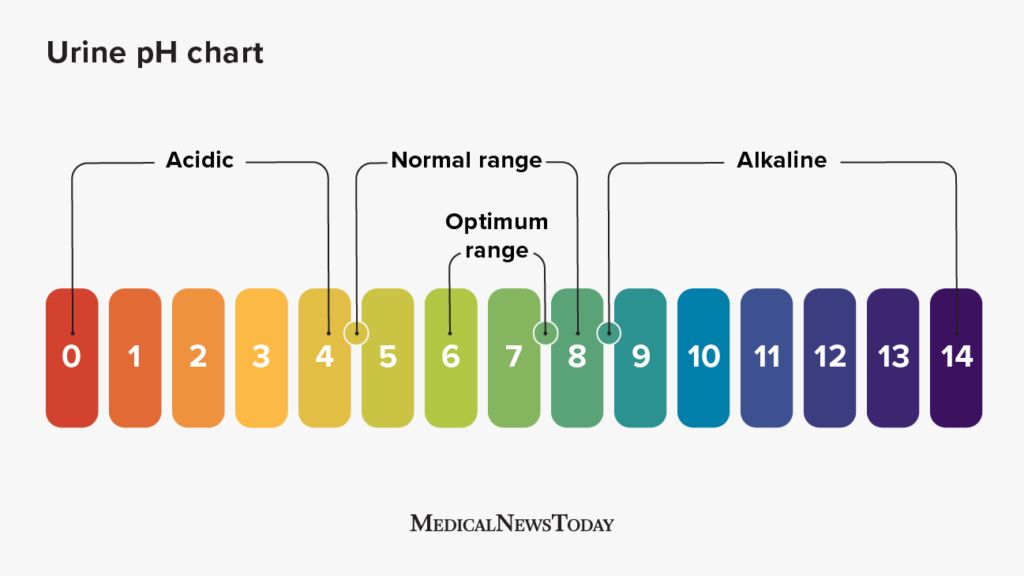
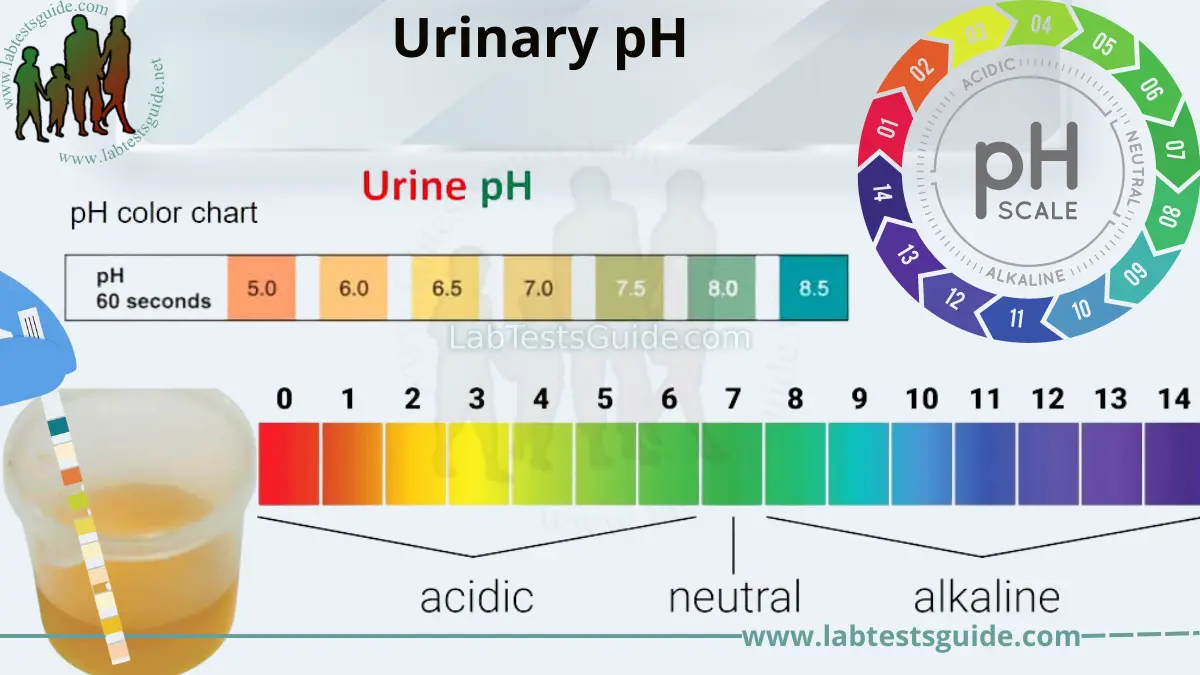
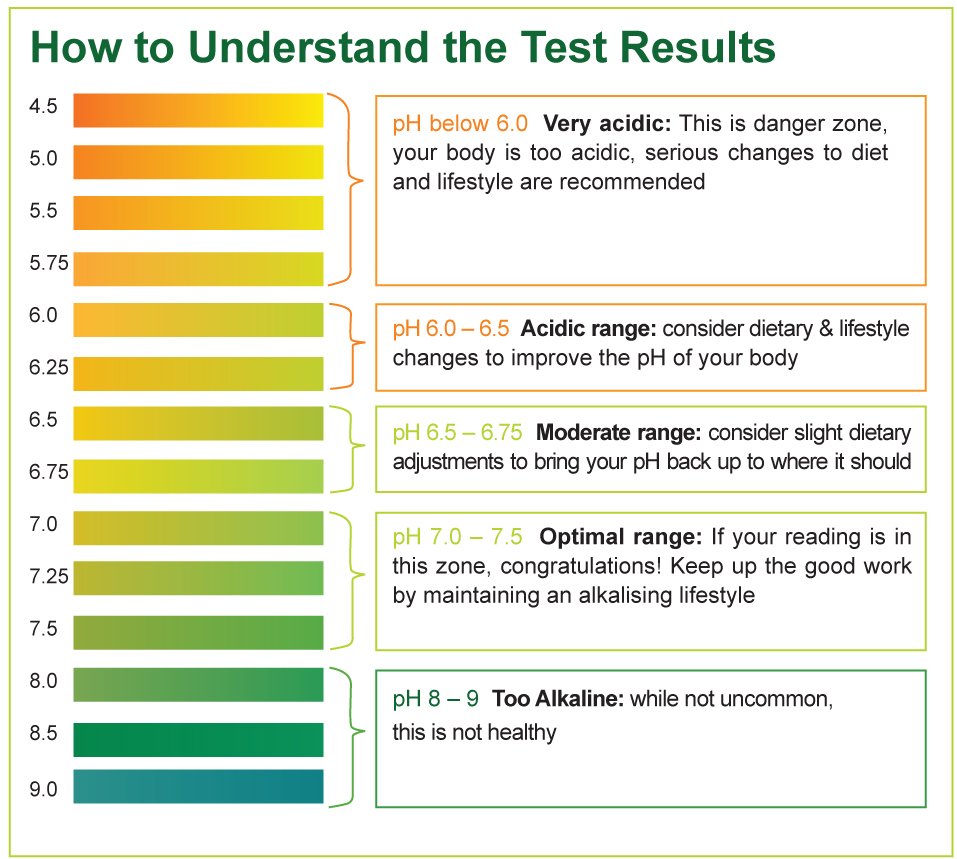
These gadgets typically employ optical sensors or chemical reagents that react to specific analytes, including pH. The key technological leap is their ability to digitally capture, interpret, and transmit this data. Instead of manually comparing a strip against a color chart, a smartphone camera or an embedded sensor in a smart toilet precisely reads the results. This eliminates human error in interpretation and provides immediate, objective feedback. For pH specifically, these devices can accurately measure the degree of acidity or alkalinity (typically on a scale of 4.5 to 8.0), providing instant data points that contribute to a continuous health profile. This shift from manual to automated pH tracking democratizes access to crucial health information, empowering individuals to take a more active role in their well-being.
Unpacking the Data: Software and Mobile Applications for pH Tracking
The true power of these smart devices lies in their accompanying software and mobile applications. These aren’t just data repositories; they are sophisticated platforms designed to log, visualize, and contextualize pH readings alongside other health metrics. A dedicated urine pH tracking app allows users to:
- Log and Trend Data: Automatically import pH readings from smart devices or allow for manual entry, creating a chronological log of results. This enables the visualization of pH trends over time, highlighting fluctuations that might otherwise go unnoticed.
- Visualize Patterns: Convert raw data into intuitive charts and graphs, making it easy to identify daily, weekly, or monthly patterns in urine pH. Users can quickly see if their pH is consistently high, low, or fluctuating widely.
- Contextualize Information: Many apps allow users to input related data such as diet (e.g., intake of acidic or alkaline foods), hydration levels, medication use, and exercise. This contextual information helps users and potentially healthcare providers understand why pH levels might be changing. For example, a temporary dip in pH after a heavy protein meal or an increase after consuming alkaline water can be observed and understood within a broader lifestyle context.
- Provide Educational Resources: Apps often include educational content explaining the significance of urine pH, what various readings might indicate, and lifestyle adjustments that can help maintain a healthy balance.
- Integrate with Broader Health Platforms: The most advanced apps can integrate with holistic health platforms or electronic health records (EHRs), allowing pH data to contribute to a comprehensive digital health profile that includes activity levels, sleep patterns, heart rate, and more. This integrated view is crucial for identifying systemic health patterns.
These software tools transform isolated pH readings into a dynamic narrative of personal health, making the concept of “what is a good pH in urine” a personalized and data-driven journey rather than a generic benchmark.
AI and Advanced Analytics: Interpreting Urine pH for Proactive Health
Beyond simply collecting and visualizing data, artificial intelligence (AI) and advanced analytics are taking urine pH monitoring to an unprecedented level of insight. These technologies are turning raw data into actionable intelligence, enabling predictive health management and personalized interventions.
Predictive Insights from pH Data
AI algorithms are specifically designed to identify patterns and correlations that might be imperceptible to the human eye. When applied to urine pH data, especially when integrated with other health metrics, AI can offer predictive insights into potential health conditions.
For instance:
- Early Warning Systems: Consistent deviations from an individual’s normal pH range, when analyzed by AI alongside hydration levels, dietary intake, and reported symptoms, can serve as early indicators for conditions like kidney stones, urinary tract infections (UTIs), or certain metabolic imbalances. AI models can learn an individual’s baseline and flag significant, persistent shifts that warrant further attention.
- Personalized Recommendations: Based on an individual’s unique pH trends and lifestyle data, AI can generate personalized recommendations. If a user consistently shows a highly acidic urine pH, the AI might suggest increasing intake of alkaline-rich foods or specific hydration strategies, tailored to that user’s dietary preferences and health goals. This moves beyond generic advice to precise, data-backed guidance.
- Risk Assessment: Machine learning models can assess the cumulative risk for certain conditions. For example, a sustained low urine pH combined with other factors could indicate an elevated risk for uric acid kidney stones, prompting the AI to recommend a consultation with a healthcare professional or to suggest specific preventive measures.
By leveraging AI, the question of “what is a good pH in urine” shifts from a universal ideal to an individualized optimal range, continuously recalibrated by an intelligent system based on a user’s unique physiological responses.
The Role of Big Data in Understanding Urinary Health Trends
While AI focuses on individual insights, the aggregation of anonymized urine pH data from a large user base contributes to the realm of big data analytics. This broader perspective has significant implications for public health and medical research:
- Population Health Trends: By analyzing vast datasets of urine pH, researchers can identify population-level trends related to diet, environment, and lifestyle choices. This can inform public health campaigns or highlight regions with higher prevalences of specific urinary health issues.
- Biomarker Discovery and Validation: Big data can accelerate the discovery and validation of new biomarkers related to urine pH. Researchers can identify previously unknown correlations between specific pH patterns and the onset or progression of various diseases, potentially leading to new diagnostic tests or therapeutic targets.
- Enhanced AI Model Training: The more data AI models are trained on, the more accurate and robust their predictive capabilities become. Big data provides the fuel for continuous improvement of these diagnostic and recommendation algorithms, refining their ability to interpret even subtle changes in urine pH.
This collective data intelligence not only helps individuals but also propels the understanding of urinary health forward on a global scale, constantly refining what constitutes a “good pH” across diverse demographics.
Navigating the Landscape of Digital Urine pH Tools: Reviews and Tutorials
With a growing array of technology solutions for urine pH monitoring, selecting the right tools and using them effectively is crucial. Understanding the available options and mastering their functionalities ensures users derive maximum benefit from their digital health investments.
Selecting the Right Gadget: A Guide to Smart pH Monitors
Choosing the appropriate smart pH monitor requires considering several key technological and practical factors:
- Accuracy and Reliability: The primary concern is the precision and consistency of the device’s readings. Users should look for products with validated accuracy ratings, ideally backed by scientific studies or reputable reviews.
- Connectivity and Integration: Assess how easily the device connects to smartphones or other health platforms. Bluetooth or Wi-Fi capabilities are standard, but seamless integration with a preferred health ecosystem (e.g., Apple Health, Google Fit) enhances user experience.
- App Features and User Interface (UI): A good app should offer intuitive data visualization, trend analysis, educational content, and personalization options. The UI should be user-friendly, allowing for easy data input and interpretation.
- Cost and Consumables: Consider the initial purchase price of the device, as well as the ongoing cost of any required consumables (e.g., test strips, battery replacements). Some smart toilets represent a significant upfront investment but offer long-term convenience.
- Ease of Use: The device should be simple to operate, whether it’s a dip-and-scan strip or a fully integrated toilet system. Setup, data capture, and result interpretation should be straightforward.
- Durability and Maintenance: Especially for more complex gadgets, evaluate their build quality, expected lifespan, and any maintenance requirements.
By carefully evaluating these aspects, users can select a technology solution that aligns with their personal health goals and technical comfort level, ensuring they can reliably track “what is a good pH in urine” for their specific needs.
Maximizing Your Data: Tutorials for Effective pH Tracking
Acquiring a smart device is just the first step; effectively utilizing its capabilities is key to extracting meaningful health insights.
- Consistent Measurement Protocols: Tutorials often emphasize the importance of consistent timing for measurements. For example, testing the first morning urine or consistently two hours after a meal can provide more comparable and reliable data for trend analysis.
- Understanding Reports and Visualizations: Users benefit from tutorials explaining how to interpret the charts, graphs, and summary reports generated by the apps. This includes understanding what different colored zones or trending lines signify in relation to their individual “good pH” range.
- Contextual Data Entry: Learning to effectively log contextual information (diet, hydration, medication) is vital. Tutorials can guide users on how to categorize and enter this data to maximize AI’s ability to correlate pH changes with lifestyle factors.
- Integrating pH Data into Holistic Wellness: Many apps provide guidance on how to use pH data in conjunction with other health metrics (sleep, activity, heart rate) to develop a more comprehensive wellness strategy. For instance, if consistently low pH is observed alongside poor sleep, the app might suggest a holistic approach to improve both.
- Sharing Data Securely with Healthcare Providers: Tutorials can also cover the functionality for securely sharing pH data reports with healthcare professionals, facilitating more informed discussions during appointments.
These practical guides empower users to move beyond merely collecting data to actively leveraging their smart pH monitoring tools, turning raw numbers into actionable intelligence for their health.
Digital Security and Privacy in Urine pH Monitoring
As technology delves deeper into personal physiological data, the imperative for robust digital security and privacy measures becomes paramount. Health data, including urine pH readings, is highly sensitive and requires stringent protection against unauthorized access or misuse.
Protecting Sensitive Health Information
The companies developing smart urine pH monitoring devices and apps bear a significant responsibility for safeguarding user data. This includes:
- Data Encryption: Implementing end-to-end encryption for all data, both in transit (when transmitted from device to app, or app to cloud) and at rest (when stored on servers). This ensures that even if data is intercepted, it remains unreadable.
- Secure Storage and Infrastructure: Utilizing secure cloud infrastructure and robust database management systems that adhere to the highest industry standards for data protection. Regular security audits and penetration testing are essential to identify and mitigate vulnerabilities.
- Access Controls: Implementing strict access controls, ensuring that only authorized personnel with legitimate reasons can access sensitive user data, and that such access is logged and monitored.
- Compliance with Regulations: Adhering to relevant data privacy regulations such as HIPAA in the United States, GDPR in Europe, and other regional health data protection laws. These regulations mandate specific safeguards for handling personal health information.
For users, understanding “what is a good pH in urine” also means having peace of mind that their health journey is being tracked securely.
User Empowerment: Consent and Data Ownership
Beyond technical safeguards, ethical considerations surrounding data ownership and user consent are critical.
- Transparent Policies: Companies must provide clear, easy-to-understand privacy policies that explicitly state what data is collected, how it is used, who it might be shared with, and for what purpose.
- Informed Consent: Users should have the power to give explicit consent for data collection and sharing, particularly for purposes beyond direct personal use (e.g., anonymized data for research). They should be able to withdraw consent at any time.
- Data Portability and Deletion: Users should have the right to access their data, request its portability to other services, and demand its deletion from the platform.
- Anonymization and Aggregation: When data is used for research or public health insights, robust anonymization and aggregation techniques must be employed to ensure individual identities cannot be re-identified.
By championing strong security and privacy frameworks, technology can empower individuals to confidently explore “what is a good pH in urine” and leverage these insights for better health, without compromising their fundamental right to privacy.
The Future of Personalized Urinary Health: A Tech-Driven Vision
The trajectory of technology in health suggests that the integration and sophistication of urine pH monitoring will only continue to grow. The future promises an even more seamless, intuitive, and predictive approach to understanding and managing urinary health.
Seamless Integration with the Digital Health Ecosystem
The ultimate vision is a fully integrated digital health ecosystem where urine pH data is just one of many interconnected biomarkers contributing to a holistic digital health profile.
- Unified Health Platforms: Imagine platforms where data from smart toilets, wearable fitness trackers, continuous glucose monitors, and smart scales all converge. AI analyzes these diverse data streams in real-time, offering a truly comprehensive view of an individual’s health status.
- Telemedicine and Remote Diagnostics: Integrated pH monitoring will significantly enhance telemedicine capabilities. Healthcare providers will have access to continuous, real-world data, enabling more accurate remote diagnoses, personalized treatment plans, and proactive interventions without the need for frequent in-person visits.
- Proactive Wellness Coaching: AI-powered virtual health assistants could leverage this integrated data to provide personalized, real-time wellness coaching, guiding users on dietary adjustments, hydration strategies, or activity levels to maintain their optimal “good pH in urine” and overall health.
This seamless integration will transform how individuals and healthcare providers interact with health data, fostering a truly preventative and personalized healthcare model.
Innovations on the Horizon
Looking further ahead, several exciting technological innovations could redefine urine pH monitoring:
- Non-Invasive Continuous Monitoring: Research is ongoing into technologies that could continuously and non-invasively monitor urine composition, including pH, perhaps through advanced bio-sensors embedded in clothing or even skin patches.
- Multi-Biomarker Smart Toilets: Next-generation smart toilets are likely to expand beyond basic pH and glucose detection to analyze a broader spectrum of biomarkers, including hormones, proteins, and even early signs of cancer, making comprehensive health screening a daily routine.
- Predictive Digital Twins: The concept of a “digital twin” – a virtual model of an individual’s physiology – could incorporate real-time urine pH data. This digital twin could simulate the impact of various lifestyle choices on health outcomes, offering highly personalized preventative strategies.
- Augmented Reality (AR) for Health Education: AR applications could provide interactive educational experiences, allowing users to visualize the impact of different foods or activities on their urine pH in a dynamic and engaging way.
The question “what is a good pH in urine?” will continue to be a cornerstone of understanding personal health. However, the answer will increasingly be delivered, interpreted, and managed through the incredible capabilities of technology, empowering individuals with unprecedented control and insight into their physiological well-being.
aViewFromTheCave is a participant in the Amazon Services LLC Associates Program, an affiliate advertising program designed to provide a means for sites to earn advertising fees by advertising and linking to Amazon.com. Amazon, the Amazon logo, AmazonSupply, and the AmazonSupply logo are trademarks of Amazon.com, Inc. or its affiliates. As an Amazon Associate we earn affiliate commissions from qualifying purchases.