
For many, purchasing a home represents the most significant financial decision of their lives. Beyond the emotional aspects of finding the perfect property, the financial intricacies, particularly the mortgage interest rate, play a pivotal role in the long-term affordability and overall cost of homeownership. A “good” interest rate isn’t merely a low number; it’s a dynamic figure influenced by a complex interplay of personal financial health, market conditions, and the specifics of the loan itself. Understanding what constitutes a favorable rate, and more importantly, how to secure one, is fundamental to making a financially sound housing investment. This article delves into the multifaceted world of mortgage interest rates, offering insights and strategies to empower prospective and current homeowners.
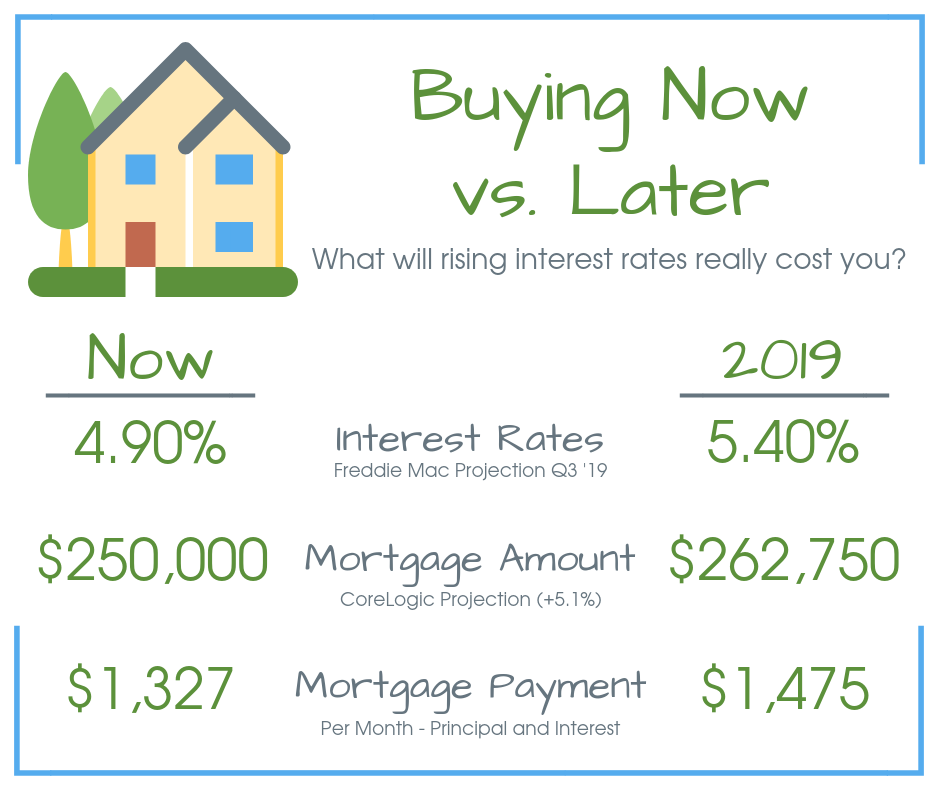
Understanding Mortgage Interest Rates
At its core, a mortgage interest rate is the cost of borrowing money to purchase a home, expressed as a percentage of the loan amount. It’s the profit lenders make for providing you with capital. This percentage determines how much extra you’ll pay each month on top of your principal repayment, directly impacting your monthly mortgage payment and the total cost of your home over the loan’s lifetime.
The Basics of Interest Rates
Interest rates are not static; they fluctuate daily, sometimes hourly, in response to various economic indicators. When you take out a mortgage, you’re essentially entering into a long-term financial commitment that can span 15, 20, or even 30 years. Even a seemingly small difference of a quarter or half a percentage point can translate into thousands of dollars saved or spent over the life of the loan. For instance, on a $300,000, 30-year fixed-rate mortgage, a 0.5% difference in interest rate (e.g., from 6.0% to 5.5%) can save you over $30,000 in interest payments and reduce your monthly payment by approximately $90. This fundamental concept underscores why vigilance and informed decision-making regarding your interest rate are paramount.
Fixed vs. Adjustable Rates
Mortgages primarily come in two forms regarding interest rates: fixed-rate mortgages (FRMs) and adjustable-rate mortgages (ARMs).
- Fixed-Rate Mortgages (FRMs): As the name suggests, the interest rate on an FRM remains constant for the entire duration of the loan. This provides predictability and stability, as your principal and interest payment will be the same month after month, regardless of market fluctuations. FRMs are popular among homeowners who prioritize budgeting certainty and plan to stay in their homes for an extended period.
- Adjustable-Rate Mortgages (ARMs): ARMs offer an initial fixed-rate period, typically 3, 5, 7, or 10 years, after which the rate adjusts periodically (e.g., annually) based on a specified market index plus a lender’s margin. While ARMs often start with lower interest rates than FRMs, offering lower initial monthly payments, they introduce interest rate risk. If market rates rise after the fixed period, your payments could increase significantly. Conversely, if rates fall, your payments could decrease. ARMs are often considered by those who anticipate selling or refinancing before the fixed-rate period ends, or by those comfortable with market volatility.
The choice between an FRM and an ARM depends heavily on your financial strategy, risk tolerance, and expected tenure in the home.
The Impact of Interest Rates on Your Payments
The interplay between the interest rate, the principal loan amount, and the loan term determines your monthly mortgage payment. A lower interest rate means a smaller portion of your payment goes towards interest and more towards reducing the principal, leading to faster equity buildup and a lower total cost of the loan. Conversely, a higher interest rate allocates a larger share of your payment to interest, slowing down equity growth and increasing the overall expense of your home. It’s not just about the monthly payment; it’s about the total financial commitment and wealth accumulation over decades.
Key Factors Influencing Your Interest Rate
Several crucial factors, both personal and macroeconomic, coalesce to determine the interest rate a lender offers you. Understanding these elements is essential for positioning yourself to secure the most favorable terms.
Your Credit Score and Financial Health
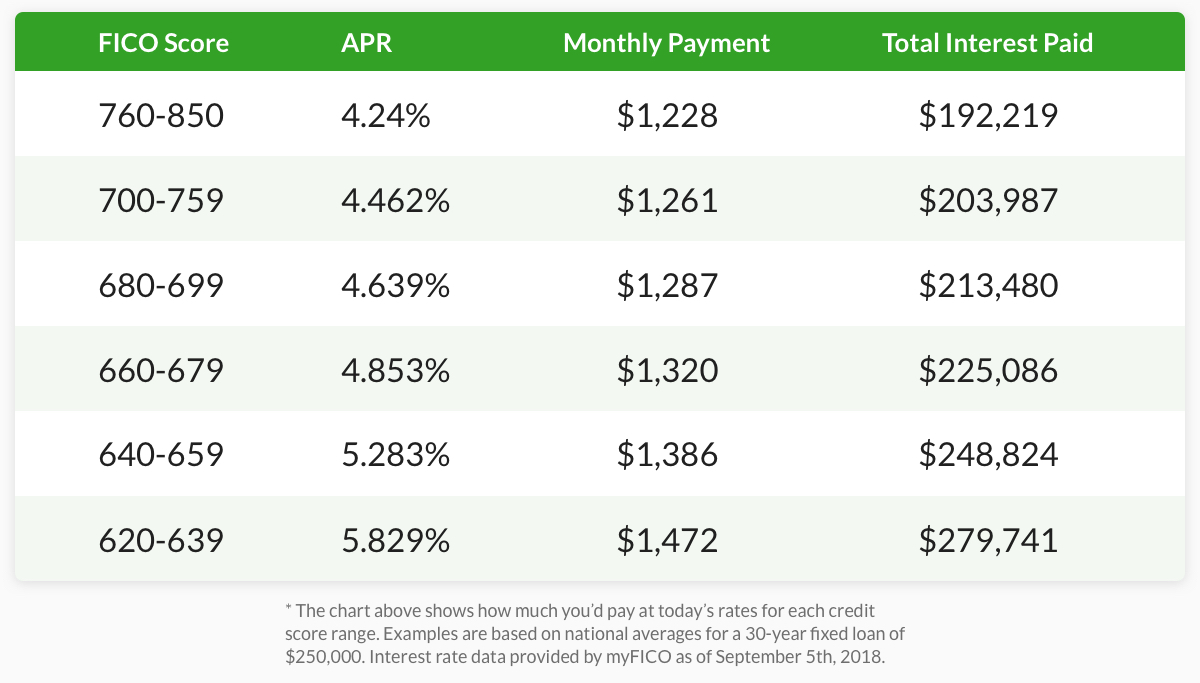
Your credit score is arguably the most significant personal factor influencing your mortgage interest rate. Lenders use credit scores (like FICO scores) as a quick indicator of your creditworthiness and your likelihood of repaying the loan. A higher credit score (typically 740 and above) signals lower risk to lenders, often qualifying you for the best available rates. Conversely, a lower score suggests higher risk, leading to higher interest rates to compensate the lender for that perceived risk. Your debt-to-income (DTI) ratio, which compares your total monthly debt payments to your gross monthly income, also plays a critical role. A lower DTI (ideally below 36%) indicates that you can comfortably manage additional debt, making you a more attractive borrower.
Loan-to-Value (LTV) Ratio and Down Payment
The loan-to-value (LTV) ratio is another pivotal factor. It’s calculated by dividing the loan amount by the home’s appraised value. A lower LTV, typically achieved by making a larger down payment, translates to less risk for the lender. For instance, a 20% down payment means an 80% LTV, which often qualifies borrowers for better rates and helps them avoid private mortgage insurance (PMI). A smaller down payment, resulting in a higher LTV, can lead to higher interest rates and the added cost of PMI, increasing your overall housing expense.
Loan Term and Type
The length of your mortgage loan (e.g., 15-year vs. 30-year) also impacts the interest rate. Shorter-term loans (e.g., 15-year fixed) typically come with lower interest rates than longer-term loans (e.g., 30-year fixed). This is because lenders perceive less risk over a shorter period. While 15-year mortgages have lower rates, their monthly payments are higher due to the shorter repayment schedule. The type of loan also matters: conventional loans, FHA loans, VA loans, and USDA loans each have different qualification criteria and may offer varying rates based on their specific risk profiles and government backing.
Economic Conditions and Federal Reserve Policy
Beyond personal factors, broader economic conditions exert a powerful influence on mortgage rates. Inflation, employment rates, and the overall health of the economy directly impact bond markets, which in turn influence mortgage rates. The Federal Reserve’s monetary policy, particularly its decisions on the federal funds rate, significantly affects the prime rate, which indirectly influences long-term mortgage rates. While the Fed doesn’t directly set mortgage rates, its actions signal the direction of the economy and borrowing costs. When the Fed raises rates to combat inflation, mortgage rates tend to follow suit; when it lowers rates to stimulate economic growth, mortgage rates often decline. Geopolitical events and global economic stability can also play a role, introducing volatility into the market.
Defining a “Good” Interest Rate in Today’s Market
What constitutes a “good” interest rate is not an absolute figure but rather a relative measure, continuously shifting with market dynamics and individual circumstances. It’s less about hitting a specific number and more about securing the most competitive rate available to you based on current conditions.
Benchmarking Against Market Averages
A crucial step in determining if you’re getting a “good” rate is to benchmark it against prevailing market averages. Financial news outlets, mortgage industry reports, and online rate aggregators regularly publish average mortgage rates for various loan types and terms. While these averages provide a useful starting point, remember they represent a broad spectrum of borrowers. A rate at or below the reported average for someone with your credit profile and loan characteristics would generally be considered competitive. It’s important to look at averages for borrowers with excellent credit (e.g., 740+ FICO) to understand the best possible rates, and then adjust your expectations based on your own financial standing.
Personal Financial Goals vs. Market Reality
A truly “good” interest rate also aligns with your personal financial goals and risk tolerance. For some, a fixed rate that offers payment stability, even if slightly higher than a variable rate, is “good” because it meets their need for predictability. For others, an initial low adjustable rate that allows for lower payments in the short term, especially if they plan to move or refinance, might be considered “good.” The perception of a good rate must factor in your budget, your expected tenure in the home, and your comfort level with potential payment fluctuations. In a rising rate environment, securing a rate that’s slightly higher than historical lows but still below the current peak might be considered good, whereas in a declining market, you might hold out for lower rates.
The Role of Mortgage Points
Mortgage points, also known as discount points, are fees paid to the lender at closing in exchange for a lower interest rate. One point typically equals 1% of the loan amount. Deciding whether to “buy down” your rate with points involves a break-even analysis. You calculate how long it will take for the savings from the lower monthly payment to offset the upfront cost of the points. If you plan to stay in the home longer than the break-even period, purchasing points can result in significant long-term savings, making the effective interest rate “better.” However, if you anticipate refinancing or selling sooner, points may not be a worthwhile investment. This decision requires careful financial calculation and consideration of your future plans.
Strategies to Secure a Favorable Rate
While many factors are beyond your immediate control, there are proactive steps you can take to improve your chances of securing the most favorable interest rate possible.
Improving Your Creditworthiness
Prioritizing your credit health is paramount. Start by obtaining your credit report from all three major bureaus (Experian, Equifax, TransUnion) and dispute any errors. Pay bills on time, every time, as payment history is the biggest factor in your score. Reduce your credit utilization ratio by paying down credit card balances. Avoid opening new credit accounts or making large purchases before applying for a mortgage, as these actions can temporarily lower your score. Consistently demonstrating responsible credit behavior over several months can significantly boost your score and open doors to better rates.
Shopping Around for Lenders
This is perhaps the most impactful strategy. Don’t settle for the first offer you receive. Contact multiple lenders – including large banks, local credit unions, and mortgage brokers – to compare rates, fees, and loan terms. Lenders have different pricing structures, overheads, and risk appetites, meaning rates can vary significantly from one institution to another for the same borrower. Use the same loan parameters (e.g., 30-year fixed, same down payment) for each inquiry to ensure an apples-to-apples comparison. Most credit scoring models allow for a “rate shopping” period (typically 14-45 days) where multiple credit inquiries for the same type of loan are counted as a single inquiry, minimizing the impact on your credit score.
Negotiating and Locking Your Rate
Once you’ve compared offers, don’t be afraid to negotiate. If one lender offers a slightly better rate, see if another lender can match or beat it. Mortgage rates are highly dynamic, so it’s crucial to understand the rate lock process. A rate lock guarantees your interest rate for a specified period (e.g., 30, 45, or 60 days) while your loan application is processed. This protects you from rate increases if market rates rise during this time. However, be aware of “float-down” options, which allow you to benefit if rates drop significantly after you’ve locked, though these often come with a fee. Choose a rate lock period that comfortably covers your anticipated closing timeline.
Considering a Larger Down Payment
As discussed, a larger down payment reduces the lender’s risk and your LTV, frequently resulting in a lower interest rate. If financially feasible, aiming for a 20% down payment or more can be highly beneficial. Beyond potentially securing a better rate, a larger down payment also eliminates the need for private mortgage insurance (PMI) on conventional loans, further reducing your monthly costs and overall expense. Even if 20% isn’t attainable, saving for the largest down payment you comfortably can will put you in a stronger negotiating position.
The Long-Term Perspective: Refinancing and Future Considerations
Securing a good interest rate is not a one-time event; it’s part of an ongoing financial strategy. The mortgage market, like the broader economy, is constantly evolving, presenting new opportunities and challenges.
When to Consider Refinancing
Even if you secured a “good” rate initially, market conditions can shift, creating opportunities for even better terms. Refinancing involves taking out a new mortgage to pay off your old one, often to secure a lower interest rate, change the loan term, or convert an ARM to a fixed-rate loan. A general rule of thumb for considering refinancing is if current rates are at least 0.75% to 1.0% lower than your existing rate. However, you must also factor in closing costs associated with the new loan and calculate the break-even point to ensure the long-term savings outweigh these upfront expenses. Refinancing can also be a strategic move to tap into home equity for other financial goals or to consolidate debt, but this should be approached with caution and careful financial planning.
Monitoring Economic Trends
For existing homeowners and those planning future purchases, staying informed about economic trends is crucial. Pay attention to Federal Reserve announcements, inflation reports, and employment data. These indicators provide clues about the likely direction of interest rates. While it’s impossible to perfectly time the market, an understanding of these trends can help you decide when to lock a rate, when to consider refinancing, or when to prepare for a potential rate increase. Financial publications and reputable economic news sources can be invaluable resources.

Seeking Professional Financial Advice
Navigating the complexities of mortgage interest rates and home financing can be daunting. Engaging with a qualified financial advisor or an experienced mortgage professional can provide invaluable guidance. They can assess your individual financial situation, help you understand the nuances of different loan products, and provide personalized advice on strategies to secure the best possible rate. A professional can help you weigh the pros and cons of various options, ensuring your mortgage choice aligns with your broader financial goals and long-term wealth accumulation strategy.
In conclusion, a “good” interest rate on a home is not a universal constant but a highly personalized and dynamic benchmark. It’s the lowest rate you can qualify for based on your financial profile and prevailing market conditions, effectively managed to align with your personal and financial objectives. By understanding the influencing factors, proactively improving your creditworthiness, diligently shopping for lenders, and staying informed about market trends, you can significantly enhance your chances of securing a mortgage rate that truly supports your journey towards sustainable homeownership.
aViewFromTheCave is a participant in the Amazon Services LLC Associates Program, an affiliate advertising program designed to provide a means for sites to earn advertising fees by advertising and linking to Amazon.com. Amazon, the Amazon logo, AmazonSupply, and the AmazonSupply logo are trademarks of Amazon.com, Inc. or its affiliates. As an Amazon Associate we earn affiliate commissions from qualifying purchases.