
Securing a home loan is often the most significant financial commitment an individual will make in their lifetime. Because the principal amounts are high and the repayment periods span decades, even a fraction of a percentage point can translate into tens of thousands of dollars in interest over the life of the loan. However, defining a “good” interest rate is not as simple as pointing to a single number. What constitutes a favorable rate is a moving target influenced by global economic shifts, central bank policies, and, most importantly, your personal financial profile.
To understand what a good rate looks like today, one must look beyond the advertised “teaser” rates and examine the underlying mechanics of the mortgage market. A good interest rate is ultimately one that is lower than the current national average for your specific loan type while remaining sustainable within your long-term financial plan.
The Benchmark of a Good Interest Rate
The first step in identifying a good rate is establishing a baseline. Mortgage rates are not static; they fluctuate daily based on the bond market, specifically the yield on the 10-year Treasury note. When investors feel confident in the economy, they may move money out of bonds, causing yields—and mortgage rates—to rise. Conversely, in times of economic uncertainty, bonds become a “safe haven,” driving prices up and interest rates down.
Understanding Historical vs. Current Context
Historically, mortgage rates have seen extreme volatility. In the early 1980s, it was common to see rates hovering near 18%, while the post-2008 era and the COVID-19 pandemic saw rates drop to historic lows below 3%. In the current economic climate, a “good” rate is often defined relative to the cycles of inflation and Federal Reserve policy. If the national average for a 30-year fixed mortgage is 7%, then securing a rate of 6.25% or 6.5% is considered excellent.
The Role of the Federal Reserve
While the Federal Reserve does not directly set mortgage rates, its influence is profound. By adjusting the federal funds rate, the Fed controls the cost of borrowing for banks. When the Fed raises rates to combat inflation, mortgage lenders typically follow suit to maintain their profit margins. A savvy borrower monitors Fed meetings and inflation reports to time their application, as a “good” rate in a high-inflation environment may look very different from a good rate during a recession.
Fixed-Rate vs. Adjustable-Rate Mortgages (ARMs)
A good rate also depends on the structure of the loan. Fixed-rate mortgages offer the security of a consistent payment, making them ideal for long-term homeowners. Adjustable-rate mortgages (ARMs) often start with a lower “introductory” rate, which can be significantly lower than a fixed-rate benchmark. A good rate on a 5/1 ARM might be 1% lower than a 30-year fixed rate, but it carries the risk of increasing after the initial five-year period.
Factors That Determine Your Personal Interest Rate
Lenders do not offer the same rate to every applicant. Instead, they use a risk-based pricing model. To get the best possible rate, you must minimize the perceived risk you pose to the lender.
The Power of the Credit Score
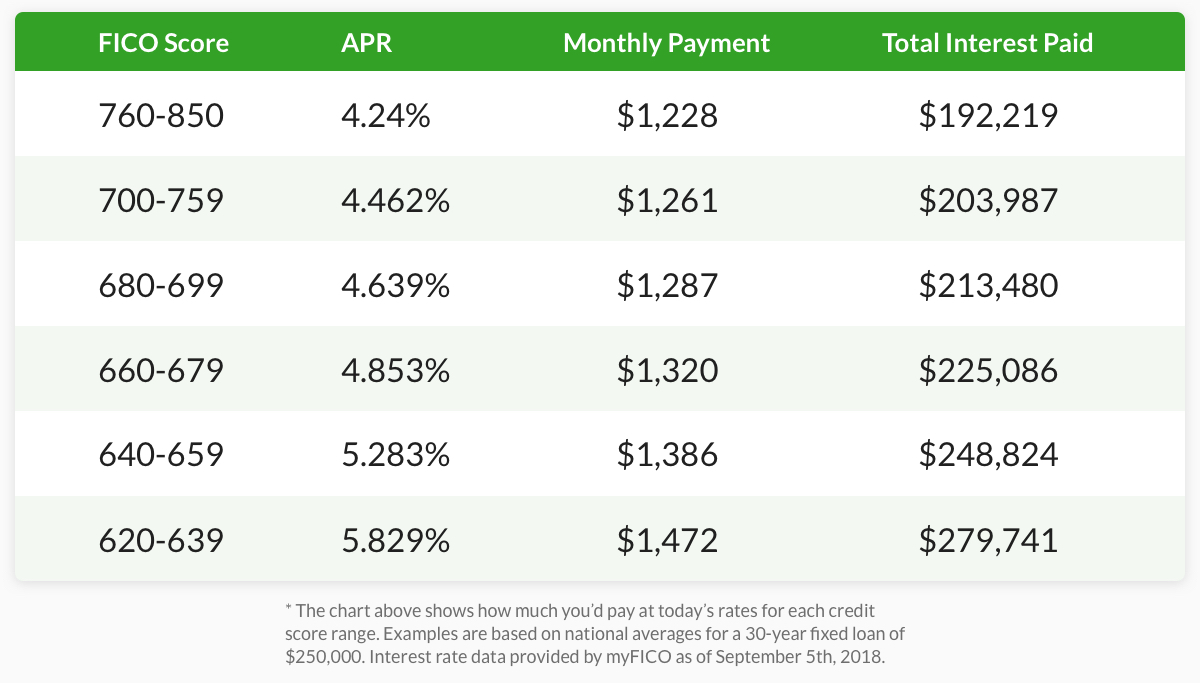
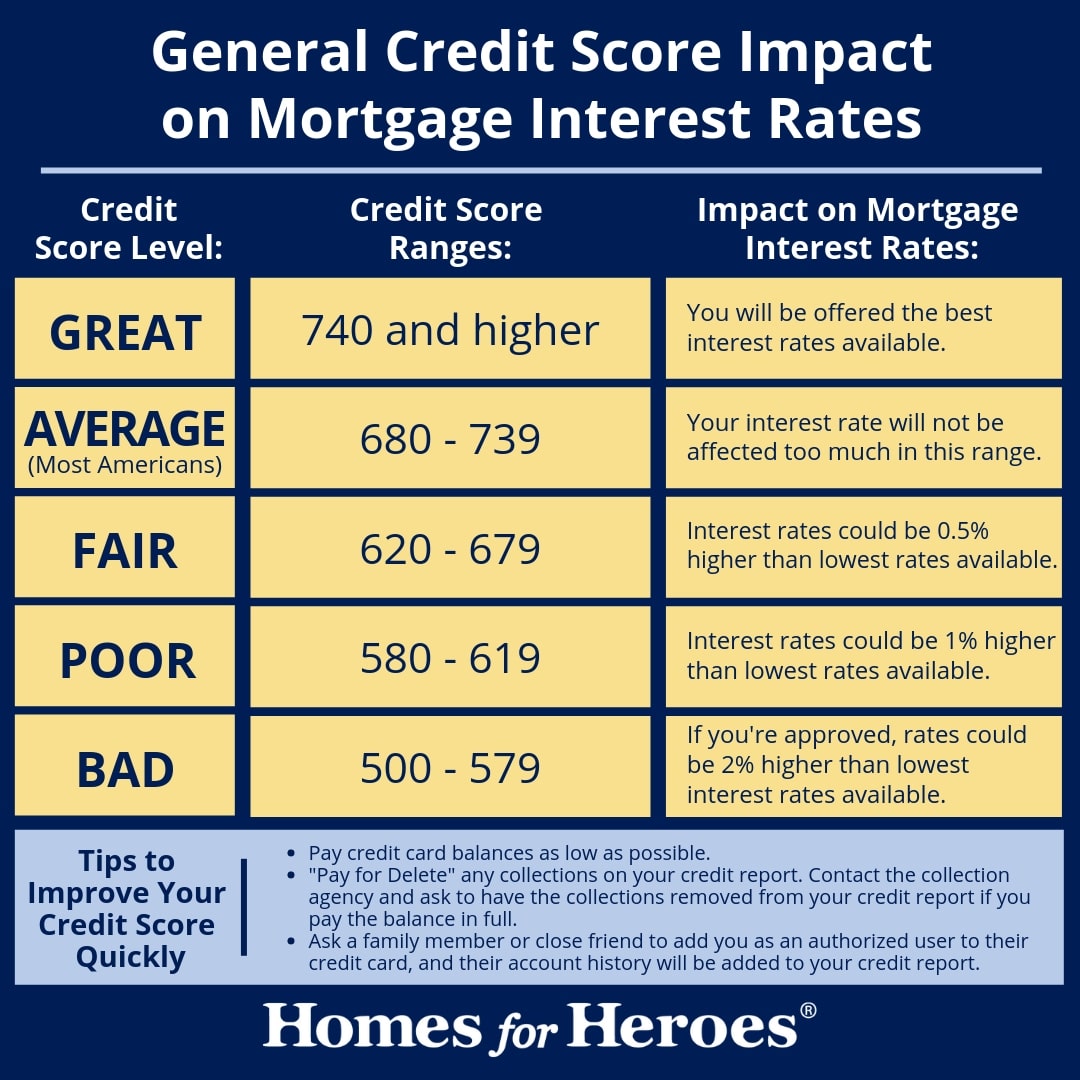
Your credit score is arguably the single most important factor in determining your interest rate. Lenders generally categorize borrowers into tiers. Those with “Excellent” credit (740 to 850) are offered the lowest possible rates. Even a small dip into the “Good” category (670 to 739) can result in an interest rate increase of 0.25% to 0.5%. Over a 30-year loan, that small gap can cost a borrower over $50,000 in interest on a $400,000 mortgage.
Debt-to-Income Ratio (DTI)
Lenders examine your DTI to ensure you aren’t overextended. This ratio compares your total monthly debt obligations (including the projected mortgage payment) to your gross monthly income. Most conventional lenders prefer a DTI below 36%, though some programs allow up to 43% or higher. A lower DTI suggests financial stability, which can help you qualify for the “prime” rates advertised by top-tier banks.
Loan-to-Value Ratio and Down Payments
The amount of equity you put into the home upfront changes the lender’s risk profile. A 20% down payment is the traditional gold standard. It eliminates the need for Private Mortgage Insurance (PMI) and often unlocks lower interest rate tiers. If you provide a down payment of only 3% or 5%, the lender views the loan as higher risk, as there is less “skin in the game,” and they will often charge a higher interest rate to compensate.
Employment History and Income Stability
Lenders look for a consistent two-year history in the same field or position. Self-employed individuals or those with fluctuating commission-based income may face higher rates or stricter scrutiny because their “ability to repay” is perceived as less predictable. Providing clean, documented evidence of stable income is essential for securing a competitive rate.
Loan Types and Their Impact on Rates

The “goodness” of a rate is also contingent upon the specific loan product you choose. Different government-backed and conventional programs have different pricing structures.
Conventional vs. Government-Backed Loans (FHA, VA, USDA)
Conventional loans are often the baseline for interest rate discussions. However, FHA loans (Federal Housing Administration) often feature lower interest rates than conventional loans for borrowers with lower credit scores. The trade-off is the mandatory mortgage insurance premiums. VA loans (Veterans Affairs) frequently offer some of the lowest rates on the market with no down payment requirement, making them the gold standard for those who qualify.
15-Year vs. 30-Year Terms
If you are looking for the absolute lowest interest rate, shortening the term of the loan is the most effective strategy. A 15-year fixed-rate mortgage typically carries an interest rate that is 0.5% to 1% lower than its 30-year counterpart. While the monthly payments are significantly higher because the principal is being paid down faster, the total interest savings over the life of the loan are staggering.
Jumbo Loans
When a loan amount exceeds the “conforming loan limits” set by the Federal Housing Finance Agency (FHFA), it is classified as a jumbo loan. Interestingly, jumbo loan rates are not always higher than conventional rates; in some market conditions, they can actually be lower, as lenders compete aggressively for high-net-worth borrowers. However, they require much higher credit scores and larger down payments.
Strategies to Secure the Best Possible Rate
Obtaining a good interest rate is not a passive process. It requires active financial management and strategic negotiation with lenders.
Shopping Multiple Lenders
One of the most common mistakes homebuyers make is accepting the first rate quote they receive. Rates can vary significantly between credit unions, national banks, and online mortgage brokers. By obtaining at least three to five Loan Estimates, you can leverage one offer against another. Even a 0.125% difference in a quote can save you thousands of dollars over time.
Buying Mortgage Points
Discount points allow you to “buy down” your interest rate. One point typically costs 1% of the total loan amount and reduces your interest rate by approximately 0.25%. This is a “prepaid interest” strategy. To determine if this results in a “good” rate for you, you must calculate the break-even point—how many months of lower payments it will take to recoup the upfront cost of the points. If you plan to stay in the home for 10 or 20 years, buying points is often an excellent investment.
Rate Locks
Interest rates change daily. Once you find a rate you are satisfied with, it is vital to “lock” it in. A rate lock guarantees your interest rate for a specific period (usually 30, 45, or 60 days) while your loan is being processed. This protects you from market volatility. If rates drop significantly after you lock, some lenders offer a “float-down” option, though this may come with an additional fee.
The Long-Term Financial Impact of Interest Rates
Ultimately, a good interest rate is defined by its impact on your long-term net worth. In the world of personal finance, the interest rate is the “cost of capital.”
Total Interest Paid
Consider a $300,000 loan. At a 4% interest rate, the total interest paid over 30 years is approximately $215,600. At a 7% interest rate, that total interest jumps to roughly $418,500. The difference is nearly double the original loan amount. This illustrates why the pursuit of a “good” rate is not just about the monthly budget, but about wealth preservation.
The Refinancing Opportunity
A good rate today does not have to be your rate forever. Many homeowners enter the market when rates are high and use a “marry the house, date the rate” strategy. This involves securing a property at a higher rate and then refinancing into a lower rate when market conditions improve. However, this strategy requires having enough equity in the home and maintaining a strong credit score to qualify for a refinance in the future.
Opportunity Cost
A lower interest rate reduces your monthly mortgage obligation, freeing up cash flow for other financial goals. Whether that capital is redirected toward retirement accounts, the stock market, or a side business, the “goodness” of your interest rate is compounded by what you do with the money you save. In a high-inflation environment, a fixed-rate mortgage can actually act as a hedge, as you are paying back the debt with “cheaper” future dollars while the home’s value potentially appreciates.
In conclusion, a good interest rate on a home loan is a multifaceted concept. It is a combination of timing the market, maintaining a pristine financial profile, and choosing the right loan product for your specific timeline. By understanding the benchmarks and the variables within your control, you can move from simply accepting a rate to strategically securing a financial foundation that supports your long-term prosperity.
aViewFromTheCave is a participant in the Amazon Services LLC Associates Program, an affiliate advertising program designed to provide a means for sites to earn advertising fees by advertising and linking to Amazon.com. Amazon, the Amazon logo, AmazonSupply, and the AmazonSupply logo are trademarks of Amazon.com, Inc. or its affiliates. As an Amazon Associate we earn affiliate commissions from qualifying purchases.