
Buying a car is a significant financial commitment for most individuals, and one of the most crucial elements dictating the overall cost of your vehicle is the interest rate on your auto loan. A seemingly small difference in interest percentage can translate into hundreds, if not thousands, of dollars over the life of the loan. Understanding what constitutes a “good” interest rate isn’t just about comparing numbers; it’s about recognizing the factors that influence these rates, how they apply to your unique financial situation, and the strategies you can employ to secure the best possible deal. This comprehensive guide will dissect the complexities of auto loan interest rates, empowering you with the knowledge to make informed decisions and drive away with confidence, knowing you’ve secured a favorable financing package.
Understanding Auto Loan Interest Rates
Before you can determine what a good interest rate is, it’s essential to grasp the fundamental concepts behind auto loan financing. An interest rate is not merely a number; it’s a reflection of risk, market conditions, and the cost of borrowing money.
What is an Interest Rate?
At its core, an interest rate is the cost of borrowing money, expressed as a percentage of the principal loan amount. When you take out an auto loan, the lender provides you with funds to purchase a vehicle, and in return, you agree to repay that principal amount plus an additional charge – the interest. This interest is how lenders make a profit and mitigate the risk associated with lending. It’s usually calculated annually, but paid monthly as part of your regular installments. The higher the interest rate, the more expensive your loan will be over time, and the more of your monthly payment will go towards paying this charge rather than reducing the principal.
APR vs. Interest Rate
While often used interchangeably in casual conversation, the Annual Percentage Rate (APR) and the interest rate are distinct, though related, concepts. The interest rate represents the cost of borrowing the principal amount. The APR, however, provides a more comprehensive measure of the total cost of borrowing, as it includes not only the interest rate but also any additional fees or charges associated with the loan, such as origination fees, documentation fees, or processing charges. For this reason, the APR is generally considered a more accurate and important figure to compare when shopping for a loan, as it reflects the true annual cost of your credit. A lower APR always translates to a cheaper loan overall, assuming the same principal and term. Always ask for and compare the APR when evaluating loan offers.
Key Factors Influencing Your Rate
Several variables converge to determine the interest rate you’re offered. Understanding these can help you anticipate what to expect and take proactive steps to improve your standing.
- Credit Score: This is arguably the most significant factor. Your credit score is a numerical representation of your creditworthiness, reflecting your payment history, outstanding debt, length of credit history, and types of credit used. Lenders use it to assess the likelihood of you repaying the loan. Borrowers with excellent credit (typically 780+) are seen as low-risk and therefore qualify for the lowest rates, while those with lower scores (below 600) are considered higher risk and face much higher rates.
- Loan Term: The length of time you have to repay the loan significantly impacts the interest rate. Shorter terms (e.g., 36 or 48 months) generally come with lower interest rates because the lender’s money is tied up for a shorter period, reducing their risk. Longer terms (e.g., 60, 72, or even 84 months) often have higher interest rates, though they result in lower monthly payments, spreading the risk over a longer duration for the lender.
- Down Payment: A larger down payment reduces the amount you need to borrow, which in turn lowers the loan-to-value (LTV) ratio. A lower LTV means less risk for the lender, as there’s more equity in the vehicle from day one. Consequently, lenders are more willing to offer better interest rates to borrowers who put down a substantial portion of the car’s price.
- Vehicle Type (New vs. Used): New cars typically qualify for lower interest rates than used cars. This is partly because new cars depreciate more slowly in the initial years, and lenders perceive them as less risky collateral. Used cars, being older and potentially having unknown histories, carry a higher risk of mechanical issues and a faster depreciation curve, leading to higher interest rates.
- Market Conditions: Broader economic factors, such as the Federal Reserve’s benchmark interest rates and the overall economic outlook, influence the rates lenders offer. When the economy is strong and interest rates are low, auto loan rates tend to follow suit. Conversely, in periods of high inflation or economic uncertainty, interest rates generally rise.
- Lender Type: Different types of lenders (banks, credit unions, dealership financing, online lenders) have varying business models and risk appetites, which can lead to different rate offerings. Credit unions, for example, are known for often having slightly better rates due to their non-profit status.
What Constitutes a “Good” Interest Rate?
Defining a “good” interest rate isn’t a fixed concept; it’s a dynamic benchmark influenced by your individual financial profile and prevailing market conditions. However, we can establish general guidelines and ranges to help you assess an offer.
The Credit Score Spectrum
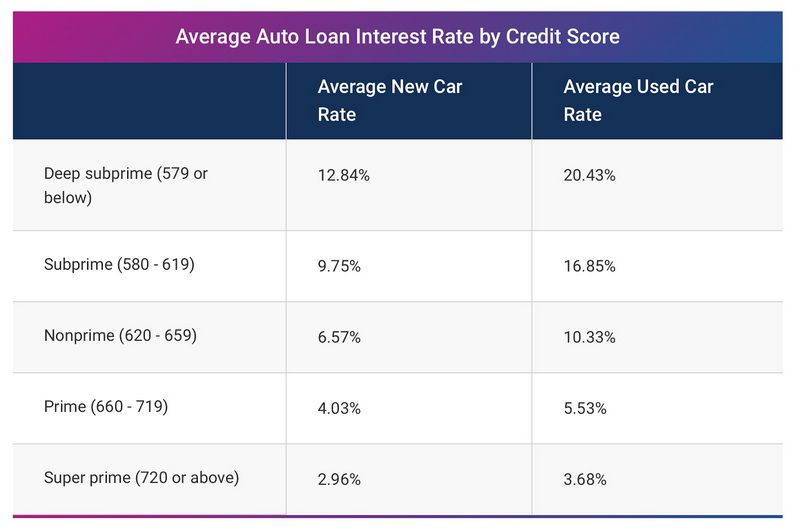
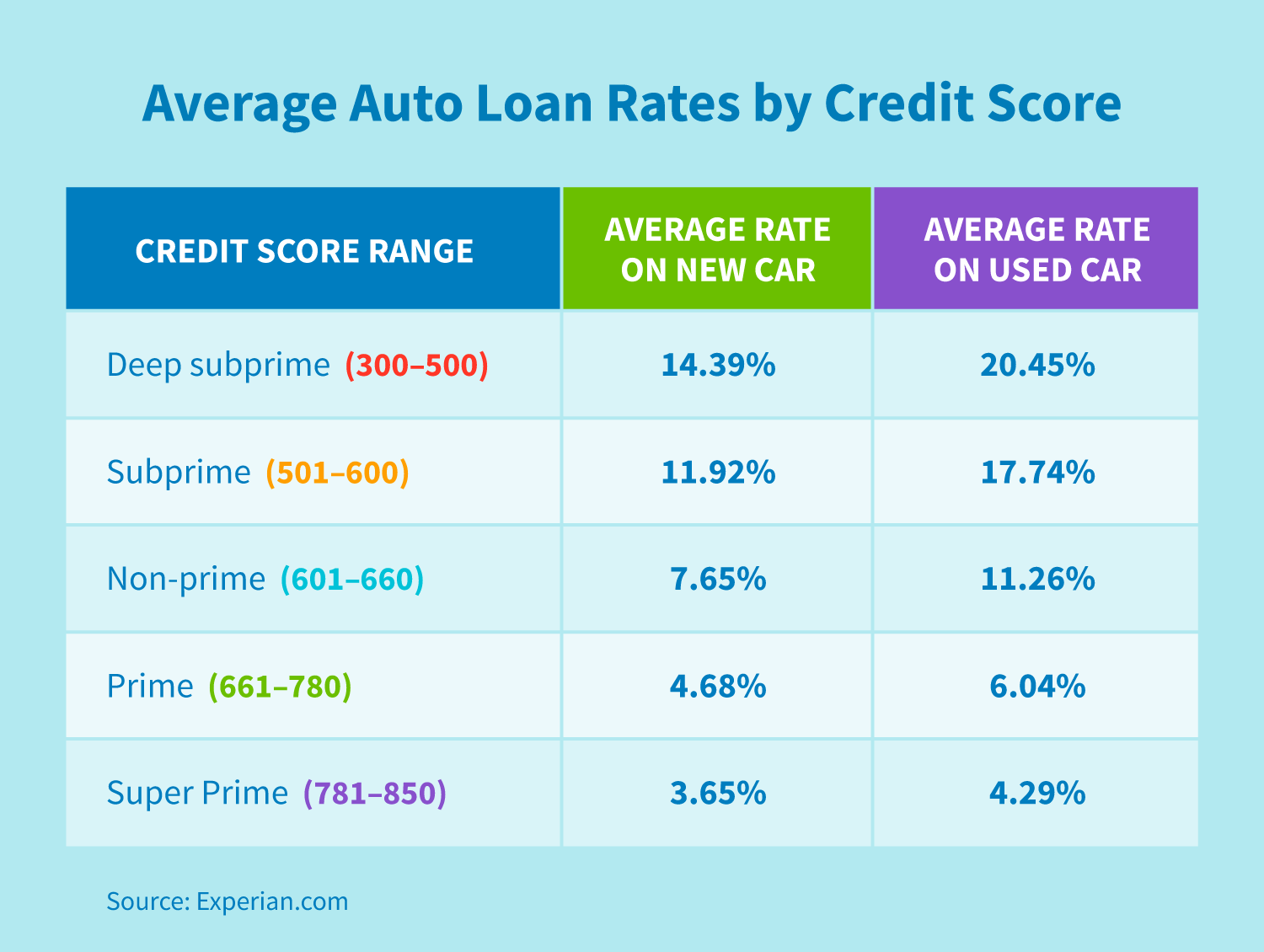
Your credit score is the single most powerful determinant of your auto loan interest rate. Here’s a general breakdown of what rates you might expect based on your credit tier:
- Excellent Credit (780+): Borrowers in this tier are considered prime candidates and typically qualify for the lowest rates available, often in the range of 3% to 6% APR for new cars, and slightly higher for used cars (e.g., 4% to 7%). This is where you find the most competitive offers and promotional rates.
- Good Credit (670-779): Most consumers fall into this category. With good credit, you can still expect very competitive rates, usually between 5% and 9% APR. While not the absolute lowest, these rates are still highly favorable and represent a solid financial standing.
- Fair Credit (580-669): This tier presents a higher risk for lenders, so rates begin to climb significantly. You might see rates ranging from 8% to 14% APR or even higher, depending on other factors. It’s still possible to get a loan, but it will cost you more over time.
- Poor Credit (Below 580): Borrowers with poor credit are considered high-risk. While obtaining an auto loan is still possible, the interest rates will be considerably higher, often in the range of 15% to 25% APR or even more. At this level, it’s crucial to weigh the total cost carefully and consider strategies to improve your credit before buying.
Current Market Benchmarks
Market conditions constantly fluctuate, so staying updated on average rates is crucial. For instance, in a low-interest-rate environment, anything above 7% for excellent credit might be considered high. In a high-interest-rate environment, even 9% for good credit could be seen as acceptable. Financial news outlets and reputable personal finance websites often publish average auto loan rates, which can serve as a useful benchmark. Always check these averages for both new and used cars, as they differ significantly.
New vs. Used Vehicle Rates
As touched upon earlier, new car loans generally carry lower interest rates than used car loans. This is due to several factors: new cars tend to hold their value better initially, making them more secure collateral for lenders. They also come with manufacturer warranties, reducing the risk of costly repairs that might make a borrower default. Used cars, on the other hand, are perceived as having higher depreciation risk, potential for mechanical issues, and a shorter lifespan, all of which contribute to higher interest rates from a lender’s perspective. For example, where a new car loan might be 4% for excellent credit, a comparable used car loan could be 6% or 7%.
Dealer vs. Direct Lender Rates
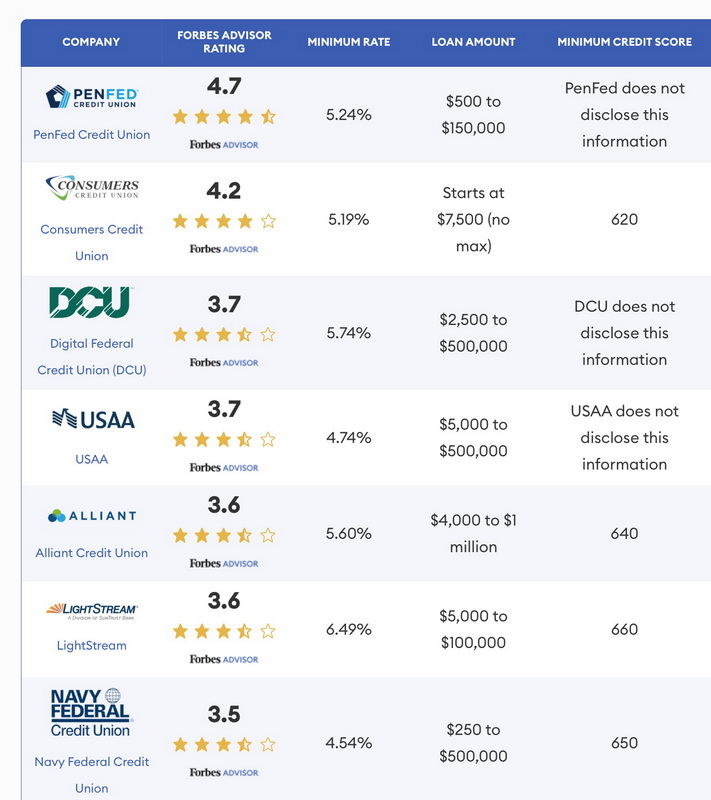
When financing a vehicle, you typically have two main avenues: through the dealership (indirect lending) or directly from a bank, credit union, or online lender (direct lending). Dealerships often act as intermediaries, connecting you with various lenders. While they can sometimes offer attractive promotional rates, especially on new cars from their own brand’s financing arm, they may also mark up rates to earn a commission. Direct lenders, particularly credit unions, are often lauded for offering some of the most competitive rates, as they operate on a not-for-profit model. It’s always advisable to secure a pre-approval from a direct lender before visiting the dealership. This provides you with a baseline offer, strengthening your negotiating position and ensuring you don’t accept an inferior rate from the dealer.
Strategies to Secure a Better Auto Loan Rate
Knowing what factors influence your rate is one thing; actively improving your chances of securing a lower one is another. Proactive strategies can significantly reduce the overall cost of your auto loan.
Improve Your Credit Score
Since your credit score is paramount, taking steps to enhance it can yield substantial savings.
- Check Your Credit Report: Regularly review your credit reports from all three major bureaus (Equifax, Experian, TransUnion) for errors. Dispute any inaccuracies, as these can negatively impact your score.
- Pay Bills On Time: Payment history is the biggest component of your credit score. Make all loan, credit card, and utility payments by their due dates, every time.
- Reduce Outstanding Debt: High credit utilization (the amount of credit you’re using compared to your available credit) can lower your score. Pay down credit card balances to reduce your utilization ratio.
- Avoid New Credit Applications: Don’t open new credit accounts unnecessarily in the months leading up to an auto loan application, as this can temporarily ding your score.
Make a Larger Down Payment
A substantial down payment works wonders for your interest rate. By reducing the loan amount, you decrease the lender’s risk. A lower loan-to-value (LTV) ratio makes your loan more attractive. Aim for at least 20% down, especially on new cars, and ideally more on used cars to help offset faster depreciation. Not only will you likely get a better rate, but you’ll also pay less interest over the loan term and build equity faster.
Choose a Shorter Loan Term
While longer loan terms offer lower monthly payments, they almost always come with higher interest rates and result in paying significantly more interest over the life of the loan. If your budget allows, opt for the shortest loan term you can comfortably afford. A 36- or 48-month loan will almost certainly have a lower APR than a 72- or 84-month loan, saving you considerable money in the long run. Calculate the total interest paid for different terms to see the dramatic difference.
Shop Around Extensively
This is perhaps the most critical piece of advice. Never take the first loan offer you receive.
- Get Pre-approved: Apply for pre-approvals from multiple lenders – banks, credit unions, and online lenders – before you even step foot in a dealership. This allows you to compare actual offers based on your credit profile and gives you a concrete rate to negotiate with. Most pre-approvals use a “soft pull” on your credit, which doesn’t affect your score. Once you’re seriously shopping, you’ll get “hard pulls,” but multiple auto loan inquiries within a short period (typically 14-45 days, depending on the scoring model) are usually grouped as a single inquiry, minimizing impact.
- Compare APRs: Focus on comparing the Annual Percentage Rate (APR) from each lender, as this includes all fees and provides the true cost of borrowing.
- Leverage Offers: Use a competitive pre-approval offer from one lender to encourage another to beat or match it. Dealerships often have access to various lenders and might be able to secure a better deal if they know you have outside financing lined up.
Consider a Co-signer
If your credit score is less than ideal, but you have a trusted family member or friend with excellent credit who is willing to co-sign, this can significantly lower your interest rate. A co-signer legally agrees to take responsibility for the loan if you default, reducing the lender’s risk. However, this is a serious commitment for both parties, as any missed payments will impact both your credit scores, and the co-signer is fully liable for the debt.
Negotiate the Car Price First
It’s crucial to separate the car purchase negotiation from the financing negotiation. Dealers sometimes try to combine these, making it difficult to discern if you’re getting a good deal on the car or the loan. Negotiate the absolute lowest possible cash price for the car first. Once that’s settled, then discuss financing options, armed with your pre-approval offers. This “divide and conquer” strategy ensures you’re getting the best deal on both components.
Beyond the Interest Rate: Other Loan Considerations
While the interest rate is a primary driver of your auto loan’s cost, it’s not the only factor to consider. A holistic view of the loan agreement is essential to ensure it aligns with your financial goals and capabilities.
Total Cost of the Loan
Focusing solely on the monthly payment can be misleading. A low monthly payment achieved through a very long loan term might mask a significantly higher total interest paid over the life of the loan. Always calculate the total amount you will pay back, including all interest, over the entire loan term. For example, a $30,000 loan at 5% over 60 months will cost you roughly $3,950 in interest. The same loan at 5% over 72 months will cost around $4,750 in interest, even though the monthly payment is lower. Understanding this total cost helps you grasp the true financial impact.
Loan Term Length
As discussed, the loan term influences the interest rate, but it also dictates your monthly payment and how quickly you build equity in your vehicle. Shorter terms mean higher monthly payments but less interest paid overall and faster ownership. Longer terms mean lower monthly payments, which might seem more manageable, but you’ll pay more interest and face the risk of being “upside down” on your loan (owing more than the car is worth) for a longer period, especially with rapid depreciation. Choose a term that balances affordability with minimizing total interest paid.
Fees and Penalties
Scrutinize the loan agreement for any hidden fees or potential penalties.
- Origination Fees: Some lenders charge a fee for processing the loan.
- Documentation Fees: Dealerships often charge these for paperwork, though they can sometimes be negotiated.
- Prepayment Penalties: While rare in auto loans, some agreements might include penalties for paying off your loan early. Ensure your loan doesn’t have this, so you have the flexibility to pay it down faster if your financial situation improves.
Monthly Payment Affordability
Ultimately, the best interest rate in the world is moot if the resulting monthly payment strains your budget. Create a realistic budget and determine how much you can comfortably afford to spend on a car payment each month, including insurance, fuel, and maintenance. Aim for your total car expenses (payment + insurance + fuel + maintenance) to be no more than 10-15% of your net income. Overstretching your budget for a car loan can lead to financial stress and potentially missed payments, which will damage your credit.
When to Refinance Your Auto Loan
Securing a good rate initially is ideal, but market conditions and your financial situation can change. Refinancing your auto loan can be a powerful tool to reduce your costs even after you’ve made the purchase.
Signs You Should Consider Refinancing
Several scenarios might indicate that refinancing your auto loan could be beneficial:
- Improved Credit Score: If your credit score has significantly improved since you first took out the loan, you’re likely eligible for a lower interest rate.
- Lower Market Rates: If prevailing auto loan interest rates have dropped since your original loan, you could secure a better deal.
- Desire for Different Terms: You might want to lower your monthly payment by extending the loan term (though this means more total interest) or reduce total interest by shortening the term.
- Original Loan Had a High Rate: If you had fair or poor credit when you first bought the car, chances are you’re paying a high interest rate, making refinancing an attractive option once your credit improves.
Benefits of Refinancing
The primary benefits of refinancing align with saving money and improving financial flexibility:
- Lower Monthly Payments: By securing a lower interest rate or extending your loan term, you can reduce your monthly outflow, freeing up cash for other expenses or savings.
- Reduced Total Interest Paid: If you get a lower rate and keep a similar or shorter loan term, you’ll pay less interest over the remaining life of the loan.
- Change Loan Terms: Refinancing allows you to adjust the loan term to better suit your current financial needs, whether that means a longer term for lower payments or a shorter term to pay it off faster.
Refinancing Process and Considerations
The refinancing process is similar to applying for a new auto loan:
- Check Your Credit: Ensure your credit score is in good standing.
- Shop Around: Get quotes from multiple lenders (banks, credit unions, online lenders) and compare APRs.
- Gather Documents: You’ll need information about your current loan, vehicle, and personal finances.
- Application & Approval: Submit your application, and if approved, finalize the new loan agreement. The new lender will typically pay off your old loan.
Consider any fees associated with refinancing, such as processing fees, and ensure the savings from a lower interest rate outweigh these costs. Also, be mindful that extending your loan term through refinancing, even at a lower rate, could result in paying more total interest in the long run.
Conclusion
Securing a “good” interest rate for an auto loan is not a stroke of luck but the result of careful preparation, diligent research, and savvy negotiation. It hinges heavily on your creditworthiness, the prevailing market conditions, and your ability to shop around effectively. While excellent credit can unlock the lowest rates, even those with less-than-perfect scores can employ strategies to improve their offers.
Remember that a good interest rate is just one piece of the puzzle. Always consider the total cost of the loan, including all fees and the long-term implications of the loan term, ensuring the monthly payments align with your budget. By understanding these dynamics and employing the strategies outlined, you can navigate the auto loan landscape with confidence, ensuring you drive away not only with the car you desire but also with a financing deal that genuinely works for your financial health.
aViewFromTheCave is a participant in the Amazon Services LLC Associates Program, an affiliate advertising program designed to provide a means for sites to earn advertising fees by advertising and linking to Amazon.com. Amazon, the Amazon logo, AmazonSupply, and the AmazonSupply logo are trademarks of Amazon.com, Inc. or its affiliates. As an Amazon Associate we earn affiliate commissions from qualifying purchases.