
The question “What is a good income?” is one that resonates deeply with nearly everyone, yet eludes a universal answer. It’s a deceptively simple query that, upon closer inspection, reveals a labyrinth of personal circumstances, societal expectations, geographical variations, and individual aspirations. To one person, a “good income” might mean enough to cover basic needs and enjoy a few simple pleasures; to another, it could signify the financial freedom to travel the world, own multiple properties, or retire early. The truth is, there’s no single magic number that defines financial well-being for all. Instead, a good income is a dynamic concept, deeply intertwined with one’s stage of life, location, values, and financial goals. This article will unpack the multi-faceted nature of what constitutes a “good income,” offering frameworks and insights to help you define it for yourself and pursue financial health.

Beyond the Number: The Subjectivity of “Good”
The first step in understanding what a good income means is to acknowledge its inherent subjectivity. What feels “good” to one person can feel inadequate to another, even with the exact same salary. This discrepancy often stems from differing personal contexts and expectations.
Lifestyle Expectations
Your desired lifestyle is arguably the most significant factor influencing your income needs. Do you dream of frequent international travel, dining out regularly, owning luxury vehicles, or residing in a spacious home in an affluent neighborhood? Or are you content with a modest home, local adventures, and cooking at home? The more elaborate your lifestyle aspirations, the higher the income required to sustain them. A “good income” is often one that comfortably supports your preferred way of life without constant financial stress.
Geographic Location & Cost of Living
The stark reality of cost of living variations cannot be overstated. An income that affords a comfortable, even luxurious, lifestyle in a rural area or a lower-cost city might barely cover rent and basic necessities in a major metropolitan hub like New York, London, or San Francisco. Housing, transportation, food, and even taxes can differ dramatically from one region to another. Consequently, benchmarking a “good income” must always be done with the specific geographical context in mind. For example, a $70,000 annual salary might be considered excellent in Omaha, Nebraska, but only just “getting by” in Manhattan.
Personal & Family Obligations
Life comes with a myriad of financial responsibilities that are unique to each individual or family unit. Student loan debt, car payments, mortgage or rent, childcare costs, elder care expenses, medical bills, and supporting dependents all significantly impact how far an income stretches. Someone with minimal debt and no dependents will find a particular income level far more “good” than someone with substantial financial obligations, even if their salaries are identical. These commitments fundamentally reshape what a financially comfortable existence looks like.
Life Stages & Career Trajectory
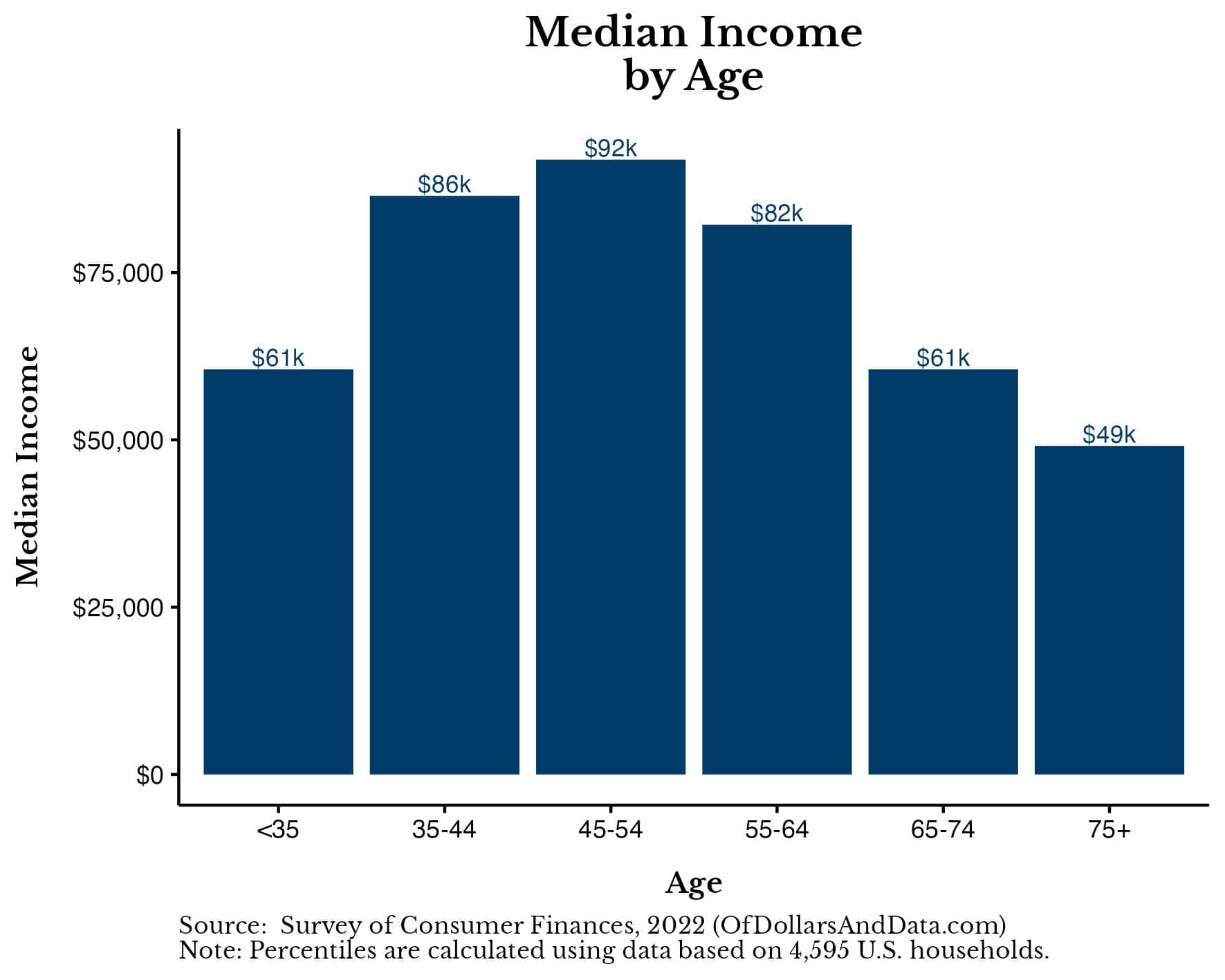
Your definition of a good income will almost certainly evolve throughout your life. In your early career, an income that allows you to live independently and perhaps save a little might feel excellent. As you progress, marry, start a family, or face new financial goals like buying a home or planning for retirement, your income needs will naturally increase. A “good income” in your 20s might be drastically different from what you consider good in your 40s or 50s, when peak earning potential often coincides with increased responsibilities and long-term savings goals.
Defining Your Financial Goals and Income Needs
Rather than chasing an arbitrary number, a more effective approach to determining a “good income” is to align it directly with your financial goals. Your income should serve as the engine powering your journey toward these objectives.
Covering Basic Necessities (The Foundation)
At its most fundamental level, a good income must reliably cover your basic necessities: housing (rent or mortgage), utilities (electricity, water, internet), food, transportation, basic healthcare, and essential clothing. This forms the absolute baseline for financial stability. An income that struggles to meet these core needs is, by definition, not good.
Building a Safety Net (Emergency Fund)
Beyond the basics, a good income enables you to build and maintain an emergency fund – typically 3 to 6 months’ worth of living expenses saved in an easily accessible account. This safety net is crucial for weathering unexpected job loss, medical emergencies, or large unforeseen expenses without falling into debt. If your income doesn’t allow for consistent contributions to this fund, it might indicate that you’re living too close to the financial edge.
Debt Management & Elimination
For many, a significant portion of their income is allocated to debt repayment. A good income allows you to not only make minimum payments but also strategically tackle and eliminate high-interest debt, such as credit card balances or personal loans, efficiently. The ability to free up cash flow by paying down debt significantly enhances financial flexibility and reduces stress, making your income feel “better.”
Savings & Investments for Future Goals
Whether it’s saving for a down payment on a house, your children’s education, a dream vacation, or, most critically, retirement, a good income provides the surplus necessary for consistent savings and investments. It’s the income that lets you plan proactively for the future, ensuring your long-term goals are attainable. The more ambitious your future goals, the more robust your income needs to be to support regular, meaningful contributions.
Discretionary Spending & Quality of Life
Finally, a truly good income often includes the capacity for discretionary spending – money allocated to “wants” rather than just “needs.” This could include hobbies, entertainment, dining out, personal enrichment courses, or vacations. The ability to enjoy these aspects of life without guilt or financial strain significantly contributes to overall well-being and is a strong indicator that your income level is hitting the mark for your desired quality of life.
Key Financial Metrics and Benchmarks
While personal circumstances dictate much, various financial metrics and benchmarks can offer valuable external perspectives on income adequacy. These tools can help you assess where you stand and identify areas for improvement.
Median vs. Average Income
Understanding national or regional income statistics can provide a broad context. The median income (the midpoint where half earn more and half earn less) is often more representative than the average income, which can be skewed by a few very high earners. While these figures aren’t prescriptive, they can give you a general idea of how your income compares to the broader population in your area or industry. However, always remember these are just benchmarks, not definitions of personal financial success.
The 50/30/20 Rule
A popular budgeting guideline, the 50/30/20 rule suggests allocating 50% of your after-tax income to Needs, 30% to Wants, and 20% to Savings & Debt Repayment (beyond minimums). If your income allows you to comfortably adhere to this rule, it’s often an excellent indicator of financial health. Struggling to meet the 20% savings target, or having “Needs” consume a significantly larger portion, suggests that your current income might not be “good enough” to achieve your financial goals efficiently.
Income-to-Debt Ratio
This metric evaluates how much of your monthly income is consumed by debt payments (excluding mortgage). Lenders often look at a Debt-to-Income (DTI) ratio, with around 36% generally considered healthy for all debt payments (including housing). If a large percentage of your income is consistently going towards servicing non-housing debt, it restricts your ability to save and invest, diminishing the perceived “goodness” of your income, regardless of the raw number.
Savings Rate
Your savings rate – the percentage of your gross or net income that you save and invest – is a powerful indicator of your financial trajectory. A higher savings rate accelerates your progress towards financial goals like retirement or financial independence. While a 10-15% savings rate is often recommended, a “good” income is one that allows you to consistently save a rate that makes you feel confident about your future. Some highly ambitious individuals aim for 30-50% or more.
Financial Independence (FI) Number
For those pursuing financial independence (the point where passive income covers living expenses), the FI number is a key benchmark. This is often calculated as 25 times your annual expenses. A “good income” is one that allows you to not only cover your expenses but also consistently invest significant amounts towards reaching this FI number, potentially allowing you to retire early or pursue passion projects without financial constraint.
Strategies to Increase Your Income and Financial Well-being
If your current income falls short of your definition of “good,” there are numerous strategies to enhance your earning potential and improve your financial situation.
Career Advancement & Skill Development
Invest in yourself. Pursue further education, certifications, or acquire in-demand skills relevant to your industry. Seek out opportunities for promotion within your current role or company. Demonstrating increased value and expertise is a direct path to higher salaries and leadership positions.
Negotiating Your Worth
Many individuals leave money on the table by not effectively negotiating their salaries during job offers or annual performance reviews. Research market rates for your position and experience, highlight your accomplishments, and confidently advocate for the compensation you deserve. This single action can significantly boost your income.
Exploring Side Hustles & Online Income
In today’s digital economy, diversifying your income streams is more accessible than ever. Freelancing, consulting, gig economy work, starting an e-commerce store, content creation (blogging, YouTube), or tutoring are just a few examples of side hustles that can supplement your primary income, accelerate debt repayment, or boost savings.
Smart Investing
While not an immediate income boost in the traditional sense, investing allows your money to work for you, generating passive income and capital growth over time. Contributing consistently to retirement accounts (401k, IRA), brokerage accounts, or real estate can significantly build your wealth and future financial security, effectively making your “income” (inclusive of investment returns) much “better” in the long run.
Entrepreneurship
For some, the ultimate path to a “good income” lies in entrepreneurship. Starting your own business offers unlimited earning potential, although it comes with higher risks and demands significant effort. Successfully building a business can provide not only a substantial income but also greater autonomy and fulfillment.
The Holistic View: Income vs. Wealth and Fulfillment
Ultimately, defining a “good income” requires a holistic perspective that goes beyond mere numbers on a paycheck. It involves understanding the interplay between income, wealth, and overall life satisfaction.
Income vs. Net Worth
A high income is excellent, but it’s not synonymous with wealth. Wealth is measured by your net worth – your assets minus your liabilities. Someone with a moderate income who saves and invests diligently can accumulate significantly more wealth than a high-income earner who spends lavishly and carries substantial debt. A truly “good income” is one that enables you to build and grow your net worth, ensuring long-term financial security.
The Hedonic Treadmill
Be wary of the “hedonic treadmill,” the phenomenon where people constantly adapt to higher standards. As your income rises, there’s a natural tendency to increase your spending, leading to a constant pursuit of more without a corresponding increase in happiness. A truly “good income” allows you to consciously choose your spending habits, investing in experiences and assets rather than simply upgrading your consumption.
Finding Fulfillment Beyond Money
While financial security is crucial, research consistently shows that beyond a certain point (which varies by region but is often around $75,000-$100,000 annually in many developed countries, for basic happiness needs), more money doesn’t proportionally increase happiness. True fulfillment often comes from meaningful relationships, good health, a sense of purpose, contributing to others, and pursuing passions. A “good income” should enable these aspects of life, providing the freedom and resources to pursue them, rather than becoming the sole focus of your existence.

Conclusion
The question “What is a good income?” has no universal answer because it is, at its core, a deeply personal and evolving inquiry. It’s not about achieving a specific salary figure, but rather about aligning your earnings with your lifestyle aspirations, financial goals, and long-term security. A good income provides comfort, reduces stress, and empowers you to make choices that enrich your life, contribute to your community, and pursue your passions.
To define what a good income means for you, begin by honestly assessing your current needs, envisioning your desired future, and understanding the financial obligations and opportunities unique to your situation. Utilize budgeting tools, set clear financial goals, and consider the various strategies available to boost your earning potential. Remember, the journey toward a “good income” is less about reaching a fixed destination and more about continuously evaluating, adapting, and striving for financial well-being that supports the life you genuinely want to live.
aViewFromTheCave is a participant in the Amazon Services LLC Associates Program, an affiliate advertising program designed to provide a means for sites to earn advertising fees by advertising and linking to Amazon.com. Amazon, the Amazon logo, AmazonSupply, and the AmazonSupply logo are trademarks of Amazon.com, Inc. or its affiliates. As an Amazon Associate we earn affiliate commissions from qualifying purchases.