
For most individuals, purchasing a home represents the single largest financial commitment of their lives. Central to this monumental decision is securing a favorable home interest rate, a figure that will profoundly impact the affordability and long-term cost of their mortgage. Yet, the concept of a “good” interest rate is far from static. It’s a dynamic benchmark influenced by a confluence of economic forces, market conditions, lender policies, and, crucially, your personal financial profile. Understanding what constitutes a good rate requires a comprehensive look beyond the headline number, delving into the mechanics of mortgage lending and strategic financial planning. This article aims to demystify home interest rates, equipping you with the knowledge to not only identify a competitive rate but also to position yourself to secure the best possible terms for your home financing.
Understanding the Landscape of Home Interest Rates
The journey to finding a good home interest rate begins with a fundamental understanding of how these rates are structured and what external factors drive their fluctuations. Mortgages, by their nature, are long-term loans, and the interest rate attached to them is the cost of borrowing that money over decades.
The Basics: Fixed vs. Adjustable Rates
When applying for a mortgage, one of the first critical choices you’ll face is between a fixed-rate and an adjustable-rate mortgage (ARM).
-
Fixed-Rate Mortgages (FRMs): As the name suggests, a fixed-rate mortgage locks in your interest rate for the entire duration of the loan, typically 15 or 30 years. This provides predictability and stability, as your principal and interest payment remains constant, making budgeting straightforward. For many homeowners, the peace of mind offered by a stable payment, regardless of market shifts, makes FRMs the preferred choice, especially in periods of low-interest rates.
-
Adjustable-Rate Mortgages (ARMs): ARMs offer an initial period (e.g., 3, 5, 7, or 10 years) where the interest rate is fixed, often lower than comparable fixed rates. After this initial period, the rate adjusts periodically (e.g., annually) based on a specified financial index plus a margin set by the lender. While ARMs can offer lower initial payments, they introduce interest rate risk, meaning your payments could increase significantly if market rates rise. ARMs are often suitable for borrowers who anticipate selling or refinancing before the fixed period ends, or those comfortable with potential payment volatility.
Key Factors Influencing Rates
Interest rates are not plucked from thin air; they are meticulously calculated based on several interconnected factors:
-
The Federal Reserve’s Monetary Policy: While the Federal Reserve does not directly set mortgage rates, its actions significantly influence them. The Fed’s target for the federal funds rate affects short-term interest rates, which in turn impacts the broader credit market. When the Fed raises rates to curb inflation, mortgage rates typically follow suit.
-
Inflation: The rate of inflation is a major driver. Lenders charge interest to make a profit and to compensate for the erosion of money’s purchasing power over time. Higher inflation generally leads to higher interest rates as lenders seek to maintain their real return on investment.
-
Economic Growth and Employment: A strong economy, characterized by robust GDP growth and low unemployment, often signals increased demand for credit and potential inflationary pressures, which can push rates higher. Conversely, economic slowdowns may lead to lower rates as the Fed and lenders try to stimulate activity.
-
Bond Market Performance: Mortgage rates are closely tied to the yields on U.S. Treasury bonds, particularly the 10-year Treasury note. When bond yields rise, mortgage rates tend to rise, and vice-versa. This is because mortgage-backed securities (MBS), which are packaged mortgages sold to investors, compete with Treasuries for investor capital.
The Role of Economic Indicators
Staying informed about key economic indicators can provide insight into potential rate movements. These include:
-
Consumer Price Index (CPI): A measure of inflation.
-
Jobs Reports: Indicate the health of the labor market.
-
Gross Domestic Product (GDP): Reflects overall economic growth.
-
Housing Market Data: Such as existing home sales and housing starts, which can signal demand and supply dynamics.
Knowing these factors empowers you to understand the macro environment in which mortgage rates are determined, providing a foundational context for evaluating what constitutes a “good” rate at any given time.
Defining “Good” for Your Financial Situation
While macroeconomics dictate the general range of interest rates available, your personal financial profile is the ultimate determinant of the specific rate you will be offered. What’s “good” for one borrower might not be for another, as lenders assess individual risk based on a precise set of criteria.
Your Credit Score: The Ultimate Rate Decider
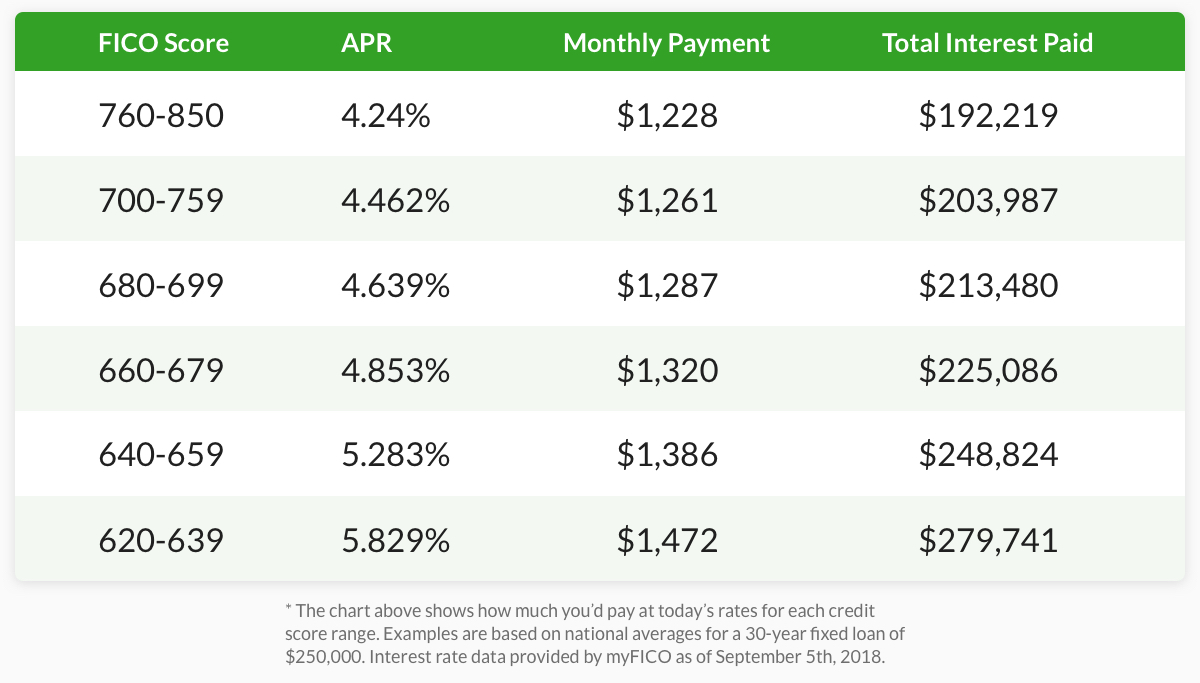
Your credit score, primarily your FICO score, is perhaps the single most influential factor in securing a favorable interest rate. It’s a numerical representation of your creditworthiness, reflecting your history of borrowing and repaying debt.
-
Excellent Credit (760-850): Borrowers in this tier typically qualify for the lowest available interest rates, as they are deemed low-risk.
-
Good Credit (700-759): Still considered good, but rates might be slightly higher than for excellent credit holders.
-
Fair Credit (640-699): Borrowers here may qualify for a mortgage but will likely pay higher interest rates.
-
Poor Credit (Below 640): Securing a conventional mortgage can be challenging, and interest rates will be significantly higher, if approved.
Lenders view a higher credit score as an indicator of responsible financial behavior and a lower likelihood of default, making them more willing to offer competitive terms.
Debt-to-Income Ratio and Down Payment
Beyond your credit score, lenders scrutinize your financial stability through two key metrics:
-
Debt-to-Income (DTI) Ratio: Your DTI is a percentage that compares your total monthly debt payments to your gross monthly income. Lenders typically prefer a DTI of 43% or lower, though some programs may allow for higher. A lower DTI signifies that you have more disposable income to manage your mortgage payments, making you a less risky borrower and potentially qualifying you for better rates.
-
Down Payment: The amount of money you pay upfront for your home significantly impacts your interest rate. A larger down payment (e.g., 20% or more) signals financial strength, reduces the loan-to-value (LTV) ratio, and lowers the lender’s risk. This often translates to lower interest rates. Conversely, smaller down payments (e.g., FHA loans with 3.5% down) typically come with higher rates and often require mortgage insurance, adding to your overall cost.
Loan Term and Type: 15-year vs. 30-year, FHA vs. Conventional
The structure of the loan itself also plays a critical role in the interest rate you receive:
-
Loan Term: Shorter-term mortgages, such as 15-year fixed-rate loans, almost always come with lower interest rates than 30-year fixed-rate loans. While the monthly payments are higher due to the shorter repayment period, the total interest paid over the life of the loan is substantially less. Lenders offer lower rates on 15-year loans because their money is tied up for a shorter period, reducing their risk exposure.
-
Loan Type:
-
Conventional Loans: These are mortgages not insured or guaranteed by a government agency. They generally require good credit and a reasonable down payment and often offer competitive rates for well-qualified borrowers.
-
FHA Loans: Backed by the Federal Housing Administration, these loans are designed to help borrowers with lower credit scores or smaller down payments. While they make homeownership more accessible, they typically come with mandatory mortgage insurance premiums (MIP) for the life of the loan and may have slightly higher interest rates than conventional loans for borrowers with excellent credit.
-
VA Loans: Guaranteed by the U.S. Department of Veterans Affairs, these loans are for eligible service members, veterans, and surviving spouses. They offer significant benefits, including no down payment requirements and competitive interest rates, often among the lowest available, as they carry less risk for lenders due to the VA guarantee.
-
USDA Loans: Backed by the U.S. Department of Agriculture, these loans help low- to moderate-income borrowers purchase homes in eligible rural areas. They also offer no down payment options and competitive rates.
-
Understanding how these personal and loan-specific factors interact is crucial. A “good” home interest rate is one that is competitive for your unique financial circumstances, minimizing your borrowing costs while fitting comfortably within your budget.
Strategies to Secure the Best Possible Rate
Knowing what influences interest rates is one thing; actively working to secure the best rate is another. Proactive strategies can significantly impact the terms of your mortgage, potentially saving you tens of thousands of dollars over the life of the loan.
Improving Your Financial Profile
Before you even start shopping for lenders, take steps to optimize your financial standing:
-
Boost Your Credit Score: Review your credit report for errors and dispute any inaccuracies. Pay bills on time, reduce credit card balances, and avoid opening new credit accounts or making large purchases before applying for a mortgage. A higher credit score directly translates to lower rates.
-
Lower Your Debt-to-Income Ratio: Pay down existing debts, particularly high-interest credit card balances or personal loans. Increasing your income, if possible, also helps. A lower DTI signals to lenders that you can comfortably afford your mortgage payments.
-
Increase Your Down Payment: The more you put down, the less you need to borrow, and the less risk the lender takes. Aiming for 20% or more can help you avoid private mortgage insurance (PMI) on conventional loans and generally qualify for better rates. If 20% isn’t feasible, saving as much as you can still yields benefits.
-
Build Your Savings/Emergency Fund: Lenders like to see that you have reserves. Having three to six months of living expenses saved provides a financial cushion, reassuring lenders of your stability.
Shopping Around and Comparing Lenders
One of the most effective strategies is to comparison shop among multiple lenders. Don’t simply go with the first offer you receive or the bank where you have your checking account.
-
Get Quotes from Diverse Sources: Approach traditional banks, credit unions, and online mortgage lenders. Each type of institution may offer different rates and loan products.
-
Compare Apples to Apples: When comparing offers, ensure you’re looking at the same loan type (e.g., 30-year fixed), identical loan amounts, and similar points (fees paid to get a lower interest rate). A lower advertised rate might come with higher points.
-
Utilize Online Comparison Tools: Numerous reputable websites allow you to input your financial information and get multiple quotes simultaneously, streamlining the comparison process.
-
Read Reviews and Ask for Referrals: Beyond the rates, consider the lender’s reputation for customer service and efficiency. A smooth closing process is invaluable.
Negotiating and Rate Lock Strategies
Once you have multiple offers, you’re in a stronger position to negotiate.
-
Use Competing Offers as Leverage: If Lender A offers a better rate than Lender B, you can present Lender A’s offer to Lender B and ask if they can match or beat it.
-
Understand Mortgage Points: You might have the option to pay “points” (prepaid interest, where one point equals 1% of the loan amount) to lower your interest rate. This is known as “buying down the rate.” Calculate if the upfront cost of points will be recouped through lower monthly payments over the time you plan to keep the mortgage.
-
Rate Lock: Once you’ve chosen a lender and are close to approval, inquire about a “rate lock.” This guarantees your interest rate for a specific period (e.g., 30, 45, or 60 days) while your loan processes. This protects you if market rates rise before closing. Understand the lock period and any fees associated with extending it. Some lenders offer a “float-down” option, allowing you to secure a lower rate if market rates drop significantly before closing, usually for an additional fee.
By diligently applying these strategies, you empower yourself to navigate the mortgage market more effectively, increasing your chances of securing an interest rate that is truly “good” for your financial future.
Beyond the Rate: Hidden Costs and Long-Term Implications
Focusing solely on the interest rate can be a pitfall if you neglect other crucial components that contribute to the total cost of your mortgage. A “good” rate must be evaluated within the broader context of all associated fees and long-term financial implications.
APR vs. Interest Rate: The True Cost of Borrowing
It’s essential to distinguish between the nominal interest rate and the Annual Percentage Rate (APR).
-
Interest Rate: This is the percentage of the principal that a lender charges for borrowing money, typically expressed monthly. It determines your principal and interest payment.
-
Annual Percentage Rate (APR): The APR represents the true annual cost of your loan because it includes not only the interest rate but also most of the other fees and charges associated with the mortgage, such as origination fees, discount points, mortgage insurance, and other closing costs. Because the APR incorporates these additional costs, it will almost always be higher than the interest rate. When comparing loan offers, the APR provides a more accurate apples-to-apples comparison of the total cost of borrowing from different lenders. A lower APR indicates a cheaper loan overall.
Closing Costs and Fees
Closing costs are expenses incurred during the home buying process, paid at the loan closing. These can typically range from 2% to 5% of the loan amount and include:
-
Lender Fees: Origination fees, underwriting fees, application fees, discount points (if purchased).
-
Third-Party Fees: Appraisal fees, credit report fees, title insurance, attorney fees, recording fees, survey fees.
-
Prepaid Items: Property taxes, homeowners insurance premiums.
While some of these fees are fixed, others can be negotiated or vary significantly between lenders. Understanding and budgeting for these costs is critical, as they can represent a substantial upfront outlay, even with a competitive interest rate. Sometimes, a slightly higher interest rate from one lender might be offset by significantly lower closing costs, making it the more favorable option when considering total immediate out-of-pocket expenses.
The Impact of Refinancing and Prepayment Penalties
Your mortgage journey might not end when you sign the initial papers. Life changes, and market conditions shift, making refinancing a potential strategy.
-
Refinancing: This involves taking out a new loan to pay off your existing mortgage, often to secure a lower interest rate, change the loan term, or convert an ARM to a fixed rate. A good interest rate today could become a high rate in a few years if market rates drop. Understanding when and how to refinance can be a powerful tool for optimizing your mortgage. However, refinancing also involves closing costs, so you need to calculate if the savings from a lower rate will outweigh these new fees.
-
Prepayment Penalties: Some mortgages, though less common with conventional fixed-rate loans in the U.S. today, may include prepayment penalties. These are fees charged if you pay off your mortgage early (e.g., by selling your home, refinancing, or making substantial extra payments). It’s crucial to ensure your mortgage agreement does not contain such a clause if you anticipate paying it off ahead of schedule. Always read the fine print carefully.
Considering these hidden costs and long-term implications ensures that your definition of a “good” home interest rate is comprehensive, encompassing all financial aspects of your mortgage and empowering you to make the most informed decision.
Future Outlook and Expert Insights
The world of home interest rates is constantly evolving, making predictions notoriously difficult. However, by understanding the forces at play and seeking expert advice, you can better position yourself for future decisions.
Predicting Rate Movements (and why it’s hard)
Trying to perfectly time the market to get the absolute lowest interest rate is often an exercise in futility. While economists and financial analysts offer forecasts based on current data and trends, numerous unpredictable events can quickly shift the landscape:
-
Geopolitical Events: Wars, trade disputes, or international crises can significantly impact global markets and, by extension, interest rates.
-
Unexpected Economic Data: A surprise inflation report or a sudden surge/drop in unemployment can prompt immediate market reactions.
-
Central Bank Actions: While the Federal Reserve communicates its intentions, the exact timing and magnitude of its rate adjustments can still surprise markets.
The takeaway is to focus on securing a good rate when it makes sense for your financial situation, rather than waiting indefinitely for a potentially elusive “perfect” rate.
When to Act: Market Timing vs. Personal Readiness
Instead of obsessing over market timing, a more prudent approach is to act when you are personally ready and financially prepared.
-
Personal Readiness: This means you have a stable job, a solid emergency fund, a good credit score, and a manageable DTI. Your personal finances should be in order to comfortably afford a home, even if rates aren’t at an all-time low.
-
Market Conditions: While personal readiness is key, it’s also wise to be aware of the general rate environment. If rates are historically low and you are personally ready, it might be an opportune time to act. If rates are rising, securing a rate lock becomes even more important. Conversely, if rates are high, you might consider an ARM with a long fixed period, with the intention to refinance if rates drop in the future.
The “good” time to get a home interest rate is when the rate is competitive for you, and you are financially stable enough to comfortably manage the mortgage payments.

Consulting Financial Professionals
Navigating the complexities of home interest rates and mortgage options can be overwhelming. This is where the expertise of financial professionals becomes invaluable.
-
Mortgage Brokers: These professionals work with multiple lenders and can help you compare a wide range of loan products and rates tailored to your specific situation. They can often access deals you might not find on your own.
-
Loan Officers: Typically employed by a single bank or lending institution, loan officers can guide you through their specific product offerings and help you understand the terms.
-
Financial Advisors: A broader financial advisor can help you integrate your mortgage decision into your overall financial plan, considering your long-term goals, investment strategies, and retirement planning.
These experts can provide personalized advice, clarify intricate details, and help you strategize to achieve the most favorable outcome. Their knowledge can save you time, stress, and, most importantly, a significant amount of money over the life of your mortgage.
In conclusion, “what is a good home interest rate” is not a question with a single, universal answer. It’s a nuanced inquiry demanding an understanding of macroeconomic forces, a meticulous review of your personal financial health, a proactive approach to shopping and negotiation, and an awareness of all associated costs. By arming yourself with this comprehensive knowledge and leveraging expert guidance, you can confidently identify and secure an interest rate that genuinely serves your best interests, paving the way for a stable and affordable homeownership journey.
aViewFromTheCave is a participant in the Amazon Services LLC Associates Program, an affiliate advertising program designed to provide a means for sites to earn advertising fees by advertising and linking to Amazon.com. Amazon, the Amazon logo, AmazonSupply, and the AmazonSupply logo are trademarks of Amazon.com, Inc. or its affiliates. As an Amazon Associate we earn affiliate commissions from qualifying purchases.