
In the world of personal branding, every visual element serves as a communication tool. Your hair color is not merely an aesthetic choice; it is a critical component of your corporate identity and personal brand strategy. Whether you are building an executive presence, crafting an influencer persona, or establishing a creative brand, your hair color functions as a silent, continuous marketing statement. Understanding how color choice influences audience perception, brand consistency, and professional recognition is essential for anyone looking to optimize their visual identity.
The Psychology of Color in Personal Branding
Color theory is the backbone of design and marketing, and it applies just as rigorously to personal branding as it does to corporate logos. The shade you choose communicates specific personality traits to your target audience before you ever speak a word.
Establishing Brand Archetypes
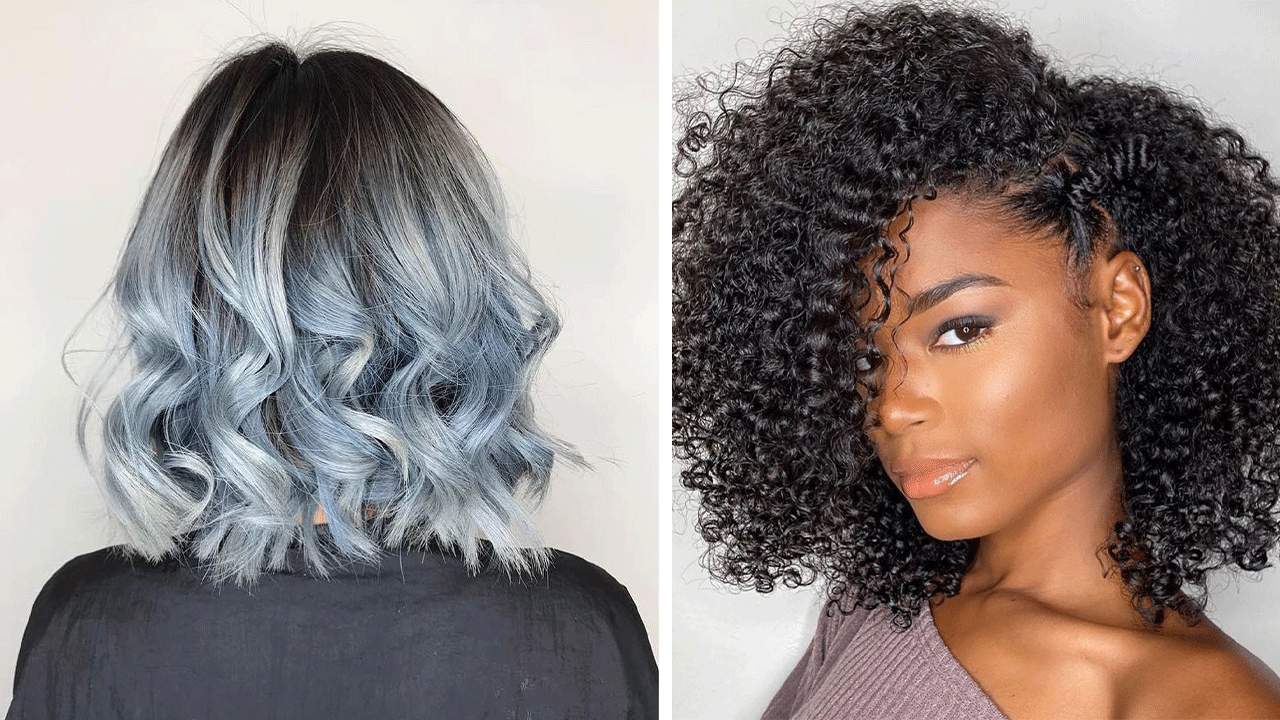
Your hair color should align with your brand archetype. If your personal brand is built on authority and reliability, your color palette will differ significantly from a brand built on disruption or innovation. For instance, classic, monochromatic, or deep natural tones often signal stability and high-level professionalism. These choices are staples in sectors like law, finance, and corporate management, where the brand goal is to project a sense of “tried and true” competence.
Conversely, vivid, high-contrast, or fashion-forward colors function as a signal of creativity, risk-taking, and trendsetting. If your business relies on being a thought leader in the design, fashion, or entertainment industries, your hair color serves as a visual proof-of-concept. It demonstrates that you are current and willing to push boundaries.
Consistency as a Brand Asset
In brand strategy, consistency is the primary driver of recognition. Just as a brand like Coca-Cola owns the color red, a personal brand can “own” a specific hair color. When your hair color is consistent, it becomes a shortcut for your audience to identify you in a crowded digital space. If you are frequently appearing in webinars, social media videos, or high-profile industry events, maintaining a consistent hue reinforces your brand identity. Rapid or erratic changes can lead to “brand confusion,” where your audience loses that instant visual recognition, potentially diluting your equity.
Strategic Color Selection Based on Market Positioning
Selecting a “good” hair color requires a deep dive into market positioning. You must analyze your industry’s expectations and determine whether you want to conform to those expectations to build trust or subvert them to differentiate yourself.
Navigating Industry Norms
Every industry has an unwritten visual language. In traditional corporate environments, hair color choices are often viewed through the lens of “executive presence.” A good color in this context is one that feels polished, manageable, and intentional. This doesn’t mean you are limited to natural shades, but it does mean that maintenance is a key part of your brand strategy. A hair color that shows obvious neglect—such as uneven roots or faded, brassy tones—can subconsciously communicate that you are disorganized or lack attention to detail.
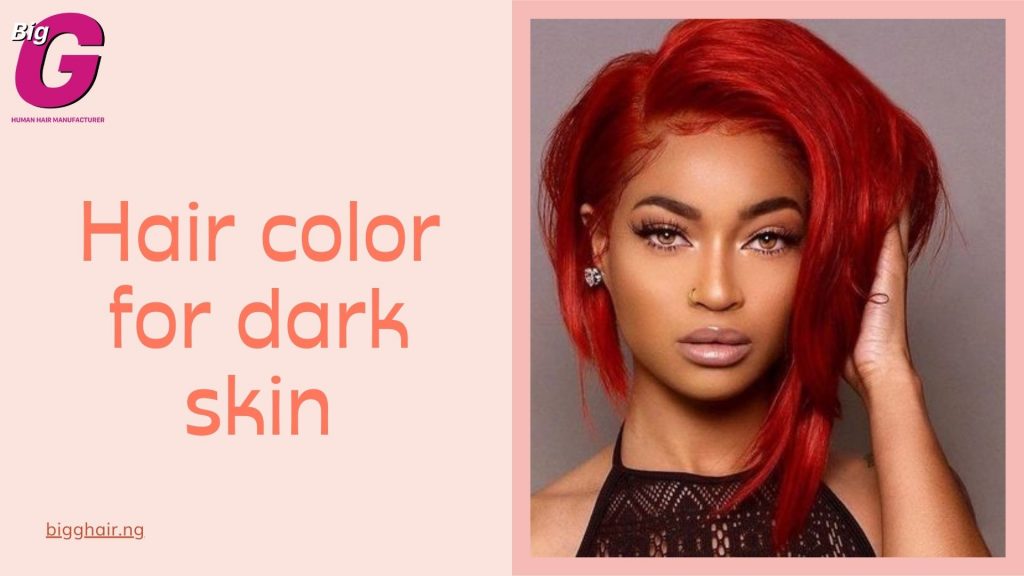
In the creative and tech startup sectors, the rules are drastically different. Here, the “good” color is often the one that helps you stand out in a competitive landscape. If you are a digital nomad or a creative consultant, your appearance is often your first portfolio piece. A vibrant, unconventional color can serve as a conversation starter and a memorable touchpoint, helping you move from “just another freelancer” to a “memorable expert.”
The “Authority vs. Accessibility” Scale
When choosing your brand’s hair color, consider where you fall on the authority-to-accessibility scale.
- Authority-driven brands: Usually gravitate toward deeper, richer, and more uniform colors. These shades command respect and suggest a serious commitment to the craft.
- Accessibility-driven brands: Often benefit from softer, warmer, or more multi-dimensional tones. These colors feel approachable and inviting, making you seem more relatable to potential clients or followers.
If your brand strategy is centered on coaching, community building, or wellness, a color that appears soft and warm will likely yield higher engagement rates than a sharp, cold-toned shade.
Designing Your Visual Identity: The ROI of Professional Styling
Treating your hair color as a line item in your marketing budget is a hallmark of a mature personal brand. The difference between a DIY box dye and a professionally curated color is the difference between a generic stock photo and a custom brand asset.
Investing in Brand Maintenance
Your personal brand is a business asset; therefore, you should treat your hair maintenance as a business expense. A good color is one that is expertly applied and consistently maintained. From a strategy perspective, consider the “burn-down” rate of your hair color. How long does the color look professional before it requires a touch-up? High-maintenance colors (such as platinum blonde or neon hues) require a time and financial commitment that you must account for in your monthly operational budget. If the upkeep interferes with your ability to attend to other areas of your business, the color is not “good” for your specific business model.
The Impact of Lighting and Digital Mediums
Because much of modern personal branding happens through a screen, your hair color must be “camera-ready.” Digital cameras, ring lights, and varying color temperatures can interact with your hair color in unpredictable ways. A color that looks vibrant and sophisticated in natural light may appear dull or flat on a Zoom call or in a recorded video.
Test your potential hair colors against the digital environments you use most. If your primary lead-generation tool is a LinkedIn video series, ensure your hair color provides enough contrast against your background. If you shoot content in front of a dark office, a light-colored or high-contrast hair color will help you “pop” and maintain audience focus. If you use a bright, minimalist background, a deeper, more saturated color can provide the necessary visual anchor for your personal brand.
Auditing and Evolving Your Brand Identity
Your brand is not static, and neither is your hair color. Strategic evolution is a vital part of long-term success. As your brand matures, your visual representation should reflect that journey.
Scaling Your Brand
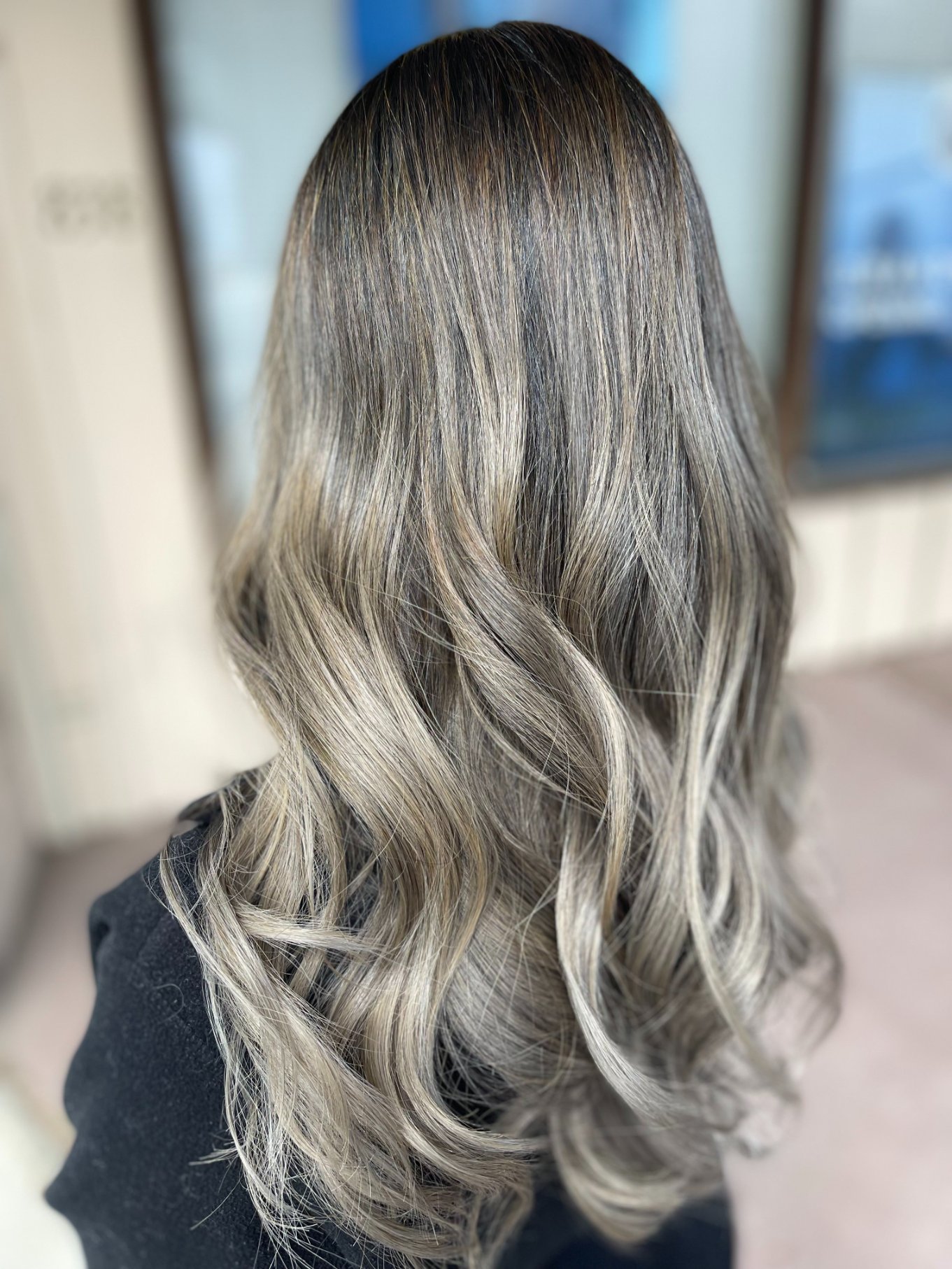
Consider the “Growth Phase” of your career. If you are an entrepreneur looking to exit or scale your business into a larger enterprise, you might find that the “edgy” look that helped you launch your brand is now a barrier to being taken seriously by institutional investors. A strategic color shift—perhaps toward a more understated, sophisticated, or polished tone—can signal to your audience that your brand is maturing. This is a common tactic in professional branding: the visual “rebrand” serves as a narrative signal that you have leveled up.
Gathering Audience Feedback
In the age of data-driven branding, you don’t have to guess what your audience thinks. Monitor engagement metrics when you change your hair color. Do your video views fluctuate? Do your direct messages shift in tone? While you should never be a slave to public opinion, your audience’s response provides valuable sentiment data. If a specific color consistently leads to higher engagement on your social channels, it is objectively a “good” color for your specific marketing funnel.
Ultimately, a good hair color is one that supports your business objectives. It is a strategic choice designed to minimize friction, maximize recognition, and communicate the core values of your professional identity. By viewing your hair color through the lens of brand strategy rather than mere fashion, you transform a daily grooming task into a powerful, consistent, and intentional marketing tool.
aViewFromTheCave is a participant in the Amazon Services LLC Associates Program, an affiliate advertising program designed to provide a means for sites to earn advertising fees by advertising and linking to Amazon.com. Amazon, the Amazon logo, AmazonSupply, and the AmazonSupply logo are trademarks of Amazon.com, Inc. or its affiliates. As an Amazon Associate we earn affiliate commissions from qualifying purchases.