
Understanding what constitutes “good” fuel consumption for a car is far more than just a technical specification; it’s a critical component of personal finance, directly impacting your budget and long-term financial health. In an era of fluctuating fuel prices and increasing awareness of vehicle operating costs, discerning optimal fuel efficiency is essential for making fiscally sound decisions about car ownership and usage. It’s about translating miles per gallon (MPG) or liters per 100 kilometers (L/100km) into tangible dollars and cents saved or spent.
Understanding Fuel Efficiency in Financial Terms
Fuel consumption isn’t merely a number on a sticker; it’s a recurring expense that shapes your monthly budget. A deep dive into its financial implications reveals how seemingly small differences in efficiency can accumulate into significant sums over time.
The Direct Impact on Your Budget
For most car owners, fuel is one of the largest ongoing expenses after car payments and insurance. Every journey, whether a daily commute or a weekend getaway, incurs a fuel cost that directly drains your bank account. A vehicle with poor fuel economy means more frequent trips to the pump, larger bills at each fill-up, and less disposable income for other financial goals, such as saving, investing, or discretionary spending. Over a year, the difference between a highly efficient vehicle and an inefficient one can easily amount to hundreds, if not thousands, of dollars. This direct monetary drain impacts immediate cash flow and limits your financial flexibility. It’s not just about the cost of fuel itself but the opportunity cost – what that money could have been used for instead.
MPG vs. L/100km: Converting Efficiency to Expenditure
Different regions use different metrics to measure fuel efficiency, but the core financial principle remains the same: how much fuel is consumed per unit of distance, and what does that cost?
- Miles Per Gallon (MPG): Predominantly used in the United States and a few other countries, MPG indicates how many miles a car can travel on one gallon of fuel. A higher MPG number signifies better fuel efficiency and, consequently, lower fuel costs. For example, a car getting 40 MPG costs half as much in fuel to cover the same distance as a car getting 20 MPG.
- Liters Per 100 Kilometers (L/100km): Common in Europe, Canada, Australia, and many other parts of the world, this metric indicates how many liters of fuel a car consumes to travel 100 kilometers. In this system, a lower number indicates better fuel efficiency and lower costs. For instance, a vehicle consuming 5 L/100km is more efficient and cheaper to run than one consuming 10 L/100km.
While the units differ, the financial conversion is straightforward:
Fuel Cost = (Distance Traveled / Efficiency Rating) * Price Per Unit of Fuel.
Understanding this calculation allows you to directly compare vehicles and assess their long-term financial viability, moving beyond abstract numbers to concrete expenditure predictions.
Beyond the Pump: Hidden Costs of Poor Efficiency
The financial ramifications of poor fuel consumption extend beyond just the immediate cost of gasoline or diesel. There are several indirect costs that can further erode your financial standing:
- Increased Wear and Tear: Engines that constantly work harder to compensate for inefficiency or that are poorly maintained to save a few dollars on servicing can suffer accelerated wear and tear. This can lead to more frequent and costly repairs down the line, adding to your vehicle’s total cost of ownership.
- Environmental Levies and Taxes: In some regions, vehicles with higher emissions (often correlated with poorer fuel efficiency) may incur higher annual road taxes or face additional charges when entering certain city zones. These regulatory costs, though not directly part of the fuel price, are a direct consequence of a less efficient vehicle.
- Reduced Resale Value: When it comes time to sell or trade in your vehicle, fuel efficiency is a significant factor for potential buyers. A car known for its poor fuel economy may fetch a lower price on the used market, resulting in a depreciation hit that impacts your personal finances negatively. Buyers are increasingly savvy about long-term running costs, making efficiency a crucial selling point.
Benchmarking “Good” Fuel Consumption
Defining “good” fuel consumption isn’t a one-size-fits-all answer. It’s a dynamic benchmark influenced by various factors, including vehicle type, driving conditions, and evolving industry standards.
Varies by Vehicle Type and Use Case
What’s considered excellent fuel economy for a compact city car would be abysmal for a heavy-duty pickup truck. Similarly, an SUV designed for off-road adventures cannot be expected to achieve the same efficiency as a hybrid sedan optimized for highway cruising.
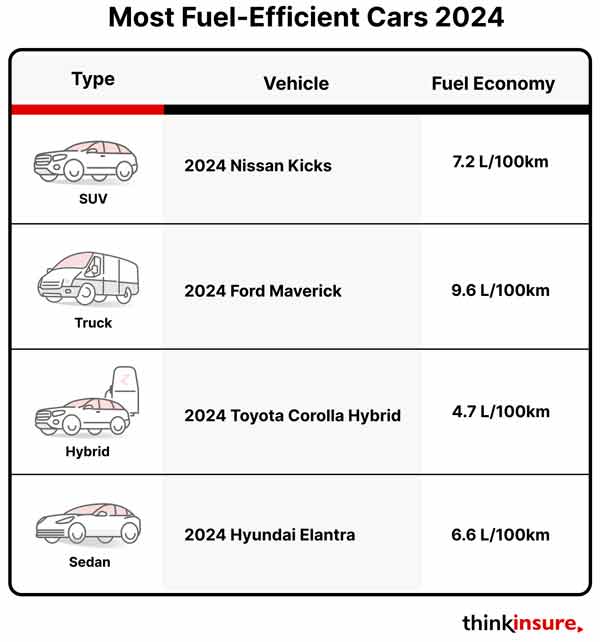
- Small Sedans/Hatchbacks: Often aim for 35-45 MPG (5.2-6.7 L/100km) or better, especially with hybrid variants pushing past 50 MPG (4.7 L/100km).
- Mid-size Sedans: Typically range from 28-35 MPG (6.7-8.4 L/100km).
- SUVs/Crossovers: Can vary widely, from 20-30 MPG (7.8-11.8 L/100km) for smaller models to much lower for larger, more powerful ones.
- Pickup Trucks: Generally have the lowest fuel economy, often in the 15-22 MPG (10.7-15.7 L/100km) range, though advancements are being made.
Your primary use case is also critical. A vehicle used exclusively for short city commutes might prioritize urban MPG figures, while a long-distance driver will focus on highway efficiency. “Good” is contextualized by what the vehicle is designed for and how it is primarily used, always with an eye on the financial outlay for its intended purpose.
Industry Averages and Modern Standards
Over the past two decades, significant advancements in automotive technology, including lighter materials, more efficient engines, turbocharging, direct injection, and the proliferation of hybrid and electric vehicles, have dramatically shifted the goalposts for what is considered “good.”
Today, an average new car might achieve around 25-30 MPG (7.8-9.4 L/100km) combined. However, this average is heavily influenced by the sales mix of vehicles. A truly “good” rating for a modern passenger car should ideally push beyond this average, especially if it incorporates any form of electrification. For example, many non-hybrid sedans now comfortably achieve over 30 MPG combined, and plug-in hybrids or full electric vehicles (EVs) offer significantly lower per-mile energy costs, albeit with a higher initial purchase price that needs to be factored into the overall financial equation. The trend is clearly towards greater efficiency, making older, less efficient vehicles financially less attractive over their lifespan.

Personalizing “Good”: Your Driving Habits and Budget
Ultimately, “good” fuel consumption is a personal financial metric. It depends on your annual mileage, the prevailing fuel prices in your region, and your personal budget constraints. Someone who drives 5,000 miles a year will have different financial priorities than someone driving 25,000 miles.
- Calculate Your Annual Fuel Spending: Use an online calculator or estimate your annual mileage and average fuel price to project your yearly fuel expenditure for different vehicles. This allows you to quantify the financial impact of efficiency differences.
- Set a Fuel Budget: Determine how much you are comfortable spending on fuel each month or year. This financial limit helps you filter car choices and evaluate if a particular vehicle’s consumption aligns with your financial capacity.
- Consider Total Cost of Ownership (TCO): Fuel efficiency is a part of TCO, which also includes purchase price, insurance, maintenance, and depreciation. A car with slightly lower MPG but a significantly lower purchase price might still be a better financial decision, depending on your ownership period and driving habits.
Strategies for Improving and Managing Fuel Costs
Beyond choosing an efficient car, there are proactive steps car owners can take to minimize their fuel expenditure and keep more money in their pockets.
Smart Car Purchase Decisions
The journey to good fuel economy begins before you even drive off the lot. Researching fuel economy ratings, specifically the EPA ratings in the US or similar ratings elsewhere, is paramount. These figures, while estimates, provide a standardized basis for comparison. Beyond traditional gasoline vehicles, considering hybrids, plug-in hybrids (PHEVs), and electric vehicles (EVs) can offer substantial long-term fuel cost savings. While their upfront costs might be higher, government incentives, lower energy costs per mile, and reduced maintenance can lead to a lower total cost of ownership over several years, making them financially attractive propositions for many.
Driving Habits that Save Money
Your driving style significantly influences actual fuel consumption. Aggressive driving habits are costly.
- Smooth Acceleration and Braking: Rapid acceleration and sudden braking consume more fuel. Gentle, gradual movements save fuel and reduce wear on brakes and tires, leading to further financial savings.
- Maintain a Steady Speed: Consistent speed, especially on highways, is more fuel-efficient than frequent acceleration and deceleration. Using cruise control on appropriate roads can help achieve this.
- Reduce Idling: Turning off your engine if you anticipate being stopped for more than 30 seconds (e.g., waiting for someone, at a long train crossing) can save a surprising amount of fuel over time.
- Avoid Excessive Speed: Fuel efficiency drops significantly at higher speeds due to increased aerodynamic drag. Driving within posted speed limits, or slightly below on highways, often results in better MPG.
Vehicle Maintenance for Optimal Efficiency
A well-maintained vehicle operates more efficiently, directly translating to lower fuel costs.
- Proper Tire Pressure: Under-inflated tires increase rolling resistance, forcing the engine to work harder and consume more fuel. Checking tire pressure regularly and keeping it at the manufacturer’s recommended level can improve fuel economy by up to 3%. This is a free financial saving.
- Regular Servicing: Adhering to your car’s maintenance schedule, including oil changes and filter replacements, ensures the engine runs efficiently. A clogged air filter, for example, can reduce fuel economy by up to 10%.
- Lighten the Load: Remove unnecessary items from your trunk or back seats. Every extra pound your car carries slightly increases fuel consumption. Similarly, removing roof racks when not in use reduces aerodynamic drag and saves fuel.
Leveraging Financial Tools and Apps
Modern technology offers a suite of tools that can help manage and even improve your fuel economy and associated costs. Fuel tracking apps allow you to monitor your real-world MPG, identify trends, and calculate your true fuel expenditure over time. Route optimization apps can help you find the most efficient routes, avoiding traffic and unnecessary detours, thereby saving both time and fuel money. Some apps even offer insights into fuel prices at nearby stations, allowing you to choose the most cost-effective option for your fill-up.
The Long-Term Financial Perspective
Evaluating fuel consumption in isolation misses the broader financial picture. A holistic view considers how fuel costs integrate into the total financial commitment of car ownership.
Total Cost of Ownership (TCO) vs. Purchase Price
The initial purchase price of a vehicle is often the primary focus, but astute financial planners understand that it’s only one piece of the puzzle. The Total Cost of Ownership (TCO) paints a more accurate picture, encompassing purchase price, depreciation, insurance, maintenance, repairs, and, crucially, fuel costs. A car with a lower purchase price but poor fuel economy might end up being more expensive to own over five years than a slightly pricier, more fuel-efficient alternative. When making a car buying decision, always project TCO scenarios for different vehicles to understand their true financial impact. The significant recurring nature of fuel expenses means they often outweigh differences in initial purchase price over the vehicle’s lifespan.
Resale Value Implications
A vehicle’s fuel economy plays a vital role in its long-term resale value. As fuel prices remain volatile and environmental consciousness grows, demand for fuel-efficient used cars tends to be higher. A car with a reputation for excellent MPG or L/100km will generally hold its value better than a gas-guzzler, mitigating depreciation—which is often the largest single cost of car ownership. Investing in a fuel-efficient vehicle can therefore be seen as a smart financial move that pays dividends not only in lower running costs but also in a stronger return upon sale.

Future-Proofing Your Personal Finance
The energy landscape is constantly evolving. Geopolitical events, shifts in environmental policy, and technological advancements can all influence fuel prices and vehicle taxation. By choosing a car with good fuel consumption or, even better, embracing hybrid or electric options, you are proactively protecting your personal finances against potential future price hikes and increasingly stringent environmental regulations. This foresight helps to stabilize your transportation budget, providing greater financial predictability and peace of mind in an uncertain economic future.
aViewFromTheCave is a participant in the Amazon Services LLC Associates Program, an affiliate advertising program designed to provide a means for sites to earn advertising fees by advertising and linking to Amazon.com. Amazon, the Amazon logo, AmazonSupply, and the AmazonSupply logo are trademarks of Amazon.com, Inc. or its affiliates. As an Amazon Associate we earn affiliate commissions from qualifying purchases.