
Employee retention isn’t just an HR buzzword; it’s a critical financial indicator that directly impacts a company’s profitability, stability, and long-term success. In today’s competitive landscape, businesses are increasingly recognizing that the ability to keep their best talent is as crucial as acquiring new customers or developing innovative products. For finance leaders and business owners, understanding “what is a good employee retention rate” goes beyond a simple percentage—it involves a deep dive into operational costs, productivity impacts, and strategic investments that ultimately shape the bottom line. This article explores the financial dimensions of employee retention, helping you benchmark, analyze, and strategically improve this vital business metric.
Understanding Employee Retention: A Core Business Finance Metric
At its heart, employee retention is about a company’s ability to hold onto its employees over a specified period. When viewed through a financial lens, it’s a measure of how effectively a business is safeguarding its human capital investments.
Defining the Employee Retention Rate
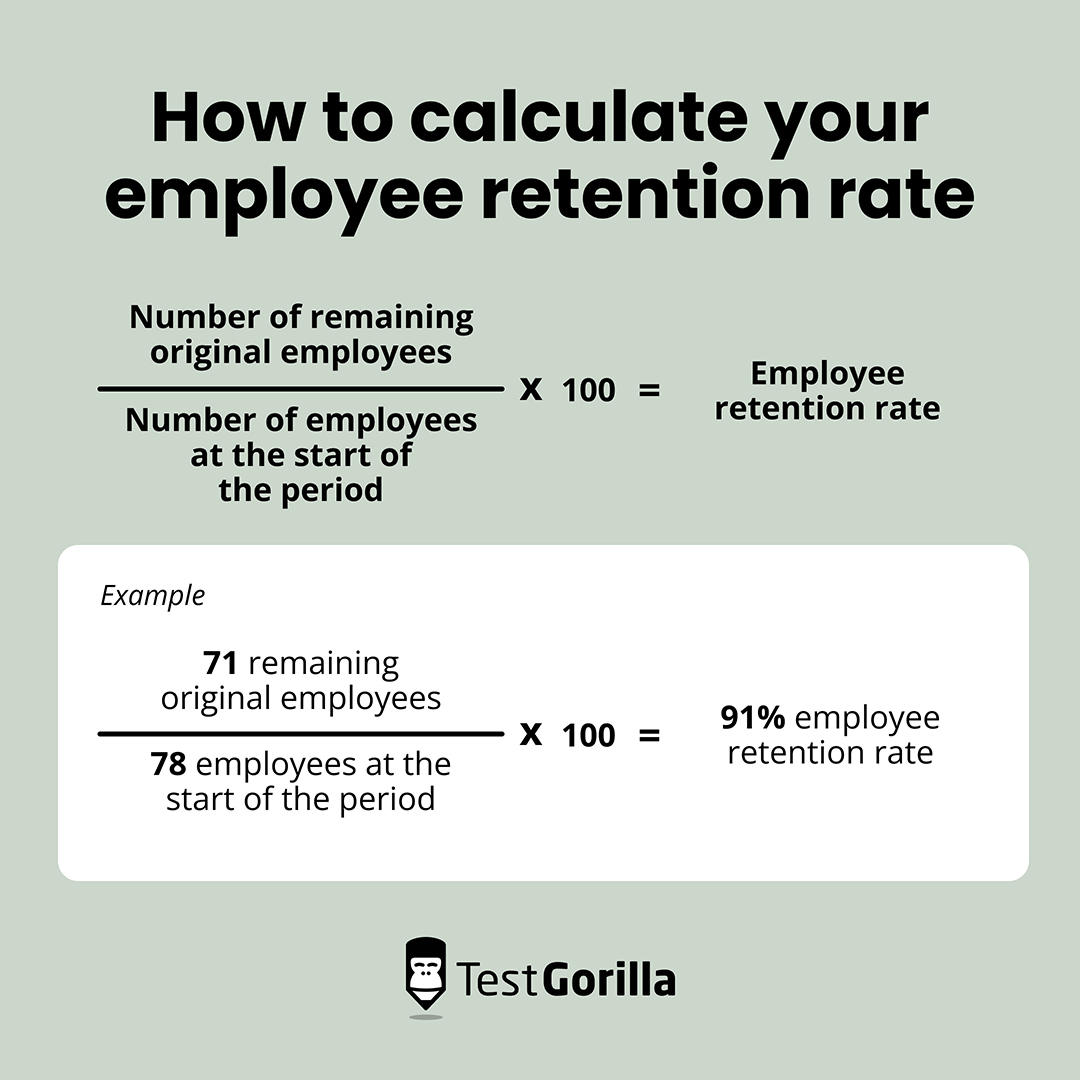
The employee retention rate is typically calculated as the percentage of employees who remained with the company over a given period (e.g., a year). The formula is:
$$
text{Retention Rate} = left( frac{text{Number of employees remaining at the end of the period}}{text{Number of employees at the start of the period}} right) times 100
$$
It’s crucial to distinguish retention from its inverse, the turnover rate. While turnover focuses on those who leave, retention emphasizes those who stay. A high retention rate signifies stability, experience, and the preservation of valuable internal knowledge—all of which have profound financial implications. From a business finance perspective, calculating this rate allows companies to quantify the stability of their workforce, directly correlating to predictable operational costs and consistent output.
Why Retention Directly Impacts the Bottom Line
The financial impact of employee turnover is substantial and multifaceted. Every time an employee leaves, a company incurs a cascade of direct and indirect costs that chip away at profitability. These costs include:
- Recruitment Expenses: Advertising jobs, recruiter fees, background checks, drug screenings, and interview process costs.
- Onboarding and Training Costs: Time spent by HR and managers, training materials, and reduced productivity during the ramp-up phase of a new hire.
- Lost Productivity: The immediate dip in output from the departing employee, the vacant period before a replacement is found, and the slower productivity of a new hire learning the ropes.
- Morale and Engagement Impact: High turnover can stress remaining employees, leading to decreased morale, increased workload, and a potential ripple effect of further departures. This intangible cost can lead to increased errors and reduced innovation.
- Loss of Institutional Knowledge: Experienced employees carry invaluable knowledge about processes, clients, and company history. Their departure often means this knowledge walks out the door, forcing the company to relearn or rebuild.
- Severance and Exit Costs: Depending on company policy and location, there might be severance packages, unused vacation payouts, and administrative exit costs.
When a company boasts a high retention rate, it effectively sidesteps these recurring costs, funneling those savings directly back into the business, improving profitability, and allowing for strategic reinvestment. It ensures consistency in client relationships, projects, and overall operational efficiency, strengthening the company’s financial foundation.
Benchmarking a “Good” Retention Rate: Industry & Context Matters
There’s no universal “good” employee retention rate. What’s considered excellent for one company might be concerning for another, illustrating the importance of context in financial metrics.
Industry Averages and Variations
The definition of a “good” retention rate varies significantly across industries. Sectors known for high competition, physically demanding jobs, or entry-level positions often grapple with higher turnover rates. For instance:
- Retail and Hospitality: Often see higher annual turnover rates, sometimes exceeding 50% or even 100% in certain segments, due to seasonal work, lower wages, and transient workforces. A 60-70% retention rate in these sectors might be considered average or even good.
- Technology: While highly competitive for talent, tech companies often aim for and achieve higher retention rates, perhaps in the 85-90% range, due to competitive compensation, benefits, and career growth opportunities.
- Healthcare: Can vary, with nurses and support staff sometimes having higher turnover than specialized doctors, driven by factors like burnout and working conditions. A retention rate in the 75-85% range might be typical.
- Manufacturing: Often aims for higher retention, as specialized skills and institutional knowledge are crucial. Rates in the 80-90% range are often targeted.
These industry averages serve as a baseline for financial leaders to understand where their company stands relative to its peers. However, relying solely on external benchmarks can be misleading without internal analysis.
Internal Benchmarking and Trend Analysis
For any business, the most valuable benchmark is often its own historical data. Tracking retention rates over time—monthly, quarterly, and annually—provides a clear picture of internal trends. Are retention rates improving or declining? Are there seasonal patterns? Does a particular department or location consistently struggle with retention?
Financial analysis of these trends is crucial. A declining retention rate might signal an impending increase in recruitment costs, a decrease in productivity, or a need for adjustments in compensation strategy, all impacting financial forecasts. Conversely, an improving trend can be factored into positive future financial projections. Setting realistic internal goals for retention should be based on these historical trends, combined with strategic business objectives and financial capabilities. For instance, if a company is investing heavily in a new market, it might need to budget for slightly higher turnover as it scales, or alternatively, invest more aggressively in retention to stabilize its new teams.
The Cost of Chasing an Unrealistic Number
While high retention is generally positive, businesses must also consider the financial prudence of striving for a 100% retention rate, which is often neither achievable nor financially optimal. Some level of turnover is natural, and can even be healthy. It allows for:
- Infusion of New Ideas: New hires bring fresh perspectives and skills.
- Removal of Underperformers: Managed turnover can create opportunities to replace less productive employees with higher-performing talent.
- Cost Optimization: In certain situations, retaining an employee who is no longer a good fit or whose skills are becoming obsolete might be more costly than the turnover itself, especially if they demand excessive compensation without commensurate output.
From a business finance perspective, there are diminishing returns on retention efforts. Pouring excessive resources into retaining every single employee, regardless of their performance or alignment with company values, might divert funds from more impactful investments like product development, market expansion, or technology upgrades. The goal is not zero turnover, but an optimal retention rate that supports financial health, operational stability, and strategic growth without excessive cost.
The Tangible Financial Benefits of High Retention
High employee retention translates into significant and quantifiable financial advantages for businesses, directly impacting profit margins and overall financial strength.
Reduced Recruitment and Training Costs
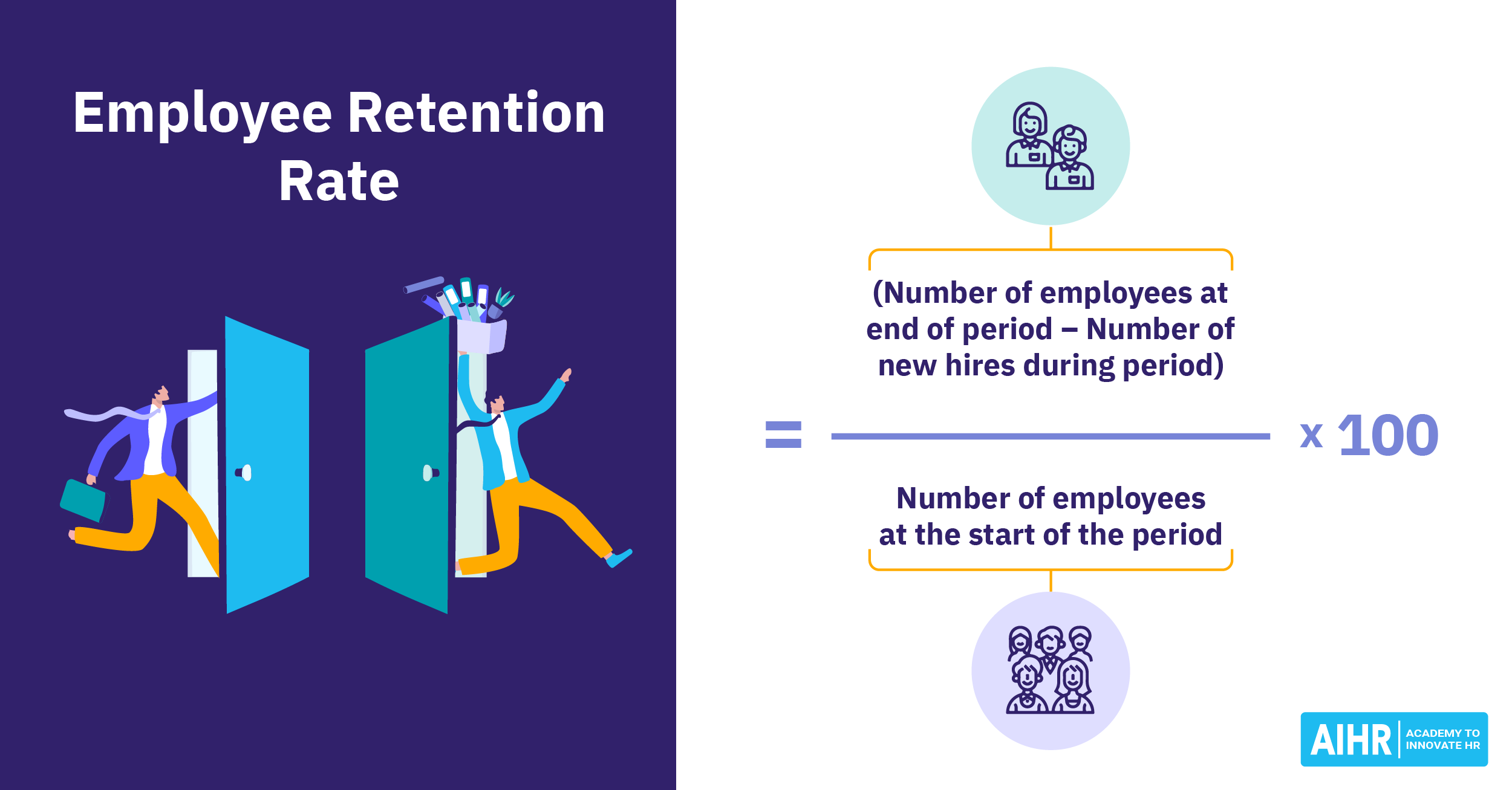
This is perhaps the most immediate and obvious financial benefit. A stable workforce means fewer job postings, less time spent by HR and hiring managers on interviews, and reduced fees for recruitment agencies. Each avoided hire saves thousands, if not tens of thousands, of dollars. For example, replacing a salaried employee can cost 6-9 months of their salary, including recruitment, onboarding, and training. By reducing the number of departures by just a few employees annually, a business can realize substantial savings that can be reallocated to other strategic initiatives or boost the bottom line. These direct savings are critical for managing operational expenses and improving profitability ratios.
Enhanced Productivity and Performance
Experienced employees are more efficient, produce higher quality work, and require less supervision. They understand company processes, client expectations, and internal dynamics, leading to smoother operations and fewer errors. New hires, by contrast, take time to reach full productivity—a period during which their output is lower, but their salary is a full expense. High retention minimizes this “ramp-up” period, ensuring consistent, high-level output across the organization. This sustained productivity directly impacts revenue generation, project completion rates, and the overall efficiency of resource utilization, all of which are paramount to financial performance.
Protecting Institutional Knowledge and Client Relationships
Long-tenured employees are repositories of invaluable institutional knowledge. They understand the nuances of the business, its history, past challenges, and successes. This collective intelligence is difficult to quantify but immensely valuable for strategic decision-making and problem-solving. When these employees leave, that knowledge often departs with them, potentially leading to repeated mistakes or a loss of competitive edge.
Furthermore, employees, particularly those in sales, account management, or customer service, build deep relationships with clients. These relationships are critical for client retention, upsells, and new business referrals—all direct drivers of revenue. High employee retention ensures continuity in these relationships, fostering trust and loyalty, which has a clear and positive impact on customer lifetime value and recurring revenue streams.
Boosting Morale and Mitigating Hidden Costs
Frequent turnover can create a stressful environment for remaining employees, who often have to pick up the slack, train new colleagues, and deal with the instability. This can lead to burnout, decreased engagement, and a higher propensity for their departure. High retention fosters a sense of security, camaraderie, and shared purpose. A positive work environment, though intangible, reduces “soft costs” such as increased absenteeism, decreased quality of work, and even higher rates of workplace incidents. A stable, positive culture also enhances the employer brand, making it easier and less costly to attract top talent when new hires are eventually needed, further bolstering long-term financial health.
Strategic Investments for Financially Sound Retention
Achieving and maintaining a good employee retention rate requires strategic financial investments, not just reactive measures. These investments, when carefully planned, offer a strong return on investment (ROI).
Competitive Compensation and Benefits
While not the sole factor, competitive compensation and a robust benefits package are fundamental. Businesses must invest in market research to ensure salaries are aligned with industry standards and regional cost of living. This includes not just base salary but also bonuses, commissions, healthcare, retirement plans (e.g., 401k matching), and perks like paid time off. From a financial perspective, viewing these as investments rather than mere expenses is crucial. An underpaid workforce will eventually seek opportunities elsewhere, triggering the costly cycle of turnover. Calculating the ROI of a salary increase versus the cost of replacing an employee often reveals that investing in fair compensation is the more financially prudent decision.
Professional Development and Growth Opportunities
Employees are more likely to stay when they see a clear path for professional growth and feel that their employer is invested in their future. This translates into financial investments in:
- Training Programs: Workshops, online courses, certifications relevant to their roles and career aspirations.
- Mentorship Programs: Pairing experienced employees with newer ones.
- Tuition Reimbursement: Supporting higher education.
- Internal Mobility: Creating opportunities for employees to move into different roles or departments within the company.
These investments not only boost morale and loyalty but also enhance the collective skill set of the workforce, directly improving the company’s capabilities and competitive advantage. The ROI comes from a more skilled, adaptable, and engaged workforce that can drive innovation and efficiency, ultimately contributing to revenue growth and cost savings.
Cultivating a Positive Work Environment and Leadership
Beyond monetary incentives, the quality of the work environment and leadership significantly impacts retention. While these are “soft” factors, their financial implications are concrete. Investing in:
- Leadership Training: Ensuring managers are equipped to motivate, support, and develop their teams.
- Employee Recognition Programs: Acknowledging contributions can be low-cost but high-impact.
- Work-Life Balance Initiatives: Flexible working arrangements, remote options, and generous leave policies.
- Culture Building: Fostering a culture of respect, inclusion, and open communication.
These initiatives contribute to higher employee engagement and loyalty. Disengaged employees are less productive and more likely to leave. Strong leadership can mitigate stress, resolve conflicts, and create an atmosphere where employees feel valued, reducing turnover attributable to management issues—a significant, yet often hidden, cost driver.
Leveraging Data for Smart Retention Strategies
Modern businesses can utilize HR analytics and financial modeling to make data-driven decisions about retention. This involves:
- Exit Interviews: Systematically collecting data on reasons for departure to identify recurring issues.
- Employee Surveys: Gauging satisfaction, engagement, and potential flight risks.
- Predictive Analytics: Using data to identify employees who are at a higher risk of leaving based on various factors.
- Cost-Benefit Analysis: Evaluating the financial impact of specific retention initiatives before implementation.
By understanding why employees leave and who is likely to leave, businesses can allocate their retention investment dollars more strategically, targeting interventions that will yield the greatest financial impact and improve their overall retention rates effectively.

Conclusion
A “good” employee retention rate is not a static number but a dynamic financial metric deeply intertwined with a company’s business finance health, operational efficiency, and long-term strategic goals. While industry benchmarks offer context, the most valuable measure is one that a business sets for itself, aligning with its unique challenges, financial capabilities, and growth ambitions.
High retention directly translates into significant cost savings from reduced recruitment and training, enhanced productivity, preservation of invaluable institutional knowledge, and stronger client relationships. Achieving this requires strategic financial investments in competitive compensation, professional development, and a supportive work environment. By viewing employee retention as a critical financial imperative rather than solely an HR function, businesses can make informed decisions that safeguard their most valuable asset—their people—and ensure a stronger, more profitable future. The ultimate “good” retention rate is one that continually supports and enhances the financial well-being and strategic objectives of the organization.
aViewFromTheCave is a participant in the Amazon Services LLC Associates Program, an affiliate advertising program designed to provide a means for sites to earn advertising fees by advertising and linking to Amazon.com. Amazon, the Amazon logo, AmazonSupply, and the AmazonSupply logo are trademarks of Amazon.com, Inc. or its affiliates. As an Amazon Associate we earn affiliate commissions from qualifying purchases.