
In the dynamic landscape of personal finance, choosing the right credit card is a pivotal decision that can significantly impact your financial health. Far from being a mere convenience for transactions, a credit card is a powerful financial tool that, when wielded wisely, can help build credit, earn rewards, manage expenses, and even provide crucial financial protection. However, with an overwhelming array of options available, each promising unique benefits and features, discerning “a good credit card” requires careful consideration tailored to your individual financial situation and goals. This comprehensive guide aims to demystify the process, offering insights to help you identify and secure the credit card that best aligns with your needs within the realm of personal finance.
Understanding Your Financial Needs Before You Apply
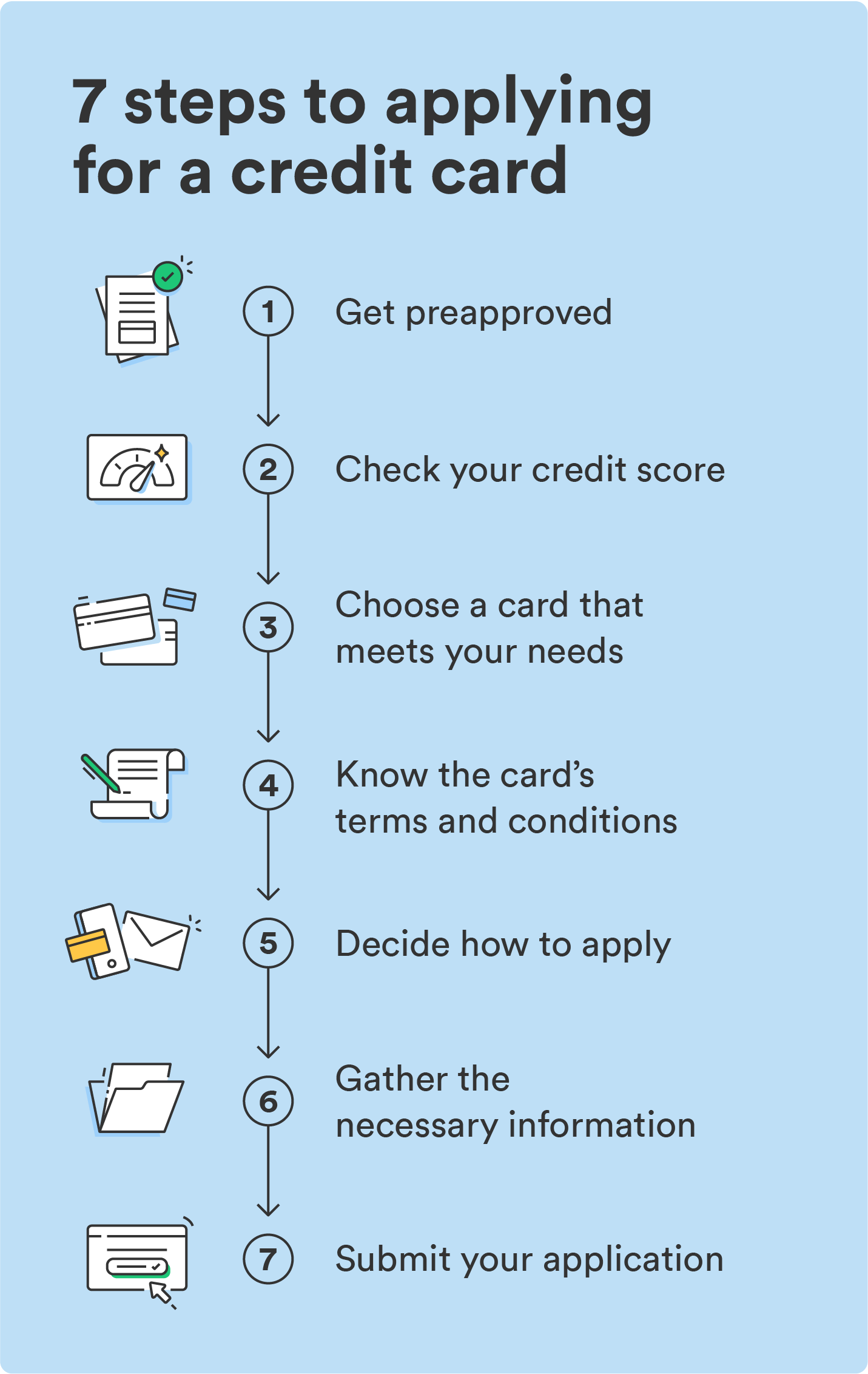
Before you even begin sifting through the myriad credit card offers, the most crucial step is to undertake a thorough self-assessment of your current financial standing, credit history, and spending habits. This introspection forms the bedrock of an informed decision, ensuring you choose a card that serves your financial interests rather than creating potential pitfalls.
Assessing Your Credit Score
Your credit score is the gatekeeper to most desirable credit card products. Lenders use this three-digit number to gauge your creditworthiness and determine the risk associated with lending to you. Generally, credit scores fall into categories:
-
Excellent (800-850): Opens doors to the most premium cards with the best rates, highest credit limits, and most lucrative rewards.
-
Very Good (740-799): Still qualifies for excellent cards and terms.
-
Good (670-739): A solid score that offers a good range of options, including many rewards cards and competitive interest rates.
-
Fair (580-669): May limit your options to cards designed for rebuilding credit or those with higher interest rates and fewer perks.
-
Poor (300-579): Often requires a secured credit card or a co-signer to get approved, focusing primarily on credit building.
Knowing your credit score will help you narrow down your search to cards you realistically qualify for, saving you time and preventing multiple hard inquiries that can temporarily ding your score. You can typically check your credit score for free through various financial institutions or credit reporting agencies.
Identifying Your Spending Habits and Goals
A credit card should complement your lifestyle, not dictate it. Understanding where and how you spend money is paramount in selecting a card with relevant benefits.
-
Are you a frequent traveler? A travel rewards card that offers points or miles redeemable for flights, hotels, or travel perks might be ideal.
-
Do you spend a lot on groceries, gas, or dining out? A cash back card with bonus categories that align with your major spending areas could yield significant returns.
-
Do you plan to make a large purchase and pay it off over time? A card with a low introductory Annual Percentage Rate (APR) on purchases could save you substantial interest.
-
Are you looking to consolidate existing debt? A balance transfer card with a 0% introductory APR can provide a crucial window to pay down high-interest debt without accumulating more interest.
-
Are you new to credit or looking to improve a less-than-stellar credit history? A secured credit card or a student card specifically designed for building credit responsibly is your best bet.
Your financial goals also play a critical role. Are you aiming to minimize debt, maximize rewards, or simply establish a strong credit foundation? Clarity on these points will steer you towards the most appropriate card type.
Understanding Different Card Types
Credit cards aren’t one-size-fits-all. They broadly categorize into types, each serving distinct purposes:
-
Rewards Credit Cards: Offer cash back, points, or miles on purchases. Ideal for those who pay their balance in full each month and want to be rewarded for their spending.
-
Low-Interest Rate (Low APR) Cards: Designed for individuals who anticipate carrying a balance from time to time, minimizing interest charges.
-
Balance Transfer Cards: Feature a 0% introductory APR for a set period (e.g., 12-21 months) on transferred balances, allowing you to pay down debt without accruing new interest.
-
Secured Credit Cards: Require a cash deposit as collateral, typically equal to your credit limit. Excellent for building or rebuilding credit, as approval is easier.
-
Student Credit Cards: Tailored for college students, often with lower credit limits and features to help establish credit responsibly.
-
Business Credit Cards: For small business owners, separating personal and business expenses, offering business-specific rewards and expense tracking.
Key Factors to Evaluate When Choosing a Credit Card
Once you have a clear picture of your financial profile and goals, it’s time to delve into the specific features and terms of various credit card offers. A good credit card is defined by its ability to deliver tangible value and support your financial objectives without imposing undue burdens.
Annual Fees: Worth the Cost?
Some premium credit cards come with an annual fee, ranging from modest to several hundred dollars. The key question is whether the benefits provided by the card — such as superior rewards rates, exclusive perks (e.g., airport lounge access, travel credits, extended warranties), or significant sign-up bonuses — outweigh this cost. If you’re a high-spender who can fully utilize all the card’s features, an annual fee card might be highly rewarding. For average spenders or those new to credit, a no-annual-fee card is often a more practical and financially sound choice.
Interest Rates (APR): A Critical Consideration
The Annual Percentage Rate (APR) is the interest rate you pay on your credit card balance if you don’t pay it in full by the due date. While rewards are enticing, a high APR can quickly erode any gains if you frequently carry a balance. Look for the lowest possible APR if you anticipate revolving debt. It’s crucial to distinguish between the purchase APR, balance transfer APR, and cash advance APR, as they can differ significantly. Remember, the best strategy is always to pay your statement balance in full each month to avoid interest charges altogether.
Rewards Programs: Cash Back, Travel Points, or Miles?
Rewards programs are a major draw for many cardholders.
-
Cash Back: Simple and straightforward, offering a percentage back on all purchases or higher percentages in specific categories. Ideal for those who prefer direct savings.
-
Travel Points/Miles: Often more complex but can offer higher redemption value, especially for frequent travelers. Points can be redeemed for flights, hotels, car rentals, or transferred to airline/hotel loyalty programs. This category often comes with travel-specific perks like no foreign transaction fees, travel insurance, and lounge access.
-
Flexible Points: Some cards offer points that can be redeemed for a variety of options, including cash back, travel, gift cards, or merchandise, providing versatility.
Evaluate your spending patterns and redemption preferences to choose a rewards program that truly benefits you. Don’t be swayed by high rewards rates in categories where you rarely spend.
Sign-Up Bonuses and Introductory Offers
Many credit cards entice new applicants with generous sign-up bonuses (e.g., earn $200 cash back or 50,000 bonus points after spending X amount in the first few months). These can provide a significant boost but require meeting a minimum spending requirement within a specific timeframe. Always ensure you can comfortably meet this requirement through your natural spending without going into debt.
Other introductory offers include 0% APR periods on purchases or balance transfers. These can be incredibly valuable for specific financial goals, but it’s vital to note when the promotional period ends and what the standard APR will be thereafter.
Card Benefits and Protections
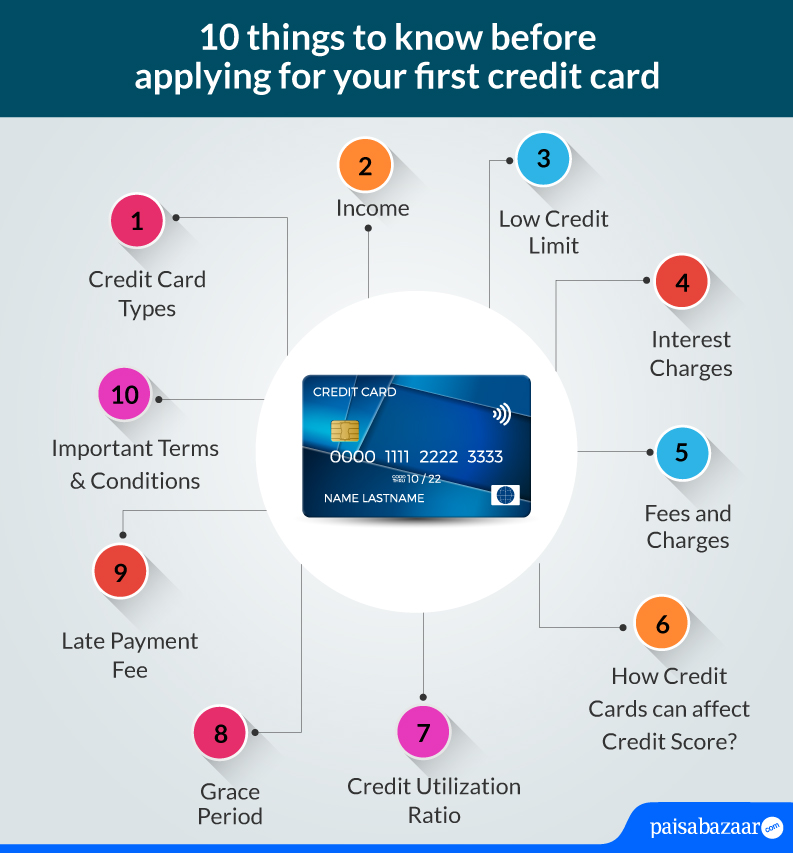
Beyond rewards and fees, many credit cards offer a suite of additional benefits and protections that can add substantial value:
-
Purchase Protection: Covers eligible items against damage or theft for a period after purchase.
-
Extended Warranty: Adds an extra year or more to the manufacturer’s warranty on eligible items.
-
Travel Insurance: Includes coverage for trip cancellation/interruption, baggage delay, and rental car insurance.
-
Concierge Services: Assistance with travel bookings, event tickets, and other requests.
-
No Foreign Transaction Fees: Essential for international travelers, saving you 2-3% on purchases made abroad.
These often overlooked benefits can provide peace of mind and significant savings in unexpected situations.
Top Categories of Credit Cards and Who They’re For
To simplify your search, let’s categorize some of the “good” credit cards based on common financial objectives.
Best for Building Credit
-
Secured Credit Cards: For individuals with no credit history or a poor one. Requires a security deposit, typically equal to your credit limit. Examples include the Capital One Platinum Secured Credit Card or Discover it Secured Credit Card. They report to all three major credit bureaus, helping you establish a positive payment history.
-
Student Credit Cards: Designed for college students to begin building credit responsibly. Often come with low credit limits and basic rewards. Examples include the Discover it Student Cash Back or Capital One SavorOne Student Cash Rewards Credit Card.
Best for Earning Rewards
-
Cash Back Cards: For those who prefer simplicity and direct savings. Look for cards with rotating bonus categories (e.g., Discover it Cash Back, Chase Freedom Flex) or flat-rate cash back on all purchases (e.g., Citi Double Cash Card, Fidelity Rewards Visa Signature Card).
-
Travel Cards: Ideal for frequent travelers seeking points, miles, and travel perks. These range from general travel cards (e.g., Chase Sapphire Preferred, American Express Green Card) to co-branded airline or hotel cards (e.g., Southwest Rapid Rewards Plus Credit Card, Marriott Bonvoy Boundless Card). These often come with annual fees but can offer outsized value if travel frequently.
Best for Managing Debt
-
Balance Transfer Cards: Crucial for consolidating high-interest debt onto a single card with a 0% introductory APR. Examples include the Citi Simplicity Card or the Wells Fargo Reflect Card. Be mindful of balance transfer fees, typically 3-5% of the transferred amount.
-
Low APR Cards: For those who occasionally carry a balance and want to minimize interest charges. These cards typically don’t offer extensive rewards but prioritize a lower ongoing APR.
Best for Business Owners
- Business Rewards Cards: Offer elevated rewards on common business expenses like office supplies, internet, phone services, or advertising. Examples include the Ink Business Cash Credit Card or American Express Business Gold Card. They also help separate personal and business finances, simplifying accounting.
The Application Process and Responsible Credit Card Use
Once you’ve identified a good credit card, the application process is relatively straightforward. However, responsible use after approval is paramount to leveraging the card’s benefits and enhancing your financial standing.
Gathering Necessary Information
Before applying, ensure you have:
-
Your Social Security Number (SSN) or Individual Taxpayer Identification Number (ITIN).
-
Your full legal name, date of birth, and contact information.
-
Your employment status and annual income (individual or household, depending on the card issuer’s requirements).
-
Your housing information (rent or own, monthly payment).
Submitting Your Application: What to Expect
Most applications are completed online and take just a few minutes. You’ll typically receive an instant decision, though some applications may require further review. A successful application results in a new credit account being opened, and a “hard inquiry” on your credit report, which can slightly reduce your score temporarily. Therefore, it’s wise to apply only for cards you are reasonably confident you’ll be approved for and to avoid applying for multiple cards within a short period unless absolutely necessary.
Maintaining Good Credit: Payment Discipline and Utilization
A good credit card only remains good if you use it responsibly.
-
Pay on Time, Every Time: Your payment history is the most significant factor in your credit score. Set up automatic payments or calendar reminders to ensure you never miss a due date.
-
Pay in Full: Always aim to pay your statement balance in full to avoid interest charges and keep your debt manageable.
-
Keep Utilization Low: Credit utilization refers to the amount of credit you’re using compared to your total available credit. Lenders prefer to see this ratio below 30%, ideally below 10%. For example, if your credit limit is $1,000, try to keep your balance under $300.
-
Review Your Statements: Regularly check your statements for any unauthorized charges or errors.
Common Pitfalls to Avoid
Even with the best intentions, some common missteps can undermine the benefits of a good credit card.
Applying for Too Many Cards at Once
Each application results in a hard inquiry on your credit report, which can temporarily lower your score. A flurry of applications suggests to lenders that you might be desperate for credit, making you appear riskier. Space out your applications if you need multiple cards.
Focusing Solely on Rewards
While rewards are appealing, they should never be the primary driver if you cannot pay your balance in full each month. The interest accrued on a carried balance will almost always negate any rewards earned, turning a “good” card into a financial burden. Prioritize responsible spending and payment over maximizing points if you’re not disciplined.

Carrying a Balance on High-Interest Cards
If you find yourself carrying a balance, prioritize paying off the card with the highest APR first (the “debt avalanche” method). Consistently paying interest charges negates the utility of any rewards and can lead to a spiral of debt.
In conclusion, a “good” credit card isn’t universally defined; it’s a personalized choice rooted in a deep understanding of your financial health, spending habits, and future goals. By carefully assessing your credit score, identifying your needs, evaluating key card features, and committing to responsible use, you can confidently select a credit card that acts as a powerful asset in your journey toward financial well-being.
aViewFromTheCave is a participant in the Amazon Services LLC Associates Program, an affiliate advertising program designed to provide a means for sites to earn advertising fees by advertising and linking to Amazon.com. Amazon, the Amazon logo, AmazonSupply, and the AmazonSupply logo are trademarks of Amazon.com, Inc. or its affiliates. As an Amazon Associate we earn affiliate commissions from qualifying purchases.