
Finding car insurance that strikes the perfect balance between comprehensive coverage and an affordable premium is a universal quest for vehicle owners. It’s a financial product that most drivers are legally required to carry, yet its complexities can often leave individuals feeling overwhelmed and unsure if they’re truly getting a good deal. “Good” insurance means more than just meeting the bare minimum; it means robust protection when you need it most. “Cheap” insurance, conversely, isn’t about the lowest possible price at the expense of adequate coverage, but rather finding the most cost-effective solution for your specific needs without compromising security. This article will demystify the process, guiding you through understanding what constitutes quality coverage, how to identify genuine savings, and the factors that influence your premiums, all within the realm of personal finance and smart money management.
Understanding “Good” Car Insurance: Beyond the Price Tag
Before we delve into finding “cheap” options, it’s crucial to first define what “good” car insurance truly entails. A policy that seems inexpensive upfront can prove incredibly costly in the event of an accident if it leaves you underinsured or exposed. “Good” insurance is about adequate protection, peace of mind, and reliable service when you need to make a claim.
Minimum Requirements vs. Optimal Coverage
Every state mandates a minimum level of car insurance, typically liability coverage. This covers damages and injuries you cause to other drivers and their property in an accident where you are at fault. While meeting these minimums is legal, it’s often far from optimal. Good insurance often extends significantly beyond these basic requirements:
-
Liability Coverage (Bodily Injury & Property Damage): This is foundational. Good coverage means having limits high enough to protect your assets in a serious accident. If your liability limits are too low, you could be personally responsible for costs exceeding your policy maximums.
-
Collision Coverage: This pays for damages to your vehicle resulting from a collision with another car or object, regardless of fault. Essential for newer or financed cars.
-
Comprehensive Coverage: This protects your vehicle from non-collision incidents like theft, vandalism, fire, natural disasters, or hitting an animal. Also crucial for newer or financed vehicles.
-
Uninsured/Underinsured Motorist (UM/UIM) Coverage: A vital protection that covers your medical bills and property damage if you’re hit by a driver who either has no insurance or insufficient insurance to cover your costs. Given the prevalence of uninsured drivers, this is an often-overlooked but critical component of “good” insurance.
-
Medical Payments (MedPay) or Personal Injury Protection (PIP): These cover medical expenses for you and your passengers after an accident, regardless of fault. PIP may also cover lost wages and essential services.
The Role of Deductibles and Limits
The financial mechanics of your policy – deductibles and limits – play a significant role in both your premium and your out-of-pocket exposure.
-
Deductibles: This is the amount you agree to pay yourself before your insurance company starts to pay on a covered claim (for collision and comprehensive). A higher deductible typically leads to a lower premium, but means you’ll pay more out-of-pocket if you file a claim. Choosing a deductible you can comfortably afford is key to good insurance.
-
Limits: These are the maximum amounts your insurance company will pay for a covered loss. Higher limits provide greater protection but result in higher premiums. For liability, choosing limits that align with your assets (e.g., your home equity, savings) can prevent financial ruin from a major lawsuit.
Essential Add-ons for Peace of Mind
Beyond core coverages, several optional add-ons can significantly enhance the “goodness” of your policy:
-
Roadside Assistance: Covers towing, flat tire changes, jump-starts, and fuel delivery.
-
Rental Car Reimbursement: Provides a rental car while your vehicle is being repaired after a covered claim.
-
Gap Insurance: If you have a car loan or lease, this covers the difference between what you owe on your car and its actual cash value if it’s totaled, preventing you from paying for a car you no longer own.
-
New Car Replacement: For newer vehicles, this may pay for a brand-new car of the same make and model if yours is totaled, rather than just its depreciated actual cash value.
Strategies for Finding “Cheap” Car Insurance
Once you understand what constitutes adequate coverage, the next step is strategically finding the most affordable way to secure it. “Cheap” here means optimal value for money, not cutting corners on essential protection.
The Power of Comparison Shopping
This is perhaps the single most effective strategy for finding affordable car insurance. Premiums can vary wildly between different insurers for the exact same coverage because each company uses its own algorithms, risk assessments, and pricing models.
-
Get Multiple Quotes: Don’t just stick with your current insurer or the first quote you receive. Obtain quotes from at least three to five different companies, including large national providers, smaller regional insurers, and online-only carriers.
-
Utilize Online Aggregators: Websites that allow you to compare multiple quotes simultaneously can save significant time. However, it’s often wise to double-check these quotes directly with the insurers as they sometimes miss specific discounts or nuances.
-
Consult Independent Agents: An independent insurance agent works with multiple companies and can shop around on your behalf, often finding deals you might miss. They can also offer personalized advice.
Leveraging Discounts: Don’t Leave Money on the Table
Insurance companies offer a plethora of discounts, and often customers don’t realize they qualify for many of them. Always ask about available discounts and review your policy regularly to ensure all applicable discounts are applied.
-
Bundling Discounts: Insuring multiple policies (e.g., car and home insurance) with the same company often results in significant savings on both.
-
Safe Driver Discounts: For maintaining a clean driving record over several years. Many insurers now offer telematics programs (devices or apps) that monitor your driving habits and reward safe driving with lower premiums.
-
Good Student Discounts: For young drivers who maintain a certain GPA.
-
Low Mileage Discounts: If you drive fewer miles than average, you may qualify for a discount.
-
Anti-Theft Device Discounts: For vehicles equipped with alarms, tracking systems, or other anti-theft measures.
-
Multi-Car Discounts: Insuring more than one vehicle on the same policy.
-
Professional/Affiliation Discounts: Some companies offer discounts to members of certain professional organizations, alumni associations, or employee groups.
-
Payment Discounts: Paying your premium in full upfront, enrolling in automatic payments, or choosing paperless billing can often lead to small savings.
Adjusting Your Coverage Wisely
While maintaining adequate coverage is paramount, there are situations where adjusting your policy can lead to legitimate savings.
-
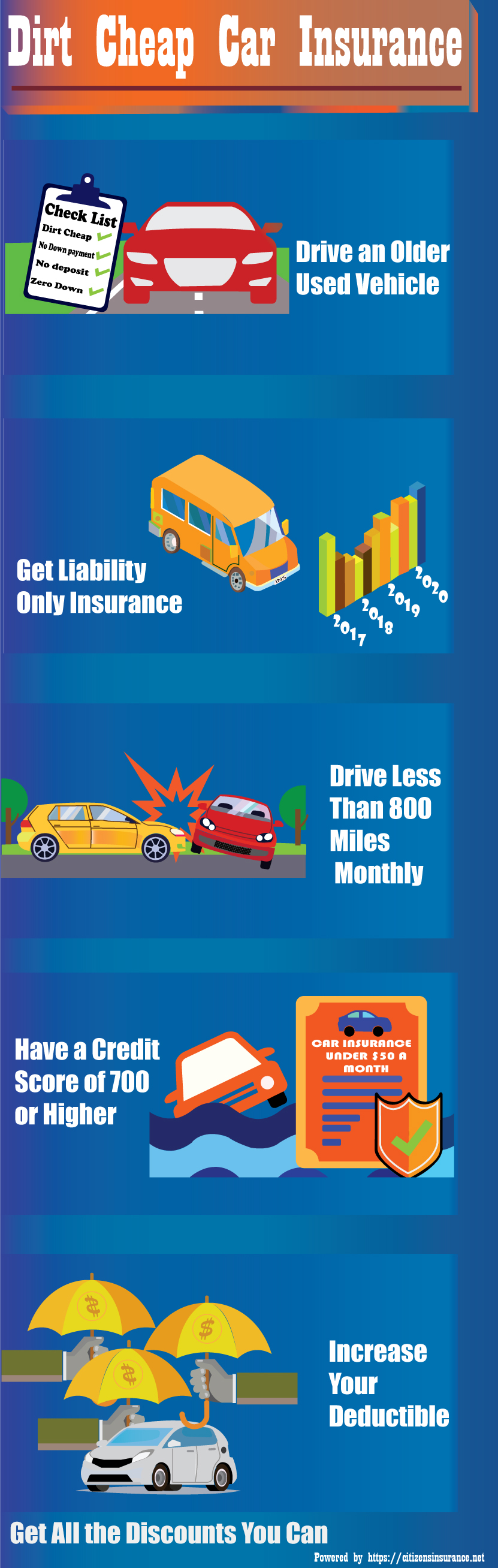
Increasing Your Deductible: If you have a substantial emergency fund and are a low-risk driver, raising your collision and comprehensive deductibles can lower your premium. Just ensure you can comfortably afford the higher out-of-pocket cost if a claim arises.
-
Dropping Collision/Comprehensive on Older Cars: For vehicles with low market value, the cost of collision and comprehensive coverage might exceed what the car is worth, or the deductible might eat up a significant portion of any payout. Evaluate if paying these premiums makes financial sense for older, less valuable cars.
-
Reviewing Optional Coverages: Periodically assess if you still need certain add-ons. For instance, if your car loan is paid off, you no longer need gap insurance.
Improving Your Driver Profile
Some factors that influence your premium are within your control and can be improved over time.
-
Maintain a Clean Driving Record: Accidents and traffic violations significantly increase premiums. Driving safely is the best long-term strategy for affordable insurance.
-
Improve Your Credit Score: In many states, insurance companies use a credit-based insurance score as a factor in determining premiums. A higher credit score can indicate a lower risk and lead to better rates. Paying bills on time and managing debt responsibly can improve this score.
Factors Influencing Car Insurance Premiums
Understanding the myriad factors that go into calculating your premium can help you make more informed decisions and identify potential areas for savings. These factors are essentially risk indicators that insurers use to predict the likelihood of you filing a claim and the potential cost of that claim.
Personal Demographics
-
Age and Gender: Younger, less experienced drivers (especially males under 25) typically pay the highest premiums due to higher accident rates. Rates generally decrease with age and driving experience, stabilizing in middle age before potentially rising slightly again for very senior drivers.
-
Marital Status: Married individuals often receive lower rates, as statistics suggest they are less likely to file claims.
-
Location: Urban areas generally have higher rates due to increased traffic density, higher crime rates (theft, vandalism), and a greater likelihood of accidents. Rural areas typically see lower premiums. Even your specific ZIP code within a city can affect your rate.
-
Occupation: Certain professions (e.g., those requiring extensive driving) might incur higher premiums. Conversely, some insurers offer discounts to specific professional groups.
Vehicle Characteristics
-
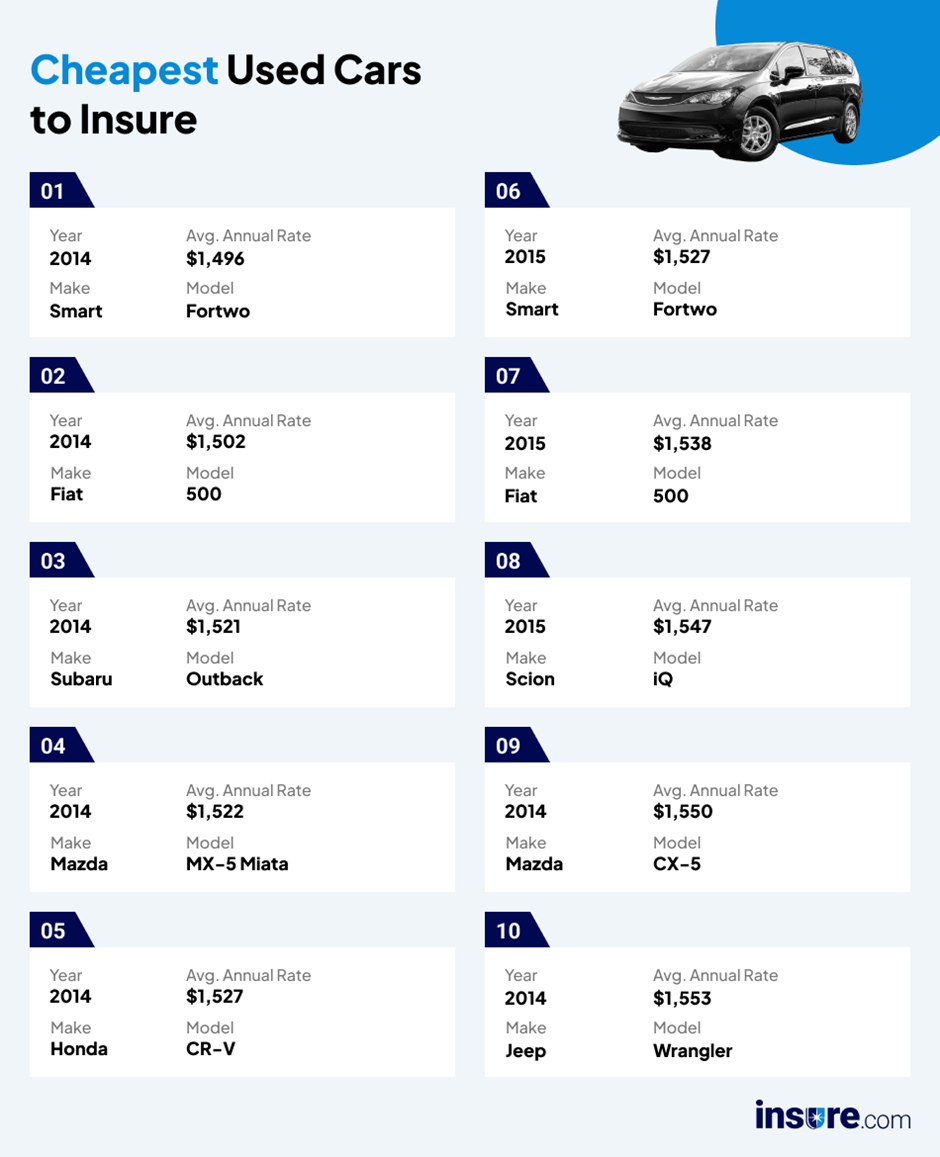
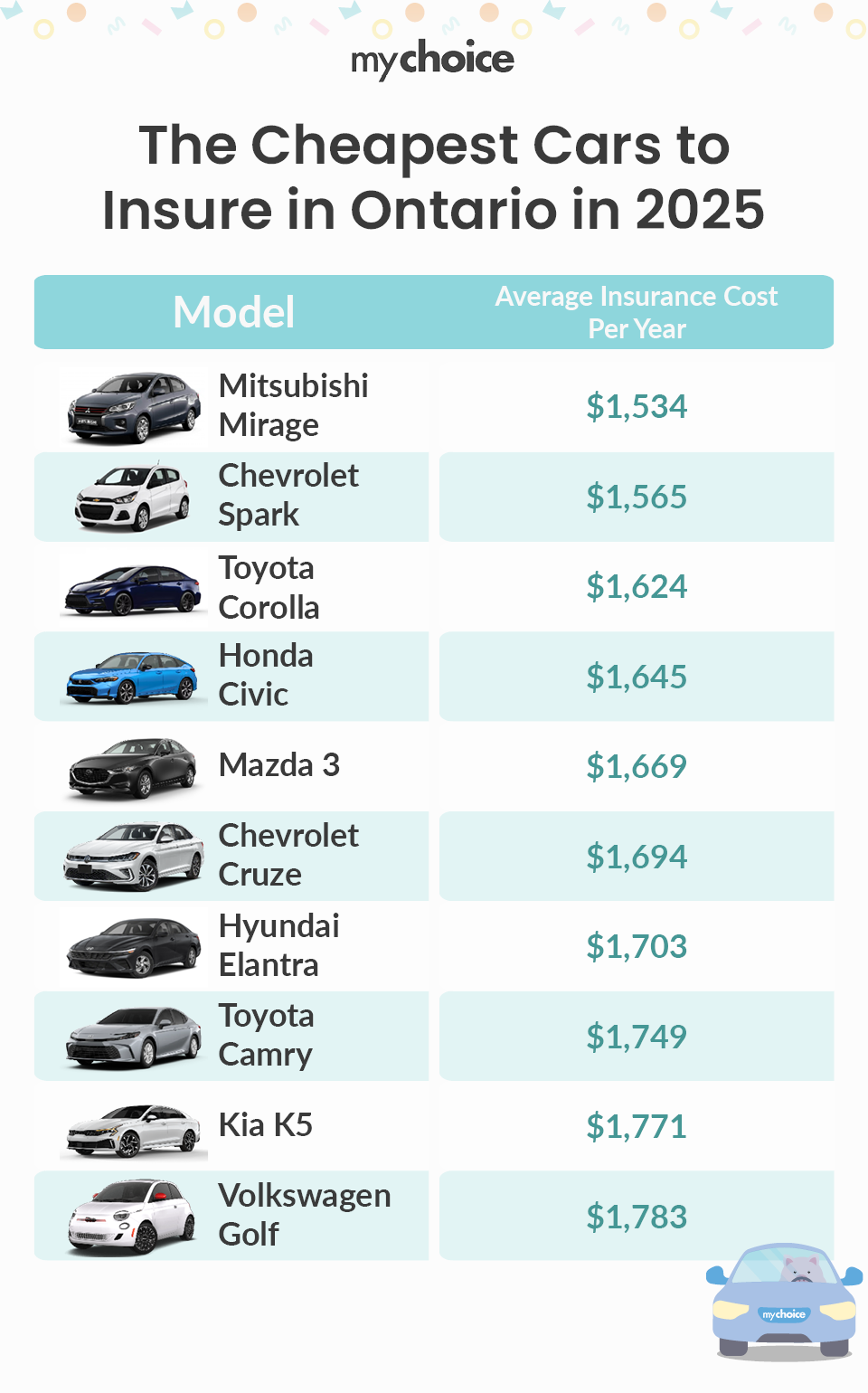
Make, Model, and Year: The type of car you drive significantly impacts your premium. Sports cars and luxury vehicles are often more expensive to insure due to higher repair costs, greater theft risk, and potentially aggressive driving habits associated with them.
-
Safety Features: Cars equipped with advanced safety features like anti-lock brakes, airbags, adaptive cruise control, and automatic emergency braking may qualify for discounts, as they reduce the likelihood or severity of accidents.
-
Theft Rates: Vehicles that are commonly stolen or vandalized will typically have higher comprehensive coverage premiums.
-
Repair Costs: Cars that are expensive to repair or require specialized parts will generally have higher collision and comprehensive premiums.
Driving History
-
Accidents: Your claims history is a primary factor. At-fault accidents, especially recent ones, will almost certainly increase your premiums. Even not-at-fault accidents can sometimes have an impact.
-
Violations: Speeding tickets, DUIs, reckless driving charges, and other moving violations signal higher risk and lead to significantly increased rates. The severity and recency of violations play a big role.
-
Continuous Coverage: Maintaining continuous car insurance coverage, even if you switch providers, can sometimes lead to lower rates, as it demonstrates responsible financial behavior.
Credit Score (FICO/Insurance Score)
In most states (exceptions include California, Hawaii, Massachusetts, and Michigan), insurance companies use a credit-based insurance score to help determine premiums. This score is derived from information in your credit report but is not the same as a traditional FICO score used for loans. Insurers have found a correlation between higher credit scores and a lower likelihood of filing claims. A good credit history often translates to lower insurance premiums. This underscores the importance of good personal financial management beyond just paying for insurance.
The Best “Cheap” Car Insurance Isn’t One-Size-Fits-All
Ultimately, there is no single “best cheap car insurance” policy or provider that fits everyone. What’s affordable and adequate for one person might be entirely unsuitable for another. Your perfect policy is a personalized financial product tailored to your unique circumstances.
Tailoring Coverage to Your Needs
The key is to conduct a thorough personal financial assessment:
-
Assess Your Risk Tolerance: Are you comfortable with a higher deductible to save on premiums, knowing you have the cash reserves to cover it?
-
Evaluate Your Financial Situation: How much can you realistically afford to pay out-of-pocket in case of an accident? Your liability limits should be high enough to protect your assets (e.g., home, savings).
-
Consider Your Driving Habits: Do you drive frequently? Commute long distances? Your mileage and driving patterns should influence your coverage choices.
-
Vehicle Value: The age and value of your car should dictate whether comprehensive and collision coverage are still cost-effective.
Regular Reviews and Adjustments
Car insurance isn’t a “set it and forget it” financial product. Your needs and the market change, so your policy should evolve too.
-
Annual Review: Make it a habit to review your policy at least once a year, preferably before renewal.
-
Life Event Adjustments: Major life changes should trigger a policy review. Getting married, moving to a new area, buying a new car, adding a teenage driver, or improving your credit score could all impact your rates and coverage needs.
-
Shop Around Again: Don’t hesitate to comparison shop periodically, even if you’re happy with your current insurer. New discounts, changes in your profile, or shifting market rates could mean better deals are available elsewhere.
Customer Service and Claims Experience
While premiums are a significant financial consideration, the true test of “good” insurance often comes down to customer service and claims handling. A policy that seems cheap but leaves you stranded after an accident or battling for a fair payout isn’t good value.
-
Check Reviews: Look for customer reviews and financial strength ratings (e.g., A.M. Best, J.D. Power) of insurance companies before committing.
-
Claims Process: Understand the claims process for any insurer you consider. A smooth, transparent, and responsive claims experience is invaluable in times of stress.
In conclusion, securing good, cheap car insurance is a strategic financial endeavor that requires diligence and an understanding of both coverage essentials and cost-saving opportunities. It’s about finding the sweet spot where robust protection meets responsible budgeting. By proactively comparing quotes, maximizing discounts, wisely adjusting coverage, and understanding the factors at play, you can confidently navigate the insurance landscape, ensuring your peace of mind and financial security on the road.
aViewFromTheCave is a participant in the Amazon Services LLC Associates Program, an affiliate advertising program designed to provide a means for sites to earn advertising fees by advertising and linking to Amazon.com. Amazon, the Amazon logo, AmazonSupply, and the AmazonSupply logo are trademarks of Amazon.com, Inc. or its affiliates. As an Amazon Associate we earn affiliate commissions from qualifying purchases.